
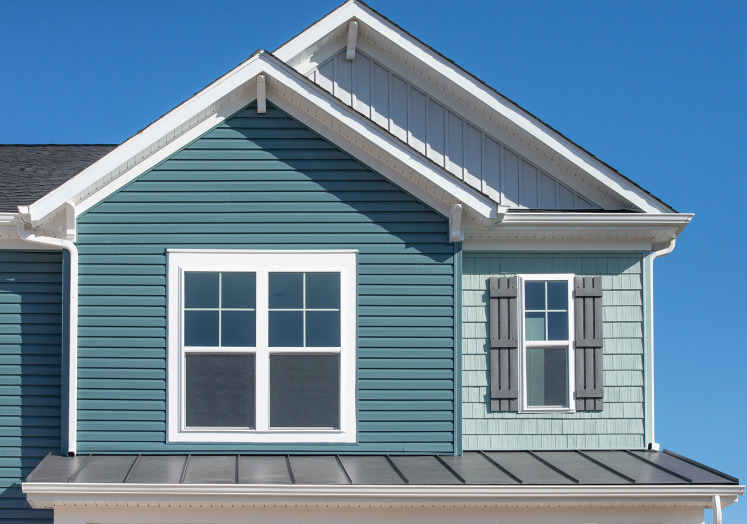
Clapboard shows a simple straight board; Dutch lap has a recessed top lip for shadow and style.
I have installed and inspected dozens of exterior walls, so I know the practical and aesthetic trade-offs of clapboard siding vs dutch lap. In this article I break down profiles, materials, costs, weather performance, maintenance, and real-world tips. Read on to pick the right look and function for your home.

What are clapboard siding and dutch lap?
Clapboard siding is a long, thin board set horizontally with each board overlapping the one below. The face is flat and the top edge typically butts under the next board. Clapboard gives a classic, clean look that suits many home styles.
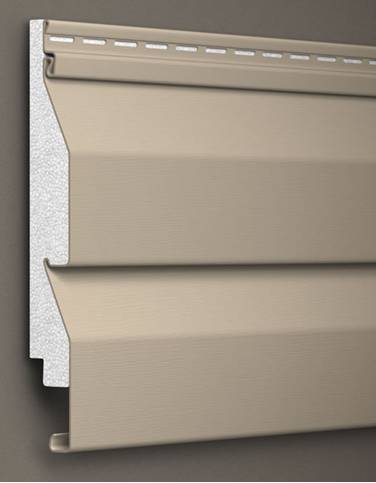
Dutch lap siding uses a similar overlapping horizontal board. The difference is a recessed or beveled top edge that creates a small groove and shadow line. That groove gives Dutch lap a stronger texture and a more pronounced traditional charm.
Clapboard siding vs dutch lap centers on profile and visual depth. Both can be made from wood, fiber cement, engineered wood, or vinyl. Choice often depends on style goals, budget, and climate.
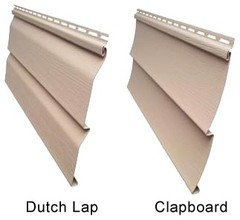
Main differences: clapboard siding vs dutch lap
Appearance
- Clapboard offers a flat, streamlined look that reads as simple and elegant.
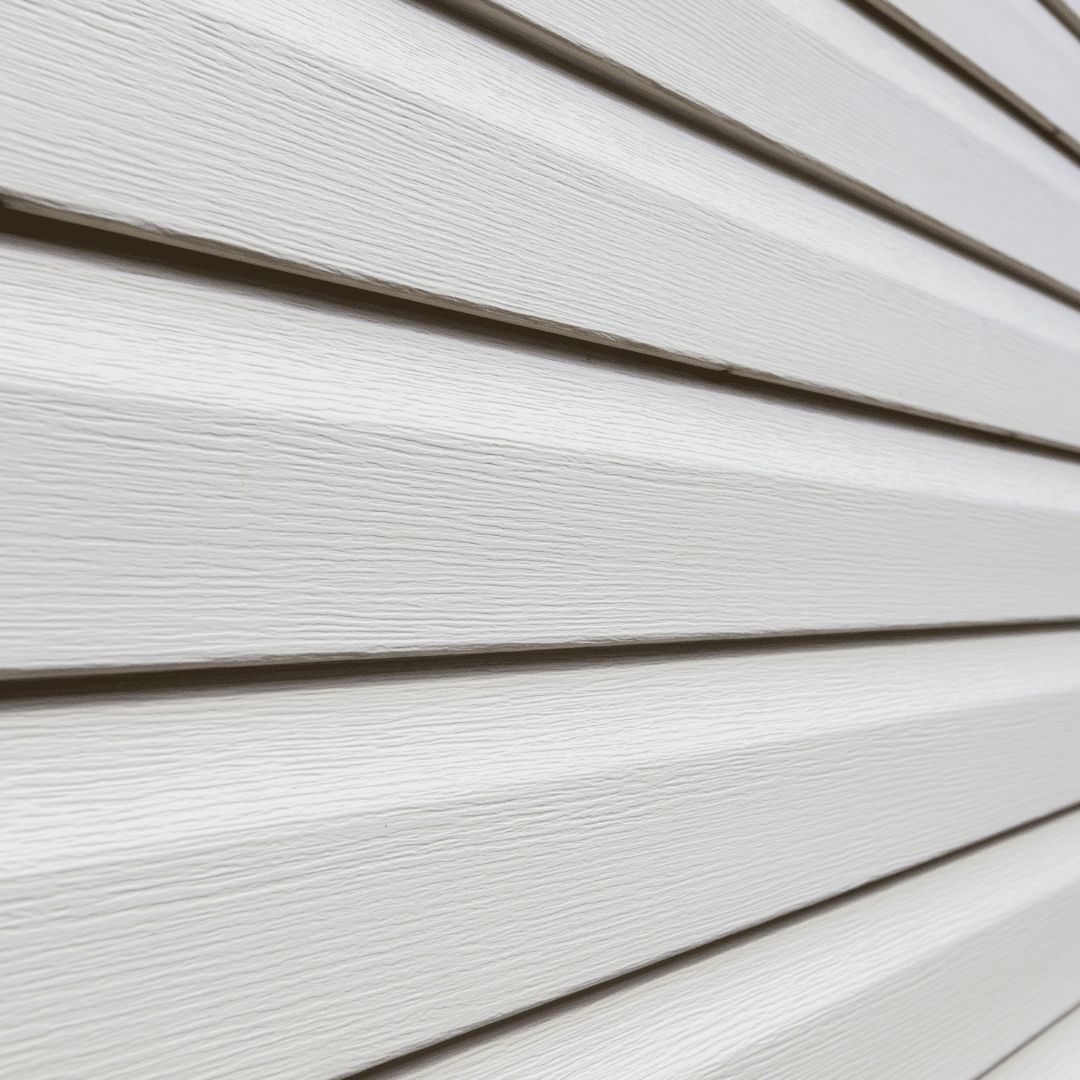
- Dutch lap provides a shadow line that adds depth and visual interest.
- The shadow from Dutch lap often looks bolder from a distance.
Profile and cut
- Clapboard boards are straight or tapered with a plain top edge.
- Dutch lap boards have a notch or bevel at the top to create the lap effect.
- The cut changes how water sheds and how paint wears.
Installation and fit
- Clapboard installation is straightforward with a constant overlap.
- Dutch lap requires careful alignment so the groove is even across the wall.
- Both need flashing at openings and proper nailing for wind resistance.
Materials and finishes
- Both profiles are offered in wood, fiber cement, engineered wood, and vinyl.
- Material choice affects cost, maintenance needs, and lifespan more than profile.
- Paint and stain hold differently on flat clapboard vs grooved Dutch lap.
Durability and weather
- Both profiles shed water when installed correctly.
- Dutch lap’s groove can trap small amounts of water or dirt if not detailed well.
- Proper flashing, caulking, and overhangs are key for both.
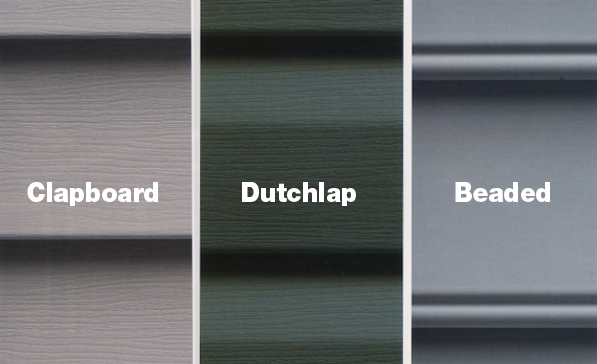
Pros and cons of clapboard siding vs dutch lap
Clapboard pros
- Clean, simple look that suits many styles.
- Easier to paint and refinish on flat surfaces.
- Often slightly quicker to install.
Clapboard cons
- Less visual texture; may seem plain on large facades.
- Tapered boards can split if left untreated.
Dutch lap pros
- Strong shadow line that adds curb appeal.
- Traditional, historic charm that suits cottages and craftsman homes.
- The groove can help mask slight installation irregularities.
Dutch lap cons
- Slightly higher labor if alignment is precise.
- Groove may collect dirt or hold moisture longer in poor installations.
- May cost more in some material lines.
How this affects choice
- Choose clapboard when you want a clean, modern classic look.
- Choose Dutch lap when you want texture and visual depth.
- Consider material and climate before deciding on profile alone.
 consider for clapboard siding vs dutch lap”
style=”max-width: 100%; height: auto; border: 2px solid black; border-radius: 10px; display: block; margin: 0 auto;”
loading=”lazy”
/>
How to choose: factors to consider for clapboard siding vs dutch lap
Style and curb appeal
- Match the siding profile to your home’s architectural style.
- Dutch lap fits historic and cottage styles well.
- Clapboard works for colonial, modern farmhouse, and minimal looks.
Budget and cost
- Material selection affects cost more than profile.
- Vinyl clapboard or Dutch lap lowers cost, while fiber cement raises it.
- Include labor, trim, flashing, and disposal in your budget.
Climate and performance
- In wet climates pick materials with good water resistance.
- Ensure proper flashing, especially for Dutch lap grooves.
- Consider ventilation behind siding for long-term durability.
Maintenance and lifespan
- Wood clapboard needs regular painting and inspections.
- Fiber cement and engineered options cut maintenance needs.
- Vinyl is low maintenance but can warp in high heat.
Local codes and HOA
- Check local codes and HOA rules for allowed profiles and colors.
- Some historic districts prefer one profile over the other.
- Get required approvals before ordering material.
Personal taste and resale
- Pick a profile that appeals to buyers in your market.
- Dutch lap can increase perceived value due to its detail.
- Clapboard can be a safe, broadly liked choice.
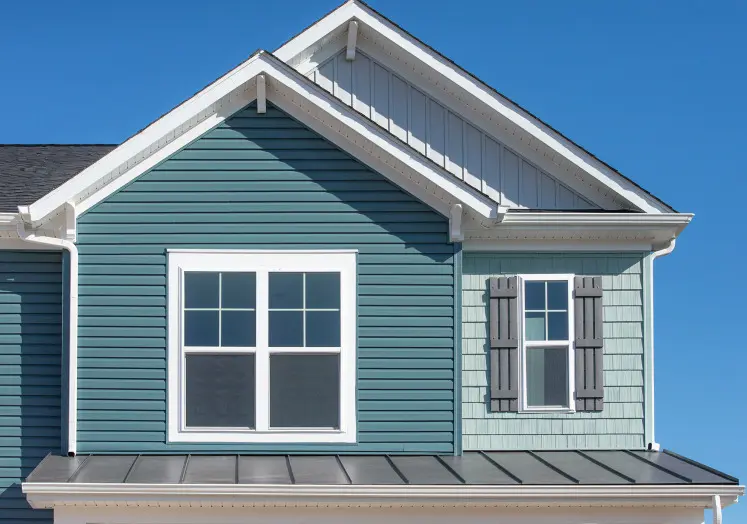
Installation tips, common mistakes, and personal experience
Preparation and layout
- Always use a level line as your starting point.
- Inspect sheathing for rot and add a weather barrier.
- Use corrosion-resistant nails and follow manufacturer spacing.
Common mistakes
- Overdriving nails causes loose boards and paint failure.
- Skipping flashing around windows leads to leaks.
- Ignoring acclimation of boards causes warping after install.
My on-site lessons
- I once installed Dutch lap without an initial chalk line. The grooves drifted. We removed a row and re-laid to fix it. That cost a full day but taught me to prep thoroughly.
- For clapboard, I learned to prime cut ends immediately. Untreated cuts soak up moisture and rot faster.
- I now recommend fiber cement Dutch lap when the client wants low care with a deep profile.
Practical tips
- Use continuous flashing under each trim element.
- Stagger joints for a natural look.
- Maintain 1/8 to 1/4 inch gap at corners for expansion.
Cost comparison and expected lifespan
Typical cost factors
- Material type: wood, fiber cement, engineered wood, vinyl.
- Labor: profile complexity affects time and precision.
- Prep work: sheathing repair, insulation, and fascia.
Estimated price ranges
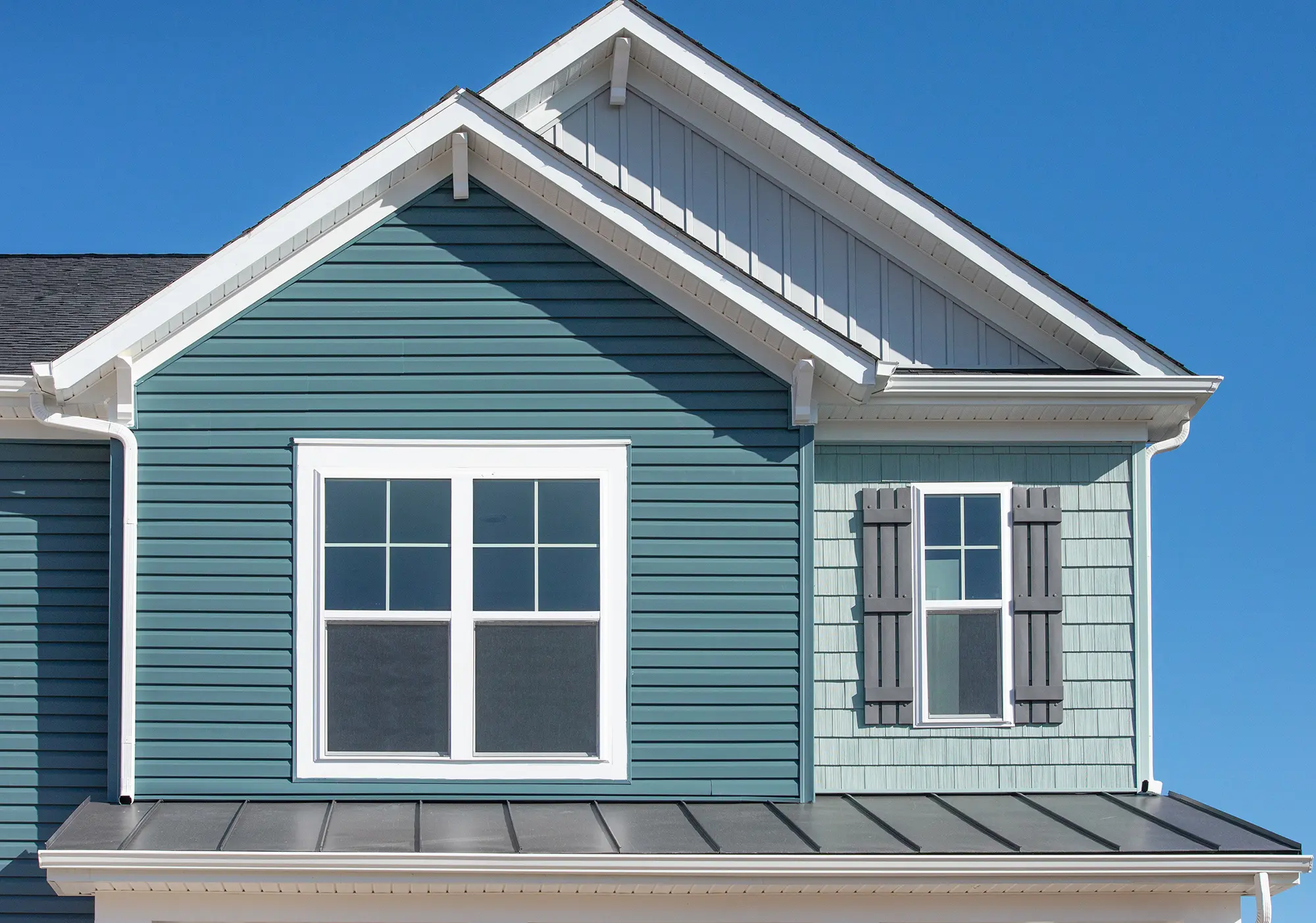
- Vinyl clapboard or Dutch lap: low to mid range.
- Engineered wood: mid range with better aesthetics.
- Fiber cement: higher upfront cost but long life.
Lifespan by material
- Wood: 20 to 40 years with good care.
- Fiber cement: 30 to 50 years, low maintenance.
- Vinyl: 20 to 30 years; may fade or warp.
Value note
- Dutch lap can increase perceived value for its detail.
- Fiber cement has strong long-term ROI due to durability.
- Consider lifetime cost, not just upfront price.
Energy efficiency and weather performance
Insulation and air sealing
- Siding profile has minor impact on thermal performance.
- Insulation and continuous air barrier behind siding matter most.
- Adding rigid foam behind siding improves R-value.
Wind, rain, and freeze-thaw
- Proper nailing and flashing are key for wind resistance.
- Dutch lap’s groove must be detailed to avoid water entry.
- Both profiles perform well if installed per best practices.
Mold and moisture control
- Ensure drainage plane and flashing to reduce mold risk.
- Avoid tight seals that trap moisture behind boards.
- Good ventilation and drip edges help longevity.
Design ideas and real-world examples
Curb-appeal combos
- White clapboard with dark shutters for a classic look.
- Painted Dutch lap in soft gray with white trim for cottage charm.
- Two-tone: clapboard on upper stories and Dutch lap below to add depth.
Trim and accents
- Use wider corner boards with clapboard to frame the facade.
- Add window headers that tie into Dutch lap shadow lines.
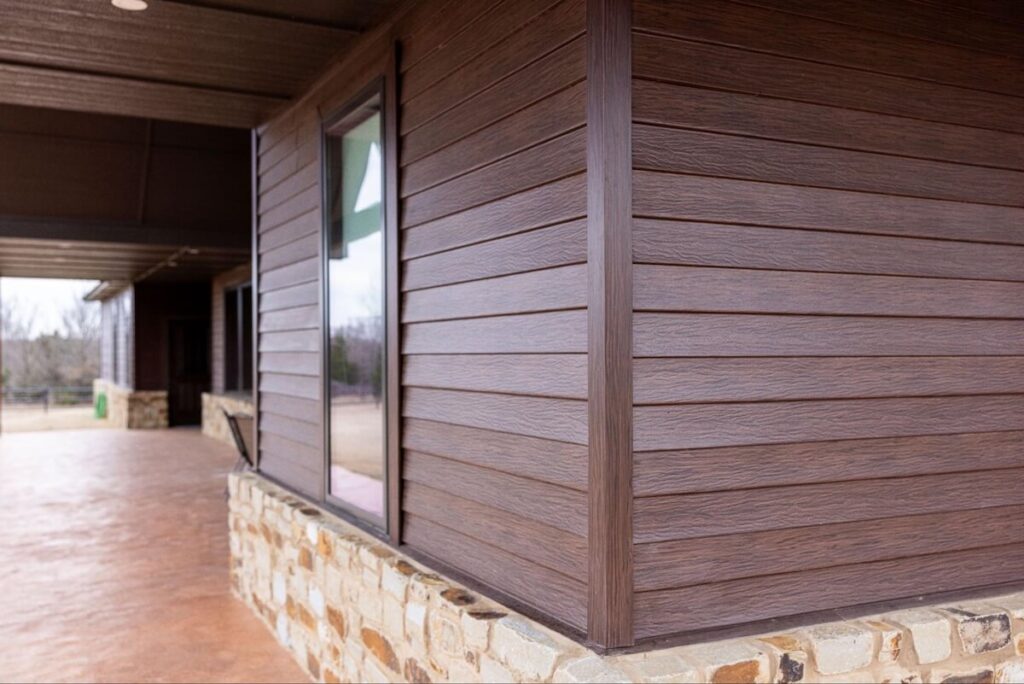
- Mix materials: stone base with clapboard or Dutch lap above.
My favorite projects
- A lakeside home with fiber cement Dutch lap kept a crisp look for years.
- A city townhouse with painted clapboard gave a clean, modern face on a budget.
- Both projects taught me that color and trim often matter more than profile to curb appeal.
PAA-style questions (short answers)
What is the main visual difference between clapboard and Dutch lap?
- The main visual difference is the groove or recessed top edge in Dutch lap that creates a shadow line. Clapboard is flat and simpler.
Which profile is easier to paint and maintain?
- Clapboard is slightly easier because the flat face is simpler to sand and paint. Dutch lap needs attention in the groove during repainting.
Does material matter more than profile for durability?
- Yes. Material choice (wood, fiber cement, vinyl) affects durability more than whether you choose clapboard or Dutch lap.
Can you mix clapboard and Dutch lap on one house?
- Yes. Designers often use both to create contrast. Use similar materials and consistent trim to unify the look.
Is installation skill more important for Dutch lap?
- Slightly. Dutch lap needs careful alignment to keep the groove consistent, so precise installation matters more.
Frequently Asked Questions of clapboard siding vs dutch lap
What is the difference between clapboard siding and Dutch lap?
Clapboard has a flat face and overlaps straight across. Dutch lap has a beveled or recessed top edge that creates a shadow line. The profiles change the look but not the basic function.
Which lasts longer, clapboard or Dutch lap?
Lifespan depends mostly on material rather than profile. Fiber cement versions of either last the longest, while wood needs more care. Proper installation and maintenance matter most.
Is Dutch lap harder to keep clean than clapboard?
Slightly. The groove in Dutch lap can trap dirt if not cleaned periodically. Regular washing and proper flashing reduce buildup.
Can I install clapboard or Dutch lap over existing siding?
In many cases yes, but check local codes and the condition of the substrate. You may need furring strips or an inspection to ensure proper attachment and drainage.
Which adds more value to a home, clapboard or Dutch lap?
Dutch lap often adds perceived value due to its detailed shadow lines. However, material quality and overall design choices usually have a larger impact on resale.
Conclusion
Choosing between clapboard siding vs dutch lap comes down to style preference, material choice, and installation quality. Clapboard gives clean, timeless lines. Dutch lap adds depth and charm. Prioritize good materials, proper flashing, and skilled installation to protect your investment. If you want low maintenance, pick fiber cement; if you want classic wood warmth, choose quality wood and plan for upkeep. Take action by measuring your home, talking to a trusted installer, and ordering samples to see how each profile looks in real light. Leave a comment with your house style, and I can suggest which profile will work best for you.