
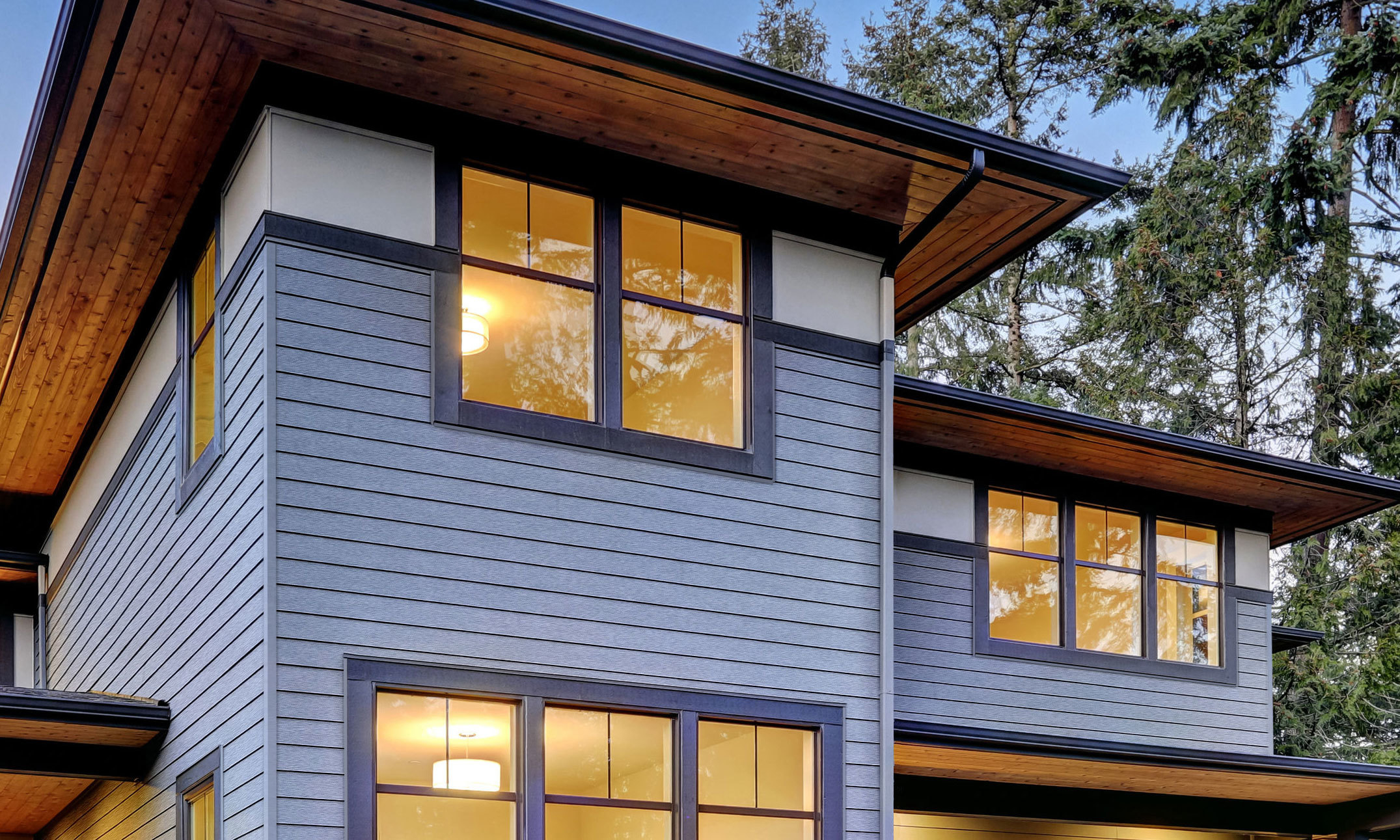
Fiber cement and engineered wood are the most reliable, cheap alternative to vinyl siding.
I have spent years helping homeowners pick siding that fits tight budgets and long-term goals. This guide explains cheap alternative to vinyl siding options, real costs, pros and cons, and hands-on tips I learned from projects and contractor work. Read on to choose the best low-cost siding for your home with confidence.
Why choose a cheap alternative to vinyl siding?
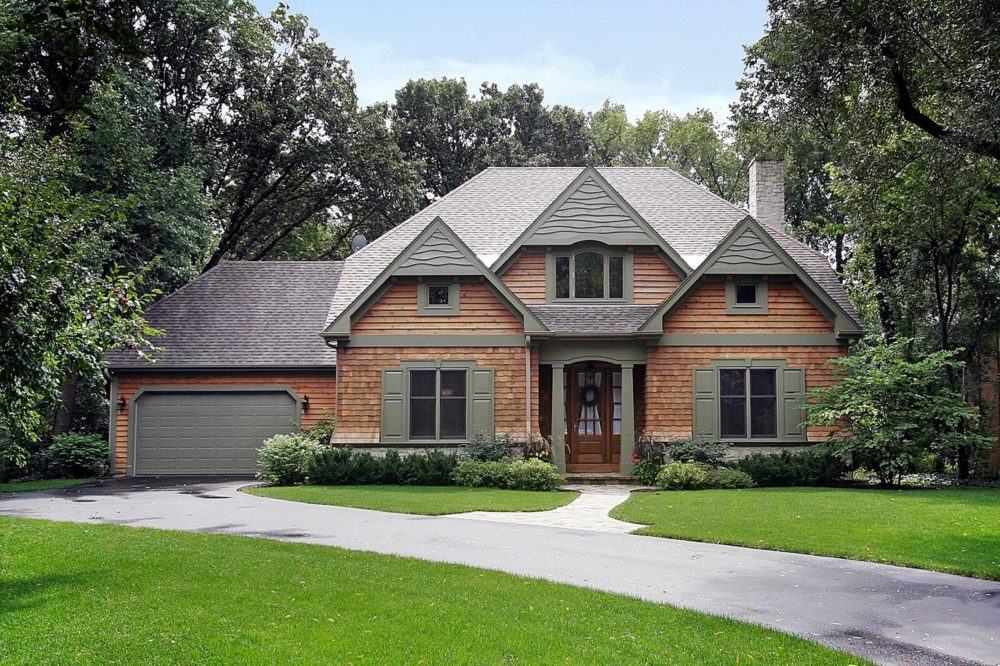
Many homeowners look for a cheap alternative to vinyl siding to save money without sacrificing curb appeal. Vinyl may be affordable up front, but alternatives can offer better durability, paintability, or a more natural look. I will walk you through realistic options, cost ranges, and common trade-offs so you can make an informed choice.

Top cheap alternatives to vinyl siding
Below are practical material options that often cost less than high-end vinyl or perform better for similar price points. Each option lists pros, cons, and rough cost ranges per square foot.
Fiber cement
Fiber cement is a mix of cement, sand, and cellulose fibers. It mimics wood grain and holds paint well.
- Pros: Fire resistant, insect resistant, holds paint, low warping.
- Cons: Heavy, needs proper cutting and dust control, labor cost can be higher.
- Typical cost: 3 to 8 USD per sq ft for materials. Installed cost varies by region.
Fiber cement is one of the best cheap alternative to vinyl siding choices when durability matters.
Engineered wood
Engineered wood is plywood or OSB treated and layered to resist moisture. It looks like real wood without the same rot issues.
- Pros: Good price, paintable, natural look, easier to cut.
- Cons: Needs good flashing and trim, can swell if not installed right.
- Typical cost: 2 to 6 USD per sq ft for materials.
For homeowners who want a cheap alternative to vinyl siding that accepts paint, engineered wood is reliable.
Metal siding (aluminum or steel)
Thin metal panels can be very affordable and modern looking.
- Pros: Durable, fire resistant, low maintenance, recyclable.
- Cons: Can dent, may show seams, insulation needed for noise.
- Typical cost: 3 to 7 USD per sq ft for materials.
Metal can be a cheap alternative to vinyl siding if you want long life and low upkeep.
T1-11 plywood siding
T1-11 is grooved plywood that gives a rustic or cottage look. It is simple and low cost.
- Pros: Economical, quick to install, accepts paint or stain.
- Cons: Needs sealing and maintenance, not ideal in very wet climates.
- Typical cost: 1.50 to 4 USD per sq ft for materials.
T1-11 is an honest cheap alternative to vinyl siding for budget builds or sheds.
Stucco and synthetic stucco (EIFS)
Traditional stucco can be cost effective on the right framing and climate.
- Pros: Solid wall appearance, good insulation when combined with sheathing.
- Cons: Cracks in freeze-thaw climates, needs skilled labor.
- Typical cost: 4 to 9 USD per sq ft installed.
Stucco can be a cheap alternative to vinyl siding in dry, mild climates where labor is available.
Painted masonry or block
If your home has a masonry base, painting or thin-coating can be cheaper than new siding.
- Pros: Long lasting, low maintenance, solid feel.
- Cons: Requires quality surface prep and periodic repaint.
- Typical cost: 1 to 5 USD per sq ft for paint and prep.
Using existing materials is often the most budget friendly cheap alternative to vinyl siding.
:max_bytes(150000):strip_icc()/back-patio-and-fireplace-166268403-76f3af6adaa04fc0be227469364a38c0.jpg)
Cost comparison and budget planning
Compare material and installation costs to pick the best cheap alternative to vinyl siding for your budget.
- Estimate your wall area in square feet. Typical homes need 1,500 to 2,500 sq ft of siding.
- Get at least three quotes. Labor often outweighs material cost.
- Factor in trim, flashing, windows, and disposal fees.
Example budget ranges for a 2,000 sq ft home: - T1-11 plywood: 3,000 to 8,000 USD installed.
- Engineered wood: 4,000 to 10,000 USD installed.
- Fiber cement: 6,000 to 16,000 USD installed.
These numbers help show why people search for a cheap alternative to vinyl siding when price and value matter.

Installation tips and common mistakes
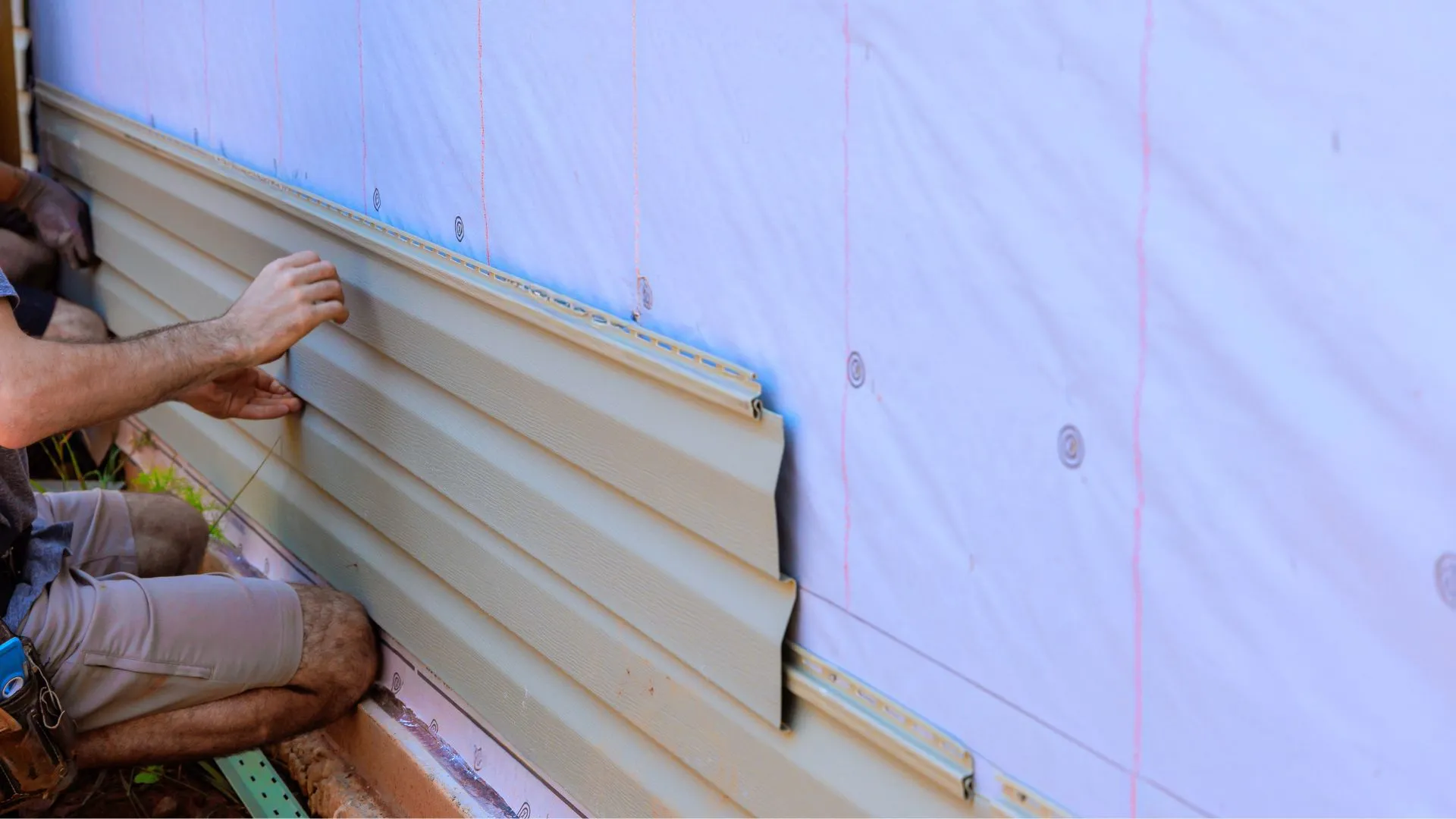
Good installation makes a cheap alternative to vinyl siding hold up for decades. Here are practical steps and pitfalls.
- Prep the walls. Fix water issues and rot before siding goes up.
- Use proper flashing. Windows and doors need sealed joints.
- Follow manufacturer spacing and fastener guides.
- Avoid cutting treated panels without dust control for fiber cement.
Common mistakes to avoid: - Skipping a weather barrier
- Rushing nailing or screwing patterns
- Painting without priming engineered wood
From my experience on two full-house replatings, the prep stage took the longest but saved money later.

Maintenance, durability, and lifespan
Different cheap alternative to vinyl siding options require different care.
- Fiber cement: 30 to 50 years with repainting every 10 to 15 years.
- Engineered wood: 15 to 30 years with regular paint and sealed joints.
- Metal: 30+ years if dents are managed and coating kept intact.
- T1-11: 10 to 20 years depending on climate and maintenance.
Simple maintenance tips: - Inspect seams yearly for gaps or water entry.
- Repaint every 8 to 15 years depending on sun exposure.
- Replace damaged boards early to prevent rot.
I once delayed repainting and had to replace 200 square feet of siding. Budget for regular checks to avoid surprise costs.
:max_bytes(150000):strip_icc()/back-patio-and-fireplace-166268403-76f3af6adaa04fc0be227469364a38c0.jpg)
Environmental and energy considerations
Choosing a cheap alternative to vinyl siding can also support greener choices.
- Fiber cement uses mineral materials but has higher embodied energy in manufacturing.
- Engineered wood uses less energy than fiber cement and can be sourced from managed forests.
- Metal siding is highly recyclable.
- Adding continuous exterior insulation under siding improves energy efficiency.
If a low environmental impact matters, weigh material sourcing, lifespan, and recyclability when picking a cheap alternative to vinyl siding.
How to choose the best cheap alternative to vinyl siding for your home
Use this checklist to decide:
- Budget range and financing options.
- Local climate and exposure to moisture.
- Desired look and paint options.
- Longevity vs. short term savings.
- Availability of skilled installers locally.
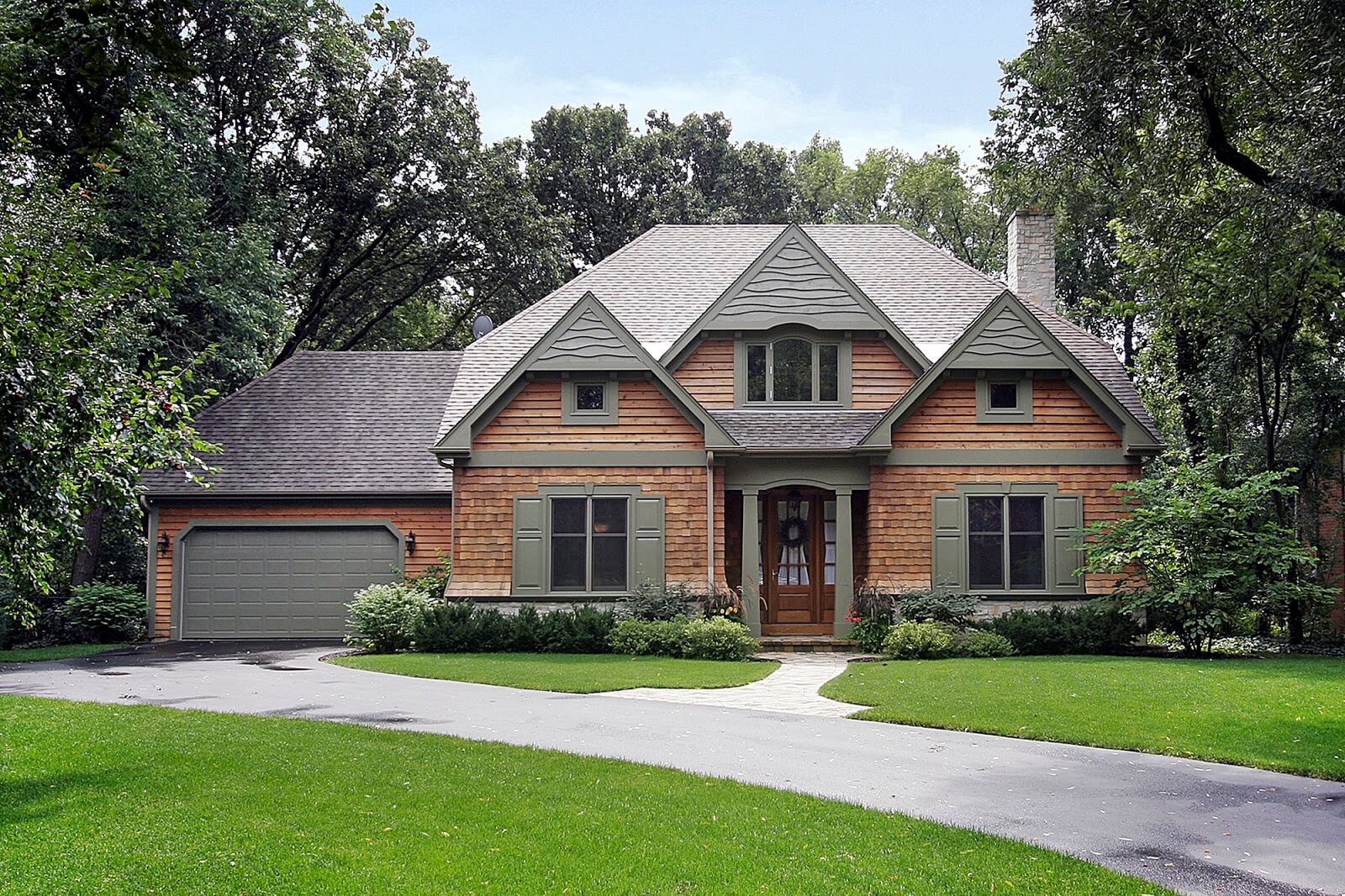
Match choices to goals. If you want low maintenance and a natural look, choose fiber cement or metal. If initial cost is the primary constraint, T1-11 or painted block can be smart choices. I recommend getting samples and walking the neighborhood to see real installations before deciding.
Common questions people ask
What is the most durable cheap alternative to vinyl siding?
Fiber cement and metal are often the most durable cheap alternative to vinyl siding, offering long lifespans with moderate maintenance.
Can I install engineered wood myself?
DIY installation of engineered wood is possible, but you must follow flashing and paint guidelines to avoid moisture issues.
Is T1-11 good in rainy climates?
T1-11 can work in rainy climates only if you supply excellent flashing, drainage, and frequent maintenance.
Will replacing vinyl with another material raise home value?
Replacing vinyl with higher-quality materials like fiber cement or properly installed metal can improve curb appeal and resale value.
How much can I save by choosing a cheaper material?
Savings vary by material and labor rates. Choosing a low-cost material can cut initial spend by 10 to 50 percent compared to mid-range vinyl options.
Frequently Asked Questions of cheap alternative to vinyl siding
What is a budget friendly alternative to vinyl siding?
Engineered wood and T1-11 plywood are common budget friendly alternatives to vinyl siding because material costs are low and installation is straightforward.
How long do cheap alternatives to vinyl siding last?
Lifespan varies widely. T1-11 may last 10 to 20 years. Engineered wood can last 15 to 30 years. Fiber cement and metal often last 30 years or more.
Are there energy benefits to alternatives?
Yes. Adding insulation under siding or choosing insulated metal panels can boost energy efficiency and lower heating bills.
Can I paint engineered wood after installation?
Yes. Painting engineered wood is recommended to protect it. Use a high quality primer and exterior paint.
Which alternative resists moisture best?
Fiber cement and metal resist moisture best. Engineered wood and T1-11 need careful sealing and flashing to avoid swelling and rot.
Is fiber cement noisy in rain?
It can be louder than vinyl. Adding insulation behind panels reduces noise and improves thermal performance.
Do cheap alternatives require permits?
Permits depend on local codes and the scope of work. Replacing siding typically needs a permit if structural changes or sheathing replacement occur.
Conclusion
Choosing a cheap alternative to vinyl siding comes down to balancing upfront cost, durability, and maintenance. Engineered wood and T1-11 work well for tight budgets, while fiber cement and metal offer longer life and lower long-term costs. Prioritize wall prep, proper flashing, and realistic budgets to avoid future repair bills. Take one step today: measure your walls, gather three local quotes, and request material samples. If you found this helpful, leave a comment with your house style or subscribe for more hands-on siding tips.