
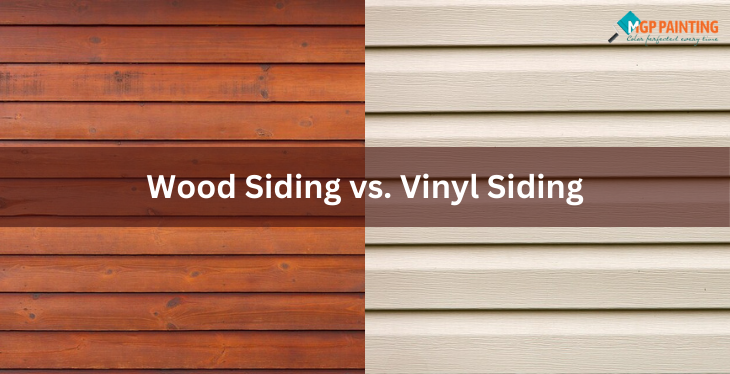
Clapboard siding gives a timeless wood look, while vinyl siding wins on cost and low upkeep.
I have worked on home exteriors for years and helped many homeowners choose between clapboard siding vs vinyl siding. This guide compares materials, costs, upkeep, lifespan, and real-life trade-offs so you can pick the right siding with confidence. Read on for clear facts, practical tips, and lessons from hands-on projects.

What are clapboard siding and vinyl siding?
Clapboard siding is long, narrow wood boards installed horizontally. It is often made from cedar, pine, or engineered wood and offers a classic look.
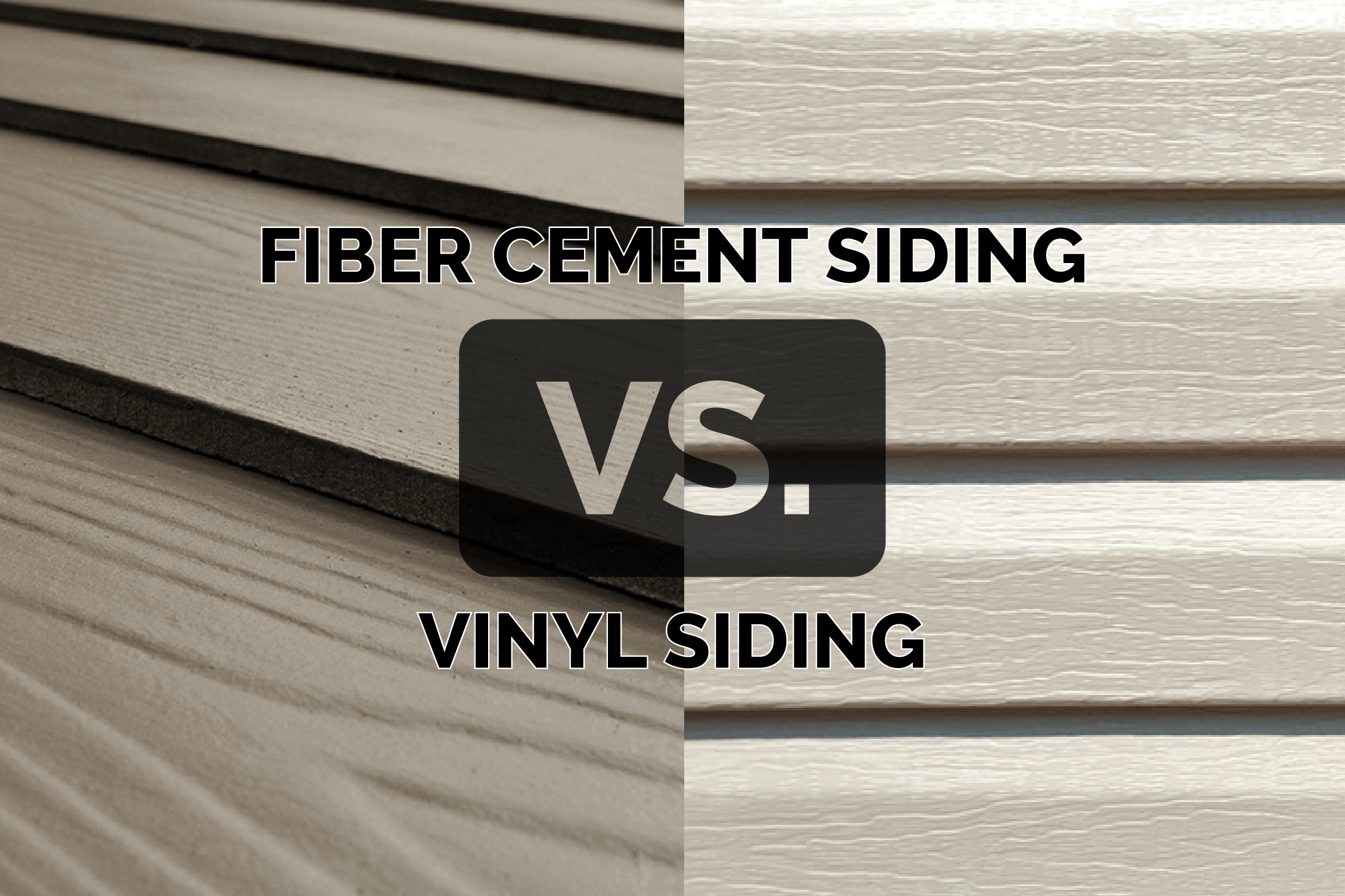
Vinyl siding is a plastic product made from PVC formed into overlapping panels. It is lightweight, low cost, and made to mimic wood grain.
This section sets the foundation for a fair clapboard siding vs vinyl siding comparison. It covers origin, common uses, and basic pros and cons to help you understand each choice.
Clapboard siding vs vinyl siding: side-by-side comparison
Use this quick list to compare key factors. Each point helps you weigh clapboard siding vs vinyl siding for your home.
- Appearance
- Clapboard siding: authentic wood texture and depth. It ages with a natural patina.
- Vinyl siding: consistent look and many colors. It can mimic wood but lacks real grain.
- Cost
- Clapboard siding: higher material and labor cost up front.
- Vinyl siding: lower initial cost and cheaper installation.
- Maintenance
- Clapboard siding: needs painting or staining every 5–15 years and inspections for rot.
- Vinyl siding: needs periodic washing and occasional panel replacement.
- Durability
- Clapboard siding: can last 50+ years with care but is vulnerable to moisture and insects.
- Vinyl siding: resists rot and insects but can crack, warp, or fade over decades.
- Repair
- Clapboard siding: individual boards can be replaced or refinished.
- Vinyl siding: damaged panels are swapped; matching decades-old colors can be hard.
- Energy and insulation
- Clapboard siding: needs added insulation to improve R-value.
- Vinyl siding: often sold with foam-backed options to boost insulation.
- Resale and style fit
- Clapboard siding: favored on historic and high-end homes for curb appeal.
- Vinyl siding: practical choice for budget-focused and low-maintenance buyers.
Which lasts longer, clapboard siding or vinyl siding?
Clapboard siding can last longer when well maintained, often 50 years or more. Vinyl siding tends to last 20–40 years depending on climate and quality.
Is vinyl cheaper than clapboard?
Yes, vinyl is usually cheaper to buy and install. Long-term costs can vary based on maintenance, repairs, and replacement cycles.

Cost and long-term value
Initial cost and lifecycle value matter for most homeowners. Here are clear numbers and factors to consider.
- Typical cost range
- Clapboard siding: higher per square foot due to wood and labor.
- Vinyl siding: lower per square foot and faster to install.
- Hidden costs
- Clapboard siding: painting, sealing, and pest protection add to cost.
- Vinyl siding: occasional panel replacement and possible increased cooling costs if heat traps behind panels.
- Return on investment
– Clapboard siding often gives stronger curb appeal and may increase resale value more.- Vinyl siding delivers fast savings and low short-term cost, which may suit tight budgets.
From projects I managed, clients who chose clapboard often budgeted more for upkeep but saw better curb appeal. Vinyl buyers saved up front and accepted periodic updates.
Durability and maintenance
This section explains what to expect year to year for both materials and how to avoid common problems.
- Weather resistance
- Clapboard siding: can resist wind and impact if installed correctly and flashed well.
- Vinyl siding: resists rot and insects but can crack in hail or warp in high heat.
- Maintenance tasks
- Clapboard siding: inspect for rot, repaint or stain regularly, caulk seams.
- Vinyl siding: power-wash every few years and check for loose panels.
- Common failures
- Clapboard siding: water infiltration and insect damage are main risks.
- Vinyl siding: UV fading, brittle cracking, and blow-off in strong winds.
A practical tip from my fieldwork: install proper flashing and a rain screen whether you pick clapboard siding vs vinyl siding. Good moisture control is the best way to extend life.
Installation, repair, and skill required
Installation quality affects longevity more than the material itself. Here’s what to know about labor and repairs.
- Skill level
- Clapboard siding: needs skilled carpentry, a precise fit, and flashing details.
- Vinyl siding: easier to install but still needs correct nailing and trim work.
- Time and disruption
- Clapboard siding: longer installation time and more cleanup.
- Vinyl siding: faster and less intrusive on a daily household routine.
- Repair steps
- Clapboard siding: replace damaged boards, treat exposed wood, repaint.
- Vinyl siding: remove and snap in new panels; check sheathing beneath for damage.
From my experience, poor installation looks cheap and causes issues fast. The choice between clapboard siding vs vinyl siding should include a vetted contractor estimate.

Energy efficiency and insulation
Siding can affect comfort and bills when combined with proper layers.
- R-value basics
- Raw clapboard and vinyl have low R-values. Added layers matter more.
- Insulated options
- Clapboard siding: add rigid foam or insulated sheathing for better thermal performance.
- Vinyl siding: available with foam backer to improve R-value and reduce air leaks.
- Air sealing
- Proper house wrap, sealing, and trim work reduce drafts for both types.
I once removed old siding and added a 1-inch foam layer under new siding. The house felt warmer and the heating bill dropped. Small upgrades can pay off.
Environmental impact and sustainability
Think about the planet as well as the pocketbook.
- Material footprint
- Clapboard siding: wood is renewable if sourced responsibly; it stores carbon.
- Vinyl siding: made from PVC, which is fossil-fuel based and harder to recycle.
- Durability vs waste
- Long-lived clapboard reduces replacement waste if well cared for.
- Vinyl panels that are discarded create plastic waste unless recycled.
- End-of-life
- Wood can be reclaimed or burned for energy; vinyl recycling is limited but improving.
If sustainability matters to you, weigh sourcing and lifecycle. My tip: ask suppliers about certified wood and vinyl recycling options before you buy.
How to choose: decision guide and practical tips
Use this checklist to make a clear decision between clapboard siding vs vinyl siding.
- Ask about budget
- If you need low up-front cost, vinyl often wins.
- If you can invest and want classic curb appeal, clapboard makes sense.
- Think about style and neighborhood
- Match historic homes with clapboard for authenticity.
- Use vinyl on simple homes or rental properties for savings.
- Factor in maintenance willingness
- Choose clapboard if you enjoy upkeep or can hire a painter.
- Choose vinyl if you want minimal chores.
- Check climate fit
- In wet, humid climates, proper flashing and ventilation are critical for clapboard.
- In very hot climates, choose high-UV vinyl with warranty.
- Warranty and contractor
- Review manufacturer warranties and confirm contractor experience.
- Get multiple bids and inspect past work.
Personal lessons learned
- Don’t skip the moisture barrier. It saves a lot of repair work.
- Get color samples under your home’s light. What looks right in a store can look different on site.
- Budget for paint or cleaning every few years if you choose clapboard siding vs vinyl siding.
Frequently Asked Questions of clapboard siding vs vinyl siding
What is the main difference between clapboard siding vs vinyl siding?
The main difference is material: clapboard is real wood while vinyl is plastic. Wood offers authentic appearance and can be refinished; vinyl is low-cost and needs less frequent upkeep.
Which siding is better for cold climates?
Both can work in cold climates if installed with proper insulation and a good moisture barrier. Vinyl may become brittle in extreme cold, while wood needs maintenance to prevent water damage.
Can vinyl siding look like clapboard siding?
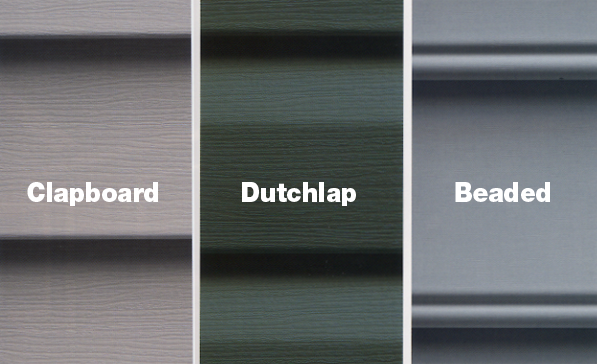
Yes, modern vinyl profiles mimic clapboard textures and reveal lines. Vinyl still lacks the depth and feel of real wood when inspected closely.
How often does clapboard need repainting?
Clapboard typically needs repainting or restaining every 5 to 15 years depending on exposure and paint quality. Regular checks for peeling and rot help avoid costly repairs.
Is clapboard siding worth the extra cost?
Clapboard can be worth it for its curb appeal and longevity when maintained. If the historic look or resale value matters, the added cost may pay off.
Can I install siding myself or should I hire a pro?
Vinyl is more DIY-friendly but still requires skill for trim and flashing. Clapboard usually needs a skilled carpenter for best results and warranty compliance.
Does vinyl siding increase home insurance?
Not usually; insurance rates hinge on overall home risk. Some insurers note vinyl’s wind or hail vulnerability, so check policy details with your provider.
Conclusion
Clapboard siding vs vinyl siding is a trade-off between classic beauty and low-cost practicality. Clapboard wins for authentic charm and potential resale value, while vinyl wins for upfront savings and low daily upkeep. Use the decision guide and checklist above to match your budget, style, and climate. If you want tailored advice, get local contractor quotes and ask to see finished projects. Leave a comment with your project details or subscribe for more home exterior tips.