

Measure each wall, subtract windows/doors, then divide net square feet by panel coverage.
I’ve measured dozens of homes and helped homeowners and contractors know exactly how to calculate siding. This guide breaks the process into clear steps, shows examples, explains waste and trim, and gives cost tips so you can order the right amount of siding with confidence. You’ll get practical checks, real mistakes I’ve made, and simple math you can use right away.
Why accurate siding calculations matter
Getting siding counts right saves money and time. Ordering too little stalls a project and drives up costs. Ordering too much ties up cash and creates waste.
Accurate math also helps you compare materials and bids. When you know how to calculate siding, you can spot errors in contractor estimates. You can also avoid last-minute trips to the supply yard and mismatched color batches.
Types of siding and coverage basics
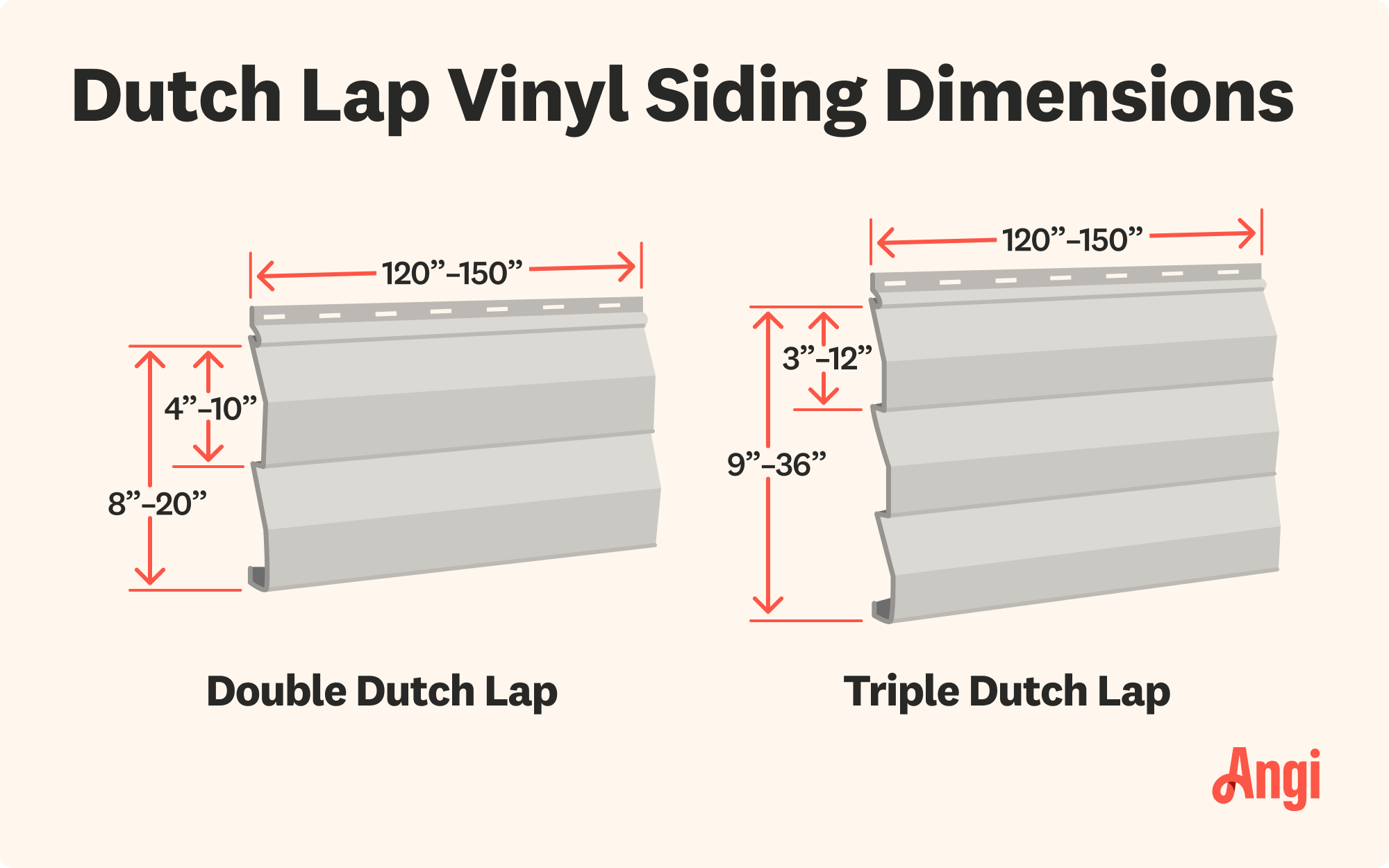
Vinyl siding, fiber cement, wood lap, shingles, and metal each cover panels differently. Most manufacturers list coverage per piece and exposure per linear foot.
Common rules of thumb:
- One siding square equals 100 square feet of wall area.
- Manufacturer coverage tells how many linear feet or pieces cover 100 square feet.
- Clapboard or lap siding uses exposure—the visible height of each board—to calculate pieces.
Knowing material coverage is essential to accurately calculate siding for your walls.

Step-by-step: How to calculate siding
Follow these steps to calculate siding for any house. I use simple math I learned on real jobs.
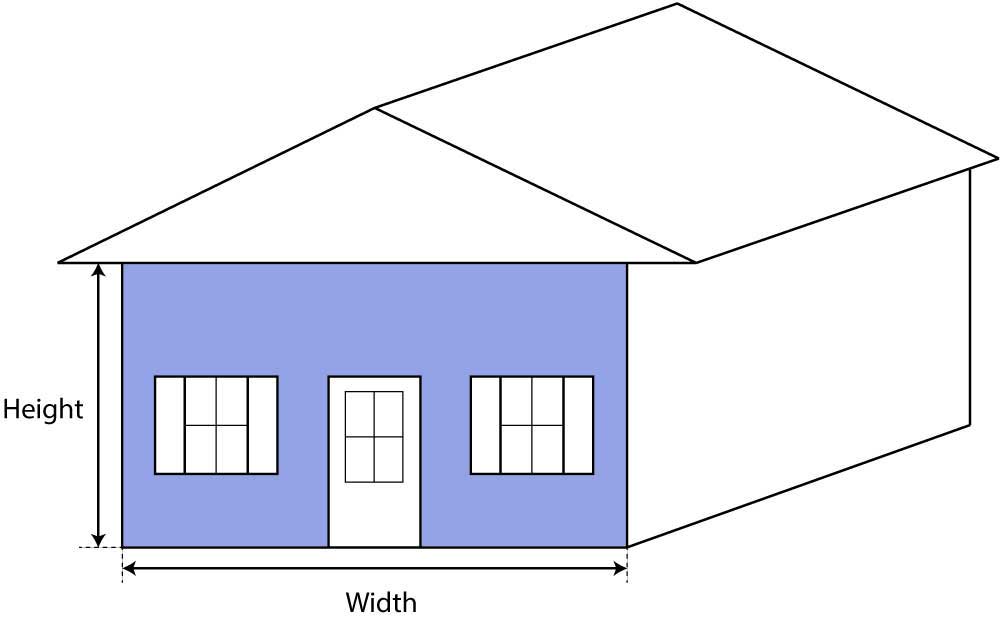
- Measure each wall
- Measure width and height of each wall in feet.
- Multiply width × height to get wall square feet.
- Add all wall areas
- Sum each wall’s square feet for total gross area.
- Subtract openings
- Measure windows and doors.
- Subtract window and door areas from the total.
- Convert to siding squares
- Divide net square feet by 100 to get siding squares.
- Account for material coverage
- Check the product’s coverage per piece or per square.
- Convert siding squares to number of panels, boards, or bundles.
- Add waste and trim
- Add a waste allowance (typically 5–15%).
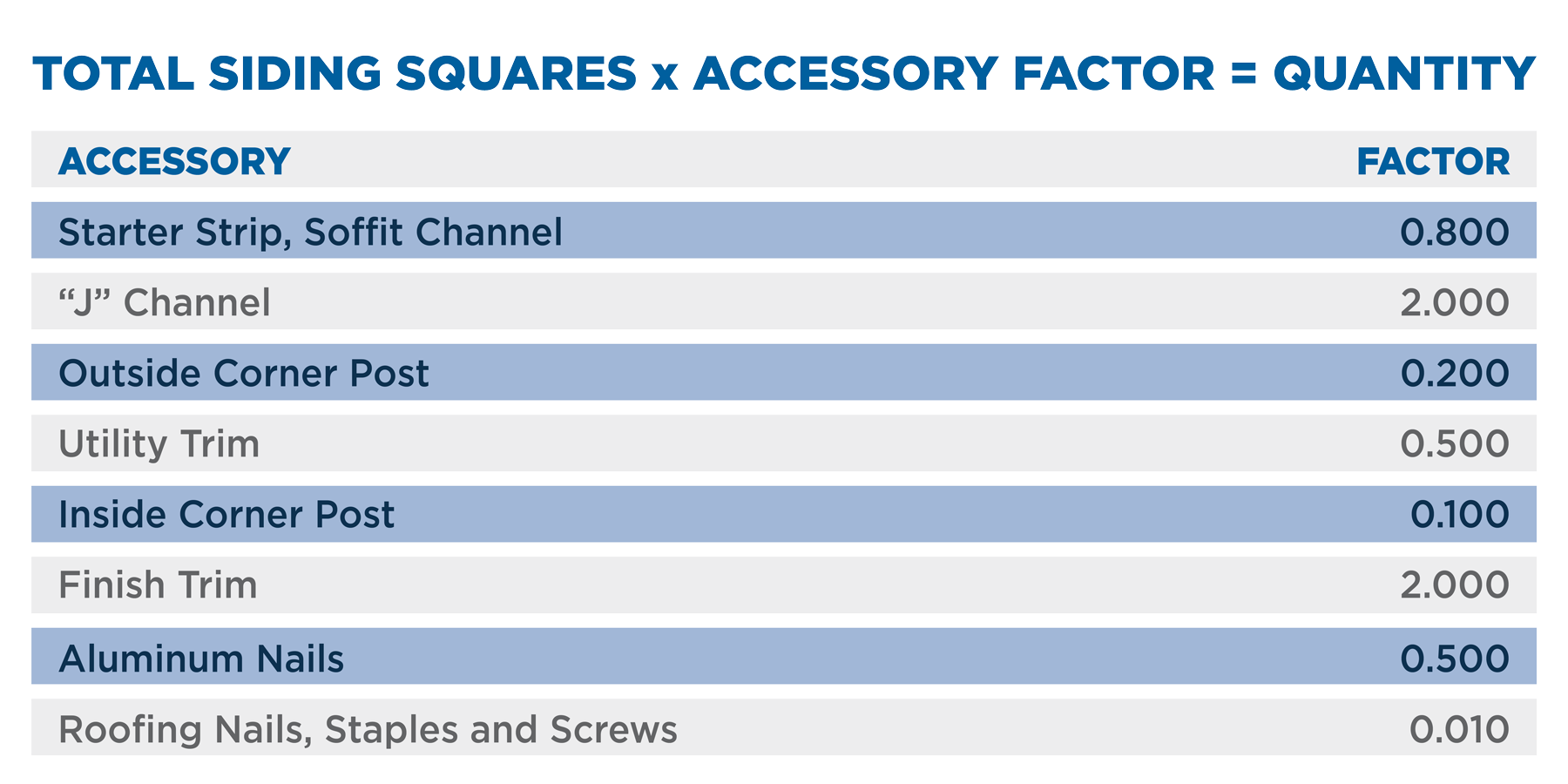
- Add material for corners, starter strips, J-channel, and trims.
Example calculation:
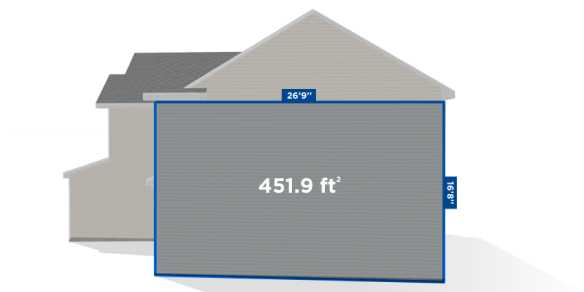
- Front wall 30 ft wide × 10 ft high = 300 sq ft.
- Back wall 30 × 10 = 300 sq ft. Two side walls 20 × 10 = 200 sq ft each, total 400 sq ft.
- Gross area = 300 + 300 + 400 = 1,000 sq ft.
- Subtract two doors (20 sq ft) and six windows (6 × 15 = 90) = 110 sq ft.
- Net area = 1,000 − 110 = 890 sq ft.
- Siding squares = 890 / 100 = 8.9 squares.
- If the product sells by the square, order 9 squares plus 10% waste = 9.9 → round up to 10.
Source: tdhomepro.com
PAA-style questions
- How much siding do I need for 2500 sq ft of house?
Multiply the net wall area (not the heated area) by 1 and divide by 100. For a 2,500 sq ft gross wall area, you have 25 siding squares before removing openings and adding waste. - Does roof area equal siding area?
No. Siding covers vertical wall surfaces. Roof square footage is separate and should not be used to calculate siding.
Estimating waste, trim, and accessories
Waste depends on material and complexity. Simple rectangular walls need less waste. Irregular shapes, many corners, and wall cuts require more.
Typical allowances:
- Vinyl siding: 5–10% waste for straight runs.
- Fiber cement or wood shingles: 10–15% waste due to cutting and breakage.
- Trim and accessories to include:
- Corner posts and J-channel lengths
- Starter strip linear feet
- Window and door trim pieces
- Soffit and fascia if replacing
Tip from experience: I once under-ordered trim by only one corner post and waited three days for a special color. Adding a small buffer for trim avoids project delays.
Cost estimation: How to calculate siding cost
To estimate cost, multiply the number of siding squares or pieces by unit price and add labor. Keep line items separate to compare quotes.
Steps:
- Calculate net siding squares or pieces.
- Multiply by material unit cost per square or per piece.
- Add trim and accessory costs from supplier pricing.
- Add labor: many contractors charge per square or per hour.
- Add contingency of 5–10% for unexpected costs.
Example: If siding costs $80 per square and you need 10 squares, material = $800. Add trim $200 and labor $1,200 for total $2,200. Always verify local labor rates and permit fees.
Tools, tips, and common mistakes
Tools to have:
- Tape measure (25–50 ft)
- Laser distance meter for large walls
- Calculator or spreadsheet
- Notepad or digital photo records
Tips I use on jobs:
- Measure twice. Measure from fixed corners and confirm.
- Photograph walls and mark measurements on photos.
- Check manufacturer coverage guides for your chosen siding before ordering.
Common mistakes:
- Using heated floor area instead of wall area.
- Forgetting to subtract window and door openings.
- Ignoring exposure specifications for lap siding.
- Not ordering extra material from the same color lot.
From my experience, small measurement errors add up fast. A single mis-read measurement can cost a whole extra square. Always double-check and have a second set of eyes if possible.
Frequently Asked Questions of how to calculate siding
How do I measure wall area for siding?
Measure each wall’s width and height in feet, then multiply width × height. Add all walls together and subtract openings like windows and doors.
What is a siding square?
A siding square equals 100 square feet of wall coverage. Contractors and suppliers often price siding by the square.
How much extra siding should I order for waste?
Order 5–10% extra for vinyl and 10–15% for fiber cement or wood. Increase waste for irregular shapes or many cuts.
Do I include gables and soffits when calculating siding?
Yes, include gables if you plan to cover them with the same siding. Soffits and fascia are separate and should be measured if replacing.
Can I use a siding calculator online?
Yes. Online siding calculators speed the math but always verify inputs and check manufacturer coverage numbers before ordering.
How does siding exposure affect calculations?
Exposure is the visible height of each lap or board. It determines how many pieces you need per square foot. Use the exposure number from the manufacturer for precise counts.
Should I hire a pro to calculate siding?
If you are unsure or your house has complex features, hire a pro for an accurate takeaway and to avoid costly mistakes. A pro can also advise on material choices and installation best practices.
Conclusion
You can confidently estimate siding by measuring wall areas, subtracting openings, checking manufacturer coverage, and adding waste and trim. Start with careful measurements and use the simple steps here to avoid costly errors. Take action: measure your walls this weekend, run the numbers using the steps above, and compare quotes with the exact siding squares and trim list you calculated. If you have questions or want a quick review of your numbers, leave a comment or share your measurements for feedback.