
Mix a mild bleach or oxygen-based cleaner, scrub gently, rinse, and prevent regrowth.
I’ve cleaned siding on dozens of homes and fixed common mistakes. This guide shows safe, step-by-step methods for how to clean algae off siding on vinyl, wood, brick, and fiber cement. You’ll get tools, exact mixes, prevention tips, and real-world advice so you can remove algae without harming your house or plants.

Why algae forms on siding and why it matters
Algae are tiny plants that thrive in damp shade. They feed on moisture, dirt, and organic film that collects on siding. Algae look green, black, or gray and can make siding slippery. They can also trap moisture and, over time, harm finishes and paint.
Knowing why algae grows makes cleaning easier. Removing algae keeps your home looking good. It also prevents long-term damage and mold growth. If you want to know how to clean algae off siding well, start by addressing the cause.

Safety and preparation before cleaning
Safety comes first. Algae cleaning often uses bleach or cleaners. Wear eye protection, long sleeves, gloves, and a mask for powder cleaners. Protect plants and grass with plastic sheeting and wet them before cleaning to dilute runoff.
Test a small, hidden area first. This checks colorfastness and material reaction. Work from the ground up when possible. For two-story homes, use stable ladders or hire a pro. Always read cleaner labels and follow dilution instructions carefully.

Tools and cleaners that work best
Choose the right tools and cleaners for how to clean algae off siding safely and effectively.
Tools
- Soft bristle brush or deck brush with long handle for sweeping.
- Garden sprayer or pump sprayer for applying cleaning solution.
- Low-pressure power washer (if needed) with 25–40 degree nozzle.
- Ladder, safety gear, and plastic sheeting to protect plants.
Cleaners and mixes
- Chlorine bleach mix: 1 part household bleach to 3–4 parts water plus a splash of liquid detergent. Good for vinyl and many painted surfaces.
- Oxygen bleach (sodium percarbonate): Follow package directions. Safer for plants and colored surfaces.
- White vinegar: 1:1 vinegar and water for light stains on wood and fiber cement.
- Commercial siding/mildew cleaners: Use as directed for tough stains.
Notes on chemistry
- Bleach kills algae quickly but can fade paint and harm plants if not rinsed.
- Oxygen bleach is gentler and breaks down into oxygen and water.
- Avoid mixing bleach and ammonia. That creates toxic gas.

Source: amazon.com
Step-by-step methods for how to clean algae off siding
Here are safe methods. Pick the one that suits your siding type and stain level.
Method 1 — Soft wash with bleach solution (vinyl and painted siding)
- Wet nearby plants and cover them with plastic. Keep windows closed.
- Mix 1 part bleach to 3–4 parts water. Add a tablespoon of dish soap per gallon.
- Apply solution with a pump sprayer from bottom up to soak algae.
- Let sit 5–10 minutes but don’t let it dry.
- Agitate with a soft brush gently along the grain or seams.
- Rinse thoroughly from top down with a hose or low-pressure washer.
Method 2 — Oxygen bleach for gentler cleaning (wood, painted, and colored surfaces)
- Follow product directions to dissolve oxygen bleach in warm water.
- Apply with a pump sprayer and let sit 10–15 minutes.
- Scrub lightly with a soft brush.
- Rinse well. Oxygen bleach is safer for plants and paint.
Method 3 — Vinegar for light or spot cleaning
- Mix equal parts white vinegar and water.
- Spray the area and wait 10 minutes.
- Scrub and rinse. Vinegar is best for small patches or delicate surfaces.
Method 4 — Pressure washing (use with caution)
- Use a low-pressure setting. Keep nozzle 2–3 feet from siding.
- Use a wide-angle nozzle (25–40 degree).
- Test a small area first. High pressure can strip paint and force water under siding.
- If algae persists, combine gentle washing with a cleaning solution first.
Which method to pick
- Use bleach mix for heavy, stubborn algae on vinyl or masonry.
- Use oxygen bleach or vinegar for wood, older paint, or sensitive colors.
- Use pressure washing only when needed and at low pressure.

Source: youtube.com
Personal experience: lessons learned and mistakes to avoid
I once used a high-pressure washer on older wood siding. The result was stripped paint and trapped water under boards. After that I switched to soft washing for most jobs. Here are a few tips I learned the hard way.
Practical tips
- Always dilute chemicals correctly. Stronger is not always better.
- Keep chemicals off plants. Rinse plants immediately if they get hit.
- Work in cool, overcast weather to prevent cleaner from drying too fast.
- Start at the top of the wall and work down when rinsing.
Common mistakes
- Using high pressure on fragile surfaces.
- Letting a bleach solution dry on the siding.
- Skipping a test patch.

Source: pjfitz.com
Preventing algae from coming back
Preventing algae is as important as cleaning. Make small changes to reduce moisture and shade.
Easy prevention steps
- Trim trees and shrubs to increase sun and airflow.
- Clean gutters to stop overflow and splashing on siding.
- Rinse siding seasonally to remove dirt and organic film.
- Install zinc or copper strips near the roofline; metal ions slow algae growth.
- Repaint or seal siding with mildewcide-containing paints if practical.
Behavioral tips
- Rinse or clean after long wet seasons.
- Inspect shaded areas twice a year.
Limitations
- Zinc or copper strips slow growth but do not prevent it completely.
- Paint failures may need full repair rather than cleaning.

Source: youtube.com
Maintenance schedule and time/cost estimates
Plan simple upkeep to reduce heavy cleanings later.
Basic schedule
- Light rinse and visual check: every 3–4 months in wet climates.
- Soft wash with oxygen bleach: once a year for most homes.
- Bleach clean for heavy stains: every 1–2 years if algae returns.
Time and cost estimates
- DIY spot cleaning takes 15–60 minutes per area.
- A full-house DIY soft wash may take 3–6 hours.
- Professional cleaning ranges widely, often $200–$700 depending on size and difficulty.
Budget tips
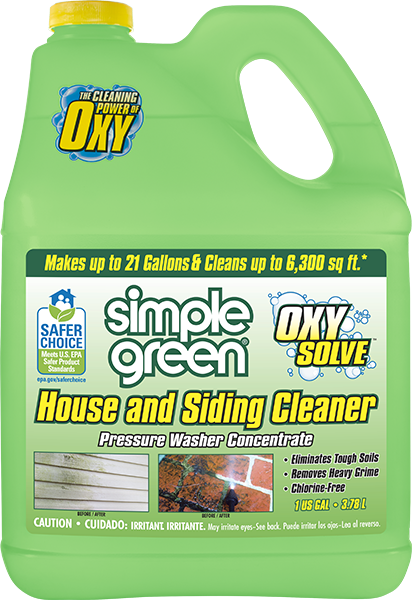
- Oxygen bleach is affordable and safer for plants.
- Rent a pump sprayer rather than buying one for one-time jobs.
Source: simplegreen.com
Troubleshooting and dealing with stubborn stains
If algae stains persist, try these fixes.
Stubborn green or black marks
- Repeat an oxygen bleach treatment. Let it work longer.
- Use a small brush on stubborn lines. Don’t sand painted surfaces.
Color fade or bleaching
- If paint fades, consider spot priming and repainting.
- Always test cleaners on a hidden area first.
Wood rot or deep damage
- Cleaning will not fix rot. Replace damaged boards and treat the cavity.
- After repair, prime and paint or seal the new wood.
When to call a pro
- Two-story homes without safe access.
- Extensive rot or roofing issues.
- When algae grows under siding or into insulation.

Source: youtube.com
People also ask
How long does it take to remove algae from siding?
Most small areas take 10–30 minutes. A full house clean takes several hours. Time depends on solution strength, siding type, and severity.
Is bleach safe for all types of siding?
No. Bleach is safe for many vinyl and masonry surfaces when diluted, but it can harm painted wood and some finishes. Test first and rinse carefully.
Can I use a pressure washer on vinyl siding?
Yes, if you use low pressure and a wide nozzle from several feet away. High pressure can force water behind siding and damage finishes.
Frequently Asked Questions of how to clean algae off siding
What is the safest cleaner for siding with algae?
Oxygen bleach is the safest common choice. It’s effective and breaks down into water and oxygen, which reduces harm to plants and finishes.
Will vinegar remove algae from vinyl siding?
Vinegar can remove light algae and mildew. It’s best for spot cleaning and small areas, not heavy infestations.
Can I mix bleach with other cleaners to speed up results?
Never mix bleach with ammonia or cleaners that contain ammonia. Mixing can create toxic gases. Stick to labeled mixes or single products.
How soon can I rinse plants after an accidental splash?
Rinse plants immediately with clear water and keep them moist for a few days. Most plants recover if rinsed quickly.
How often should I clean siding to prevent algae?
In wet, shaded climates, clean annually or every 6–12 months for best prevention. Lighter cleaning or rinsing quarterly helps too.
Conclusion
You can remove algae safely and keep it from coming back by using the right method for your siding. Start with a test patch, use gentle cleaners when possible, and protect plants and finishes. Regular checks and light maintenance make future cleaning easier and cheaper. Try a small DIY test this weekend or schedule a soft wash if you prefer a pro. Leave a comment with your siding type and I’ll suggest a tailored method.