
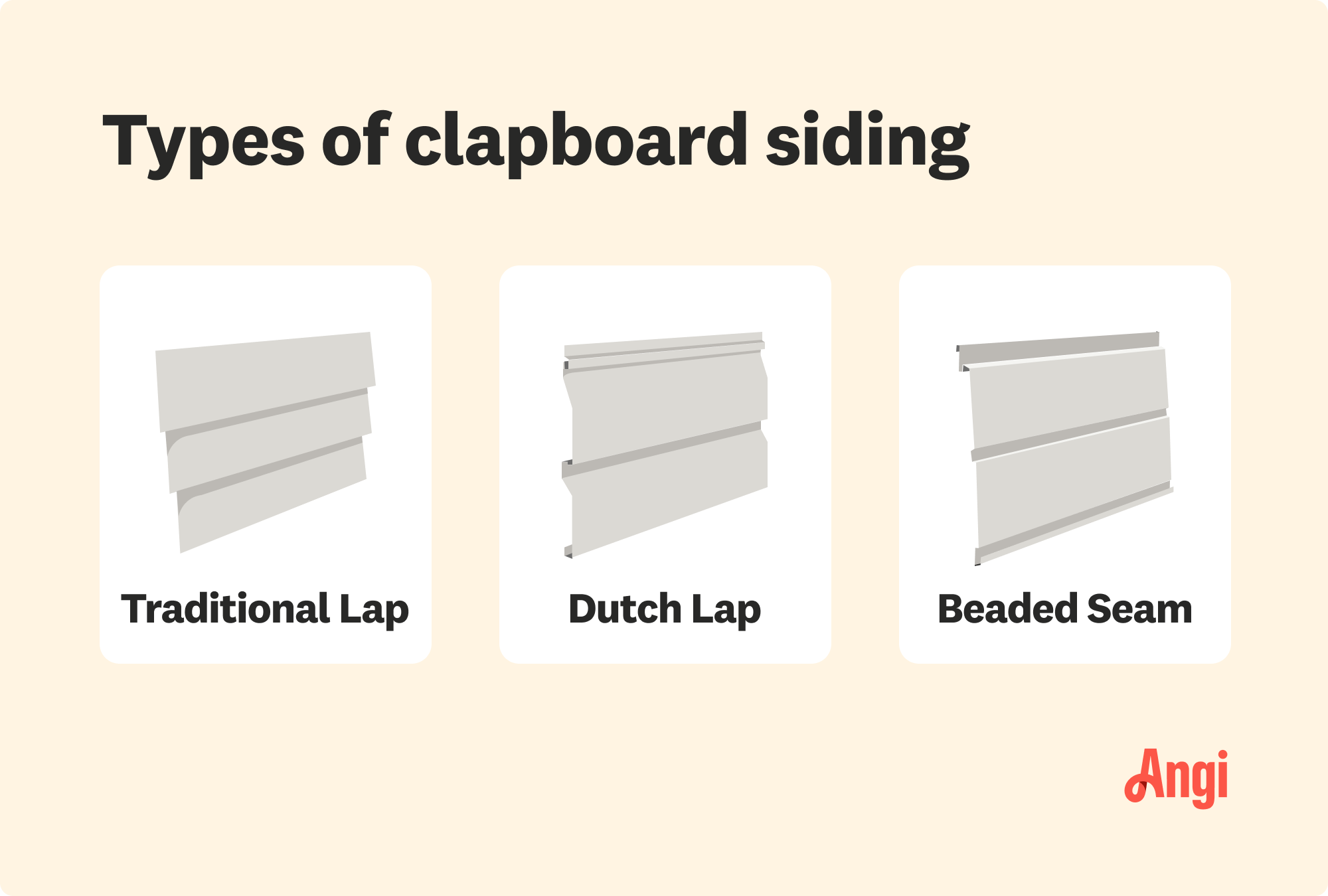
Dutch lap adds shadowed curves; clapboard offers flat, timeless lines and simplicity.
If you are weighing dutch lap vs clapboard vinyl siding, you are choosing between two proven profiles with very different looks. I have guided hundreds of homeowners through this decision. In this guide, I will break down style, cost, performance, and install details so you can pick the right fit with confidence.

What Is Dutch Lap Vinyl Siding?
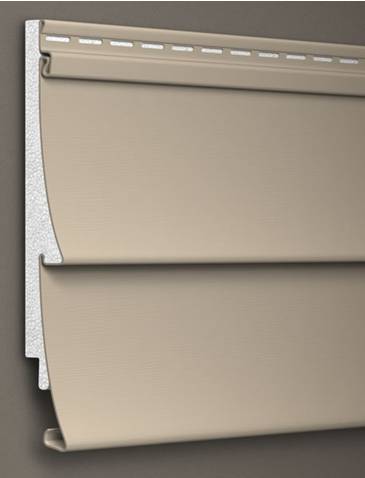
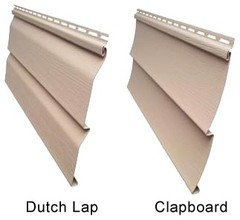
Dutch lap vinyl siding is a horizontal panel with a curved groove near the top of each course. That groove creates a deep shadow line. It adds texture and a hand-crafted feel.
It echoes old-world wood siding made by planers. Many people link it with Colonial or Cape Cod homes. In this dutch lap vs clapboard vinyl siding guide, think of dutch lap as bold and sculpted.
The lock, nailing hem, and starter setup match standard vinyl parts. Most brands offer 4.5-inch and 5-inch exposures. You can get smooth or wood-grain textures.
What Is Clapboard (Traditional) Vinyl Siding?
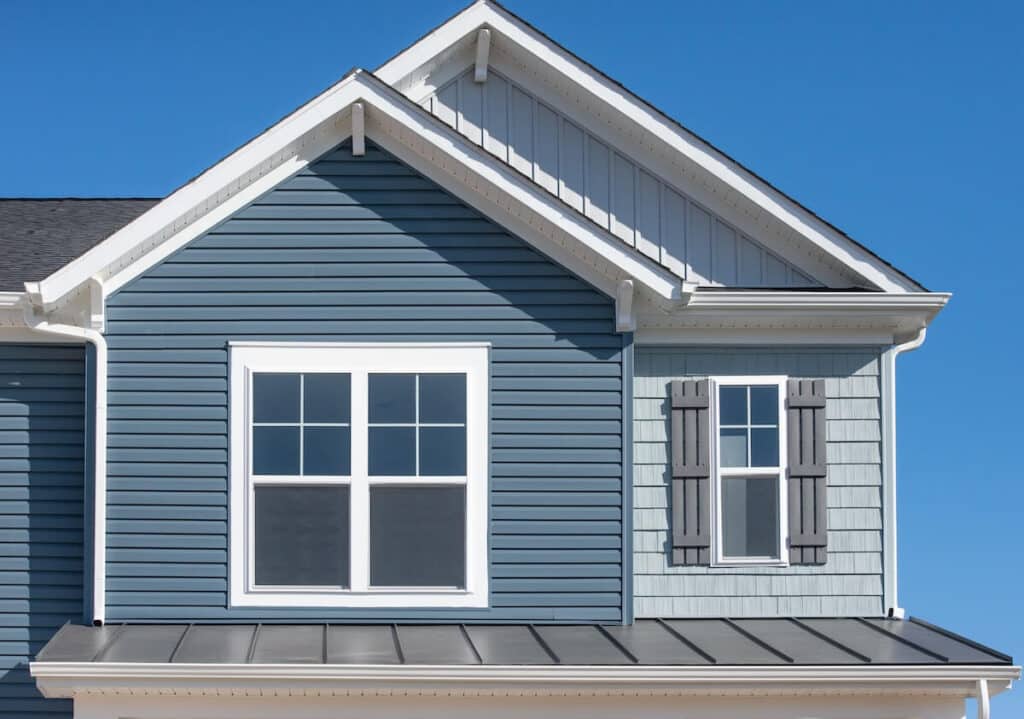
Clapboard vinyl siding is also called straight lap or traditional lap. Each panel has a simple bevel. The face is flatter, so the shadow is softer and clean.
It fits many styles. Farmhouse, Craftsman, and modern lines all work well. In dutch lap vs clapboard vinyl siding debates, clapboard wins for a quiet, classic look.
Clapboard comes in narrow to wide reveals. It pairs well with board and batten, stone, or shingle accents. The simple face can make a small house look longer and sleeker.

Dutch Lap vs Clapboard Vinyl Siding: Key Differences
Profile and shadow
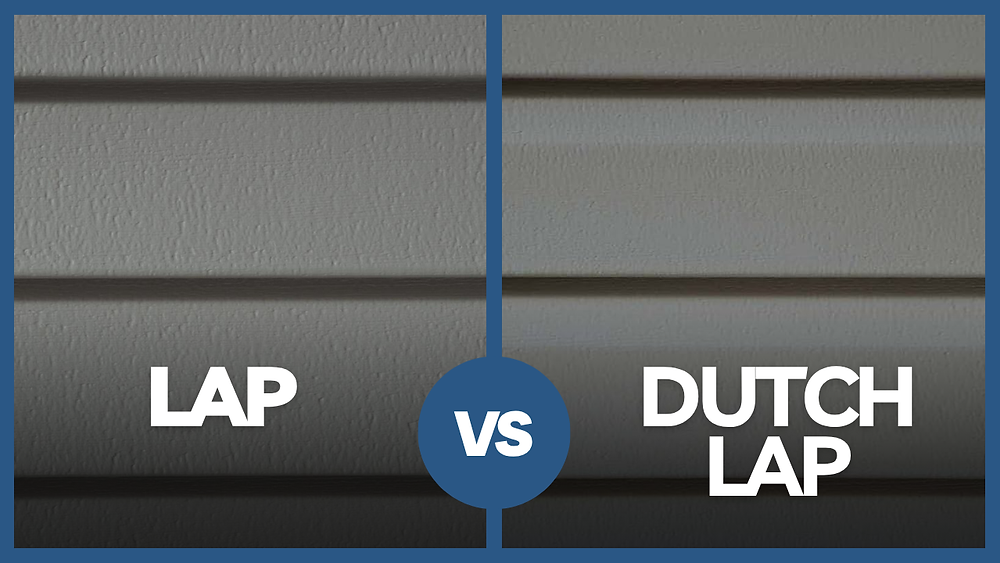
- Dutch lap: Sculpted notch and a stronger shadow line.
- Clapboard: Straight face and a lighter, even shadow.
Style signal
- Dutch lap: Colonial, cottage, and coastal vibes.
- Clapboard: Farmhouse, Craftsman, and modern.
Wall forgiveness
- Dutch lap: Hides minor waves better due to the curve.
- Clapboard: Shows wall plane more, so prep matters.
From a distance, dutch lap can read bolder. Clapboard reads calmer. In dutch lap vs clapboard vinyl siding choices, let your home’s lines guide you.
Cost, Installation, and Maintenance
Cost ranges
- Material: About $2 to $4 per square foot for most profiles.
- Installed: About $4 to $9 per square foot, based on region and crew.
- Insulated versions add $1 to $2 per square foot.
Install notes
- Both profiles install the same way. Start level. Lock, then nail in the slots.
- Do not nail tight. Leave a thin gap for vinyl to move.
- Dutch lap panels can feel a bit stiffer at the notch. That helps spans.
Maintenance
- Wash once or twice a year with mild soap and water.
- Avoid hot pressure washing and harsh solvents.
- Check caulk at penetrations and keep weep holes clear.
In my field work, dutch lap vs clapboard vinyl siding installs take the same time. The crew speed depends more on house shape than on profile.
Performance: Durability, Weather, and Energy
Thickness and wind
- Look for panels around 0.042 to 0.046 inches or thicker.
- Many products list wind ratings from 110 to 160 mph when installed to spec.
Standards and warranty
- Good vinyl meets ASTM D3679. Insulated siding meets ASTM D7251.
- Seek VSI certification and a clear, transferable lifetime warranty.
Fade and heat
- Colors use UV inhibitors and titanium dioxide in the capstock.
- Dark colors can run hotter. Use approved colors for sun-heavy walls.
Energy
- Standard vinyl has little R-value.
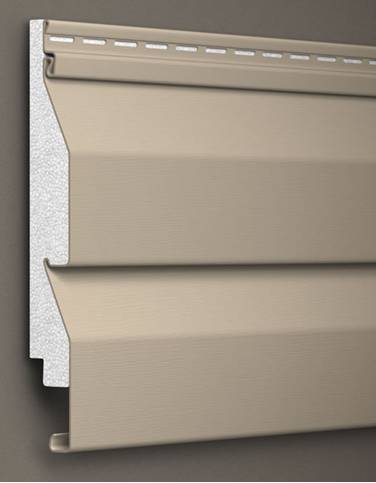
- Insulated vinyl with contoured foam adds about R-2 to R-2.7.
- Air gaps and housewrap still matter for walls to dry.
I have seen both profiles hold up for decades when nailed right and flashed right. In dutch lap vs clapboard vinyl siding, durability comes from quality and install, not the profile alone.
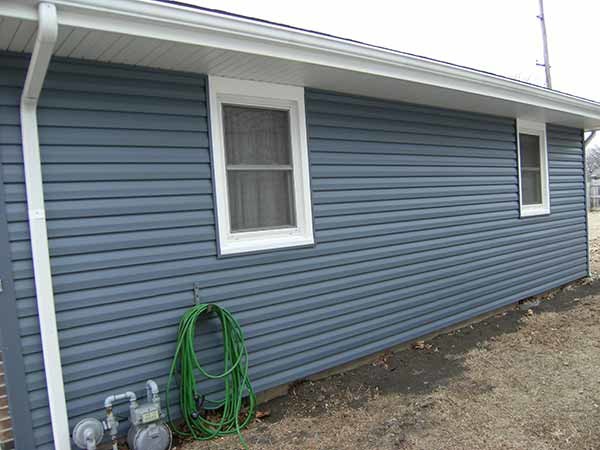
Design and Curb Appeal Considerations
House style
- Dutch lap: Great for Colonial, Cape, and cottage charm.
- Clapboard: Great for Farmhouse, Craftsman, Mid-century, and modern.
Scale and proportion
- Smaller exposures read crisp on small houses.
- Larger exposures make big walls look calm and broad.
Color and texture
- Dutch lap loves mid to light tones that show shadows.
- Clapboard shines in whites, creams, and bold modern colors.
Mixing materials
- Dutch lap pairs with shake in gables for depth.
- Clapboard pairs with stone or brick for contrast.
In many dutch lap vs clapboard vinyl siding makeovers I managed, a simple clapboard on the main body with shake in peaks hit the sweet spot.
When To Choose Each Profile
Pick dutch lap if
- You want stronger character and a historic nod.
- Your sheathing has minor waves you want to hide.
- You like visible texture from the street.
Pick clapboard if
- You want a calm, timeless face.
- Your home skews modern or Craftsman.
- You plan to mix with board and batten or stone.
If you are split on dutch lap vs clapboard vinyl siding, order sample panels. Hold them against the wall in the sun. The shadow tells the truth.

Installation Tips and Common Mistakes
Field tips from my jobs
- Snap a true, level starter line. That first course sets all others.
- Leave 1/32 to 1/16 inch of play at each nail head.
- Stagger seams and keep them off high-view areas.
Avoid these mistakes
- Over-nailing. It locks panels and causes buckles.
- Skipping flashing at windows and doors. Water always wins.
- Ignoring wall prep. Flat planes make flat siding look better.
These hold for both profiles. In dutch lap vs clapboard vinyl siding installs, the craft beats the profile.
Buying Checklist and Specs To Compare
Use this list at the store or with your contractor:
- Panel thickness and wind rating.
- Exposure size and pattern match with trims.
- Capstock quality, color options, and fade warranty terms.
- Accessories: J-channel, corner posts, starter, and vents.
- Warranty transfer rules and claim process.
- For insulated panels, check foam density and fit.
Ask for a mock-up on one wall. In dutch lap vs clapboard vinyl siding decisions, a small test goes a long way.
Environmental Impact and Resale Value
Sustainability
- Vinyl has a long service life and low upkeep.
- Many makers recycle trim and scrap. Ask about take-back programs.
- Proper air and water layers help walls last longer.
Resale
- Fresh siding boosts curb appeal fast.
- Vinyl siding projects often return 60 to 75 percent at resale.
- A clean, coherent look matters more than the specific profile.
I have watched buyers light up at a tidy facade. Whether dutch lap or clapboard, neat lines, clean edges, and smart color sell the home.
Frequently Asked Questions of dutch lap vs clapboard vinyl siding
Is dutch lap stronger than clapboard?
Both profiles can be strong if thickness and locks are equal. Durability depends more on material grade and correct fastening than on profile shape.
Which looks more modern?
Clapboard looks more modern due to its flat face and soft shadow. Pair it with simple trims and a neutral palette for a sleek result.
Does one cost more to install?
Costs are similar for trained crews. Dutch lap can feel stiffer at the notch, but labor time is nearly the same in most jobs.
Which hides wall flaws better?
Dutch lap hides small ripples better thanks to the curved shadow line. For wavy sheathing, that curve can be a real help.
Can I mix both profiles on one house?
Yes, but do it with intent. Use one on the main body and the other in gables or bump-outs, and match trims for a unified look.
Will dark colors warp more?
Dark colors can run hotter in sun and need approved formulas. Choose products rated for dark hues and follow install spacing rules.
What exposure size should I pick?
Smaller homes often look best with 4 to 4.5 inches. Large walls can carry 5 to 7 inches without feeling busy.
Conclusion
Dutch lap brings a bold, historic shadow, while clapboard offers a calm, classic face. The right pick depends on your home’s style, wall prep, and how you want it to read from the curb. Match profile to architecture, then buy the best grade you can.
If you are still on the fence about dutch lap vs clapboard vinyl siding, order color and profile samples and tape them up in sunlight. Walk the street and decide with your eyes. Ready to go deeper? Subscribe for more exterior guides, or leave a comment with your house style and we will weigh in together.