
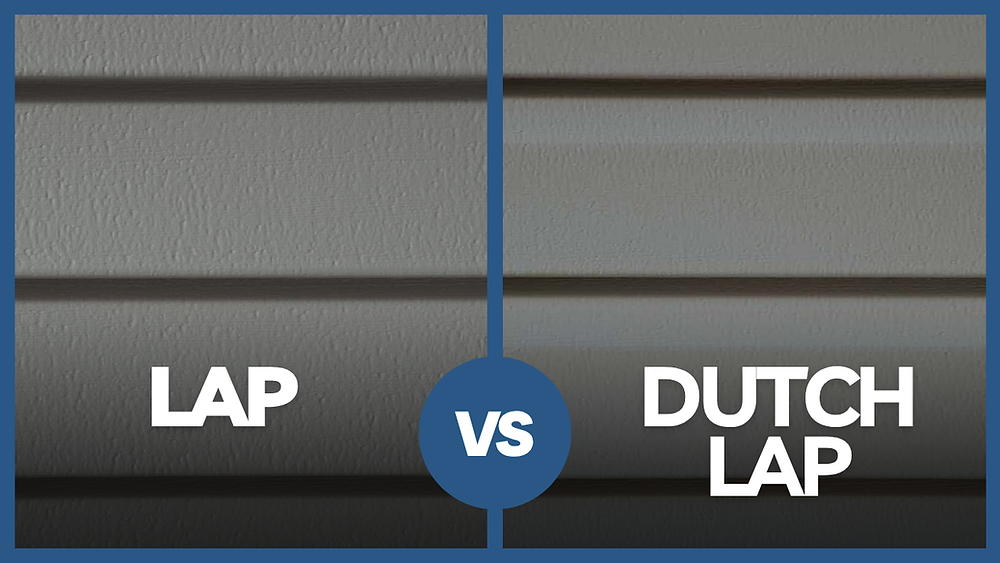
Dutch lap adds shadowed curves for classic depth; straight lap looks flat, modern.
If you want a clear, expert take on dutch lap vs straight lap vinyl siding, you are in the right place. I have installed both styles for years on homes across many climates. In this guide, I break down the look, cost, performance, and best uses. You will see which profile fits your home, your budget, and your style. Read on for a simple path to a smart choice.

What Is Dutch Lap Vinyl Siding?
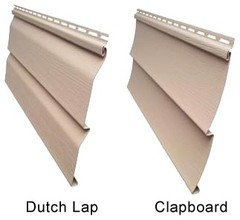
Dutch lap vinyl siding has a coved notch along the top of each plank. That curve makes a crisp shadow line. It gives walls a rich, layered look. The shape also adds a bit of stiffness to each panel.
You will see Dutch lap on many Colonial and Cape homes. It suits classic trim and deep colors. The reveal is often 4.5 to 5 inches. When people ask about dutch lap vs straight lap vinyl siding, they often want that shadow and charm from the street.
Pros:
- Bold shadow lines and depth on flat walls
- Hides minor waves in old sheathing
- Strong visual match for historic styles
Cons:
- A busier look on very modern homes
- Deep shadow can show dust in dry, windy areas
What Is Straight Lap (Clapboard) Vinyl Siding?
Straight lap, also called clapboard, lays flat with clean, even lines. Each course overlaps the one below. The face is smooth or lightly textured. The look is simple and calm.
It fits many styles, from ranch to mid-century to modern. It pairs well with wide, simple trim. If you want a low-key face, straight lap does that well. In the dutch lap vs straight lap vinyl siding choice, this is the sleek option.
Pros:
- Timeless, minimal lines
- Easy to blend with stone, brick, or board and batten
- Reads “new” from the curb on many builds
Cons:
- Less shadow, so walls can look flat in low light
- Can show uneven walls more than Dutch lap

Dutch Lap vs Straight Lap Vinyl Siding: Design and Curb Appeal
Your eye reads shape before color. That is why this choice matters. Dutch lap has curve and shade. Straight lap has line and order. Both can look great, but on the right home.
Choose Dutch lap if:
- You like a classic or coastal look
- You want strong shadows and depth
- Your wall plane is not perfect and needs some visual cover
Choose straight lap if:
- You prefer modern or simple lines
- You want a calm, even face
- You plan to mix in stone, brick, or accents
From my jobs, bright whites pop in straight lap. Deep blues and grays sing in Dutch lap. In the dutch lap vs straight lap vinyl siding debate, walk to the curb and trust how your home feels at 30 feet.

Durability and Weather Performance
Good vinyl resists rot, bugs, and water. Profile shape does not change the core material. Most panels use UV guards in the capstock. Wind ratings are product based, not profile based.
That said, the Dutch lap notch can add panel rigidity. I have seen less oil canning on Dutch lap over rough sheathing. In hail zones, look for thicker panels and impact ratings. In cold zones, allow for expansion gaps and use proper nailing.
Key checks:
- Panel thickness at or above 0.042 inch
- Double nailing hem with strong lock
- Rated wind resistance that meets your local code
- Proper house wrap and flashing at all cuts
Installation, Costs, and ROI
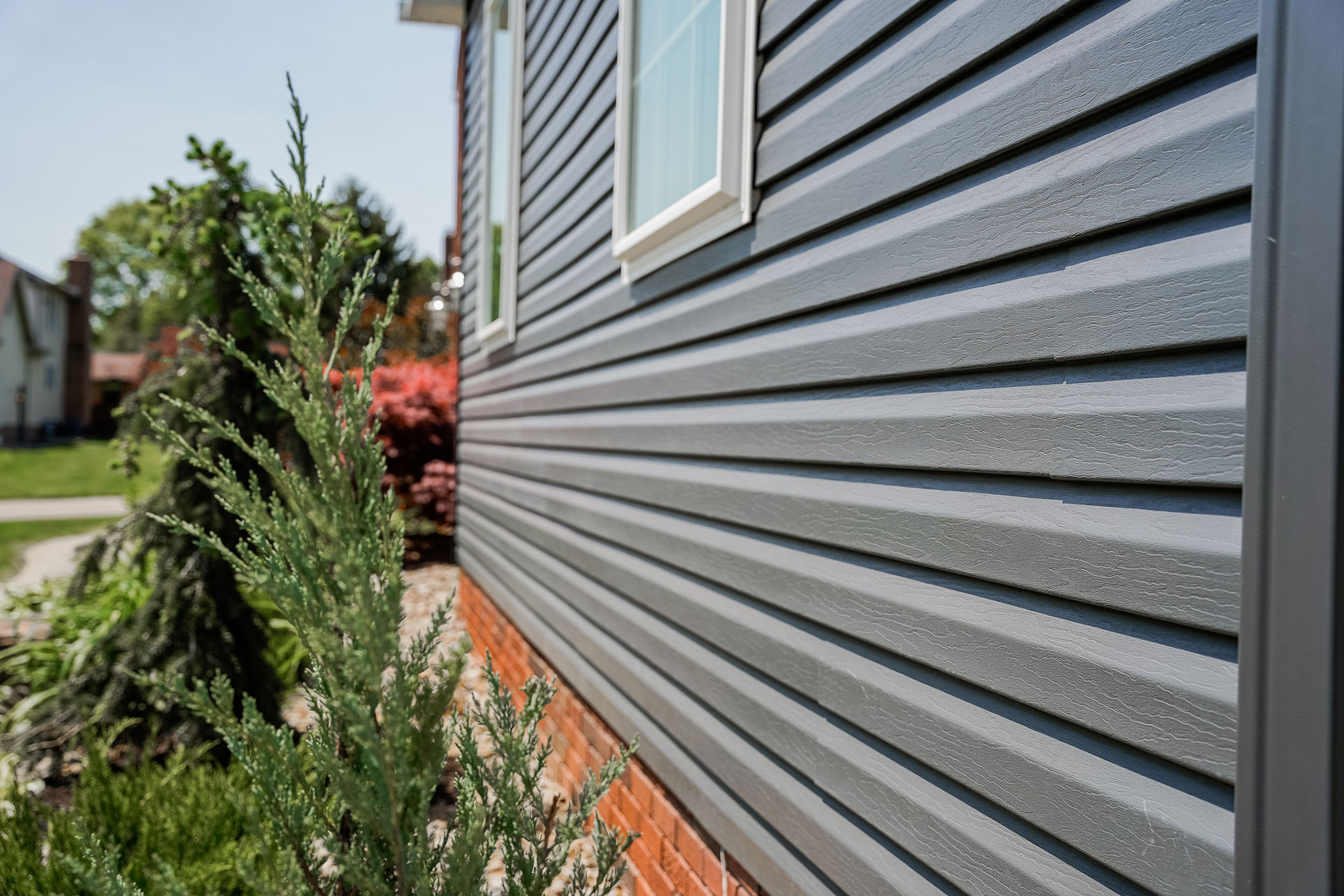
Both styles install in much the same way. The layout and starter strip are alike. Dutch lap needs care to keep the shadow line straight. Straight lap needs care to keep joints aligned.
Typical costs vary by brand, region, and trim:
- Material: about 2 to 5 dollars per square foot
- Installed: about 6 to 12 dollars per square foot
- Insulated versions add about 1 to 2 dollars per square foot
Dutch lap vs straight lap vinyl siding costs are often very close. ROI for vinyl siding is strong. National data often shows a 60 to 75 percent return at resale. Curb appeal plus low upkeep helps that value.
Pro tip from site work:
- Use story poles to keep reveals exact
- Snap level lines each course on long runs
- Order 10 to 15 percent extra for waste and future repairs
Maintenance and Longevity
Both profiles are low care. Wash once or twice a year. Use a soft brush and mild soap. Rinse well from top to bottom.
Do not drive water behind laps with a pressure washer. Treat mold with a safe cleaner. Check caulk at trim and penetrations. Most good vinyl carries long fade and crack warranties.
From my jobs, mid-tone colors age best. Very dark colors need higher-grade lines with heat-resistant tech. In dutch lap vs straight lap vinyl siding, maintenance is a tie.
Energy Efficiency and Insulation
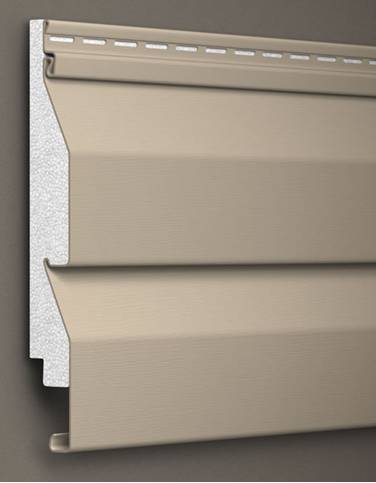
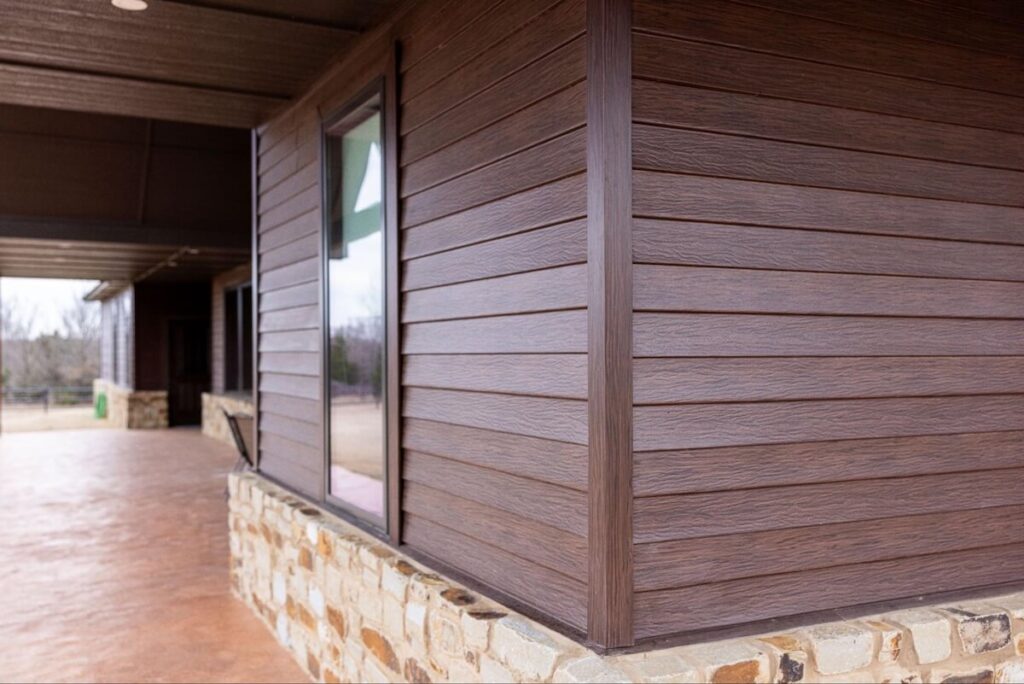
Standard vinyl has little R-value by itself. Insulated vinyl adds foam backing. It can give about R-2 to R-3. It also stiffens the panel and smooths waves.
This can help in both profiles. It blocks thermal bridges at studs. It can also cut wind rattle. Light colors reflect heat. Dark colors absorb more but new blends help a lot now.
In short, insulated Dutch lap vs straight lap vinyl siding perform alike. Choose it for comfort and noise, not just the R number.

Best Use Cases and Style Matching
Match profile to your home style and street.
Good pairs for Dutch lap:
- Colonial, Cape Cod, and Farmhouse
- Coastal and cottage themes
- Deep or mid-tone colors with crisp white trim
Good pairs for straight lap:
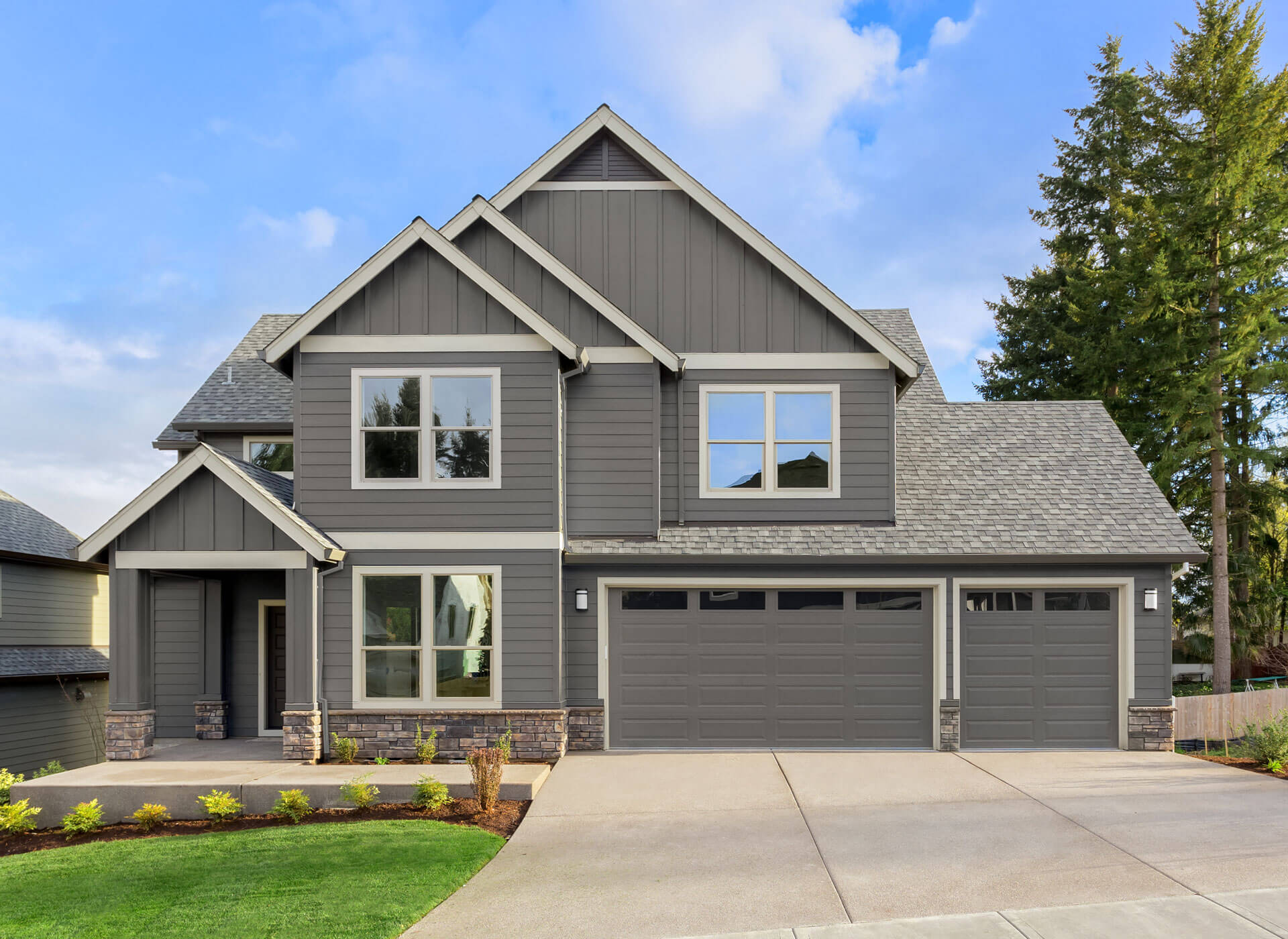
- Ranch, mid-century, and modern
- Craftsman with strong trim lines
- Soft neutrals or bold contrast blocks
I like Dutch lap with shake accents in gables. I like straight lap with stone at the base. Bring home two full panels. Tape them up by a window. Then step back to the street. The dutch lap vs straight lap vinyl siding choice will feel clear.
How to Choose: A Step-by-Step Guide
Follow a simple plan to decide with confidence.
- Define your goal. Classic charm or clean modern lines.
- Check your walls. If they wave, Dutch lap can mask that better.
- Review your climate. Wind, hail, heat, or salt all matter.
- Set your budget. Price both styles in the same brand line.
- Ask for samples. View at dawn, noon, and dusk.
- Check HOA or historic rules. Profiles and colors may be set.
- Compare warranties. Look at fade, warp, and wind terms.
- Get two install bids. Ask about flashing, trim, and vent details.
Make the call after a curb test and a cost check. You will feel at ease with the pick.
Common Myths and Mistakes to Avoid
Myths I hear a lot:
- Dutch lap costs twice as much. Not true in the same series.
- Straight lap is cheap builder grade. Quality varies by brand, not shape.
- Profile alone raises energy bills. Insulation and color matter more.
Mistakes to avoid:
- Nailing tight. Always hang panels loose to allow movement.
- Skipping foam backer on wavy walls. It helps stiffness and look.
- Poor flashing at windows. Water will find gaps.
- Mixing profiles without a plan. Transitions need trim and scale.
From a 2019 coastal job, we chose Dutch lap with foam. Wind noise dropped a lot. On a 2021 mid-century, straight lap in matte gray looked sharp and stayed true.
Frequently Asked Questions of dutch lap vs straight lap vinyl siding
Which lasts longer: Dutch lap or straight lap?
Both last a long time when installed right. Lifespan depends more on material quality, sun exposure, and care than on profile.
Is dutch lap vs straight lap vinyl siding better for resale value?
Buyers react to curb appeal first. The best value comes from a profile that fits the home style, plus clean lines and good color.
Which is cheaper to install?
Costs are often similar in the same brand and thickness. Labor is alike, though tight shadow lines on Dutch lap may need a bit more care.
Can I mix both profiles on one house?
Yes, and it can look great when planned. Use one in the main field and the other on a bump-out or gable with clear trim breaks.
Does profile affect energy bills?
Not by itself. Insulated panels, air sealing, and attic work affect bills more than profile shape.
Which handles wind and storms better?
Storm strength comes from product rating and install quality. Look for strong nailing hems, proper locks, and correct fastener spacing.
How do I spot a quality panel?
Check thickness, a deep nail hem, and a firm lock. Ask about UV protection, impact ratings, and a clear, written warranty.
Conclusion
Dutch lap brings shadow and classic charm. Straight lap brings calm lines and a modern feel. Both can be smart, durable, and low care. Your home, your street, and your taste should lead the pick.
Use samples, stand at the curb, and compare apples to apples. In the dutch lap vs straight lap vinyl siding choice, let style, climate, and budget guide you. Ready to go deeper? Explore more guides, ask a pro for bids, or drop your question in the comments.