
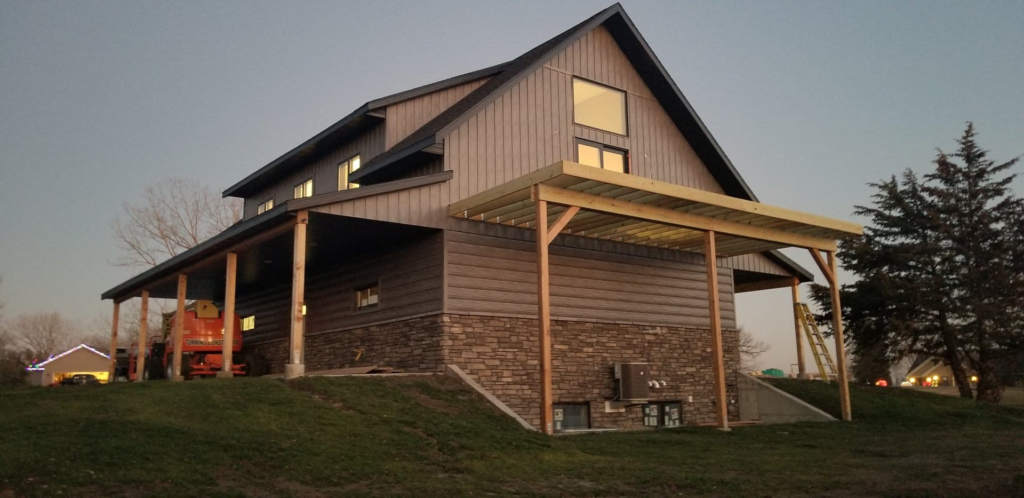
Smooth Hardie planks give crisp, modern lines; textured boards add wood-like depth and forgiveness.
If you are choosing between smooth vs textured hardie plank siding, you are in the right place. I have helped homeowners, builders, and HOAs make this exact call. In this guide, I break down the look, cost, install tips, paint behavior, and long-term care so you can pick the finish with real confidence. Read on for clear answers grounded in field experience and manufacturer best practices.
What Is Hardie Plank Siding?
Hardie plank is a fiber cement lap siding known for strength and style. It blends cement, sand, and cellulose fibers into boards that resist fire, rot, and pests. Most products carry a long limited warranty on the board and an optional factory finish warranty.
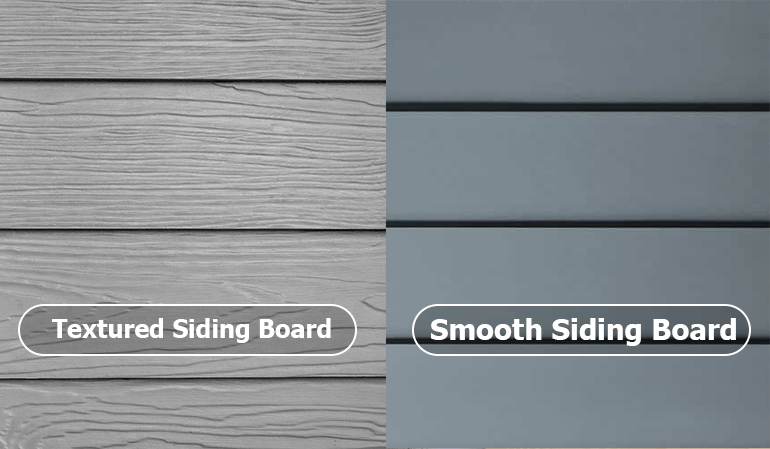
Both smooth and textured boards share the same core. The difference is in the face. Smooth is flat and sleek. Textured (often called Cedarmill) mimics sawn wood grain.
Why does this matter? The face you choose changes curb appeal, paint look, and how much the wall hides flaws. This is the heart of smooth vs textured hardie plank siding.

Smooth vs Textured Hardie Plank Siding: Key Differences
Here is how the two finishes compare in daily use, install, and looks. These points come from jobsite checks, repaint cycles, and punch-list reviews.
-
Look and style
Smooth reads modern, coastal, or transitional. Textured reads classic, craftsman, or cottage. -
Forgiveness over imperfect walls
Smooth shows waves and framing bumps faster. Textured hides small ripples and caulk lines better. -
Paint appearance
Smooth gives a glassy, uniform coat. Textured softens glare and helps touch-ups blend. -
Dirt and cleaning
Smooth sheds dust fast with a rinse. Textured can trap fine dirt in the grain but cleans with a soft brush. -
Caulk and joints
On smooth walls, joints and sealant lines stand out more. Texture masks them. -
Availability and lead time
Some regions stock more textured SKUs. Smooth can be special order in certain widths. Always confirm before you set dates. -
Touch-up and repairs
Smooth touch-ups may flash under strong sun. Texture can hide small fixes. -
Resale and trends
Modern markets lean smooth. Historic or HOA-heavy areas often favor textured. Ask your local agent or ARC.
If you are weighing smooth vs textured hardie plank siding, start with your style goals and the truth of your wall framing. That alone solves half the decision.

Curb Appeal and Design Styles
Your exterior should align with the home’s form, roofline, and trim package. Here is a simple style guide I use with clients.
-
Contemporary or mid-century
Smooth boards with tight reveals. Pair with simple casing and dark windows. -
Modern farmhouse
Either can work. Smooth feels crisp. Textured adds warmth next to board-and-batten. -
Craftsman or bungalow
Textured wins. It pairs well with tapered columns and stained wood accents. -
Coastal or Cape Cod
Smooth offers a clean seaside vibe. Textured works if you want a cedar look without the upkeep. -
Tudor and traditional
Textured blends with half-timber and brick for depth.
Curb appeal is the most visible factor in smooth vs textured hardie plank siding. Mock up one course of each finish on a sunny wall to see it in your light.

Durability, Maintenance, and Performance
Both finishes share the same fiber cement backbone. They resist fire, insects, and rot. They hold paint well when primed and installed to spec.
Key maintenance notes I share with every homeowner:
-
Washing
Rinse yearly. Use mild soap and a soft brush on texture. Avoid harsh pressure close to the board. -
Mildew and algae
Shady, damp walls may show growth. Texture can mask early spots, but both finishes need the same clean routine. -
Paint cycles
Smooth can show fine scratches sooner. Texture adds micro-shade that can make color shifts less obvious. -
Warranty care
Follow nailing, clearances, and flashing rules. Keep soil and mulch away from the bottom edge. Save your records.
In the debate of smooth vs textured hardie plank siding, performance ties. Your cleaning and paint habits matter more than the face.

Cost, Installation, and Lead Times
Material pricing for both finishes is often similar. The bigger swings come from labor, schedule, and local stock.
-
Labor time
Smooth needs flatter sheathing and sharper layout. Installers might spend extra time shimming and checking reveals. Texture can hide tiny waves and speed up punch-out. -
Fasteners and layout
Use correct nails and spacing. On smooth, crooked lines show fast. Use a story pole and laser for consistent courses. -
Lead times
Some regions stock textured in many widths. Smooth in odd sizes can be a special order. Call suppliers early. -
Change orders
Switching finish late can delay paint or trim by a week or more. Lock it down during design.
Talk to your contractor about crew skill and schedule risk when comparing smooth vs textured hardie plank siding.
Painting, Colors, and Finish Longevity
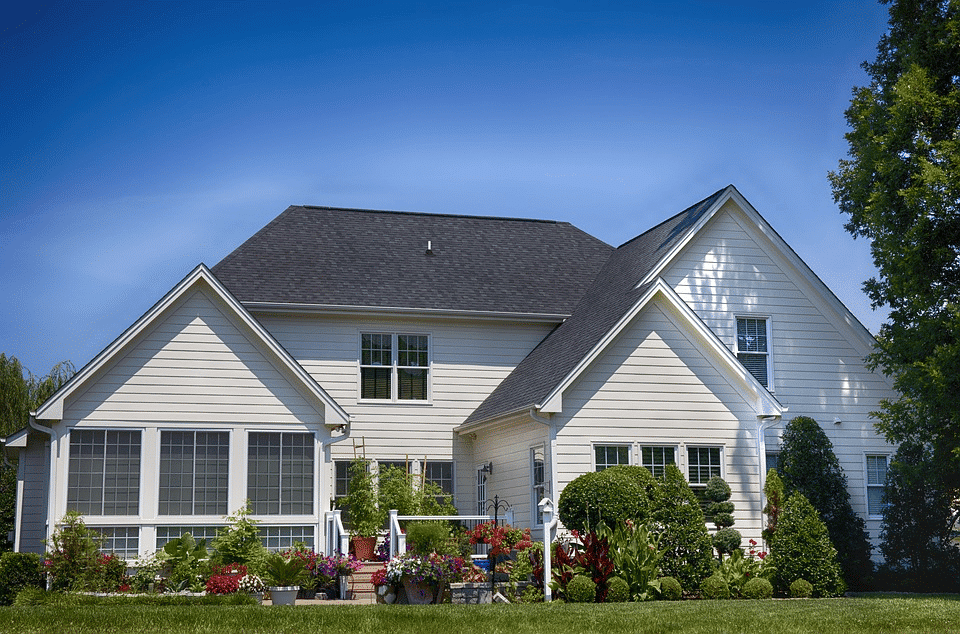
You can buy boards primed or with a factory-applied finish. The factory finish often carries a separate limited warranty. Check your market for exact terms.
Color and sheen tips from the field:
-
Dark colors
On smooth, dark paint looks sharp but shows dust and minor waves. On texture, darks feel rich and hide more. -
Light colors
Smooth looks crisp with whites and grays. Texture gives a soft shadow that adds depth. -
Sheen choice
Satin on smooth can glare in full sun. Eggshell or matte reduces reflection. Texture tolerates satin better. -
Touch-ups
Texture hides small brush-ups. On smooth, keep a wet edge and use the same batch to limit flashing.
Painters often prefer texture for blending. Designers often prefer smooth for that gallery-wall look. This is where taste drives smooth vs textured hardie plank siding.

Climate and Regional Considerations
Climate should guide your finish if you want fewer chores and better looks over time.
-
Humid or wooded regions
Texture may collect more spores in grooves. Plan for a spring rinse. Smooth rinses fast. -
Dusty or windy zones
Smooth releases dust with rain. Texture may need a light brush. -
Coastal sun and salt
Both finishes do well when maintained. Smooth can show salt streaks more. Rinse with fresh water now and then. -
Freeze-thaw areas
Follow gap and flashing rules. Both finishes perform when installed right.
Local weather can tip the balance in smooth vs textured hardie plank siding. Match the face to the chores you accept.
Resale Value, HOA Rules, and Appraisal Notes
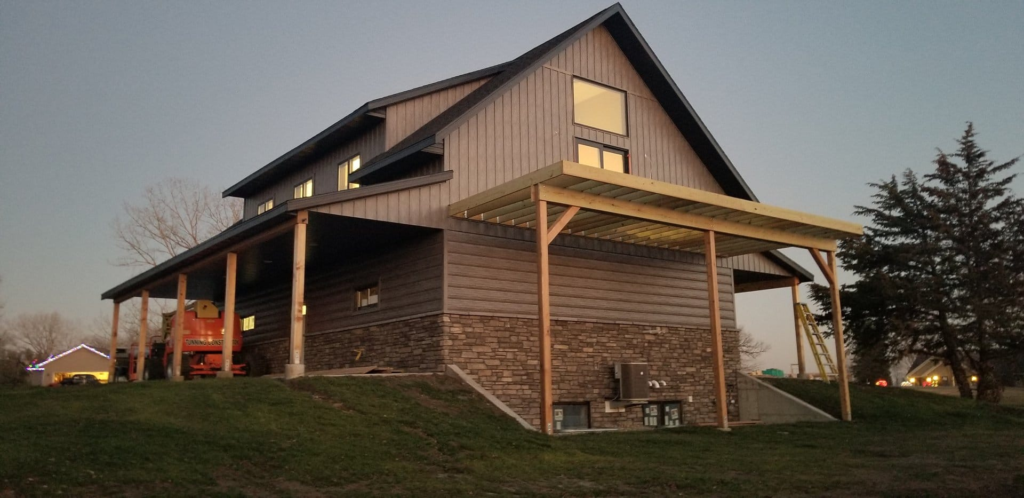
Neighborhood norms matter. I have seen smooth rejected by historic boards and textured flagged as off-style in modern enclaves.
-
HOA and Architectural Review
Many ARCs publish approved finishes. Ask before you buy. -
Appraisers and comps
Buyers read style fast from the street. In modern areas, smooth can feel higher-end. In historic streets, textured fits in and avoids pushback. -
Market trends
Track what sells near you. The “model home” look in your area is a good cue.
Do not let a finish choice trigger delays. Early checks settle most smooth vs textured hardie plank siding debates.

Real-World Examples and Lessons Learned
From my own projects:
-
Urban infill, modern lines
We chose smooth, 6-inch exposure, matte white. We spent extra time straightening the wall and hit a flawless reveal. The result sold the home in a week. -
Coastal cottage refresh
The owner wanted a cedar vibe without rot risk. We chose textured with a soft gray. Weekly sea spray rinses keep it clean. Touch-ups are invisible. -
What I learned
Smooth is honest. It will show any crooked line. Texture is kind. It forgives small misses. Either way, prep and layout decide the finish.
Common mistakes to avoid:
-
Skipping wall prep
Wavy sheathing shows under smooth. Fix it first. -
Ignoring joint layout
Random joints jump out on smooth. Plan a pattern. -
Choosing finish after framing
Pick during design. It drives details and stock orders.
These lessons shape how I guide smooth vs textured hardie plank siding choices today.
How To Choose: A Simple Decision Framework
Use this quick method to land on the right finish.
-
Define your style
If you want modern or coastal minimal, favor smooth. If you want classic and warm, favor textured. -
Inspect your walls
If framing or sheathing is less than flat, choose textured unless you will correct it. -
Check climate chores
If you prefer fast rinses, smooth is simple. If you do seasonal brush cleaning, texture is fine. -
Confirm stock and rules
Call suppliers. Read HOA rules. Ask your painter for a finish sample. -
Test on site
Buy one board of each. Install one course on a sunny wall. View at morning, noon, and dusk.
If you follow these steps, the smooth vs textured hardie plank siding answer becomes clear and low risk.
Frequently Asked Questions of smooth vs textured hardie plank siding
Is smooth Hardie plank more expensive than textured?
Material cost is often similar. Labor can be a bit higher on smooth if walls need extra prep.
Which finish hides wall imperfections better?
Textured hides small waves and joint lines better. Smooth shows any dips or crooked reveals faster.
Which finish is easier to keep clean?
Smooth sheds dust and rinses fast. Textured may need a soft brush to lift dirt from the grain.
Can I mix smooth and textured on the same house?
Yes, and it can look great. Use smooth for main laps and textured on dormers or accents to add depth.
Does the finish affect warranty coverage?
Warranties focus on the board and finish system, not the texture. Follow install and paint rules for coverage.
Which is better for dark colors?
Both work, but smooth can show dust and waviness more with dark paint. Texture softens glare and hides more.
Will smooth increase resale in modern neighborhoods?
Often yes, because it matches current modern trends. In historic areas, textured can be the safer bet.
Conclusion
Smooth brings sleek lines and a modern vibe. Textured adds warmth and hides small flaws. Both share the same durable core and can look outstanding when installed and painted right. Weigh style, wall prep, climate chores, local rules, and stock.
Take the next step now. Get two sample boards, mount them on your sunniest wall, and view them through the day. That five-minute test will settle your smooth vs textured hardie plank siding choice with confidence. If you found this helpful, subscribe for more pro exterior tips or drop your questions in the comments.