
Cedar siding delivers warm, natural beauty; vinyl siding wins on cost and upkeep.
If you are weighing cedar siding vs vinyl siding, you are choosing between timeless wood and a low-maintenance plastic shell. I have led many exterior remodels in harsh and mild climates. This guide breaks down the facts, the trade-offs, and the real costs. Read on to see which option fits your home, budget, and weather.
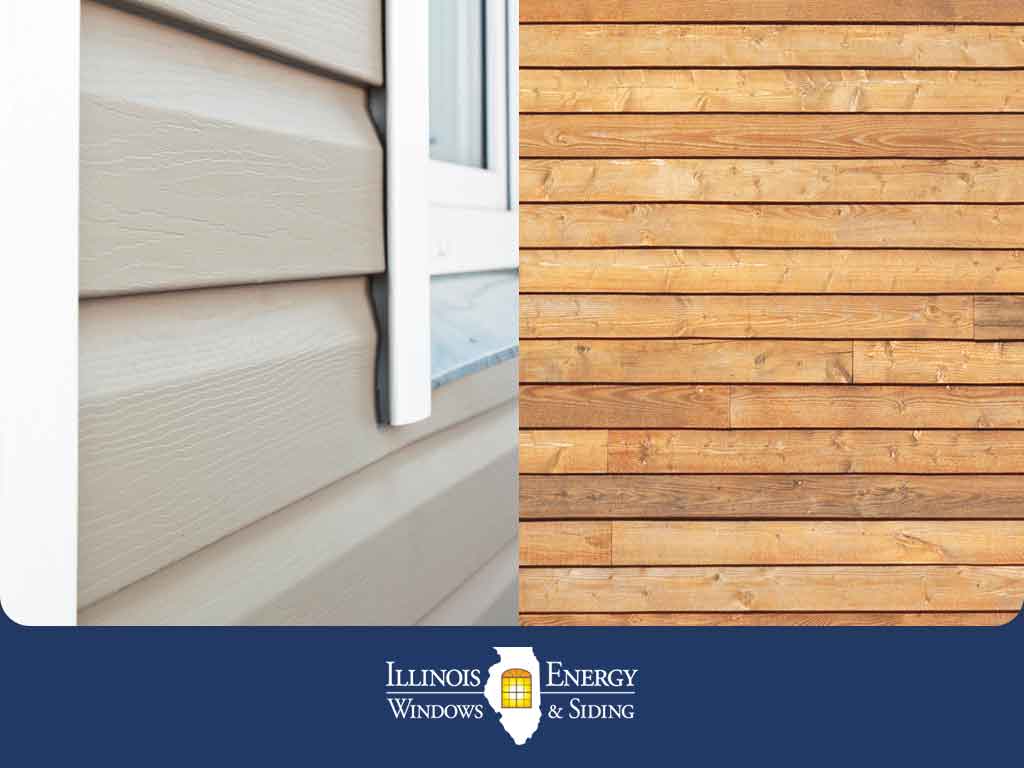
Cedar siding vs vinyl siding: the key differences
Cedar is real wood. It has rich grain and a warm look. It resists rot and insects better than many woods. It needs regular care to last.
Vinyl is made from PVC. It is light and easy to clean. It will not need paint. It can fade and can crack or warp under stress.
Here is the short view of cedar siding vs vinyl siding:
- Look and feel: Cedar is premium and natural. Vinyl is neat and uniform.
- Upfront cost: Vinyl is often cheaper. Cedar can cost more to buy and install.
- Care: Cedar needs stain or paint. Vinyl needs only washing.
- Life: Both can last decades. Care and climate drive the result.
- Eco: Cedar is renewable. Vinyl has higher embodied energy.
In many projects, cedar siding vs vinyl siding comes down to taste, time, and local code.

Durability and lifespan
With solid care, cedar can last 30 to 60 years. Many old homes with cedar still look great. The wood has oils that resist decay. But water must drain and dry. Finish must be kept up.
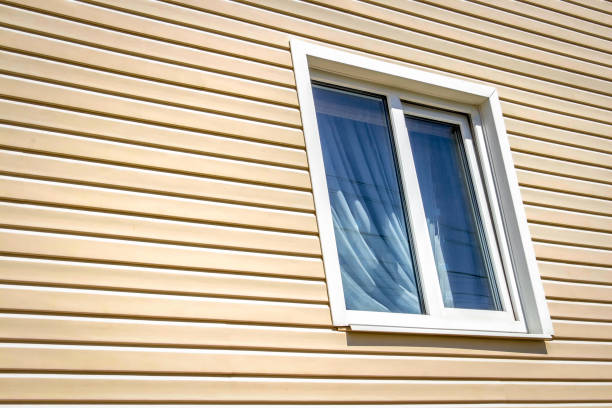
Vinyl can last 20 to 40 years. It will not rot. It can break in deep cold. It can warp near high heat. Grills and window reflections can cause damage.
My field notes on cedar siding vs vinyl siding:
- Cedar endures best with a rain screen and good flashing.
- Vinyl endures best with careful nailing and space for movement.
- Warranties vary. Read the limits on fade, hail, and labor.
Maintenance and care
Cedar needs a plan. Clear stain looks great but needs more upkeep. Semi-transparent stain lasts longer. Paint can last longer still if you prep right.
Typical care cycles for cedar:
- Clear or light stain: 2 to 4 years in sunny zones.
- Semi-transparent stain: 3 to 6 years.
- Paint: 5 to 10 years, often longer in shade.
Vinyl needs a rinse. Use a garden hose and mild soap. Do not power wash at close range. Fix loose panels at once.
Tips I use on cedar siding vs vinyl siding:
- Back-prime cedar on all sides before install. Seal cuts as you go.
- Use stainless or hot-dipped nails on cedar. Avoid black stains.
- On vinyl, never nail tight. Leave room for thermal move.
Cost: upfront and lifetime
Upfront costs vary by region and style. Always compare installed costs and the next 15 to 20 years.
Typical installed ranges I see:
- Vinyl lap siding: about $6 to $12 per square foot.
- Insulated vinyl: about $8 to $14 per square foot.
- Cedar bevel lap: about $10 to $18 per square foot.
- Cedar shingles or shakes: about $12 to $22 per square foot.
Lifetime view of cedar siding vs vinyl siding:
- Cedar has higher care costs. It may need new finish a few times.
- Vinyl holds costs low over time. Damage can need panel swaps.
If you plan to sell in three to five years, vinyl can be a smart spend. If you plan to stay long term and want top curb appeal, cedar can pay back in joy and value.
 efficiency and insulation”
style=”max-width: 100%; height: auto; border: 2px solid black; border-radius: 10px; display: block; margin: 0 auto;”
loading=”lazy”
/>
Energy efficiency and insulation
Wood has better natural R-value than PVC. But most of the wall’s R-value comes from the cavity and foam, not the cladding.
What to expect:
- Cedar siding alone adds a small R-value bump.
- Standard vinyl adds little. Insulated vinyl adds about R-1 to R-2.
- The big win is air and water control. Flashing and housewrap matter most.
In cedar siding vs vinyl siding, focus on tight seams, sealed penetrations, and a drainable wrap. That is where comfort and bills improve.
Aesthetics and curb appeal
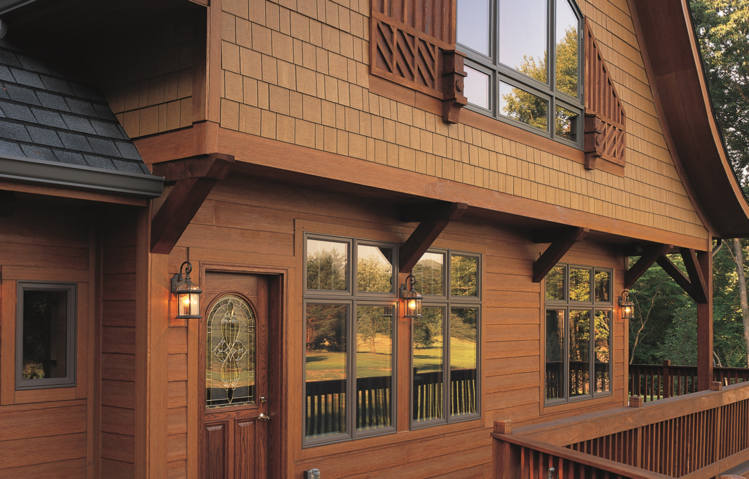
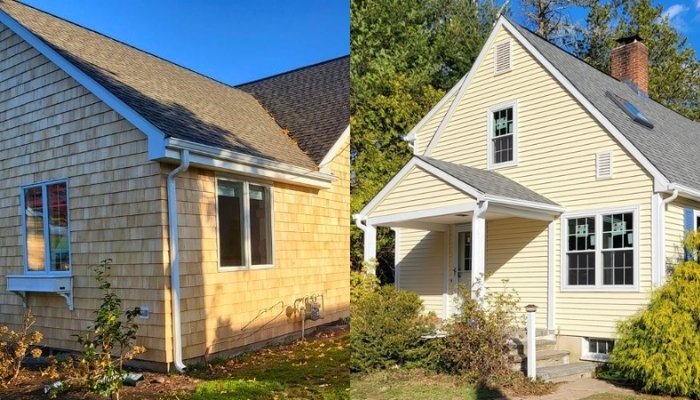
Cedar is warm and rich. It ages well with care. You can pick stains and textures. You can mix lap and shingle for depth.
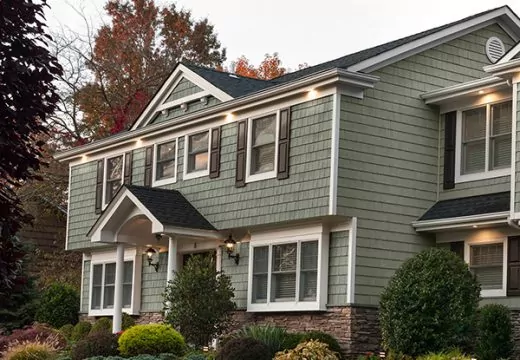
Vinyl has many colors and profiles now. Some lines mimic wood grain. Dark colors look sharp but can show heat issues.
For cedar siding vs vinyl siding style choices:
- Choose cedar if you want a custom, high-end look.
- Choose vinyl if you want a clean, uniform look with low effort.
A note from the field: A craftsman home I managed with cedar shingles drew many buyer offers. The look helped the sale price.
Environmental impact and sustainability
Cedar is a renewable resource. It stores carbon. It has lower embodied energy than PVC. Use finishes with low VOCs to keep the green edge.
Vinyl is a plastic made from fossil fuels and chlorine. Its embodied energy is higher. It has a long service life and low upkeep. That can offset some impacts over time.
If eco goals lead your cedar siding vs vinyl siding choice, cedar with a durable, low-VOC finish is hard to beat.
Installation and DIY tips
Cedar install needs more skill. Wood moves across the grain. Gaps and end seals matter. A rain screen with furring strips helps walls dry.
Vinyl install is faster. Panels lock together. Nails go through slots. Do not overdrive nails. Leave space at ends.
My key install steps for cedar siding vs vinyl siding:
- Cedar
- Prefinish all sides and cuts.
- Use a rainscreen and flash every opening.
- Keep 6 to 8 inches above grade.
- Vinyl
- Hang it loose to allow movement.
- Start level. Check every course.
- Use trim pieces for clean edges.
If you are new to siding, vinyl is the safer DIY path.

Weather and climate fit
Cedar handles wet climates well if the wall can dry. In the Pacific Northwest, I see cedar shine with rain screens. In hot sun, finishes age faster. Plan shorter stain cycles.
Vinyl does fine in many zones. In very cold zones, budget for the chance of brittle cracks. In very hot zones, keep grills and fire pits far away. Beware window glare that can melt panels.
Cedar siding vs vinyl siding in storms:
- High wind: Both do well when installed right. Vinyl locks must seat tight.
- Hail: Vinyl can dent or crack. Cedar can scar but is often repairable board by board.
Resale value and insurance notes
Buyers often value real wood. Cedar can boost curb appeal and perceived quality. Vinyl appeals to buyers who want low care.
Insurers look at fire risk, wind, and hail. Cedar is combustible. Some zones near wildlands have stricter rules. Vinyl will melt but does not feed fire. Policies and rates vary. Ask your agent before you choose.
For cedar siding vs vinyl siding and future value, align with local buyer tastes. See what sells on your street.
Common mistakes to avoid
I see these errors again and again:
- Skipping back-priming on cedar. Ends must be sealed.
- No rain screen behind cedar in wet zones. Trapped water leads to paint peel.
- Nailing vinyl tight. That causes waves and cracks.
- Dark paint on standard vinyl. It can overheat and warp.
- No kick-out flashing at roof-to-wall. That leads to rot.
In cedar siding vs vinyl siding, small details decide if the wall lasts decades or not.
Real-world picks and scenarios
Here is how I guide clients in common cases:
- You want max charm and you will maintain it
- Pick cedar. Use a quality stain. Budget for upkeep.
- You want low care at a fair price
- Pick vinyl. Choose a mid to high grade for better color hold.
- You live in a very wet coastal area
- Cedar with rain screen, stainless fasteners, and wide overhangs.
- You live in hail country
- Premium vinyl with impact rating, or cedar with easy board swaps.
- You plan to sell soon
- Vinyl can lift curb appeal fast with low spend.
Cedar siding vs vinyl siding is not a one-size call. Match the material to your life and weather.
Frequently Asked Questions
Is cedar siding more expensive than vinyl?
Yes, cedar usually costs more to buy and install. Over time, its maintenance also adds cost compared with vinyl.
How often does cedar siding need to be restained or repainted?
Plan to restain every 2 to 6 years based on sun and rain. Paint can last 5 to 10 years with good prep and flashing.
Can vinyl siding be painted?
Some vinyl can be painted with approved paints. Use light colors unless the product allows dark shades.
Which is better for cold climates: cedar or vinyl?
Both can work. Cedar handles cold well with the right finish, while vinyl can get brittle in extreme cold.
Does cedar attract insects?
Cedar has natural oils that resist many insects. Keep it dry and sealed to prevent carpenter ants or termites.
Will vinyl siding fade?
Yes, all colors fade with sun. Premium lines have better UV protection and longer fade warranties.
Is cedar siding environmentally friendly?
Cedar is renewable and stores carbon. Choose low-VOC finishes to reduce total impact.
What adds more resale value: cedar siding vs vinyl siding?
It depends on your market. Cedar often boosts perceived quality, while vinyl appeals to buyers who value low maintenance.
Conclusion
Choosing between cedar siding vs vinyl siding comes down to look, care, climate, and budget. Cedar gives warmth, depth, and a classic face. Vinyl gives a clean finish and low ongoing cost. Both can protect your home for decades if installed well.
Take the next step now. List your goals, your climate factors, and your budget. Get two or three local bids for cedar siding vs vinyl siding with the same scope. Ask about install details, warranties, and maintenance plans. Ready to go deeper? Subscribe for more exterior guides, or drop your questions in the comments so I can help you decide.
Related: Cedar siding delivers warm.
Related: Cedar siding delivers warm.
Related: Cedar siding delivers warm.