
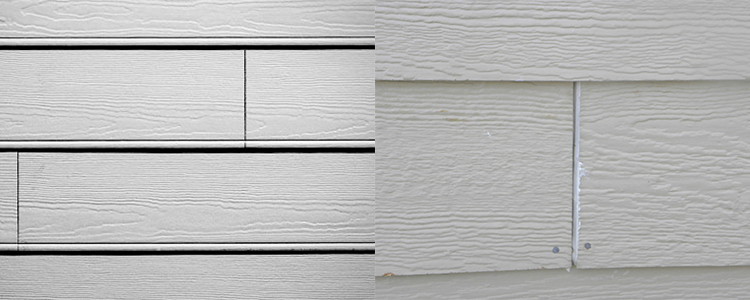
James Hardie wins on fire and moisture resistance; LP shines in impact, weight, and speed.
Choosing between LP siding vs James Hardie is one of the biggest calls you will make for your home’s exterior. I have specified, installed, and inspected both across many climates. In this guide, I break down lp siding vs james hardie with data, real jobsite lessons, and clear advice so you can pick with confidence.
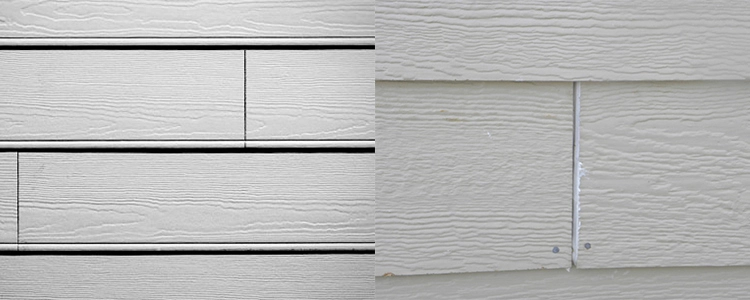
LP Siding vs James Hardie: What They Are
LP SmartSide is engineered wood siding. It blends wood strands, resins, waxes, and zinc borate. The mix is pressed and treated to resist decay and insects. It cuts like wood and is light to handle.
James Hardie is fiber cement. It is made from cement, sand, and cellulose fibers. The result is dense, stable, and non-combustible. It holds shape in heat and cold and resists rot.
Both come in lap siding, panel and batten, shingles, and trim. Both can be prefinished at the factory or painted on site. The core difference in lp siding vs james hardie is the base material: wood composite versus cement composite. That core drives performance, cost, and install needs.

Performance and Durability Head-to-Head
When you look at lp siding vs james hardie, think of the elements your home will face.
Moisture and rot
- James Hardie resists moisture, rot, and swelling very well when edges are sealed and clearances are met.
- LP SmartSide is treated to resist decay, but it is still wood based. It needs strict sealing at cuts and edges to stay dry.
Fire and heat
- James Hardie is non-combustible and often helps with fire code needs.
- LP SmartSide is combustible. It can be used in many zones, but it will not match the fire rating of fiber cement.
Impact and hail
- LP SmartSide has flexible strength and shrugs off bumps from balls, ladders, and small hail.
- James Hardie is hard but more brittle. It can crack if struck hard or nailed wrong.
Pests
- LP SmartSide uses zinc borate for termite and fungal resistance.
- James Hardie has no food value for insects.
Freeze–thaw and humidity
- Both do well when installed to spec. Fiber cement tends to be more stable in wet freeze cycles. Engineered wood needs careful flashing and gap control.
From my inspections, lp siding vs james hardie both last a long time when installed by the book. The early failures I have seen come from poor flashing, missing joint sealant, and bad clearances near grade, not from the brand itself.

Maintenance, Finish, and Lifespan
Paint and finish
- Factory finishes on both lines carry about a 15-year finish warranty.
- Site paint cycles vary by sun and rain. Plan for touch-ups at 8 to 12 years, sooner on harsh exposures.
Lifespan
- James Hardie carries a 30-year limited warranty on the product.
- LP SmartSide lists a 50-year limited substrate warranty.
- Real life spans depend on install quality, climate, and upkeep. Both can exceed 30 years with good care.
Care tips that matter
- Seal every cut edge on LP SmartSide. Keep 6 inches off grade and 1 to 2 inches off roofs and decks.
- For Hardie, use proper clearances, back flashing, and seal butt joints per the current guide. Keep sprinklers off walls to reduce wet cycles.
When clients ask about lp siding vs james hardie and repaint timing, I tell them the best money is on clean caulk lines, tight flashing, and gentle washing once a year. That adds years to the finish life.

Installation and Jobsite Realities
Tools and handling
- LP SmartSide cuts with standard blades and nailers. It is light and fast to stage.
- James Hardie needs fiber cement blades and dust control. Cutting creates silica dust. Follow OSHA rules with wet cutting or HEPA vacs and respirators.
Fastening and labor
- LP allows blind nailing more often and installs fast. In my crews, we save 10 to 20 percent labor hours with LP on long runs.
- James Hardie is heavier. It may need two people per board. Extra bracing helps keep reveals true.
Common install mistakes to avoid
- Overdriven nails that crush the surface on both products.
- Tight joints with no gap for movement.
- Skipping back flashing at butt joints, which invites leaks.
If you want speed and simple tools, lp siding vs james hardie tilts to LP. If you are set up for fiber cement and want fire benefits, Hardie is smooth once the crew is trained.

Cost and Total Cost of Ownership
Material price ranges overlap and vary by region. In many markets:
- LP SmartSide lap boards are slightly less per square foot.
- James Hardie can run a bit higher, especially with premium textures.
Installed cost
- LP can be cheaper to install due to lighter weight and faster cuts.
- James Hardie can balance this with strong finish warranties and low moisture risk.
Long-term costs
- Repaint cycles and small repairs matter more than the first bill.
- In hail-prone areas, LP’s impact resistance can reduce spot repairs.
- In fire zones or wet coasts, Hardie’s non-combustibility and moisture stability can cut risk.
For a fair view of lp siding vs james hardie, I build a 20-year cost model with paint, minor repairs, and inflation. The winner shifts with climate and labor rates. Ask your contractor to show both paths.
Design, Curb Appeal, and Resale
Looks and profiles
- Both offer smooth and wood-grain textures, panel and batten, shakes, and wide trim boards.
- LP often shows a warmer wood look up close. Hardie has crisp edges and consistent shadow lines.
Color options
- Factory finishes on both brands offer curated palettes that resist fade.
- Custom site paint lets you match historic colors or HOA rules.
Resale and appraisals
- Buyers and appraisers recognize both names.
- In high-fire or coastal markets, the phrase fiber cement can boost buyer confidence.
- In craftsman and farmhouse styles, engineered wood’s texture wins hearts.
If curb appeal is your goal, lp siding vs james hardie are both top tier. The final look often comes down to trim depth, reveal size, and the painter’s skill.

Climate and Code Considerations
Fire zones
- James Hardie is non-combustible and fits many wildfire code needs.
- LP SmartSide may be allowed but will not carry the same fire rating.
Coastal and wet climates
- Fiber cement handles salt air and rain swings well with proper stainless fasteners.
- Engineered wood can do fine if edges and joints are sealed and maintained.
Cold and hail regions
- LP’s impact resistance is a plus.
- Fiber cement resists freeze–thaw if flashed and gapped to spec.
Before you lock in lp siding vs james hardie, check local codes, HOA rules, and insurance credits. These can swing your decision more than brand features.
Sustainability and Health
Material story
- LP uses wood fibers from managed forests. Wood locks in carbon during service life.
- Fiber cement relies on cement and sand, which have higher embodied energy.
Jobsite health
- Cutting fiber cement releases silica dust. Use wet saws or vacs and wear proper masks.
- LP cuts like wood and produces less hazardous dust, but still wear eye and lung protection.
End of life
- Both are durable and reduce the need for frequent replacement.
- Local recycling options vary. Check with your waste provider.
When clients ask about green choices in lp siding vs james hardie, I remind them that long life and low repaint waste matter more than small R-value gains. Build it once. Maintain it well.

From the Field: What I’ve Seen Work
Mountain cabin with harsh freeze
- We chose James Hardie for moisture stability and fire safety.
- Ten winters in, only minor caulk and one repaint. Boards are flat and tight.
Suburban family home with kids and sports
- We chose LP SmartSide for impact resistance and speed.
- The crew finished two days faster than the estimate. A few dings from bikes did not show.
Coastal remodel near salty air
- We used James Hardie with stainless nails and factory finish.
- Five years on, edges are clean. A good rinse each spring keeps it sharp.
These cases show how lp siding vs james hardie shifts with site needs. There is no one-size answer. There is a best-fit answer.
How to Choose: A Simple Decision Guide
Use this quick filter to pick with purpose.
If you need strong fire performance
- Favor James Hardie and verify code approvals.
If you want fast installs and easier handling
- Favor LP SmartSide for lighter weight and simple tools.
If hail and backyard bumps are common
- Favor LP for impact resistance and easy board swaps.
If you face heavy rain, snow, or salt air
- Favor James Hardie for moisture and shape stability.
If budget and schedule are tight
- Price both, but expect LP to save some labor hours.
When comparing lp siding vs james hardie, ask for two complete bids. Require the same flashing details, the same finish system, and the same warranty terms. That makes it an apples-to-apples call.
Frequently Asked Questions of lp siding vs james hardie
Is LP SmartSide cheaper than James Hardie?
Often, yes on materials, and sometimes on labor due to faster installs. Prices vary by region, finish, and profile, so request line-item bids.
Which lasts longer in a wet climate?
Both can last decades if installed right. Fiber cement has an edge in persistent moisture because it is not organic and is very stable.
Which is better for fire zones?
James Hardie is non-combustible and is commonly accepted in high-fire areas. LP SmartSide is combustible and may not meet stricter fire codes.
How often will I need to repaint?
Plan for touch-ups or repaint at 8 to 12 years depending on sun and rain. Factory finishes on both brands usually carry a 15-year finish warranty.
Is fiber cement dust dangerous?
Yes, cutting fiber cement releases silica dust, which is hazardous if inhaled. Use wet cutting or HEPA vacs, and wear proper respirators.
Conclusion
The best choice in lp siding vs james hardie depends on your climate, code needs, crew skills, and design goals. Fiber cement leads on fire safety and moisture stability. Engineered wood leads on impact resistance, weight, and install speed. Both look great and can last for decades when installed to spec.
Walk your lot, note your risks, and ask for two detailed bids with the same scope. Use the decision guide above, then choose the product that solves your top three needs. Ready to go deeper? Compare sample boards on your wall at different times of day, or reach out with your climate and budget for a tailored plan.