
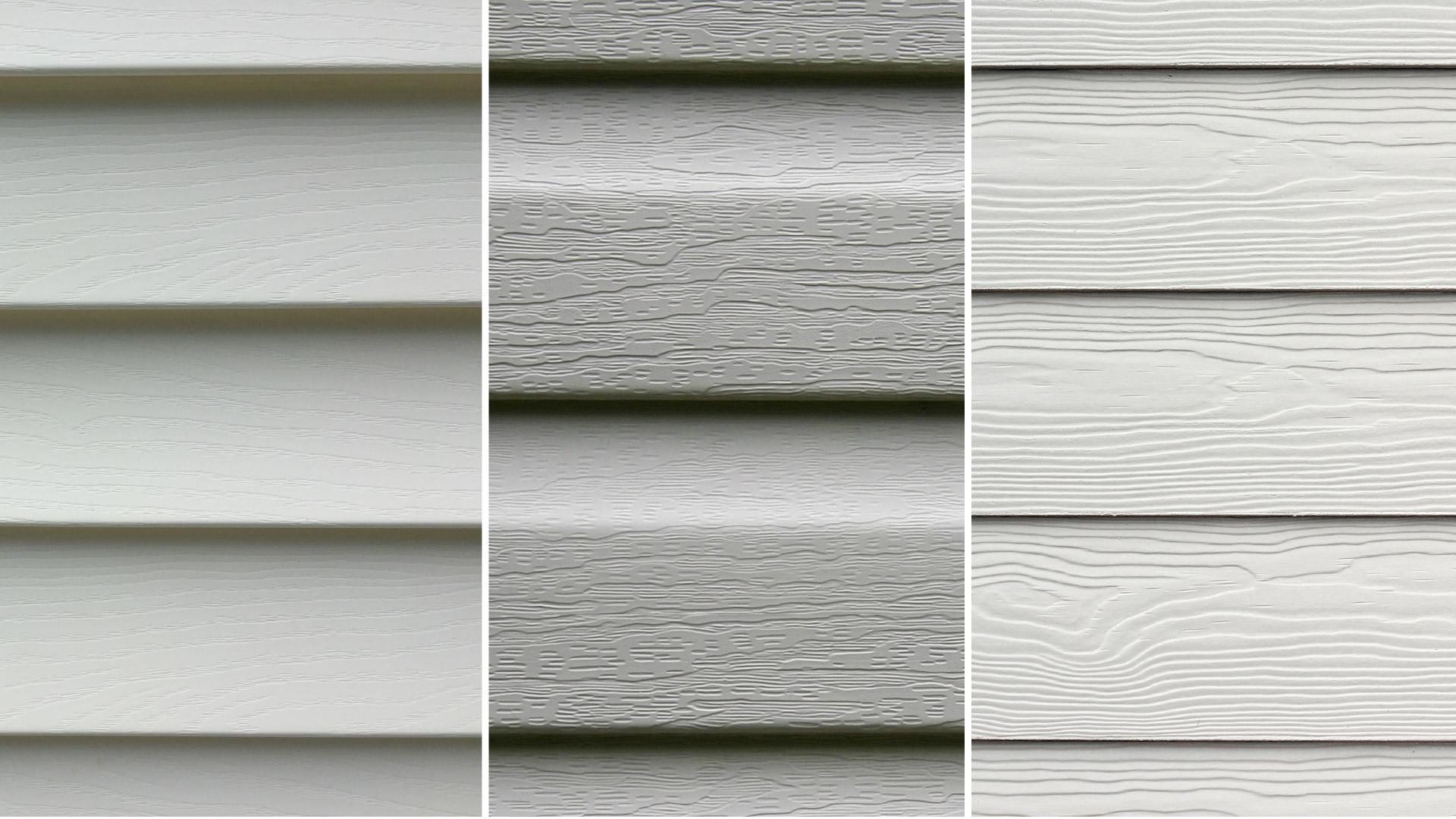
Fiber cement beats wood on durability and upkeep; wood wins on warmth and charm.
If you are weighing fiber cement siding vs wood siding, you are choosing between two proven paths. I have managed installs in harsh winters, humid coasts, and wildfire zones. In this guide, I break down costs, care, looks, and code. You will see clear pros, real numbers, and field tips that help you pick the right fit for your home and budget.
What matters most before you pick
The best choice comes from your goals. Start with climate, style, and budget. Think about skill level, time for care, and local rules.
When you study fiber cement siding vs wood siding, list the risks where you live. Freeze–thaw, sun, salt, fire, and bugs all shape the result. Match the material to your house age and the look you want.
Ask your insurer and building office. Fire maps, wind zones, and historic rules can tip the scale fast.
Cost, ROI, and total cost of ownership
Upfront cost varies by region and trim level. Labor and access change the math too.
Typical ranges on a full tear-off and replace:
- Fiber cement: often mid-range price. It needs more labor and special tools.
- Wood (cedar, redwood, pine): material can be cheaper or higher, based on grade. Labor is simpler.
Ongoing costs matter more. Paint cycles, caulk, and repairs add up fast. In my projects, fiber cement paint held 10 to 15 years when prefinished. Wood needed paint or stain every 3 to 7 years, faster on south and west faces.
A simple 30‑year view on a 2,000‑square‑foot home:
- Fiber cement: higher install, fewer paint jobs, fewer rot fixes.
- Wood: lower install (sometimes), more frequent finish work, spot rot repair.
When you weigh fiber cement siding vs wood siding, think like an owner. The lower upkeep on fiber cement often wins over time. Wood can pay off if you do finish work yourself and love the patina.

Durability, weather, fire, and pests
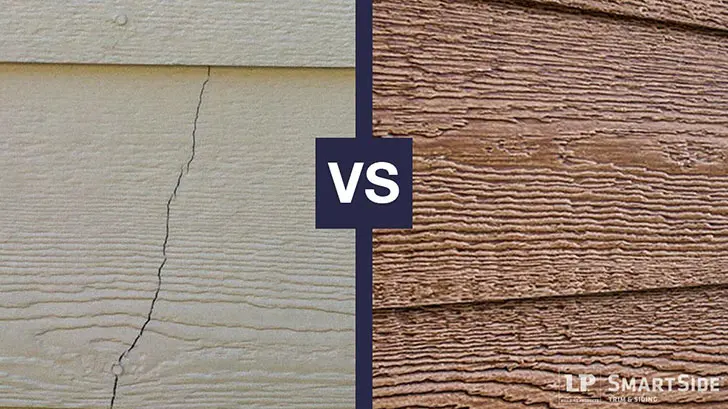
Fiber cement resists rot, insects, and fire. It handles sun and rain well. It can crack if edges are not gapped or nailed right. Most brands carry long limited warranties.
Wood is warm and strong. But it is organic. It can swell, check, and rot when water gets in. Termites and carpenter ants love soft, damp spots. In wildfire zones, fiber cement is the safer pick and often meets strict codes.
From job sites, here is what lasts:
- Coastal spray: fiber cement holds paint longer than wood unless the wood is high-grade cedar with top care.
- Deep freeze: both can do well if detailed for drainage. Bad caulk ruins wood fast.
- Hail: fiber cement shrugs off small hail. Wood can dent.
In the field, I have pulled off wood boards that failed at end grain and window heads. I have also fixed fiber cement jobs cracked at tight joints. Good details beat raw material every time.
When you compare fiber cement siding vs wood siding in tough weather, fiber cement has the edge for most owners.
Maintenance, repainting, and repairs
Plan the care before you buy. That is the secret to a happy choice.
Fiber cement:
- Wash once a year with low pressure and mild soap.
- Repaint about every 10 to 15 years if site-painted. Prefinished can go longer.
- Replace single boards if damaged. Keep spare boards on hand.
Wood:
- Inspect each spring and fall. Look at end grains, joints, and drip edges.
- Stain or paint every 3 to 7 years. Sun beats stain faster than paint.
- Prime all cuts. Seal end grains. Fix small rot early.
Common mistakes I see:
- Skipping back-priming on wood.
- Tight joints on fiber cement with no gap.
- Caulk over weep paths. Water needs a way out.
If you rank fiber cement siding vs wood siding by time spent on a ladder, fiber cement is the low-care winner.
Looks, texture, and curb appeal
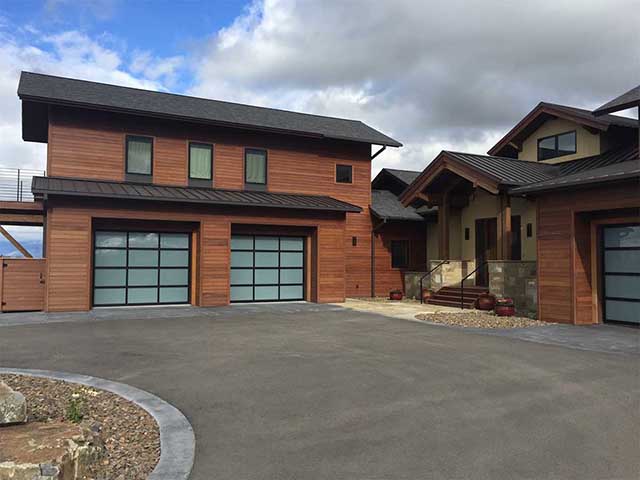
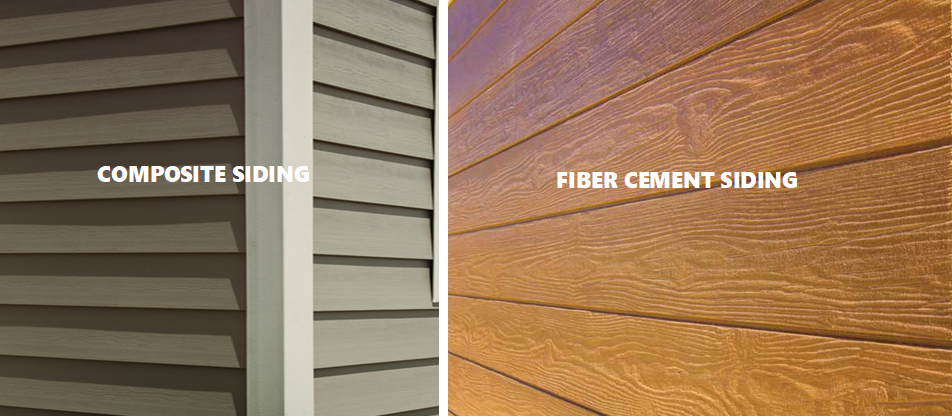
Wood is the classic. The grain is real. It fits historic homes and craftsman styles. You can mill custom profiles. You can stain to show the grain.
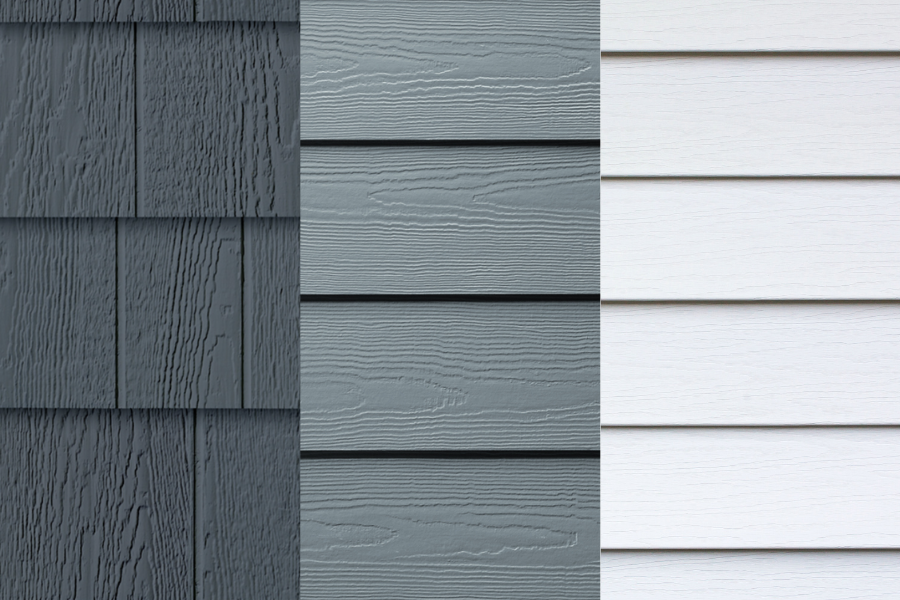
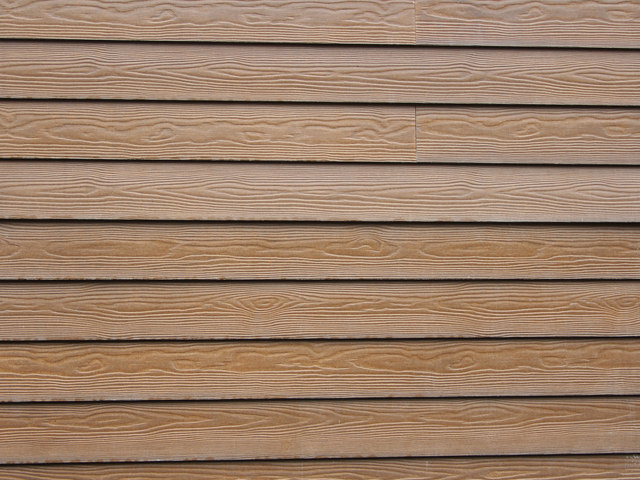
Fiber cement copies many wood looks. Smooth, cedar-mill, and even shingle profiles are common. Paint holds color well due to a stable base. From the curb, most buyers cannot tell the difference when well installed.
Design tips that work:
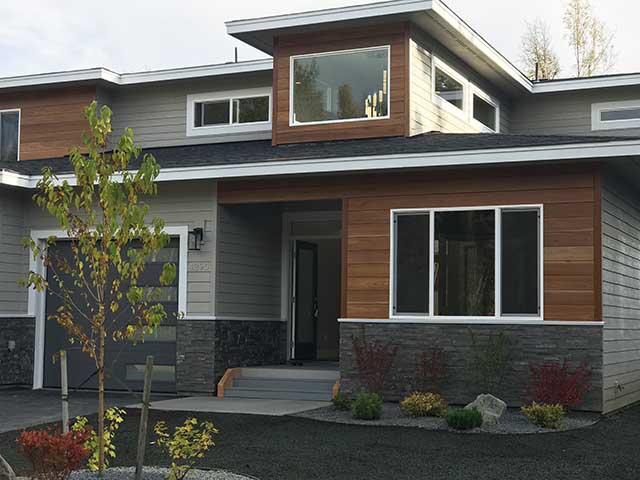
- Pair fiber cement lap with real wood trim for warmth.
- Use thicker corner boards to add shadow lines.
- On historic fronts, keep wood. Use fiber cement on sides and rear.
For curb appeal value in fiber cement siding vs wood siding, both can shine. It comes down to texture taste and detail skill.
Installation, weight, and project timeline
Fiber cement is heavy. It needs two people per board or a board lift. Cutting needs special blades and dust control. Crews should use respirators to avoid silica dust. Fasteners must meet maker specs.
Wood is lighter and easy to cut. Small crews move fast. It is more forgiving to scribe to wavy walls. But it needs careful priming and flashing.
Project notes from the field:
- Tear-off on old homes can reveal surprise rot. Plan 10 to 15 percent for deck and trim fixes.
- If the home has lead paint, follow safe rules during demo.
- Prefinished fiber cement can save a paint cycle and shorten timelines.
On speed, a skilled wood crew may move faster, but you will paint sooner. In the choice of fiber cement siding vs wood siding, install effort often favors wood; long-term care favors fiber cement.
Sustainability and health
Wood is renewable when sourced well. It stores carbon. But stains and paints add VOCs. Life span can be short if care lags, which raises waste over time.
Fiber cement blends cement, sand, and cellulose. It has higher embodied carbon at the start. Its long life can offset that by reducing replacements. Dust from cutting needs control to protect crews.
What I tell eco-minded clients:
- Choose FSC or well-managed wood if you go wood.
- Pick factory-finished fiber cement to reduce job-site paint.
- Vent rainscreens behind either siding. Dry walls last and save energy.
- Use low-VOC paints and sealants.
If you frame fiber cement siding vs wood siding as a green choice, both can be good. The greener one is the one that stays dry and in place the longest.
Resale value, insurance, and code matters
Buyers like low care and clean lines. Fiber cement often boosts curb appeal and buyer confidence. Many brands are known for long life.
Insurers may favor non-combustible cladding in fire zones. Some offer discounts. Wildland-urban codes can require ignition-resistant siding. Wood may be restricted without special treatments.
In the lens of fiber cement siding vs wood siding, think about the next buyer. Fewer to-dos often means stronger offers.
Decision guide: when to choose which
Choose fiber cement if:
- You want low upkeep and long paint cycles.
- You live in a fire, bug, or humid zone.
- You plan to sell soon and want broad buyer appeal.
- You need a tough shell for kids, pets, and hail.
Choose wood if:
- You love real grain and plan to stain.
- You are in a mild, dry climate.
- You enjoy hands-on care and can paint or stain yourself.
- You need to match a historic district or custom profile.
My rule of thumb after many installs: in most suburban homes, fiber cement wins on value. In historic fronts and high-end customs, wood wins on soul. Set your heart and your budget, then pick with pride in the fiber cement siding vs wood siding debate.
Frequently Asked Questions of fiber cement siding vs wood siding
How long does each option last?
Fiber cement often lasts 30 to 50 years with good install. Wood can last decades too, but it needs steady care to stay dry and sealed.
Which is cheaper: fiber cement or wood?
Upfront, prices can be close depending on grade and region. Over time, fiber cement is usually cheaper due to fewer paint jobs and less rot repair.
How often will I need to repaint?
Fiber cement often needs paint every 10 to 15 years. Wood needs paint or stain every 3 to 7 years, faster on sunny walls.
Is one better for cold or wet climates?
Fiber cement handles wet and freeze cycles well when detailed right. Wood can do fine too, but it needs perfect flashing, back-priming, and routine care.
Can I DIY the install?
Skilled DIYers can install either, but fiber cement is heavy and needs special blades and dust control. Wood is easier to cut and carry, but it demands careful sealing at every cut.
Which is safer in a wildfire zone?
Fiber cement is non-combustible and meets many wildfire codes. Wood may need special treatments and often still does not pass strict fire rules.
Does either improve resale value more?
Both can raise curb appeal. Many buyers favor low-care fiber cement, so it can help listings stand out.
Conclusion
Your siding choice should match your climate, time, and taste. Fiber cement gives strength, low care, and broad appeal. Wood gives rich texture and custom charm, with more hands-on upkeep. Use the guides above, walk your walls, and pick the path that fits your life.
If you are ready, price both with the same scope and finish level. Ask for a rainscreen detail and prefinished options. Subscribe for more exterior guides, or leave a comment with your climate and goals for tailored tips.