
Hardie Plank outlasts vinyl in durability and curb appeal; vinyl wins on cost.
Choosing siding is a big call. In this guide, I break down hardie plank vs vinyl siding with clear facts, real job-site lessons, and simple tips. You will learn how each material performs, what it costs over time, and the best pick for your home, climate, and budget.
What Is Hardie Plank? What Is Vinyl Siding?
Hardie Plank is a fiber cement siding made from cement, sand, and cellulose. It is dense, strong, and resists fire, pests, and rot. It can be primed for paint or ordered with a factory finish.
Vinyl siding is made from PVC. It is light, fast to install, and low cost. It comes in many profiles and colors, including insulated versions with foam backers.
When you compare hardie plank vs vinyl siding, you weigh strength, style, and cost. Fiber cement is harder and looks more like real wood. Vinyl is cheaper and easier to keep clean.
Hardie Plank vs Vinyl Siding at a Glance
Here is how the two stack up in the real world:
- Durability: Fiber cement handles heat, hail, and impact better. Vinyl can crack in cold or warp in high heat.
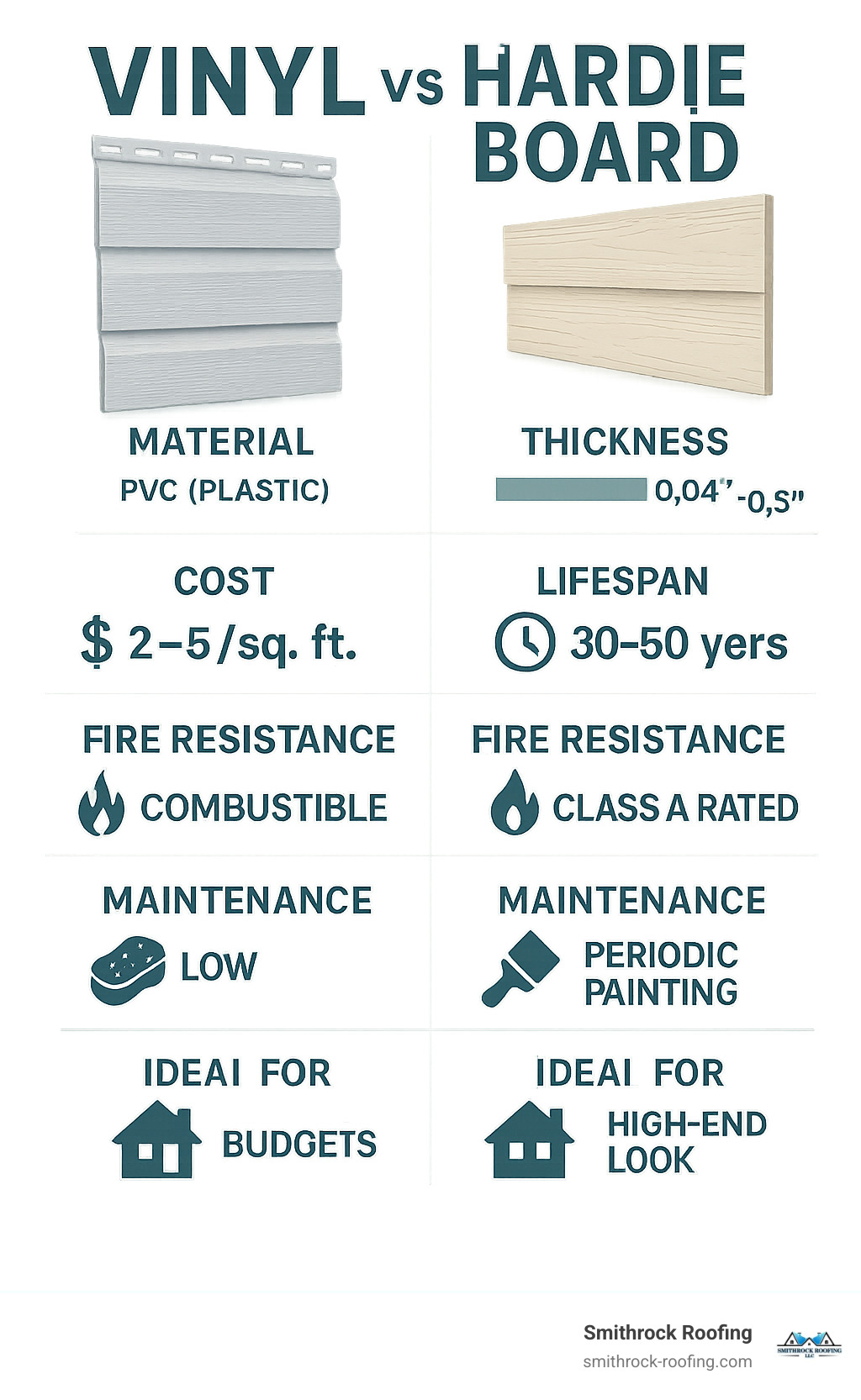
- Fire: Fiber cement is non-combustible. Vinyl can melt and deform near heat sources.
- Moisture: Fiber cement resists rot but needs proper flashing and paint upkeep. Vinyl sheds water but can trap moisture if poorly installed.
- Aesthetics: Fiber cement has sharper shadow lines and wood-like detail. Vinyl has improved but can still look plastic up close.
- Cost: Vinyl is cheaper to buy and install. Fiber cement costs more now but may return more at resale.
- Upkeep: Vinyl needs washdowns. Fiber cement needs caulk checks and repainting or a factory finish refresh.
- Weight and install: Fiber cement is heavy and needs special tools. Vinyl installs faster with simpler tools.
I learned early that hardie plank vs vinyl siding is not a one-size call. Your climate, wind zone, and taste drive the right answer.
Durability and Weather Performance
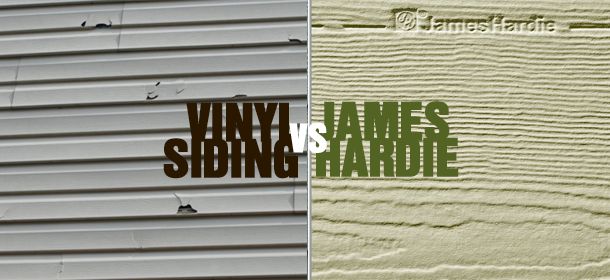
Fiber cement holds up well in tough storms. It resists woodpeckers, termites, and UV better than vinyl. Hail that shatters vinyl often leaves only paint scuffs on fiber cement.
Vinyl does fine in mild zones. In deep cold, it can get brittle and crack. In high heat, dark colors can warp near grills or reflective windows.
In coastal areas, both can work. Fiber cement stands up to salt spray and wind-driven rain when installed right. Vinyl will need proper fasteners and a reinforced panel in high-wind zones.
On sites I manage, I have seen fiber cement shrug off hail that punched holes in nearby vinyl. That is a core point in hardie plank vs vinyl siding decisions for storm-prone regions.

Maintenance and Lifespan
Fiber cement can last 30 to 50 years when installed to spec. Factory finishes often carry 15-year color warranties. Field-painted boards may need repainting every 10 to 15 years, depending on sun and prep.
Vinyl siding is low maintenance. It does not need paint. A yearly wash keeps mildew down. Yet it may fade or chalk over decades, and panels can loosen in wind if not nailed right.
Caulking matters more with fiber cement. Seams and trim joints must be sealed and checked. With vinyl, focus on keeping weep holes clear and making sure panels can expand and contract.
For hardie plank vs vinyl siding, weigh your time. If you want near-zero upkeep, vinyl is strong. If you prefer long service and can plan for paint cycles, fiber cement wins.

Cost: Upfront, Long-Term, and ROI
Vinyl has the lowest upfront cost. Labor is faster and simpler. This helps budget-driven projects or rentals.
Fiber cement costs more to buy and install. It needs more labor, heavier handling, and special blades. But it often ranks high in national cost-versus-value reports for resale impact.
Think in total cost of ownership:
- Short term: Vinyl saves cash now.
- Long term: Fiber cement can reduce repairs, improve value, and handle storms.
- Insurance: Some carriers may favor non-combustible exteriors. Check your policy.
When clients ask about hardie plank vs vinyl siding, I show two budgets: a five-year cash plan and a twenty-year plan. Many who plan to stay pick fiber cement. Quick flips often choose vinyl.

Aesthetics and Curb Appeal
Fiber cement looks and feels closer to wood. The boards are rigid with crisp edges. You can choose smooth, cedar-mill, or artisan profiles. Deep, saturated colors look premium with a factory finish.
Vinyl has come a long way. Thicker panels, matte textures, and sharper profiles improve curb appeal. Still, long runs can look wavy if the wall is not flat. Color choices are wider now, but dark vinyl can show heat distortion.
If design is central in hardie plank vs vinyl siding, fiber cement gives a custom, high-end look. This can help appraisals and first impressions.

Energy Efficiency and Comfort
Fiber cement has a low R-value on its own. Pair it with housewrap and exterior foam for better efficiency. This “outsulation” stops drafts and helps with dew point control.
Vinyl has insulated options. Foam-backed vinyl can add notable R-value and reduce noise. It also feels stiffer and lays flatter on bumpy walls.
Air sealing and flashing do more for comfort than the cladding itself. Pay attention to WRB, tape, and window integration. That choice is as important as hardie plank vs vinyl siding.

Installation, Warranties, and Insurance
Fiber cement needs trained crews. Boards are heavy and dusty to cut. Crews must follow clearances from grade and roofs, plus flashing and caulk specs. Warranties are strong when instructions are met.
Vinyl installs fast. Proper nailing allows for thermal movement. Overdriven nails cause buckling later. Good crews use starter strips, J-channels, and accessories for a clean look.
Warranties vary. Fiber cement often carries long material warranties and separate finish warranties. Vinyl often offers lifetime limited, but it can be prorated. Ask for written terms, not just sales talk.
Insurers may view non-combustible exteriors as a risk reducer. Vinyl can be more prone to storm claims in hail regions. Always confirm with your carrier.
.png)
Environmental Impact and Fire Safety
Fiber cement is non-combustible. It will not ignite and helps resist flying embers. That is a key edge in wildfire-prone zones.
Vinyl can melt at lower temperatures and release smoke when it burns. It is a plastic product with mixed recyclability. Still, it has a light weight and lower transport footprint.
Cutting fiber cement makes silica dust. Crews should use proper dust control. This is a safety step I never skip on site.
If fire and safety are central in hardie plank vs vinyl siding, fiber cement leads with clear wins.
Which One Fits Your Home? Real-World Scenarios
- Cold, hail-prone region: Fiber cement resists impact and stays stable in freeze-thaw cycles. Vinyl may crack in severe cold.
- Hot, sunny climate: Fiber cement handles UV and heat well. Dark vinyl can soften and warp near heat sources.
- Fast flip or rental: Vinyl cuts install time and cost. It gives clean looks at a friendly price.
- Forever home with design goals: Fiber cement brings rich texture, crisp lines, and long-term value.
On a recent lake home, the owner wanted quiet rooms and rich color. We chose fiber cement with factory finish and 1 inch of exterior foam. The result beat expectations. On a duplex refresh, we used insulated vinyl to meet budget and speed. Both were the right call for their goals.
This is the heart of hardie plank vs vinyl siding. Match the product to the purpose.
Mistakes to Avoid and Pro Tips
- Skipping housewrap details: Water finds gaps. Flash every window and joint with care.
- Overdriving nails in vinyl: Leave a hair of play for panel movement.
- Ignoring clearances for fiber cement: Keep space off decks, roofs, and grade to prevent wicking.
- Cheap caulk on fiber cement: Use high-grade sealants. Recheck joints every few years.
- Dark vinyl near reflective low-e glass: Use heat-resistant options or add heat shields.
Pro tip: For hardie plank vs vinyl siding bids, ask for a full scope. Include WRB, trims, caulks, flashing tapes, and paint or finish. A cheap quote that skips these is not a deal. It is a risk.
Frequently Asked Questions
Is Hardie Plank more durable than vinyl siding?
Yes. Fiber cement resists impact, heat, and pests better than vinyl. Vinyl is fine in mild climates but can crack or warp in extremes.
Which costs more: Hardie Plank or vinyl siding?
Vinyl siding costs less upfront for materials and labor. Hardie Plank costs more now but can add value and reduce storm-related repairs.
Does Hardie Plank need painting?
If you buy it primed, plan to paint and repaint over time. Factory-finished boards carry a color warranty and extend repaint cycles.
Is vinyl siding bad in cold climates?
Not always, but it can get brittle in deep cold. Impact from ladders, balls, or hail can cause cracks when temperatures drop.
Which is better for fire safety?
Hardie Plank is non-combustible and a strong choice in wildfire zones. Vinyl can melt and deform near heat sources.
What about energy efficiency?
Insulated vinyl adds R-value and can reduce drafts. Fiber cement needs exterior insulation for similar thermal gains.
Can I DIY either product?
Experienced DIYers can install vinyl on simple walls. Fiber cement needs more crew, tools, and strict details to protect the warranty.
How long do they last?
Vinyl can last decades with care, though color may fade. Fiber cement can last 30 to 50 years when installed and maintained to spec.
Will either boost resale value?
Fiber cement often ranks high for cost recovery. Quality vinyl can also improve curb appeal on a budget.
Which is easier to clean?
Vinyl needs a gentle wash yearly. Fiber cement cleans well but also needs caulk checks and paint maintenance.
Conclusion
Hardie plank vs vinyl siding comes down to priorities. If you want strength, fire resistance, and top-tier curb appeal, fiber cement is worth the premium. If your goal is speed, lower cost, and easy upkeep, vinyl is a smart, practical choice.
Set your budget, list your climate risks, and decide how long you will stay. Then get two local quotes for each option, with full scope and warranties in writing. Ready to go deeper? Bookmark this guide, share your project details in the comments, and subscribe for more home upgrade playbooks.