
How to use a Tapco siding brake: clamp the panel, set the bend, pull the handle, and release cleanly.
I have used a Tapco siding brake for years on siding and trim jobs. This guide explains how to use a Tapco siding brake with clear, expert steps, safety notes, and practical tips. You will learn setup, accurate bends, troubleshooting, and real-world tricks I learned on jobsites. Read on to master consistent, crisp metal bends and save time on your next siding project.

Understanding the Tapco siding brake
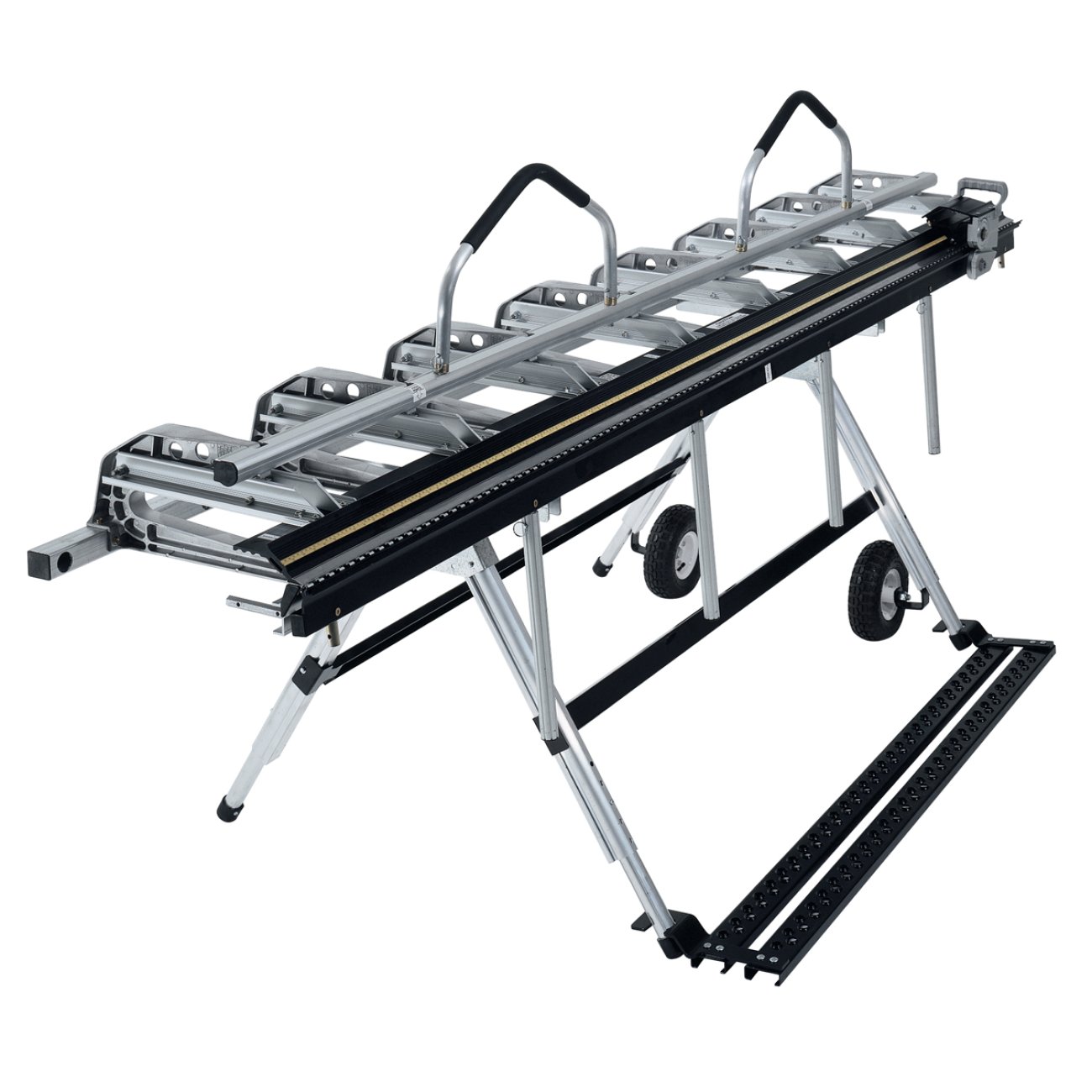
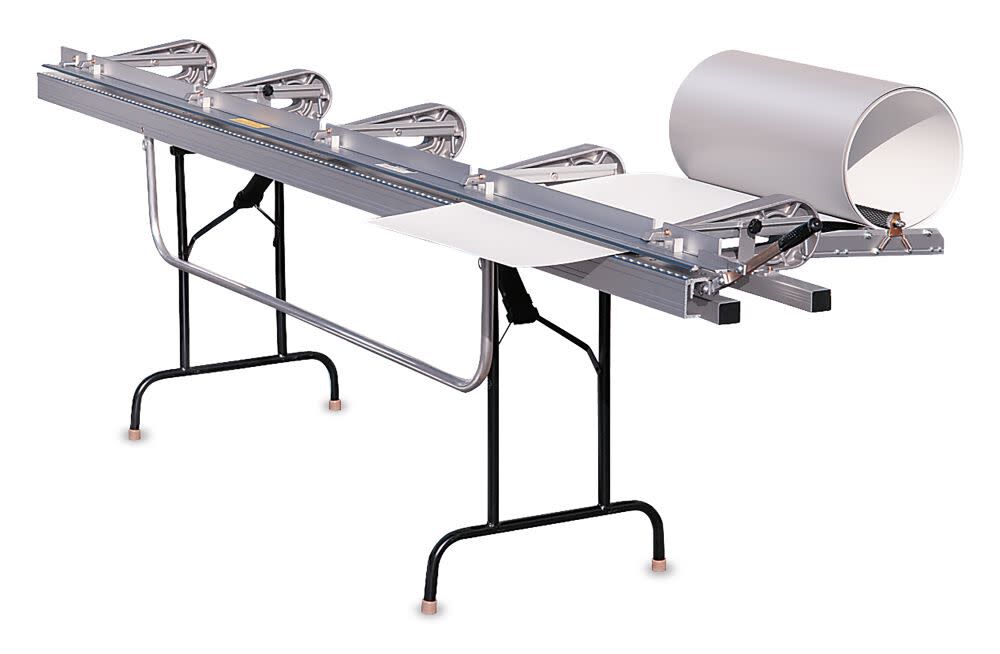
A Tapco siding brake is a hand-operated sheet metal brake built for bending siding, soffit, fascia, and trim. It uses a clamping bar and bending leaf to form clean, repeatable bends in thin gauge metal. Knowing how to use a Tapco siding brake means learning how to clamp, align, score, and bend without distorting the profile. This tool is ideal for vinyl-coated aluminum and light-gauge steel used in siding work.
Tools, materials, and safety
Before you learn how to use a Tapco siding brake, gather tools and follow safety rules.
- Tools to have on hand: tape measure, pencil, square, snips, straightedge, deburring file, clamp.
- Materials: siding coil or trim stock, gloves, safety glasses.
- Safety essentials: wear gloves and eye protection, keep fingers clear of the clamping bar, work on a stable surface.
Always inspect the brake for wear and tight bolts. If the brake is unstable, do not use it until repaired. These steps reduce mistakes when you learn how to use a Tapco siding brake.
Parts of a Tapco siding brake
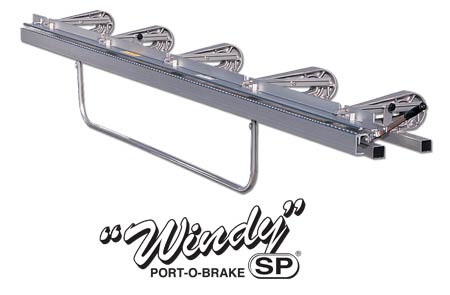
Knowing the parts helps you use the machine well.
- Clamping bar: holds the metal tight while bending.
- Bending leaf: the top section you lift to make the bend.
- Handle: provides leverage for bending.
- End stops: help position and repeat bends.
- Base and feet: keep the unit steady.
Familiarize yourself with these parts before you attempt any bends. This makes learning how to use a Tapco siding brake faster and safer.
Step-by-step: how to use a Tapco siding brake
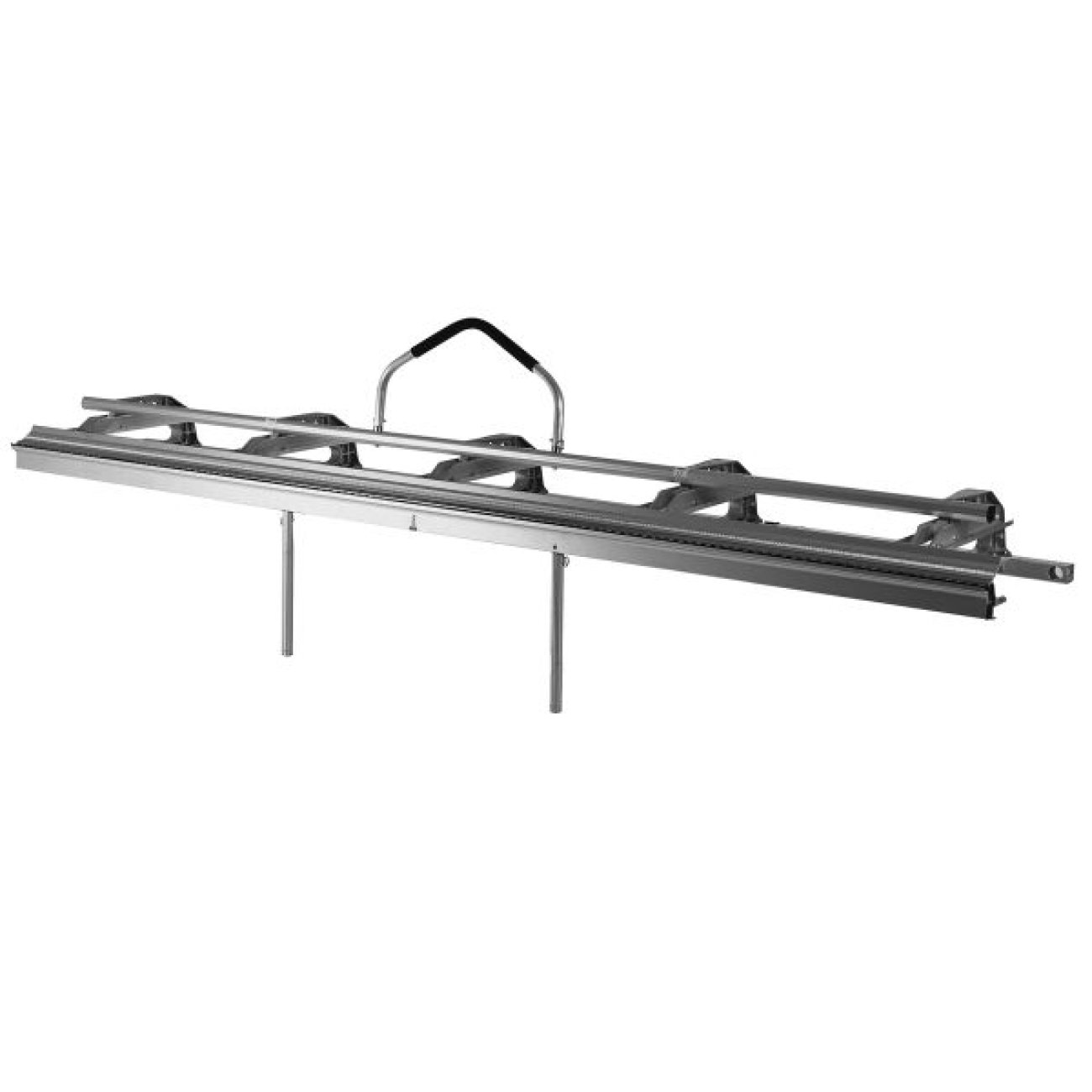
Follow these steps for a reliable bend.
-
Measure and mark
- Measure the piece and mark the bend line with a pencil or marker.
- Use a square to transfer the line across the metal.
-
Set the brake
- Open the clamping bar by lifting the clamp handle.
- Slide the metal under the clamping bar and align the mark with the edge of the bending leaf.
-
Clamp securely
- Lower the clamping bar until it contacts the metal.
- Tighten clamps or cam lock until the metal does not shift.
-
Pre-bend check
- Ensure the metal is straight and the line is visible at the leaf edge.
- Confirm end stops are set if repeating bends.
-
Make the bend
- Pull the bending handle upward evenly.
- Bend slowly; stop and check angle often to avoid over-bending.
-
Release and remove
- Lower the bending leaf and release the clamp.
- Remove the formed piece and inspect the bend for creases or gaps.
Practice small pieces until you get consistent results. Repeat these steps when you want to learn how to use a Tapco siding brake well on real jobs.

Bending techniques and tips
Small technique changes improve results and speed.
- Use light, even pressure during the bend. Jerky motion causes kinks.
- For crisp edges, overbend slightly then straighten back.
- If the metal has a vinyl coating, score lightly on the bend line to prevent cracking.
- Use the end stops for repeatable lengths and angles.
PAA-style question 1: How deep can a Tapco siding brake bend?
- Answer: It bends light-gauge siding and trim, typically up to 24 inches wide and thin gauges only. Heavy plate metal is not suitable.
PAA-style question 2: Can a Tapco brake make tight 90-degree bends?
- Answer: Yes, with practice and correct clamping you can achieve clean 90-degree bends on siding stock.
These tips will help you get crisp bends when you practice how to use a Tapco siding brake.

Common mistakes and troubleshooting
Avoid these frequent errors I’ve seen on jobs.
- Misaligned mark: leads to crooked bends. Re-measure before clamping.
- Under-clamping: metal slips and forms poor edges. Clamp firmly.
- Over-bending: causes springback and wrong angles. Bend incrementally.
- Dented edges: happen from uneven pressure. Use a backing board or softer clamp pad.
If you see a crease, try heating slightly or re-straightening on the brake. If the vinyl coating cracks, the stock may be too brittle or bend radius too tight. Knowing how to use a Tapco siding brake includes learning these fixes.

Maintenance and storage
Keep the brake working with simple care.
- Clean the clamping surfaces after each job.
- Lubricate pivot points lightly once a month.
- Check bolts and hardware and tighten as needed.
- Store dry to avoid rust and corrosion.
Good maintenance extends tool life and keeps bends accurate when you use a Tapco siding brake on frequent projects.
Frequently Asked Questions of how to use a tapco siding brake
What thickness of metal can a Tapco siding brake handle?
Tapco brakes work best with light-gauge siding metals like 26 to 29 gauge aluminum and thin steel. They are not made for thick plate or structural steel.
How do I get a clean 90-degree bend every time?
Measure and mark carefully, clamp the metal firmly, and lift the bending leaf slowly. Use small corrections to reach an exact angle.
Can I bend pre-painted or vinyl-coated siding?
Yes. Bend slowly and avoid sharp radii. Score lightly if necessary and test on scrap to prevent cracking.
How do I fix a bent or kinked piece?
You can often straighten kinks by clamping the piece and bending back gently. Severe damage may need replacement.
Is a Tapco siding brake suitable for professional work?
Yes. Many pros use Tapco brakes for siding and trim. Regular maintenance and correct technique keep results consistent.
Conclusion
You can achieve clean, repeatable bends once you know how to use a Tapco siding brake. Start with good setup, steady clamping, and slow, even bending. Practice on scrap, avoid common mistakes, and maintain your brake for long life. Try a few test bends today and apply the steps here on your next siding or trim job. If this guide helped, subscribe for more practical tips, or leave a comment with your questions.