
Use 24 to 26 gauge steel for siding on a metal brake for best results.
I have worked with metal siding and metal brakes for years. I design, bend, and install panels for homes and light commercial buildings. This guide explains how thick metal for siding metal brake should be, why those thicknesses matter, and how to choose the best gauge for your project. Read on for clear, practical advice, real-world tips, and step-by-step checks to avoid mistakes.

How thick metal for siding metal brake: a practical overview
Choosing how thick metal for siding metal brake depends on the material, the panel profile, and the intended use. Most exterior siding made on a metal brake uses 24 to 26 gauge steel or 0.032 to 0.040 inch aluminum for good balance of strength and brakeability. Thicker metal resists dents but can be harder to bend cleanly. Thinner metal is easy to form but may flex or dent once installed.
Key factors to weigh include wind load, local codes, finish type, and the metal brake capacity. I will walk through the options and trade-offs so you can make a confident choice for siding that looks great and lasts.
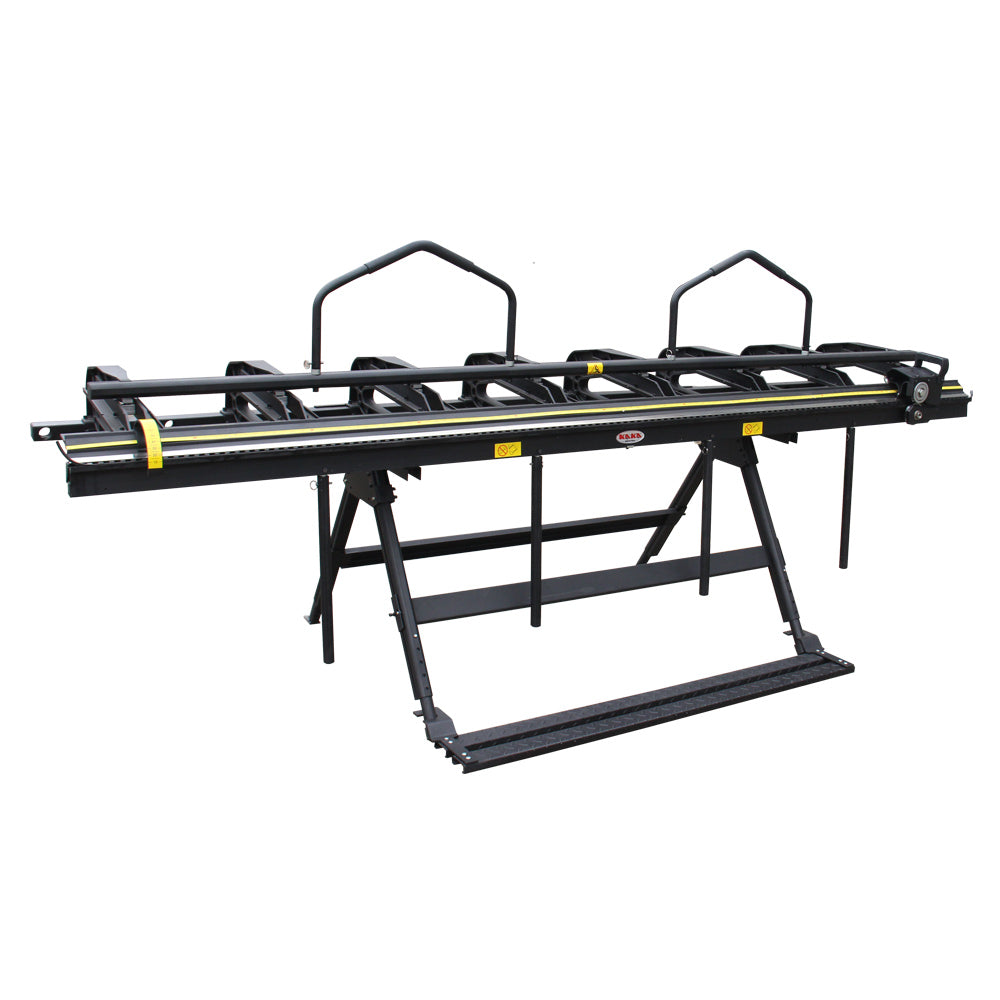
Understanding gauge, thickness, and metal brake capacity
Gauge versus thickness
- Gauge is a number that indicates thickness. For steel, a lower gauge means thicker metal.
- Common siding gauges: 22, 24, 26, and sometimes 28 for specialty panels.
- Numeric gauge differs by metal type. Aluminum gauges do not match steel gauges exactly.
Metal brake capabilities
- A manual bench brake handles thin gauges easily. Heavy-duty brakes can bend thicker metal.
- Check the bend radius limits of your brake. Thicker metal needs a larger radius and more force.
- Overloading a brake causes poor bends and tool damage.
Why thickness matters
- Durability: Thicker metal holds up to impact and foot traffic.
- Formability: Thinner metal bends cleanly and needs less force.
- Fastening: Thicker metal accepts screws and clips without pull-through.
When you ask how thick metal for siding metal brake, consider the brake first. Choose a thickness your brake can form to the tolerances your siding profile needs.

Common metal thicknesses for siding and when to use them
Steel siding options
- 22 gauge steel
- Thickness: about 0.030 inches. Strong and rigid.
- Use for commercial facades, high-wind areas, and exposed trims.
- 24 gauge steel
- Thickness: about 0.025 inches. The most common choice.
- Balanced strength and formability. Ideal for residential siding.
- 26 gauge steel
- Thickness: about 0.018–0.020 inches. Lighter and easier to break.
- Good for decorative siding, soffits, and low-impact areas.
Aluminum siding options
- 0.032 inch aluminum
- Similar in stiffness to 26 gauge steel in many applications.
- Corrosion resistant and easy to bend on a hand brake.
- 0.040 inch aluminum
- Stronger and more dent resistant than 0.032. Common for premium siding.
Copper and zinc
- Specialty metals are thinner by gauge, but offer high longevity.
- These metals require different brake settings and experienced hands.
In short, when deciding how thick metal for siding metal brake should be, match the gauge to use case: 24 gauge for most siding, 26 gauge for light-duty work, and 22 gauge for heavy-duty needs.

Choosing the right material: steel, aluminum, and specialty metals
Steel
- Pros: Strength, price, many finish options.
- Cons: Requires corrosion protection; heavy panels need strong supports.
- Best for: Standard residential and commercial siding.
Aluminum
- Pros: Lightweight, corrosion-resistant, easy to form.
- Cons: Softer, more prone to denting in thin gauges.
- Best for: Coastal areas, lightweight trim, and intricate bends.
Copper and zinc
- Pros: Extremely durable and visually distinct.
- Cons: Expensive and needs expert forming.
- Best for: Accent panels, architectural details, long-term cladding.
When you evaluate how thick metal for siding metal brake should be, include the metal type in your choice. A 26 gauge aluminum behaves differently than 26 gauge steel.

Practical tips for bending siding on a metal brake
Set up and checks
- Inspect the brake for straightness and clean jaws.
- Use a back gauge or marks to locate bends precisely.
- Practice on scrap pieces before bending final panels.
Bending technique
- Use a larger bend radius for thicker metal.
- Make relief cuts or use a segmented brake for tight profiles.
- Heat is not usually needed for residential gauges. Keep bends smooth and steady.
Fastening and finishing
- Pre-drill holes for thicker metals to avoid splitting paint.
- Use washers or neoprene gaskets under fasteners to prevent pull-through.
- Account for paint and finish thickness when planning lap overlaps.
I learned these tips the hard way. Early on, I tried to bend 22 gauge steel on a light bench brake. The bends were poor and edges nicked. Upgrading to a heavy brake solved the issue and saved time.

Installation and performance considerations
Wind and structural load
- Local building codes set minimum metal thickness for wind zones.
- Thicker gauge can mean fewer seams and longer spans between supports.
Thermal movement
- Metals expand and contract with temperature.
- Use sliding clips and allow movement at seams for long runs.
Corrosion and finish
- Choose pre-painted or coil-coated finishes for longevity.
- For steel, consider galvanized or Galvalume substrates.
Maintenance
- Inspect fasteners and sealants periodically.
- Replace damaged panels promptly to avoid water intrusion.
When deciding how thick metal for siding metal brake should be, keep these long-term performance points in mind. Thickness affects not only fit but also durability and maintenance needs.

PAA-style quick questions
What gauge is best for most residential siding?
- For most homes, 24 gauge steel offers the best mix of durability and ease of forming on a metal brake.
Can I bend 22 gauge steel on a hand brake?
- It is possible if the brake is heavy duty. Lighter hand brakes may not give clean bends on 22 gauge steel.
Is aluminum easier to brake than steel?
- Yes. Aluminum forms with less force and is less likely to spring back, but thin aluminum dents more easily.
How do I know my metal brake can handle the chosen thickness?
- Check the manufacturer specs for maximum gauge and recommended radius. Test with scrap metal before committing to production.

Personal experience and mistakes to avoid
Lessons from the field
- Match the metal thickness to the brake, not the other way around. Trying to force too thick metal onto a weak brake causes wasted material.
- Use scrap testing. I once bent an entire batch wrong because I skipped the test piece.
- Mind fasteners. Thin metal looks good but can fail if clips are wrong.
Practical checklist
- Confirm brake capacity.
- Pick material and gauge based on exposure and load.
- Run a test bend and a trial install on a small section.
These simple steps save time and money. They also improve the final look of your siding.

Frequently Asked Questions of how thick metal for siding metal brake
What is the best gauge for residential metal siding?
For most residential siding, 24 gauge steel is the best choice. It balances strength, cost, and ease of forming on a metal brake.
Can I use 26 gauge steel for exterior siding?
Yes. 26 gauge steel is suitable for many exterior siding applications. It is easier to bend and install but may dent more easily than 24 gauge.
Will my metal brake handle 22 gauge steel?
Some heavy-duty brakes will handle 22 gauge steel, but many light bench brakes cannot. Always verify the brake capacity and test with scrap metal.
Does aluminum need a different gauge than steel?
Yes. Aluminum uses different thickness measures. For siding, 0.032 to 0.040 inch aluminum is common and forms more easily than steel of similar gauge.
How does weather affect my gauge choice?
High winds, impact risk, and thermal cycling favor thicker gauges. Check local codes and choose a thicker metal in harsher climates.
Conclusion
Choosing how thick metal for siding metal brake involves matching material, gauge, and tool capacity to the job. Use 24 gauge steel for most siding, consider 26 gauge for lighter work, and reserve 22 gauge for heavy-duty needs when your brake and design allow it. Test bends, follow local codes, and plan for thermal movement and fastening to ensure a long-lasting installation. Take action now: measure your brake, test a scrap piece, and pick the metal that fits both your design and your tools. Share your experience or ask questions below to continue the conversation.