
Store the siding brake clean, dry, covered, supported, and lightly oiled in a climate-controlled spot.
I have managed and stored many sheet-metal tools, so I know what keeps a siding brake ready and rust-free. This guide on how to store a siding brake explains step-by-step preparation, safe layouts, protection methods, and ongoing care. Read on to learn practical tips, rack designs, and maintenance routines that save time and prevent damage.

Why proper storage matters for a siding brake
How to store a siding brake matters because these tools are precise and heavy. Improper storage causes rust, warped blades, and bent frames. A damaged brake delays work and costs money. Good storage preserves accuracy, extends life, and keeps your shop safe.

Inspect and prepare the siding brake for storage
How to store a siding brake starts with inspection. Walk around the machine and check for loose bolts, bent fingers, and worn clamps. Remove detachable parts and label them. Document the brake’s condition with a quick photo for later reference.
Cleaning and protecting metal surfaces
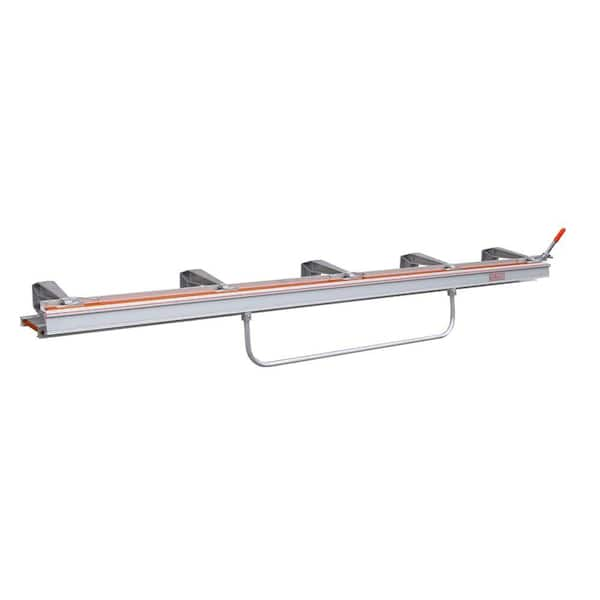
How to store a siding brake safely requires thorough cleaning. Remove dirt, metal shavings, and old lubricants with a brush and a lint-free cloth. Wipe down all metal parts with a light solvent, then dry immediately. Apply a thin coat of corrosion inhibitor or light machine oil to protect surfaces and jaws.
Disassembly and securing parts
How to store a siding brake often means removing small parts for protection. Take off loose handles, pins, and removable jaws if your model allows it. Place small parts in labeled bags and store them in a lockable box. Secure moving parts with shop towels or foam to prevent contact and scratches.

Best long-term storage methods
How to store a siding brake for long-term storage depends on space and weight capacity. Use one of these proven methods:
- Store upright on a strong pallet to keep hydraulic or torsion loads stable. Ensure forklift access.
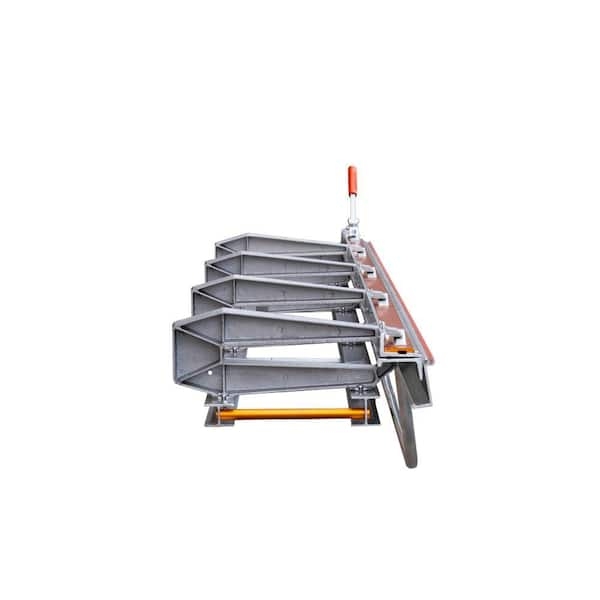
- Place the brake on a low, sturdy rack that supports the frame across its length. Support every 24 to 36 inches to avoid sag.
- For very long brakes, use cradles with padded contact points to avoid frame distortion.
- Cover the entire unit with a breathable tarp or canvas cover to block dust while avoiding trapped moisture.
These methods prevent sag, rust, and accidental knocks that warp the tool.

Storage for small portable siding brakes
How to store a siding brake that is portable requires less heavy gear but the same care. Store on a shelf that supports the footprint. Use foam or rubber pads under feet to reduce vibration and dings. Keep portable brakes in a dry closet or cabinet and hang handles separately to avoid bending.
Climate, location, and rack design
How to store a siding brake well means choosing the right spot. Ideal storage features:
- Low humidity to reduce rust.
- Stable temperature to avoid metal contraction and expansion.
- A clean, dust-free environment.
- Shelving or racks made from treated wood, steel, or powder-coated metal.
Design racks to spread weight evenly. Use wood or soft pads at contact points to avoid scratches. If the shop is humid, add desiccant packs or a small dehumidifier near stored tools.

Maintenance while in storage
How to store a siding brake includes periodic checks. Every 1 to 3 months do these tasks:
- Inspect for rust or condensation and reapply light oil if needed.
- Cycle the brake gently to keep moving parts free.
- Tighten bolts and check fasteners that may loosen over time.
- Replace desiccants and ensure covers remain dry.
My experience shows these short checks prevent expensive repairs and keep the brake ready for work at a moment’s notice.
Common mistakes and how to avoid them
How to store a siding brake goes wrong when people skip basics. Avoid these mistakes:
- Storing outside under a loose tarp. Moisture gets trapped and causes rust.
- Letting the brake rest on uneven supports. This causes frame twist and misalignment.
- Not removing small parts. Handles and pins can bend or get lost.
- Over-oiling moving parts. Thick grease attracts dirt and holds moisture.
Follow simple steps and you will avoid most common failures.
Personal tips and lessons learned
How to store a siding brake from my shop experience:
- Mark each part when you disassemble it. Photos saved me hours later.
- Build simple wooden cradles with felt pads. They are cheap and work well.
- Keep a small log near the brake with dates of oiling and checks.
- When moving a heavy brake, always use two people or proper lifting gear to prevent injury and damage.
These small habits keep a siding brake ready and accurate for years.
Frequently Asked Questions of how to store a siding brake
How often should I inspect a stored siding brake?
Inspect a stored siding brake every 1 to 3 months. Check for rust, loose parts, and moisture, and reapply light oil as needed.
Can I store a siding brake outside under a tarp?
Storing a siding brake outside is not recommended. A tarp can trap moisture and cause rust; climate-controlled indoor storage is best.
Should I remove the blades before storage?
If your brake allows blade removal, take them off and store flat with padding. This reduces risk of edge damage and misalignment.
What is the best cover for a siding brake?
Use a breathable canvas or cotton cover. Plastic sheeting can trap moisture and increase corrosion risk.
How do I prevent sagging on long brakes?
Support long brakes every 24 to 36 inches on padded cradles or racks. Even support prevents permanent bending and maintains accuracy.
Conclusion
Storing a siding brake correctly saves time, money, and frustration. Clean the machine, protect metal surfaces, disassemble loose parts, and choose stable, dry storage with even support. Check the brake regularly and follow the simple maintenance steps to keep it ready for work. Take one small action today: make a storage plan, build simple padded supports, and record your first inspection. If this guide helped you, subscribe for more shop tips or leave a comment with your storage setup.