
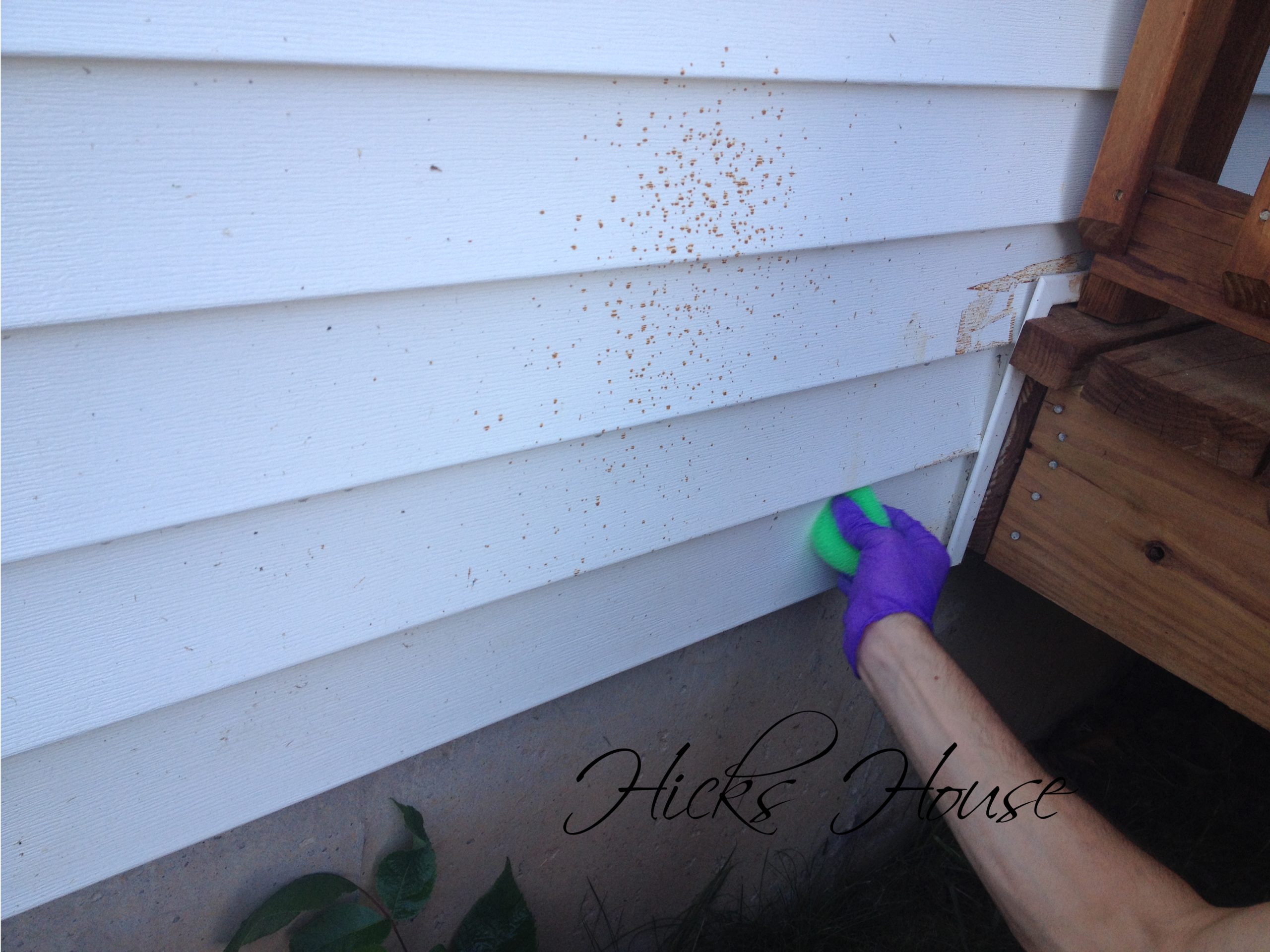
Use the right cleaner for the stain and siding, scrub gently, then rinse well.
If you want to know how to get stain off siding without damage, you are in the right spot. I’ve cleaned hundreds of homes in every season. In this guide, I show you proven, safe methods for every common stain and every major siding type. You will learn what works, what to avoid, and how to keep stains from coming back.
What causes stains on siding
Stains happen for many reasons. The right fix starts with the right cause. Here are the most common ones I see on homes:
- Green algae and mildew. Warm, damp shade makes this spread fast.
- Black mold. This shows on north walls and near wet plants.
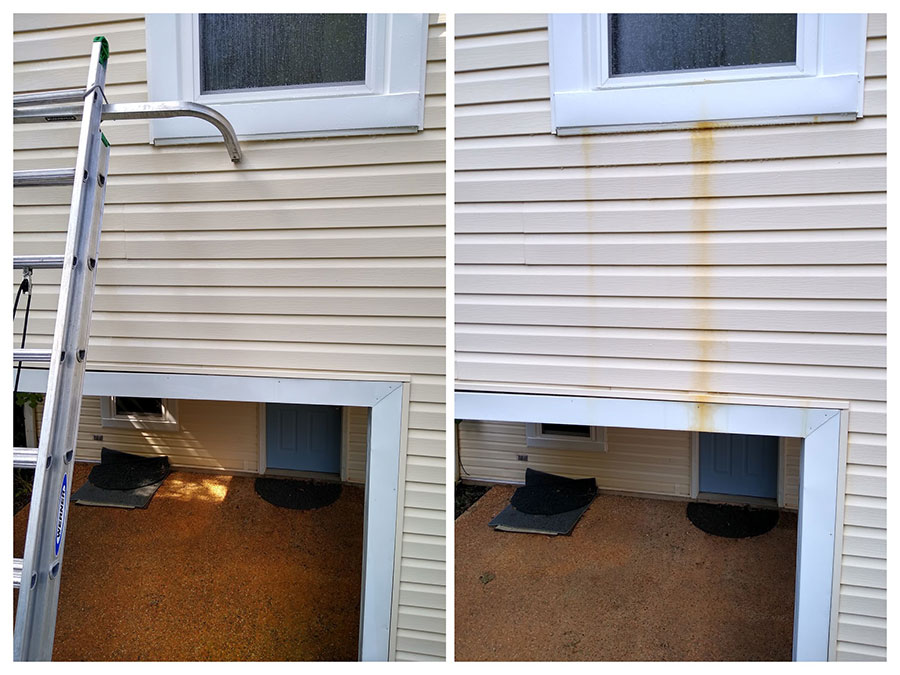
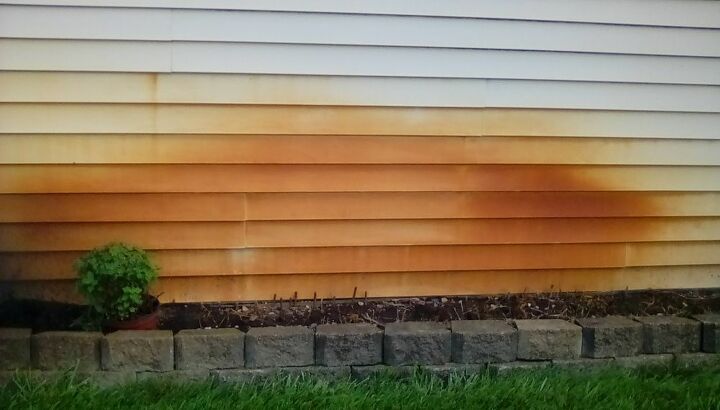
- Rust. Nails, metal trim, AC runoff, and hard water can leave orange marks.
- Tannin bleed. Wood knots or leaves can drip and stain light colors.
- Oxidation. Old vinyl and aluminum chalk and look dull and gray.
- Soot and pollution. Near roads or grills, siding can get greasy film.
- Dirt and clay. Rain splash hits the bottom rows first.
- Paint or deck stain overspray. Wind can carry it far.
If you ask how to get stain off siding, start by naming the stain. Then match the right cleaner and tool. That is how you clean fast and safe.

Safety, prep, and a quick test
Good prep saves time and stops damage. Do these steps before you start:
- Read your siding warranty and any care guide. Some cleaners can void it.
- Gear up. Wear gloves, eye protection, and non-slip shoes.
- Protect plants. Rinse them with water. Cover with light cloth if you use bleach.
- Shut or cover exterior outlets and lights. Use a GFCI cord if needed.
- Move grills, furniture, and cars away from spray.
- Test first. Pick a small, hidden spot. Apply the mix. Wait. Rinse. Check for color change.
I learned early that prep is half the job. Skipping a test once cost me a repaint on a small trim piece. Take two minutes to test. It pays off.

The right method by siding type
Each siding needs its own touch. Here is how to get stain off siding by material:
Vinyl siding
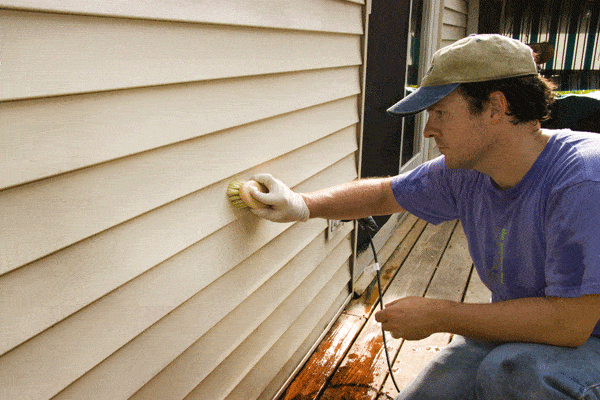
- Use a soft brush or a microfiber mop.
- Cleaners: mild soap, oxygen bleach, or a 1:10 bleach mix for algae and mold.
- Pressure washer: 500–1,200 PSI, 40-degree tip. Spray level or down, not up.
Fiber cement (painted)
- Use mild soap or oxygen bleach. Avoid strong bleach if paint is old.
- Soft brush only. Do not blast seams with water.
- Rinse well to avoid streaks.
Painted wood
- Gentle soap first. For mildew, use oxygen bleach. Bleach can dull flat paint.
- Keep water low and steady. Do not soak boards or seams.
- If stains remain, spot-prime and touch up paint.
Natural wood (cedar, redwood)
- Use wood-safe cleaner or oxygen bleach. Avoid chlorine bleach.
- For tannin bleed or rust, use oxalic acid per label.
- Rinse well and let dry. Then seal if needed.
- Use mild soap or dedicated oxidation remover for chalk.
- Low pressure and a soft brush. Aluminum can dent fast.
Stucco or EIFS
- Stick to low-pressure rinse and gentle cleaners.
- For algae, oxygen bleach works well. Avoid forcing water into cracks.

Stain-specific removal guide
When you ask how to get stain off siding, match the stain to the fix:
Algae and mildew
- Mix 1 part household bleach to 10 parts water with a small amount of dish soap.
- Apply from bottom up. Let sit 5–10 minutes. Gently scrub. Rinse top down.
- Use oxygen bleach if you want a plant-safe route.
Black mold
- Use the same 1:10 bleach mix or a mold remover. Let dwell longer, up to 10 minutes.
- Scrub with a soft brush. Rinse until the smell is gone.
Rust and tannin
- Use oxalic acid cleaner. It clears orange and brown marks.
- Apply as a gel to avoid runs. Rinse well. Repeat if needed.
Hard water and efflorescence
- White vinegar diluted 1:3 with water breaks mineral spots.
- Apply, wait 5 minutes, and wipe. Rinse. Repeat for heavy scale.
Grease, smoke, and soot
- Use a degreasing soap or all-purpose cleaner. Warm water helps.
- Wipe with a microfiber pad. Rinse to avoid film.
Oxidation on vinyl or aluminum
- Use an oxidation remover or a vinyl restorer.
- Work in small zones. Rinse and dry. Do not let product dry on the wall.
Never mix bleach with ammonia or acids. Vent well and keep kids and pets away during work.

Step-by-step: a safe cleaning workflow
This is my field-tested process for how to get stain off siding with less mess and risk:
- Dry brush
- Knock off spider webs, dust, and loose growth.
- Pre-wet
- Lightly wet the wall and nearby plants. This reduces streaks.
- Mix cleaner
- Choose the right mix. Soap for dirt. Oxygen bleach for organic stains. Bleach 1:10 for heavy green or black growth.
- Apply bottom to top
- This avoids streaks on dry areas.
- Dwell time
- Wait 5–10 minutes. Do not let it dry. Mist if needed.
- Agitate
- Use a soft brush or mop. Work with the lap of the siding.
- Rinse top to bottom
- Keep the spray level or pointing down. Do not shoot water up under laps.
- Spot-treat
- For rust or tannin, apply oxalic acid gel. Rinse and check.
- Final check
- Step back and look for shadows or missed spots. Repeat on small areas only.
Common mistakes to avoid
- Spraying up into seams. This drives water behind the wall.
- Too much pressure. It etches paint and snaps vinyl.
- Skipping dwell time. Most cleaners need time to work.
- Letting cleaner dry on hot, sunny walls. Work in shade if you can.
Tools, cleaners, and mix ratios
The right tools make the job easier and safer:
Essential tools
- Soft bristle brush on an extension pole
- Microfiber mop head for quick coverage
- Garden sprayer or foam cannon
- 40-degree pressure washer tip or a hose with a fan nozzle
- Buckets, measuring cup, and clean rags
Cleaner options and typical ratios
- Mild dish soap: 1–2 ounces per gallon of warm water
- White vinegar for minerals: 1 part vinegar to 3 parts water
- Oxygen bleach: per label, often 1/2–1 cup per gallon
- Chlorine bleach mix for algae/mold: 1 part bleach to 10 parts water with a splash of soap
- Oxalic acid for rust/tannin: gel or 2–8% solution, per label only
Pressure and technique notes
- 500–1,200 PSI is plenty for most siding.
- Use a 40-degree tip and keep the wand at least 12–18 inches away.
- Spray level or down, never up into laps or seams.
Eco-friendly and DIY options
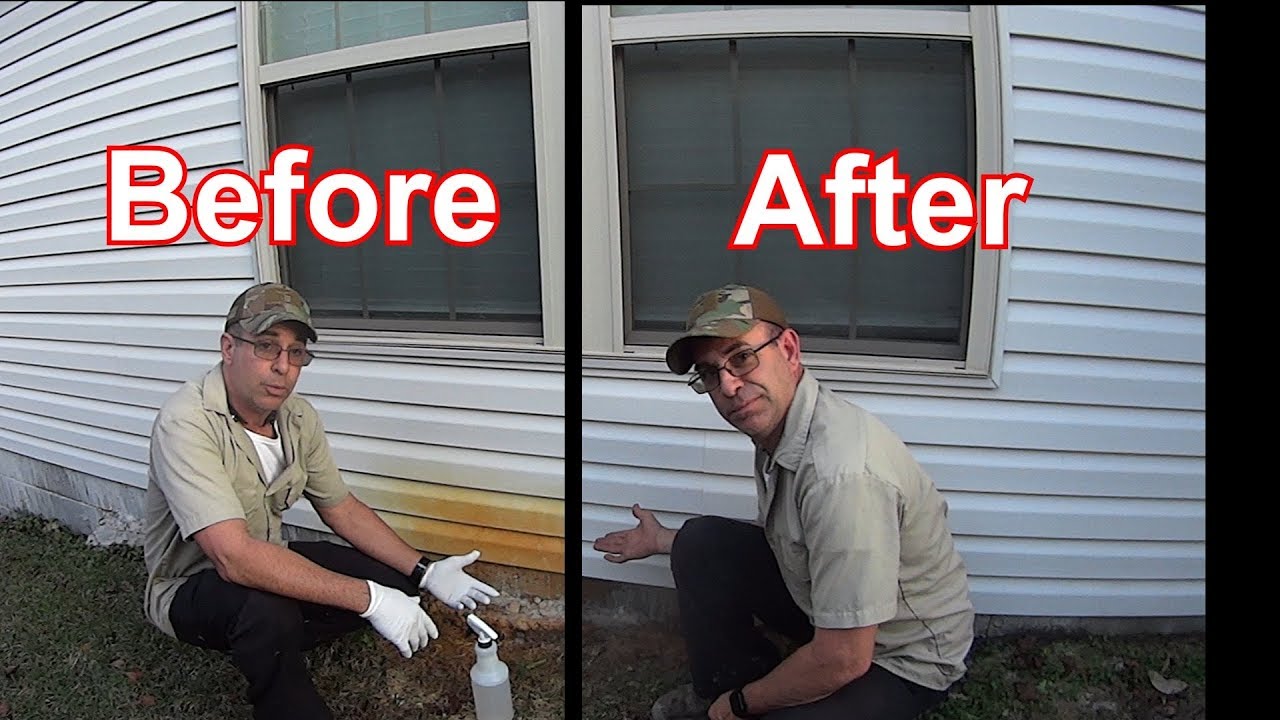
You can learn how to get stain off siding with green methods too:
- Oxygen bleach. It is color-safe, low odor, and plant-friendly when used right.
- Vinegar mix. Great for hard water spots and light mildew.
- Baking soda paste. Good for sticky spots and soot on small areas.
- Hydrogen peroxide 3%. Works on mildew on painted surfaces.
Tips for safer use
- Pre-rinse plants and soil. Rinse again after cleaning.
- Work in shade. This helps prevent rapid drying and spots.
- Collect rinse water if local rules require it.
I often start with oxygen bleach on north walls. In a wet spring job, this cleared green algae without hurting the garden beds. It took one pass and a light scrub.

Prevent stains from coming back
How to get stain off siding is step one. Keeping it off is step two:
- Clean yearly. A soft wash each spring keeps growth down.
- Trim plants 12–24 inches off the wall. Let the wall breathe.
- Fix gutters and downspouts. Stop water that runs down walls.
- Redirect sprinklers. Do not spray the house.
- Seal or paint when due. Use paint with a mildewcide where allowed.
- Avoid dark soot. Move grills away from siding. Use lids.
These small habits save you money over time. Most of my repeat clients now need only a quick soap wash each year.
Troubleshooting and when to call a pro
Sometimes how to get stain off siding calls for expert help:
Call a pro if
- The house is tall or steep and you lack safe access.
- Stains return fast even after treatment. You may have moisture issues.
- You see chalking paint, rot, gaps, or loose panels.
- There is lead paint or asbestos-cement siding.
- Rust streaks come from hidden fasteners or metal trim.
If you still want DIY, start small and slow. Use a gentle cleaner. Build up only as needed. This protects both your home and your budget.
Frequently Asked Questions of how to get stain off siding
What is the safest cleaner for vinyl siding?
Mild soap and water are the safest. For algae or mildew, use oxygen bleach or a 1:10 bleach mix with care.
Can I use a pressure washer to get stain off siding?
Yes, at low pressure with a wide tip. Keep the spray level or down and stay 12–18 inches away.
How do I remove rust stains on siding?
Use an oxalic acid cleaner or gel on the stain. Let it dwell a few minutes, then rinse well.
Will vinegar damage siding?
Diluted vinegar is safe on most vinyl and painted surfaces. Avoid long contact with bare metal and rinse well.
How often should I clean my siding?
Most homes do well with a light wash once a year. Shady or damp walls may need a quick mid-season touch-up.
What if stains keep coming back after cleaning?
Check for moisture problems, clogged gutters, or sprinklers hitting the wall. Treat with the right cleaner and improve airflow around plants.
Can bleach discolor siding?
Strong bleach or long dwell time can dull color. Use a 1:10 mix, test first, and rinse well.
Conclusion
You now know how to get stain off siding the smart way. Identify the stain, match the cleaner, use gentle tools, and rinse well. Protect plants, test first, and keep water out of seams. A short wash each year prevents most problems.
Pick one wall today and try a small, safe test. You will see fast results and gain confidence. Want more tips like this? Subscribe for simple, proven home care steps that save time and money.