
For spray paint on siding: start with soap, then safe solvents and gentle scraping.
If you want to know how to get spray paint off siding with the least risk, you are in the right place. I have removed overspray and full-on tags from vinyl, wood, fiber cement, metal, and brick. This guide shows proven steps, safe products, and smart checks. You will learn what works, what to avoid, and how to save your siding, step by step.
Understand Your Siding and the Paint You Are Removing
Removing spray paint is not one-size-fits-all. Your method must match the siding. Your product must match the paint. That is why how to get spray paint off siding starts with a simple check.
Spray paint types:
- Water-based acrylic. Easier to lift when fresh. Soap and water helps first.
- Oil-based enamel. Needs a solvent like mineral spirits or a graffiti remover.
- Two-part or specialty paints. Harder to remove. You need stronger products and more time.
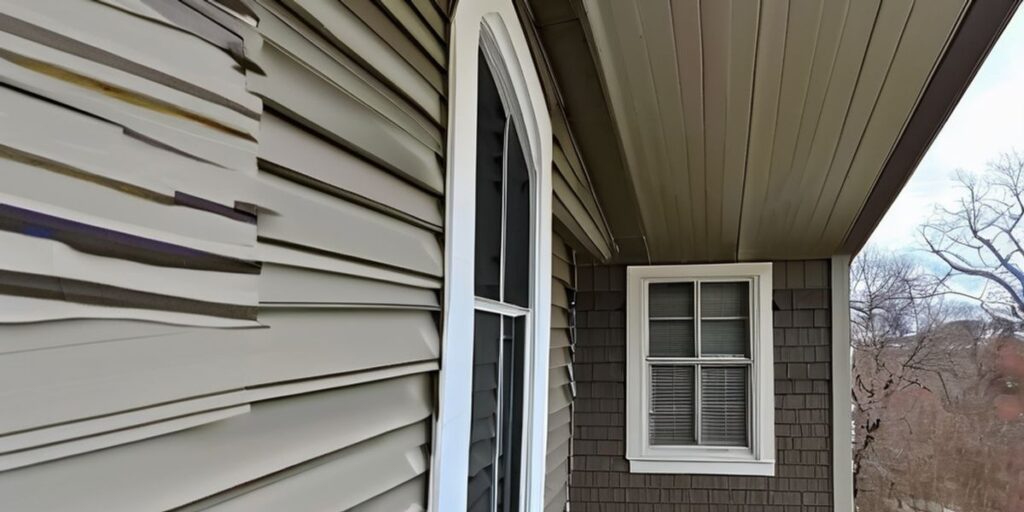
- Vinyl. Soft and prone to dulling. Strong solvents can warp or stain it.
- Fiber cement. Durable, but the factory finish can scuff. Use safe dwell times.
- Wood. Can absorb paint. Avoid high pressure and harsh scraping.
- Aluminum or steel. Strong but can scratch. Some cleaners can stain bare metal.
- Brick or stone. Porous. Paint soaks in. You often need a remover plus pressure washing.
Test first. Pick a hidden spot. Wait for the area to dry. Check for color loss, haze, or warping. This is the golden rule in how to get spray paint off siding.

Gear Up: Tools, Products, and Safety
Gather the right tools before you start. It keeps you safe and saves time.
Safety gear:
- Nitrile gloves
- Eye protection
- Mask or respirator rated for organic vapors
- Long sleeves
- Good airflow or outdoor work
Basic tools:
- Buckets, hose, and spray bottle
- Soft bristle brush and microfiber cloths
- Plastic scraper and old credit card
- Melamine sponge
- Painter’s tape and plastic sheeting
Cleaners and removers:
- Dish soap and warm water
- Isopropyl alcohol, 70–91%
- Mineral spirits (low odor)
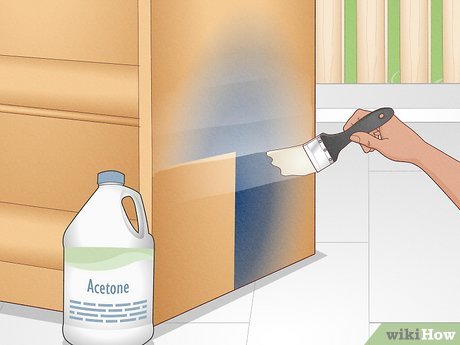
- Acetone for spot use on hard, non-plastic surfaces
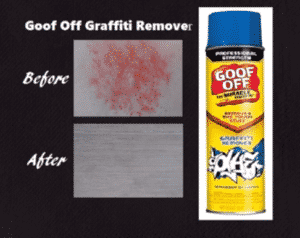
- Citrus-based graffiti remover (d-limonene)
- Benzyl alcohol–based graffiti remover
- Non-methylene-chloride gel remover for masonry
Important notes:
- Never mix bleach and ammonia. It makes toxic gas.
- Keep heat guns off vinyl. They warp it fast.
- Avoid lacquer thinner on vinyl. It can melt or dull it.
- Follow product labels and safety data. Time and rinse steps matter.

Fast-Action Plan for Fresh Overspray (0–24 Hours)
Fresh paint is easy to lift. Move fast and stay gentle. This plan is my go-to for how to get spray paint off siding when the paint is still soft.
- Rinse the area with a hose. Remove dust and loose paint.
- Wash with warm water and dish soap. Use a soft brush.
- Blot with a microfiber towel. Do not grind the paint in.
- For water-based spray paint, repeat soap wash. For oil-based paint, try mineral spirits on a cloth. Rub lightly.
- For tight spots, use a melamine sponge with soapy water. Use light pressure.
- Use a plastic scraper at a low angle to lift edges.
- Rinse well. Step back. Repeat the light steps as needed.
Pro tip from the field: If I can reach overspray within two hours, I almost never need strong removers. Patience and repeats beat brute force.
Deep-Clean Methods by Siding Type
Choosing the right method by material is the heart of how to get spray paint off siding without damage. Here is what works on each surface from my real jobs.
Vinyl Siding
- Start with soap and water. Rinse and review.
- Try isopropyl alcohol on a cloth. Blot, do not scrub.
- Use a citrus-based remover on a cloth. Keep the dwell time short, like 30–60 seconds. Rinse right away.
- If needed, try mineral spirits. Use very light pressure. Rinse often.
- Finish with a vinyl restorer if the gloss looks dull.
Common mistake I made once: I used lacquer thinner on vinyl. It dulled the sheen and left a haze. Do not do this.
Fiber Cement Siding
- Wash with soap and water first.
- Use benzyl alcohol–based graffiti remover. Let it sit for 2–5 minutes. Keep it wet.
- Gently brush. Do not gouge the finish.
- Rinse with a hose or low-pressure washer.
- For faint shadows, use a non-abrasive polishing compound. Rinse and dry.
- If the stain remains, spot prime with a stain blocker and touch up paint.
Wood Siding
- Wash and rinse to lift dust.
- Try mineral spirits on a cloth. Work with the grain.
- For deeper paint, use a gel remover. Let it work 5–10 minutes. Scrape with a plastic tool.
- Rinse with low pressure. 500–800 PSI is plenty.
- Sand lightly only if needed. Seal or repaint bare spots.
Never use a wire brush on wood siding. It scars the fibers and makes the area hard to blend.
Aluminum or Steel Siding
- Start with soap and water.
- Spot clean with mineral spirits or isopropyl alcohol.
- If needed, use a citrus remover. Short dwell. Rinse fast.
- Avoid strong alkali cleaners on bare metal.
- Dry the area to prevent water marks.
Brick, Block, or Stone
- Wet the wall. Keep the pores from sucking in more remover.
- Apply a masonry-safe graffiti remover or gel. Keep it wet per label.
- Agitate with a stiff nylon brush.
- Rinse with a pressure washer. Use a fan tip. 2000–2500 PSI is common for brick.
- Repeat as needed. Some ghosting can remain in old, porous brick.
- Seal the area after it dries to make future cleanup easier.

Using Pressure Washers the Right Way
Pressure helps on hard surfaces. Used wrong, it can etch or drive paint deeper. In how to get spray paint off siding, pressure is a helper, not the first move.
Best practices:
- Use a fan tip, 25–40 degrees. Never use a zero-degree tip.
- Start at low PSI. Move up only as needed.
- Hold the wand 12–18 inches from the surface. Keep it moving.
- For vinyl: 1200–1600 PSI.
- For wood: 500–1200 PSI.
- For fiber cement: 1500–2000 PSI.
- For brick: 2000–2500 PSI.
- Pre-wet the area. Apply detergent or remover. Let it dwell. Then rinse.
Hot water (up to about 140°F) can boost results on masonry and metal. Avoid heat on vinyl.

Solvent and Graffiti Remover Guide
Here is how common removers behave on typical siding. This helps you pick the right tool for how to get spray paint off siding with less risk.
Safer first options:
- Dish soap and warm water. Great for fresh paint. No risk.
- Isopropyl alcohol. Good on vinyl and metal for fresh marks. Short dwell times.
- Mineral spirits. Good for oil-based spray paint. Gentle on many finishes.
- Citrus-based removers (d-limonene). Effective and lower odor. Watch dwell times on vinyl.
Stronger options:
- Benzyl alcohol–based removers. Effective on cured paint. Often safe on many coatings. Test first.
- Acetone. Very fast. Use only on hard, non-plastic surfaces or tiny spots. Test and rinse fast.
- Non-methylene-chloride gel removers. Useful on masonry or wood. Keep off vinyl.
Rules to follow:
- Test a small, hidden area first.
- Work in the shade. Heat speeds up damage.
- Keep the surface wet during dwell. Do not let remover dry.
- Neutralize as the label says. Then rinse well.
Stain Shadows, Oxidation, and Touch-Up
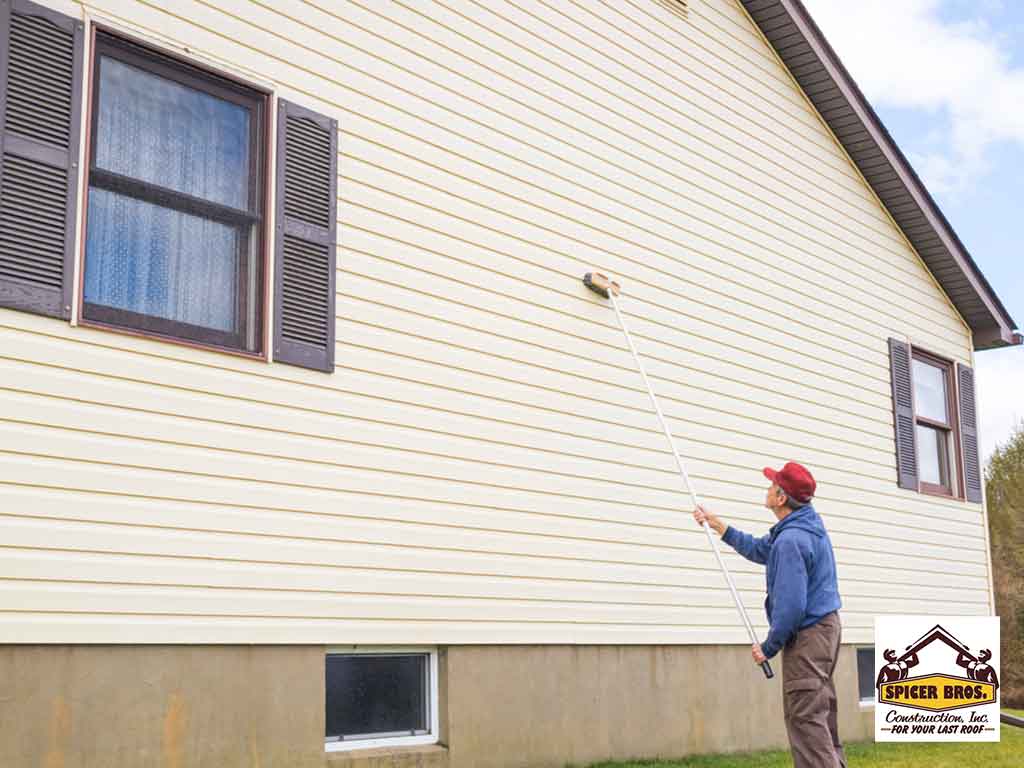
Even after the paint lifts, a faint shadow may stay. UV fade and old grime can make clean zones pop. This is a normal step in how to get spray paint off siding to a like-new look.
Try these fixes:
- Vinyl: Use a vinyl oxidation cleaner or restorer. Lightly buff with a soft pad.
- Fiber cement: Use a non-abrasive polishing compound. If needed, spot prime and paint.
- Wood: Spot sand and seal. Blend sheen with satin or semi-gloss coatings.
- Metal: Use a gentle automotive rubbing compound. Wax if the surface allows.
- Brick: Apply a poultice paste for deep stains. Rinse and let dry for 24–48 hours.
When paint remains in the pores or the finish is aged, a small repaint may be the cleanest path.

What It Costs, How Long It Takes, and When to Call a Pro
People ask how to get spray paint off siding without losing a weekend or a paycheck. Here is a simple guide.
Typical costs:
- Soap, brushes, cloths: low cost
- Alcohol, mineral spirits, citrus remover: low to moderate cost
- Benzyl alcohol–based removers: moderate cost
- Gel removers and poultices: moderate to higher cost
- Pressure washer rental: moderate cost per day
Time estimates:
- Fresh overspray, small area: 30–60 minutes
- Cured paint, vinyl or metal: 1–2 hours
- Masonry with deep soak: 2–4 hours with repeats
Call a pro when:
- The tag covers a large area or high wall
- You see lead-based paint or old coatings
- You have delicate historic surfaces
- You tried twice and the stain still shows
Pros have heated washers, specialty removers, and recovery gear. They cut risk and speed the job.
Prevention: Keep Spray Paint Off Siding Next Time
The best trick in how to get spray paint off siding is to stop it before it lands.
Smart steps:
- Mask with plastic sheeting and tape. Cover windows and trim.
- Use masking film with a static cling for fast setup.
- Watch the wind. Do not spray when gusts blow toward the house.
- Use a spray shield or cardboard edge near corners.
- Choose low-overspray tools like HVLP or airless with fine-finish tips.
- Keep a small cleanup kit on hand. Fast action saves hours.
Frequently Asked Questions of how to get spray paint off siding
What removes spray paint from vinyl siding without damage?
Start with soap and water, then try isopropyl alcohol. If needed, use a citrus-based remover with a very short dwell and rinse well.
Can I use acetone on siding?
Use acetone only on hard, non-plastic surfaces and tiny spots. Avoid it on vinyl because it can melt or dull the surface.
Will a pressure washer take spray paint off siding?
Yes, on masonry and some fiber cement it helps a lot. Keep PSI low on vinyl and wood, and always use a fan tip.
How do I get rid of spray paint shadows on brick?
Use a masonry-safe remover, let it dwell, then pressure wash. For deep stains, apply a poultice and consider a sealer after drying.
Is Goo Gone or a citrus remover safe for siding?
Often yes, with short dwell times and a fast rinse. Test first on vinyl or painted finishes to avoid softening or gloss loss.
What if the spray paint has fully cured?
You may need a stronger remover or more repeats. On porous surfaces, plan for dwell time, gentle scrubbing, and pressure washing.
How to get spray paint off siding fast without special tools?
Use warm soapy water, a microfiber cloth, a plastic scraper, and a melamine sponge. Act within hours for best results.
Conclusion
You can remove spray paint from siding with calm steps, the right product, and a good test spot. Start gentle. Match the method to your siding. Work in short cycles, rinse often, and keep safety first. That is the core of how to get spray paint off siding without stress.
Ready to start? Gather your kit, test a small area, and follow the steps above. Want more tips like this? Subscribe, share your results, or ask a question in the comments.