
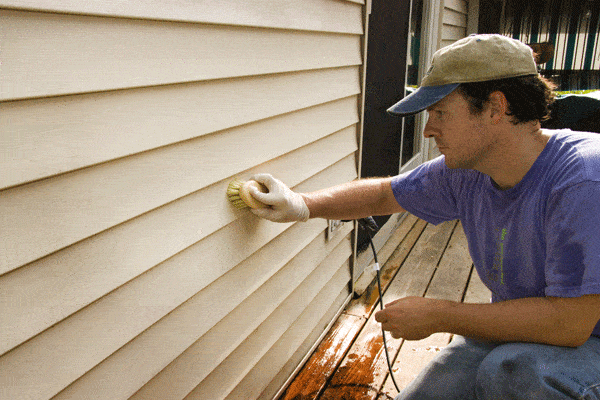
Use mild cleaners first — soap, water, and an oxygen bleach soak usually remove deck stain.
I’ve cleaned many homes and decks. If you want to know how to get deck stain off vinyl siding, this guide gives real steps that work. You’ll learn why stains happen, which cleaners to use, and safe, step-by-step methods for water‑ and oil‑based stains. I’ll share hands‑on tips I learned on actual jobs, common mistakes to avoid, and quick checks to protect your siding and landscaping. Read on to solve the problem with confidence and without damage.

Why deck stain gets on vinyl siding
Deck stain lands on vinyl siding for simple reasons. Splashing while staining, wind, drips on tools, and brushes touching rails all spread stain. Sun and heat can also make a thin stain set quickly on vinyl. Knowing the cause helps pick the right removal method.
Common ways stains transfer
- Splashing from a stain can or brush.
- Wind carrying fine stain mist.
- Drips on hands, then touching siding.
- Runoff from a wet deck after staining.
Why the stain sticks to vinyl
- Vinyl is smooth but not perfectly nonstick.
- Pigments and dyes in stain can cling to tiny surface scratches.
- Heat can accelerate polymer bonding.
Signs a stain is set or fresh
- Fresh stains look wet or tacky. They are easier to clean.
- Dried stains are dull and may need stronger cleaners.
- Dark or resinous stains may be oil‑based and tougher.

Safety and tools you need
Use the right tools. Safety matters. A few common items make the job easy and safe.
Essential safety gear
- Rubber gloves to protect skin.
- Eye protection when using cleaners or pressure washers.
- Mask if using solvents or working in confined areas.
Basic tools and supplies
- Soft scrub brush or sponge.
- Bucket and warm water.
- Mild dish soap and oxygen bleach (color‑safe).
- Rubbing alcohol and mineral spirits for tough spots.
- Plastic scraper or putty knife to lift dried blobs.
- Garden hose or low‑pressure washer with fan tip.
Protect plants and surfaces
- Wet nearby plants and cover them with plastic before using chemicals.
- Rinse the ground often to dilute runoffs.
- Test cleaners on a small hidden area first.

Step‑by‑step methods to remove deck stain from vinyl siding
Choose methods from mild to strong. Always test first. Work top to bottom so runoff doesn’t re‑soil clean areas.
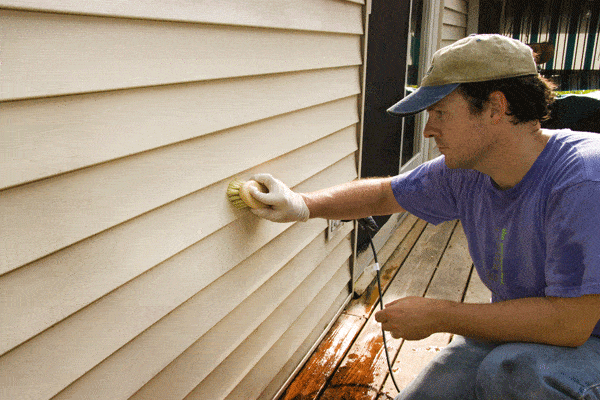
Method 1: Soap, water, and elbow grease (best first step)
- Mix warm water and a few drops of dish soap.
- Scrub with a soft brush in a circular motion.
- Rinse well and repeat if needed.
Why it works - Many stains are still on the surface. Soap lifts pigment and oils.
Method 2: Oxygen bleach soak for set stains
- Mix oxygen bleach per label (usually 1 scoop to 1 gallon water).
- Apply with a sponge or low‑pressure spray.
- Let sit 10–15 minutes. Do not let dry fully.
- Scrub and rinse thoroughly.
Why use it - Oxygen bleach removes pigment without harsh solvents and is safe on vinyl when used as directed.
Method 3: Rubbing alcohol for small spots
- Dampen a cloth with rubbing alcohol.
- Rub the stain gently until it lifts.
- Rinse the area with water.
When to use - Best for small splatters of water‑based stains or shellac‑type marks.
Method 4: Mineral spirits for oil‑based stains
- Test in a small area first.
- Apply a small amount to a cloth and rub gently.
- Rinse immediately after cleaning.
Precautions - Work in a ventilated area and avoid open flames.
- Do not use strong solvents on faded or brittle vinyl.
Method 5: Commercial vinyl cleaners or degreasers
- Choose a cleaner labeled safe for vinyl.
- Follow the maker’s directions and test first.
Method 6: Low‑pressure washing (use with care) - Use a wide 25–40° nozzle at low pressure.
- Keep at least 2 feet from the siding.
- Avoid concentrated jets that can force water behind panels.
When to call a pro
- Large areas of deep staining.
- Old, baked‑on stains that resist all DIY methods.
- If you fear damage to siding or trim.

Matching the method to stain type: water‑based vs oil‑based
Identify the stain before you act. The right cleaner depends on stain chemistry.
Water‑based stains
- Respond well to soap, oxygen bleach, and rubbing alcohol.
- Usually easier to remove if cleaned within 24–48 hours.
Oil‑based stains
- Need mineral spirits or a vinyl‑safe solvent.
- May require multiple passes and more rinsing.
Mixed stains and pigments
- Dark pigments often need oxygen bleach plus scrubbing.
- If color remains, a commercial stain remover for vinyl may help.
Quick checklist to identify type
- Smell: oil‑based often smell oily or solvent‑like.
- Texture: sticky or tacky suggests oil‑based.
- Time: longer set time usually means tougher removal.
Preventing future stains and maintenance tips
A little prep prevents a lot of cleanup. These steps keep your siding safe when you stain a deck next time.
Preventive steps before staining
- Tape and cover siding with plastic or drop cloths.
- Use a staining shield or cardboard to block splash.
- Wear gloves and have a rag handy to catch drips.
Work practices to reduce transfer
- Stain from top to bottom and avoid windy days.
- Keep a dedicated brush or pad for edges and rails.
- Clean spills immediately with warm soapy water.
Maintenance schedule
- Wash siding once a year with mild detergent.
- Inspect for staining after any deck work.
- Reapply protective coatings on deck boards to reduce splatter.
Lessons from my experience
- I once missed covering a 4‑foot section and had to do three rounds of cleaning. Covering first saves time and worry.
- A quick soap wash right after staining often solved small mishaps.

Quick homeowner questions (PAA‑style)
What if the stain dried for months?
- Dried stains can be tougher. Start with oxygen bleach and then try mineral spirits for oil‑based marks. You may need a professional if the stain is deep.
Can I use bleach (chlorine) on vinyl siding?
- Regular chlorine bleach can work but may fade trim and harm plants. Prefer oxygen bleach for safety and gentler action.
Will pressure washing damage vinyl?
- High pressure can force water behind panels and cause damage. Use low pressure and a wide fan tip, or avoid it altogether on older vinyl.

Frequently Asked Questions of how to get deck stain off vinyl siding
How soon should I try to remove deck stain from vinyl siding?
Try to clean stains within 24–48 hours for best results. Fresh stains lift with soap and water; older stains often need stronger cleaners.
Can oxygen bleach damage vinyl siding?
When used per instructions, oxygen bleach is safe for vinyl. Avoid leaving it to dry on the siding and always rinse thoroughly.
Is mineral spirits safe for vinyl siding?
Mineral spirits can remove oil‑based stains but should be tested on a small area first. Use sparingly and rinse well to avoid surface dulling.
How do I protect plants while cleaning siding?
Cover plants with plastic and wet the soil first. Rinse the area often and dilute any runoff quickly.
What if the stain leaves a color tint after cleaning?
If a tint remains, try a second treatment with oxygen bleach or a commercial vinyl stain remover. For stubborn discoloration, professional restoration may be needed.
Can I remove deck stain without chemicals?
Yes. Soap, water, and scrubbing will remove many fresh stains. Mechanical methods like scraping soft blobs with a plastic scraper also help.
Will cleaning brighten faded siding?
Cleaning removes surface grime and can improve appearance, but it won’t restore faded pigment. Replacement or repainting is needed for severe fading.
Should I test cleaners before full use?
Always test a cleaner in a small, hidden spot. This prevents surprises like discoloration or finish dulling.
How long does it take to remove a typical stain?
Small spots can come off in 10–30 minutes. Larger set stains may need hours or repeat treatments.
When is it time to hire a pro?
Hire a pro for large areas, deeply set stains, or if you fear damage to trim, windows, or landscaping. Pros have tools and safe solvents for tricky jobs.
Conclusion
You can remove deck stain from vinyl siding with the right plan. Start mild with soap and water, move to oxygen bleach for set stains, and use solvent options only when needed. Protect plants, test cleaners, and cover siding before you stain next time. Try these steps on a small area first, and don’t hesitate to call a pro for large or stubborn jobs. Take action now: test a small patch this weekend, and share your result or questions below — your experience helps others.