
Score and snap for straight cuts, or use shears or a carbide-blade saw. Control dust.
Cutting HardieBacker or fiber cement panels looks hard, but it is simple with the right steps. In this guide, I walk you through how to cut hardiebacker siding with clean edges, low dust, and pro-level results. I’ve cut thousands of panels on busy jobsites, and I’ll share my exact tools, methods, and the safety habits that keep work safe and fast.
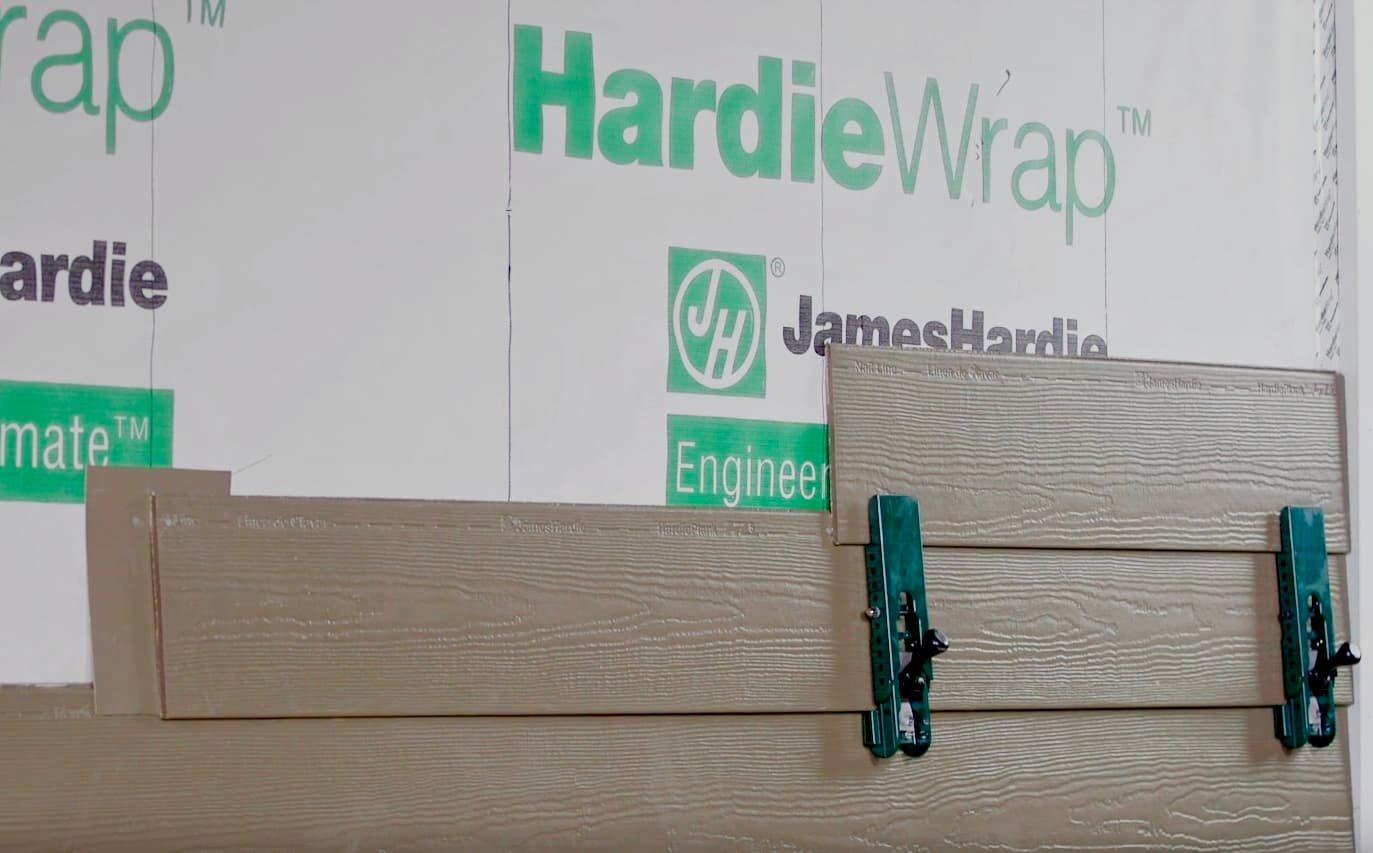
Understanding HardieBacker, fiber cement, and what makes clean cuts possible
HardieBacker is a cement backer board used behind tile. Many people also say Hardie board when they mean fiber cement siding. Both are cement-based and need careful cutting. If you want to master how to cut hardiebacker siding, you need to know the material is tough, brittle, and creates silica dust if dry cut with power tools.
Cement boards cut best with score-and-snap, dedicated shears, or a saw with the right blade. The binder and fibers resist tear-out when you support the work and use steady pressure. With the right setup, you get straight lines, smooth edges, and tight joints.
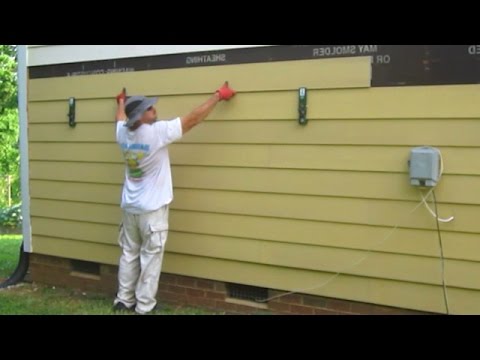
Safety first: PPE and dust control that protect your lungs and shop
Health comes before speed. Cutting cement products can release silica dust. Follow the OSHA silica standard and use methods that limit dust.
Use this checklist every time:
- Wear a NIOSH-approved respirator, such as N95 or P100, especially when dry cutting.
- Use eye protection. Chips fly fast.
- Wear hearing protection when using power saws.
- Cut outdoors when you can. Stand upwind.
- Use dust-reducing methods. Prefer shears or score-and-snap. If sawing, use a vacuum with HEPA filtration. Wet cutting helps too.
These habits are part of how to cut hardiebacker siding the right way, and they keep your lungs and shop clean.

The best tools for cutting HardieBacker and fiber cement siding
Several tools work well. Your choice depends on the cut type, dust limits, and finish needs.
- Score-and-snap knife Uses a carbide-tipped scoring tool or utility knife with carbide blade. Low dust, great for straight cuts and narrow strips.
- Fiber cement shears Electric or cordless. Make fast, low-dust cuts on siding and backer board. Leaves a slightly rough edge that is easy to clean up.
- Circular saw with proper blade Use a fiber-cement blade with polycrystalline diamond (PCD) teeth or a carbide fiber-cement blade. Very fast, but creates more dust if not controlled.
- Jigsaw with carbide-grit blade Good for small curves and outlet cutouts. Cut slow to avoid chipping.
- Angle grinder with diamond blade Use only when needed. It makes accurate notches but high dust. Control exposure.
- Oscillating multi-tool with carbide-grit blade Ideal for tight notches and in-place trims.
- Hole saws and carbide grit hole cutters Best for pipe holes or vents. Use low speed and light pressure.
When you plan how to cut hardiebacker siding for a whole house, mix methods. I rough cut with shears and finish specialty cuts with a jigsaw or multi-tool.
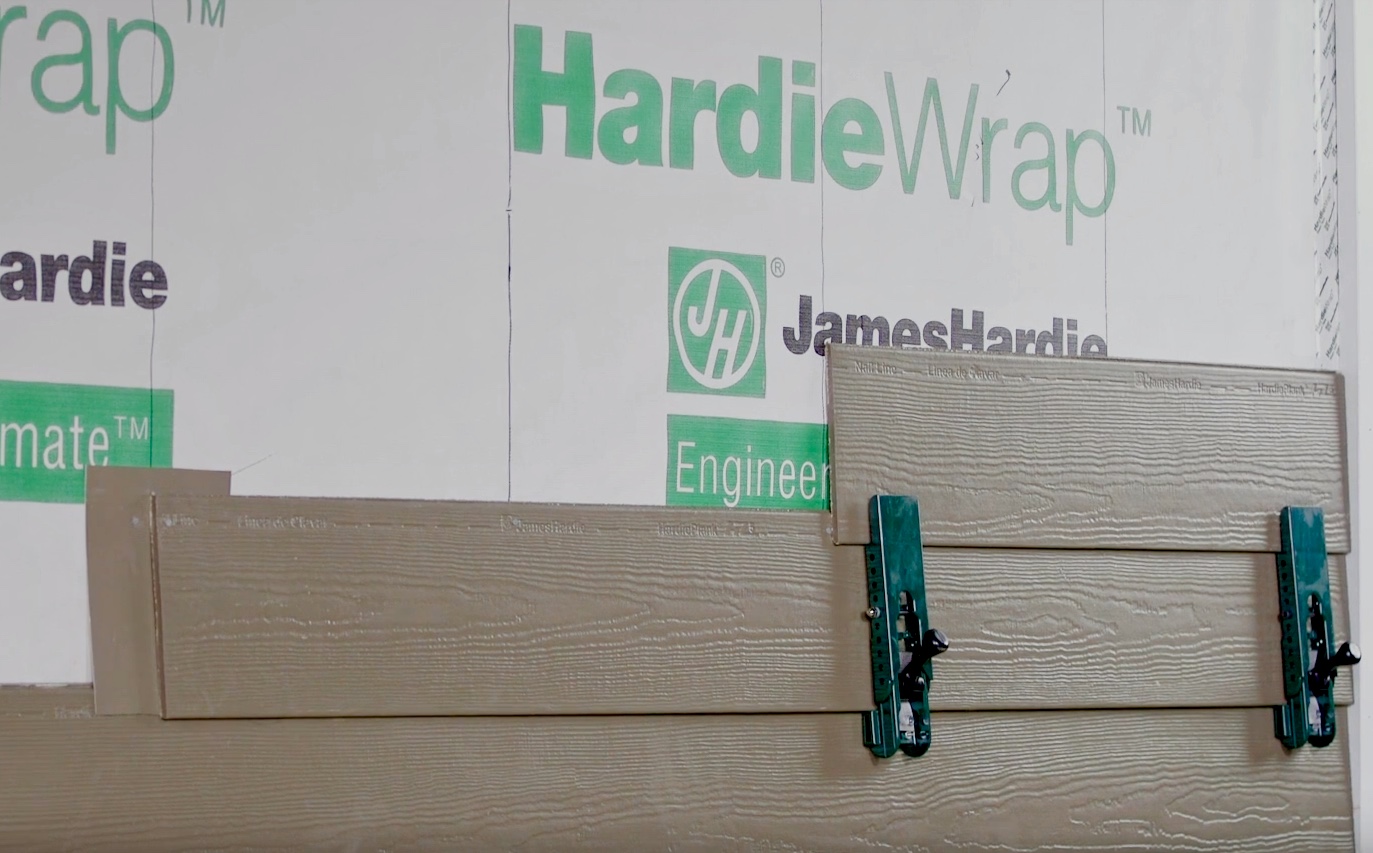
Step-by-step: Score-and-snap method for straight, dust-free cuts
This is my go-to for HardieBacker panels and trim. It is clean, quiet, and quick.
- Mark your line with a carpenter’s pencil or fine marker.
- Place a straightedge on the line. Clamp it if needed.
- Score the face 3 to 5 passes with a carbide scoring tool. Press firm but do not crush.
- Support the panel with the scored line over a table edge or 2x lumber.
- Snap downward with steady pressure. It will break clean on the score.
- Clean the edge with a rubbing stone or sanding block.
If you wonder how to cut hardiebacker siding indoors, this is the method I use most. It keeps dust very low and edges crisp.
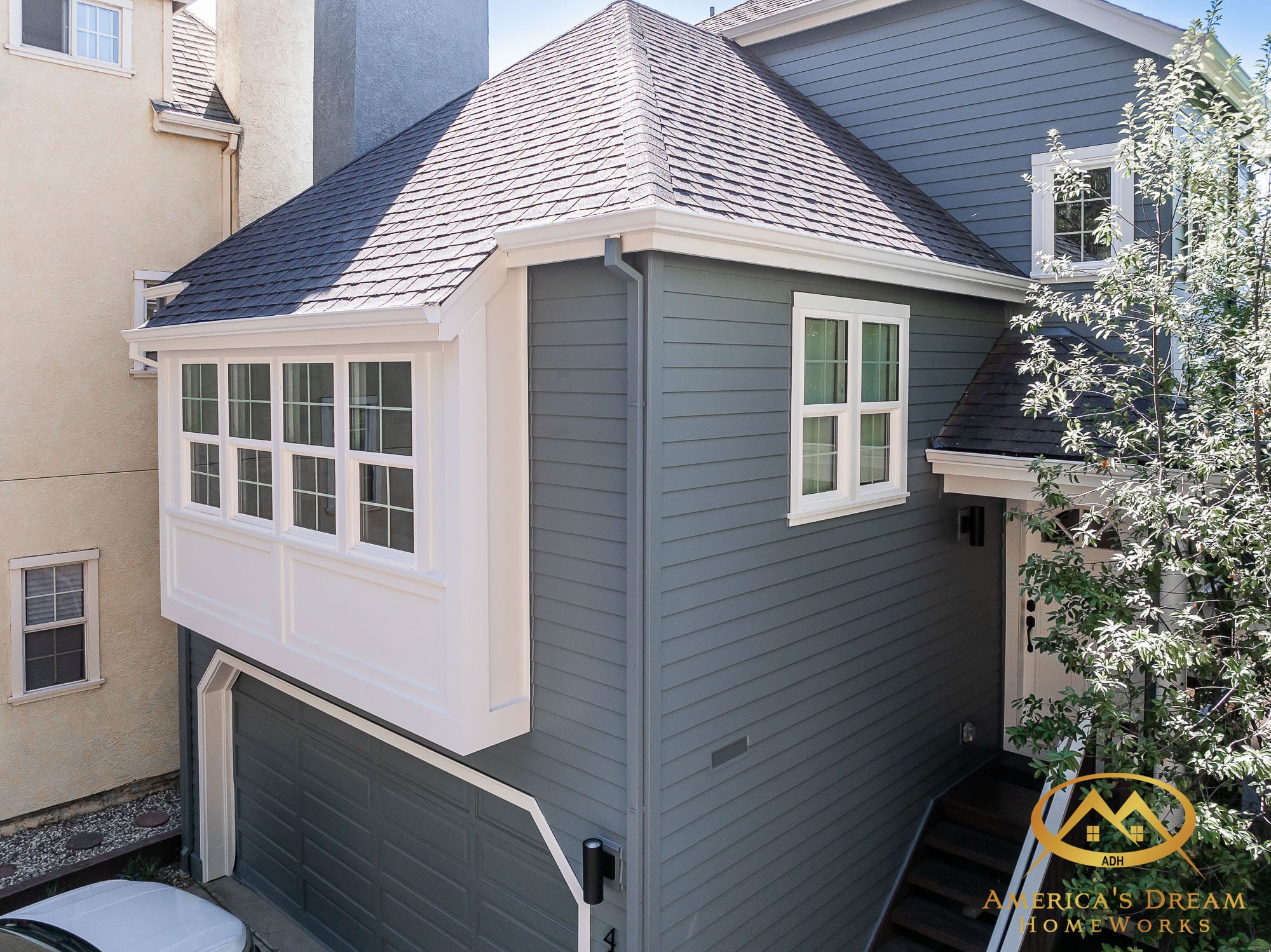
Step-by-step: Power saw method for long rips and large volume work
Sometimes you need speed or extra accuracy. A circular saw with the right blade does the job.
- Fit a fiber cement PCD or carbide blade. Check the rotation and guard.
- Set up dust control. Work outside, use a HEPA vac, and wear a respirator.
- Support the sheet on a sacrificial board or foam. Keep the offcut supported to prevent snap.
- Score a light guide cut first if you want a chip-free edge.
- Make the cut on the back side when possible. It reduces face chipping.
- Push slow and steady. Let the blade cut. Do not force it.
- Stone the edge to remove micro-chips.
This is a core part of how to cut hardiebacker siding on production jobs. The blade choice matters more than the saw.
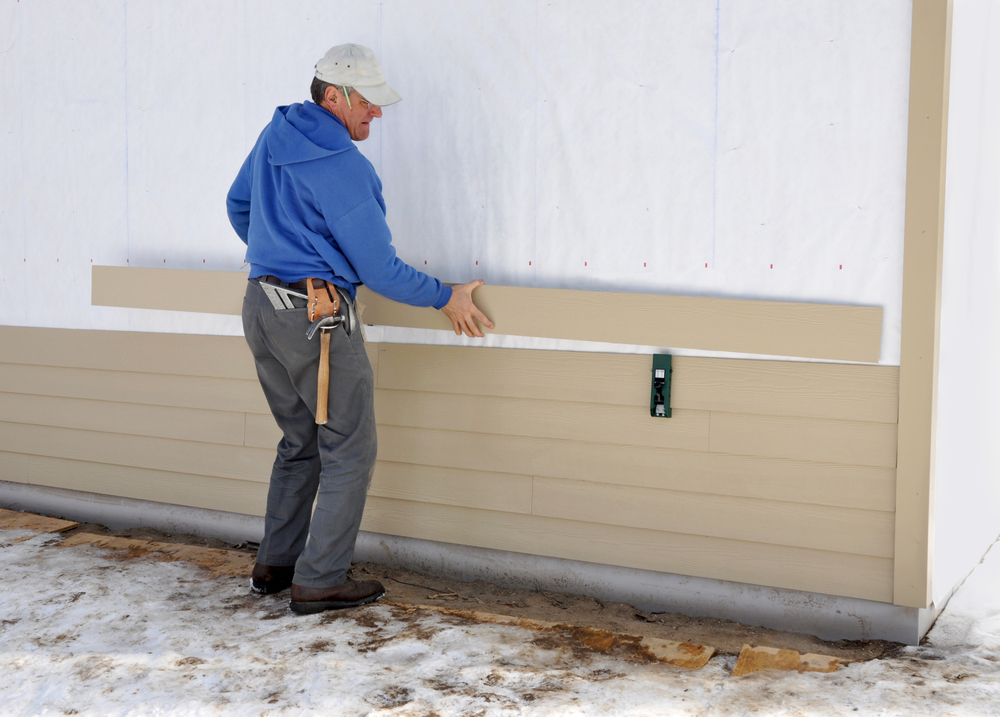
Cutting openings, notches, and curves
Most projects need outlets, hose bibs, vents, and trim notches. Use the right tool for each.
- Small round holes Use a carbide-grit hole saw. Drill from both sides to avoid blowout.
- Square outlets Drill a starter hole. Use a jigsaw with carbide-grit blade, or use an oscillating tool to nibble to the line.
- U-notches Mark the cut. Use shears for most of the waste, then finish with a multi-tool or grinder.
- Gentle curves Use a jigsaw and keep the cut moving. Do not twist the blade.
Plan the cut order so the piece stays strong until the end. That is how to cut hardiebacker siding without cracks or chips.

Edge finishing, sealing, and smart installation habits
Clean edges help panels fit tight and look neat. After each cut, rub the edge with a silicon carbide stone. Blow off dust with a damp rag, not compressed air.
For fiber cement siding:
- Prime and paint cut edges if the product line calls for it. Many fiber cement manufacturers require sealing edges with paint or primer.
- Maintain gaps per the install guide. Use proper flashing and joint sealants where specified.
For HardieBacker tile backer:
- Keep edges square for tight joints.
- Leave the required gap at seams and walls. Tape with alkali-resistant tape and thinset per spec.
These small steps lock in a pro finish and are part of how to cut hardiebacker siding with the final result in mind.

Common mistakes to avoid
I have seen these errors cost time and money. Avoid them and your work goes smooth.
- Using a wood blade on a circular saw Causes chips, burning, and tear-out.
- Forcing the blade or rushing Leads to cracked panels and crooked lines.
- Dry cutting indoors without controls Bad for health and creates a huge mess.
- Weak support under the cut Makes the panel snap before you finish the line.
- Skipping edge cleanup Leaves gaps and poor paint lines.
If you remember how to cut hardiebacker siding with patience and support, you will not fight the material.
Troubleshooting: quick fixes for rough edges and bad cuts
Not every cut is perfect. Here is how I recover fast.
- Minor chips on the face Lightly stone the edge, then touch up with primer or paint.
- Ragged jigsaw cuts Recut 1/8 inch off the edge with shears or a saw for a clean line.
- Crack off the line Bridge it with blocking or adjust the layout to hide the flaw.
- Out-of-square cuts Trim the high side with a multi-tool and guide.
These fixes keep your schedule on track and are part of how to cut hardiebacker siding like a pro even on tough days.
Cost, time, and tool selection guide
Pick tools based on volume, dust rules, and finish needs.
- One bathroom or a few panels Score-and-snap tool, carbide utility blade, rubbing stone.
- Whole house siding Fiber cement shears for most cuts, PCD-blade saw for rips, jigsaw for details.
- Tight indoor space Shears and score-and-snap to minimize dust.
This decision tree is how to cut hardiebacker siding faster while staying safe and neat.
Cleanup and disposal without the mess
Good cleanup protects your health and saves time.
- Bag scraps and dust at the source. Use heavy contractor bags.
- Vacuum with a HEPA shop vac. Do not dry sweep.
- Wipe tools with a damp cloth. Store blades dry to prevent rust.
- Follow local rules for construction waste.
Thinking about cleanup at the start is part of how to cut hardiebacker siding well from plan to polish.
Frequently Asked Questions of how to cut hardiebacker siding
What blade do I need to cut fiber cement cleanly?
Use a fiber cement blade with PCD or a dedicated carbide-tipped fiber cement blade. Avoid wood blades, as they chip and dull fast.
Can I use a regular circular saw to cut HardieBacker?
Yes, but fit the correct fiber cement blade and use dust control. Cut outdoors, wear a respirator, and go slow.
Is score-and-snap strong enough for thick panels?
Yes, for most straight cuts on 1/4 inch and 1/2 inch backer board. Make several deep scores and snap over a clean edge.
How do I reduce dust when cutting?
Use shears or score-and-snap methods. If sawing, use a HEPA vac, cut outside, and consider wet cutting where allowed.
What is the best tool for outlet cutouts?
Use a jigsaw with a carbide-grit blade or an oscillating multi-tool. Drill a starter hole and cut to your lines with light pressure.
Do I need to seal cut edges on siding?
Many fiber cement siding products require priming or painting cut edges. Check the brand’s install guide and use the matched paint.
Can I cut HardieBacker with a utility knife?
Yes, if you use a carbide scoring blade and make multiple passes. It works well for straight cuts and small trims.
Conclusion
You now have a complete plan for clean, safe, and fast cuts. Choose the right tool, support the work, control dust, and finish edges with care. That is the secret to pro results with cement board and fiber cement every time.
Put these steps to work on your next project today. If this helped, share it with a friend, subscribe for more how-to guides, or leave a question and I’ll help you plan your next cut.