
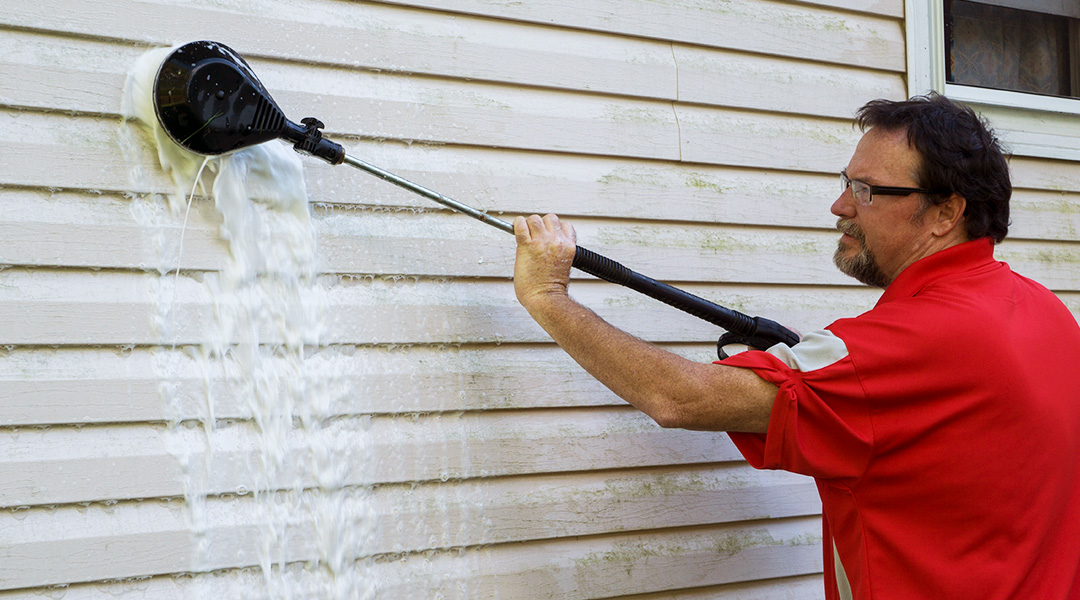
Use a gentle bleach or oxygen-bleach solution, scrub with a soft brush, then rinse well.
I’ve cleaned hundreds of homes’ siding. I know what works and what doesn’t when learning how to clean mold off vinyl siding. This guide gives clear, safe steps, simple recipes, and pro tips so you can remove mold without damaging the panels or plants. Read on for tested methods, safety cues, and prevention tactics that help you keep your siding clean for years.

Why mold grows on vinyl siding
Mold forms where moisture and shade meet. Vinyl siding is nonporous, but dirt, pollen, and organic films collect. Those films feed mold and mildew. Gutters, roof overhangs, and nearby trees trap moisture and make mold growth worse.
Safety and preparation before cleaning how to clean mold off vinyl siding
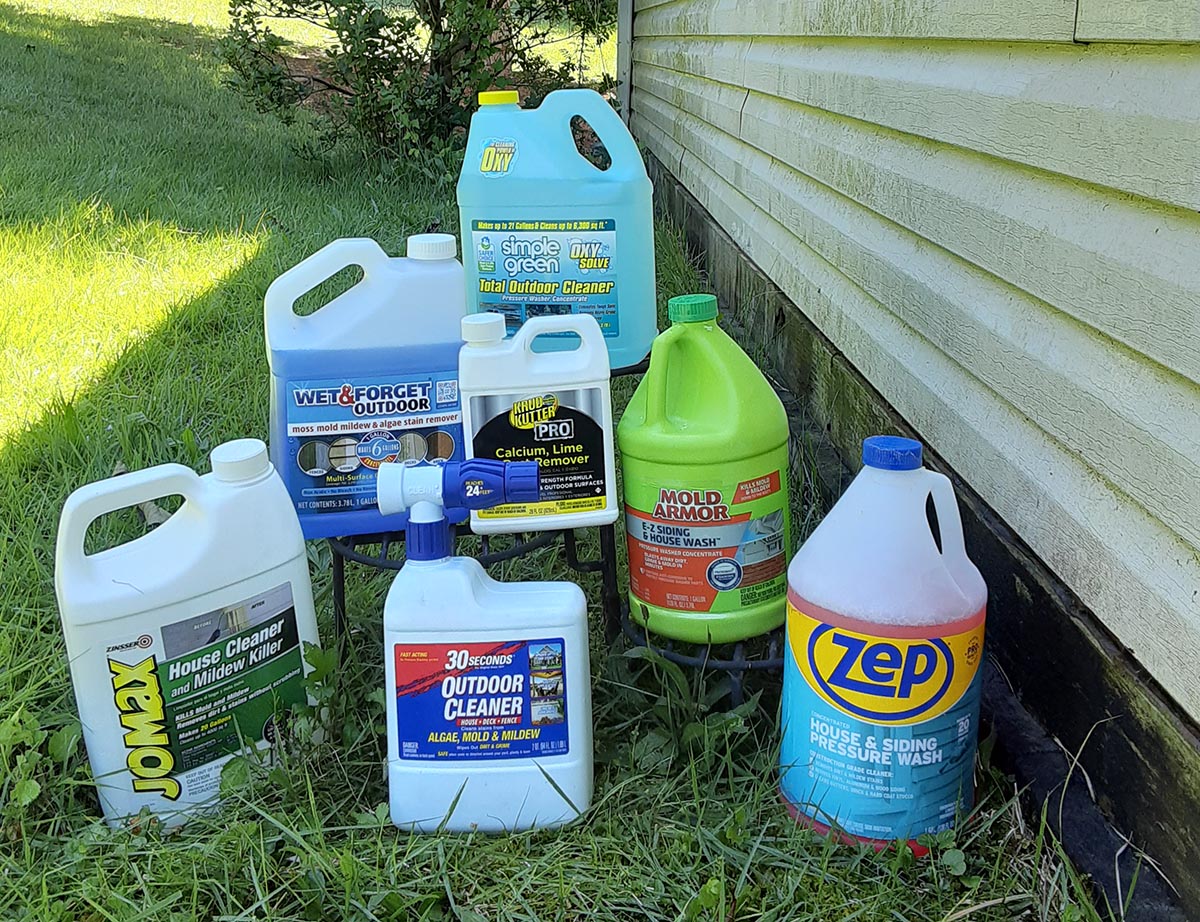
Cleaning mold is easy but messy. Wear gloves, eye protection, and a mask. Cover nearby plants with plastic and wet them before applying cleaner to dilute runoff. Test your cleaning mix on a small hidden area first to check colorfastness.

Step-by-step methods to clean mold off vinyl siding
There are three safe, effective approaches. Choose one based on the stain level and your comfort with chemicals.
- Mild soap and water (best for light mold)
- Mix 1 tablespoon liquid dish soap with 1 gallon warm water.
- Apply with a soft brush or low-pressure sprayer.
- Scrub gently and rinse with a garden hose.
- Bleach solution (best for visible mold and mildew)
- Mix 1 part household bleach to 3 parts water. Add 1 teaspoon liquid soap per gallon for adhesion.
- Apply from bottom up to avoid streaks. Let sit 5–10 minutes.
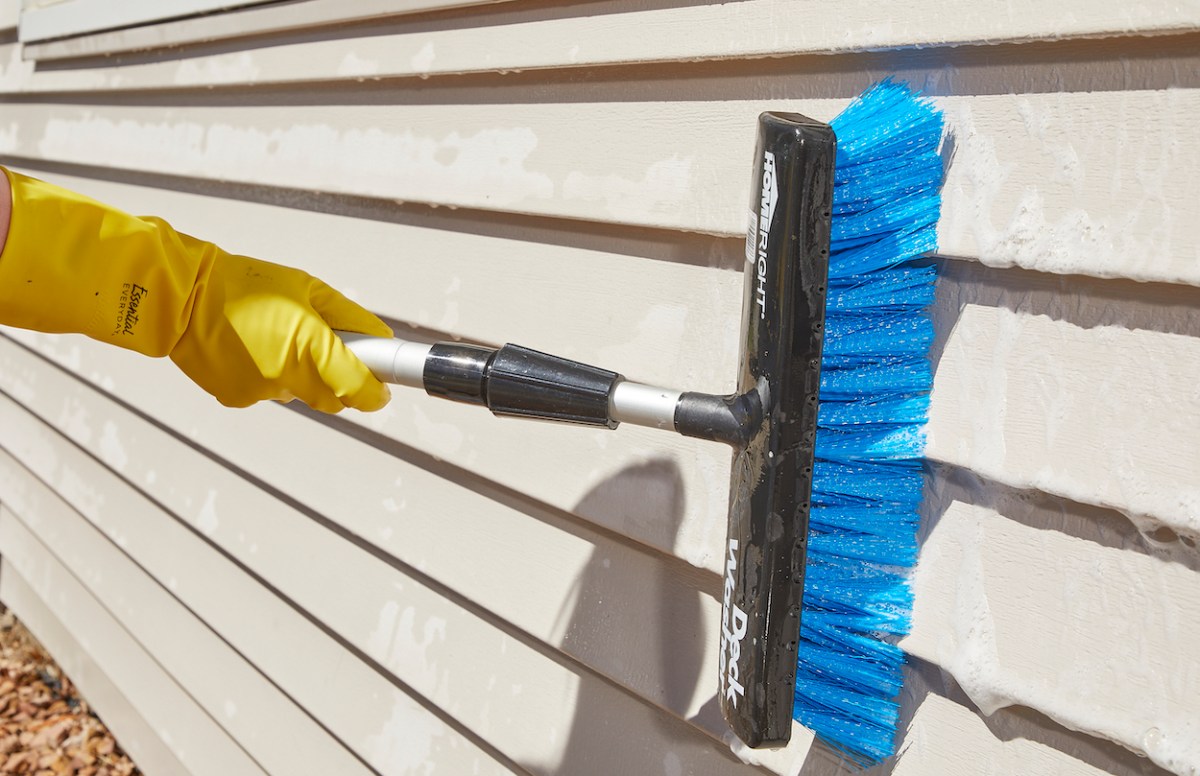
- Scrub with a soft nylon brush and rinse thoroughly. Do not let the bleach dry on siding.
- Oxygen bleach (sodium percarbonate) — safer for plants and color
- Follow package directions, usually 1 scoop per gallon of warm water.
- Apply, let sit 10–15 minutes, then scrub and rinse.
- Oxygen bleach works well on stains and is less corrosive than chlorine.
Tips for all methods
- Work in cool, shaded conditions to prevent cleaners from evaporating too fast.
- Always rinse from top to bottom to avoid streaking.
- For clogged seams, use a soft toothbrush or siding-specific brush.

Using a pressure washer safely for how to clean mold off vinyl siding
A pressure washer saves time but can damage siding if misused. Use a wide-angle nozzle and keep pressure at or below 1,200–1,500 psi for vinyl. Hold the nozzle 3–4 feet away and spray at a shallow angle to avoid forcing water behind panels. Start low and test a small area.
When to avoid pressure washing
- Older or brittle siding
- Loose or damaged panels
- When windows or doors are poorly sealed
Natural and eco-friendly options for how to clean mold off vinyl siding
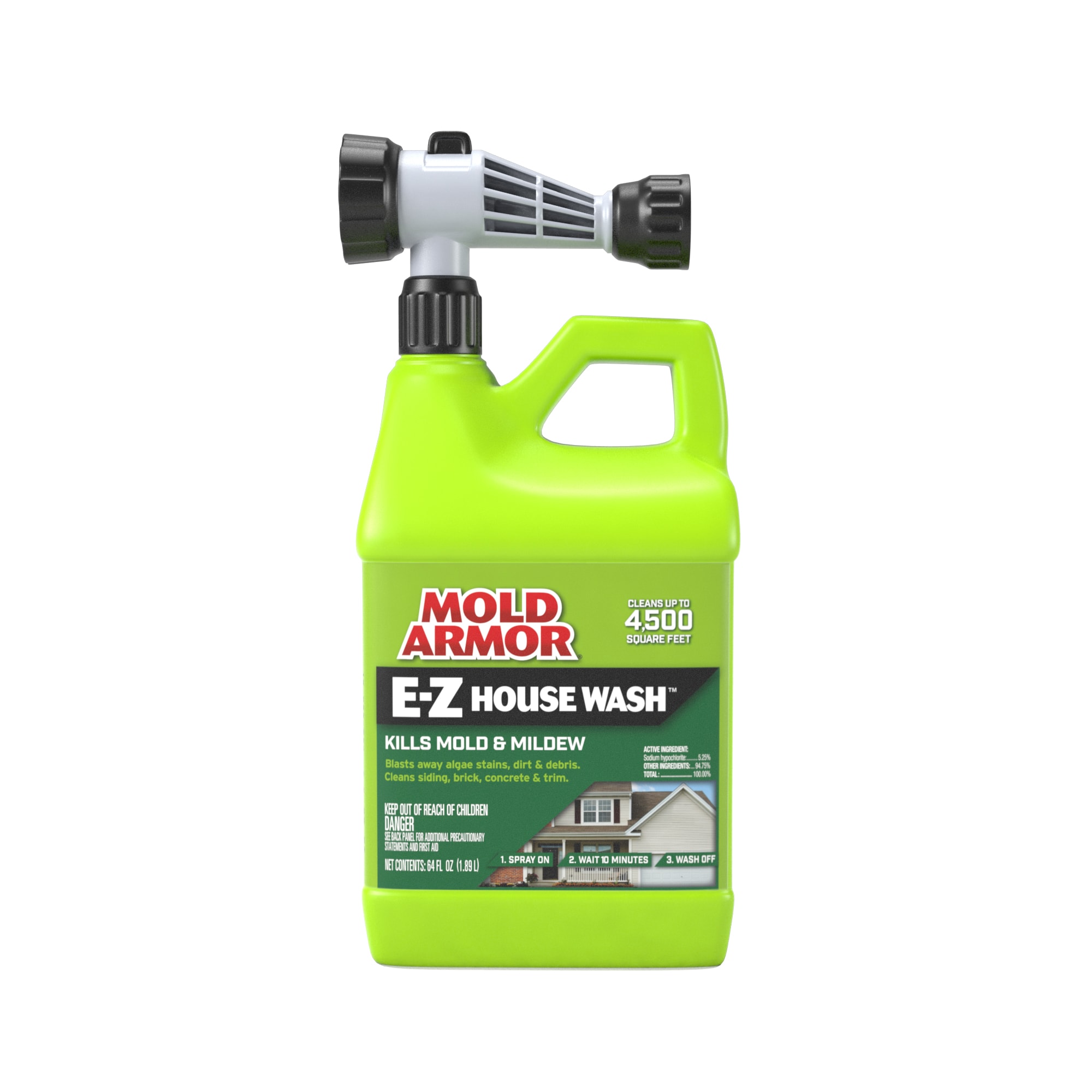
If you prefer greener choices, oxygen bleach and vinegar mixtures work well.
- Oxygen bleach
- Safe for colors and plants when used correctly.
- Vinegar
- Mix one part white vinegar with three parts water. Spray and let sit 10–15 minutes, then scrub and rinse.
- Baking soda
- Make a paste with water for spot treatment. Scrub gently and rinse.
PAA-style questions
Does vinegar kill mold on vinyl siding?
Yes. Vinegar can kill many mold strains and is safe for siding if diluted and rinsed. It is best for light to moderate growth, not heavy infestations.
Can I use only water and a brush?
You can for light dirt and fresh mildew. For stubborn mold, a cleaner (oxygen bleach or diluted bleach) is usually needed.

Stain removal and treating stubborn mold when cleaning how to clean mold off vinyl siding
Some stains darken the siding. Repeat treatments often help. Use a two-step approach: loosen mold with cleaner, then use a targeted stain remover if needed. For deep-set stains, a commercial siding cleaner or a professional cleaning may be necessary.
Safe stain removal steps
- Apply an oxygen-bleach solution and let sit 10–15 minutes.
- Scrub with a soft brush and rinse.
- Repeat once after 48 hours if residue remains.
- Avoid abrasive pads or wire brushes; they scratch vinyl.

Prevention and maintenance to reduce future mold on vinyl siding
Prevention is cheaper than repeated cleaning. Follow these steps to cut mold growth.
- Trim plants and trees to allow sun and airflow.
- Keep gutters clean so water drains away.
- Re-grade soil to slope away from the house.
- Wash siding annually or after heavy pollen seasons.
- Seal leaks and repair damaged flashing promptly.
Personal experience, mistakes to avoid, and pro tips for how to clean mold off vinyl siding
I once used a high-pressure washer too close and cracked a few panels. I learned to test pressure first. I also learned that letting bleach sit too long can fade trim. My best tip: start with oxygen bleach for safety, and only use chlorine bleach for stubborn patches. Always protect plants and rinse thoroughly.
Pro tips I follow
- Work in sections to keep rinse water fresh.
- Use a pump sprayer for even application.
- Replace worn brushes—soft bristles work best.
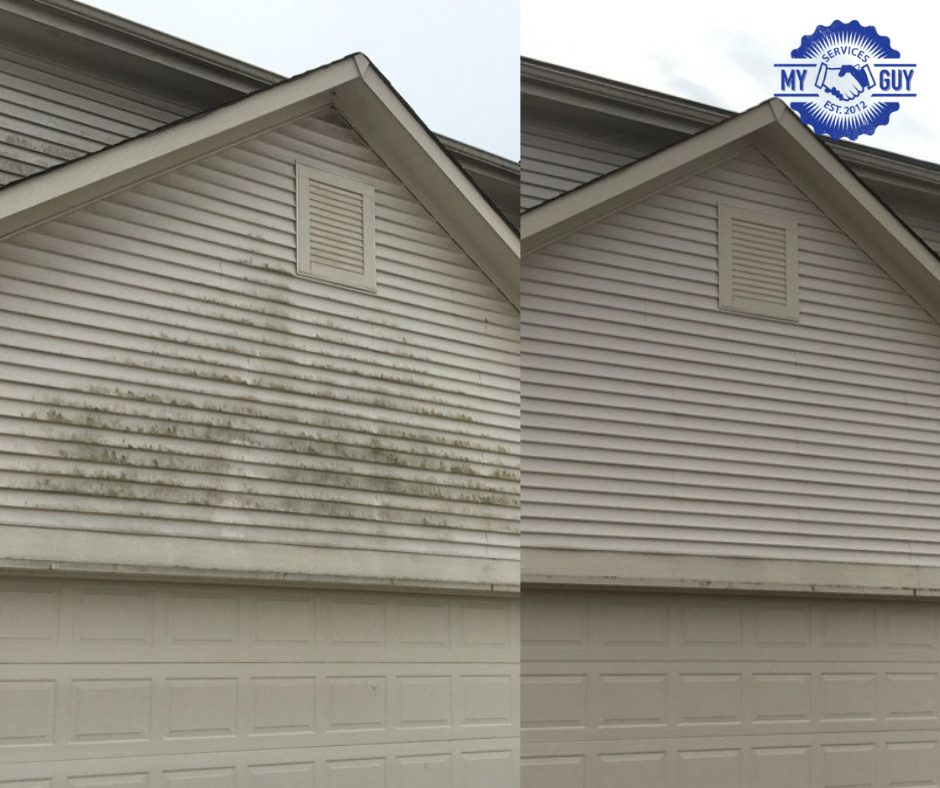
Frequently Asked Questions of how to clean mold off vinyl siding
How long does it take to remove mold from vinyl siding?
Most jobs take one to three hours for a typical house side. Stubborn stains may require a second treatment after a day or two.
Will bleach damage my vinyl siding?
If used in proper dilution and rinsed, bleach will not usually damage vinyl. Avoid long contact times and protect plants and metal fixtures.
Can I pressure wash to clean mold off vinyl siding?
Yes, but use low pressure, a wide-angle nozzle, and keep a safe distance of 3–4 feet. Test a small area first.
How often should I clean my vinyl siding to prevent mold?
Clean once a year for normal conditions, or twice a year if you live in a humid, shaded area. Spot-clean as needed after storms or pollen seasons.
Is professional cleaning necessary for mold on vinyl siding?
Not always. DIY methods work for many homes. Hire a professional if the mold covers large areas, if siding is damaged, or if you prefer a warranty.
Conclusion
You can safely learn how to clean mold off vinyl siding with the right tools and steps. Start with gentle cleaners, protect plants, and use a soft brush or low-pressure rinse. Prevent mold by improving airflow and cleaning regularly. Try these methods on a small area first, and act now to keep your house looking fresh and protected. Share your results, ask questions, or subscribe for more home maintenance tips.