
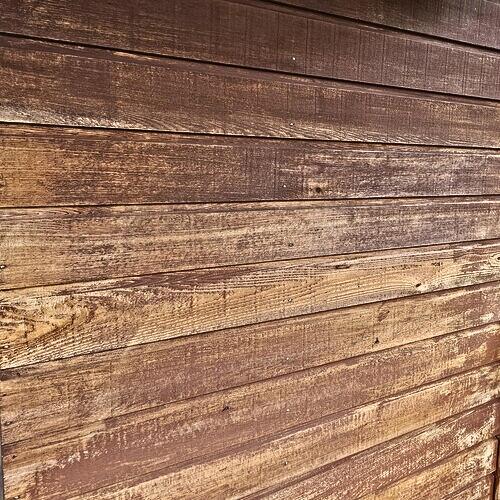
Clean cedar siding gently with a mild detergent, soft brush, and a low-pressure rinse.
I’ve spent years restoring and maintaining wooden exteriors, and I know cedar siding responds best to gentle, informed care. This article walks you through how to clean cedar wood siding safely and effectively. You’ll get step-by-step methods, tool lists, stain and mildew fixes, repair and re-stain guidance, and practical tips I learned on real jobs to keep your cedar looking great for years. Read on to protect your investment and avoid common mistakes when you clean cedar wood siding.
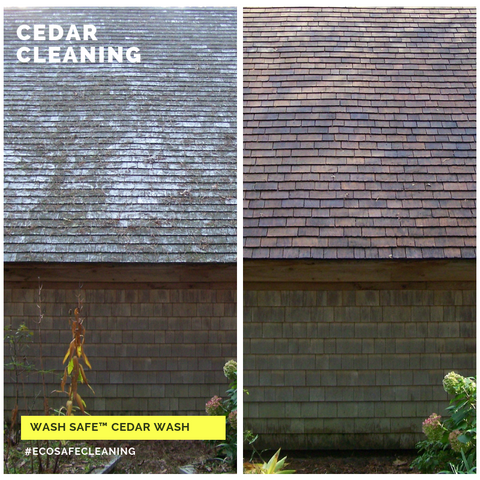
Why clean cedar wood siding?
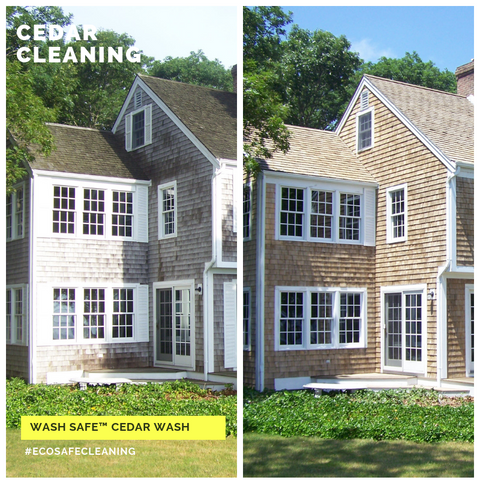
Cedar resists rot and insects but still collects dirt, pollen, mildew, and UV-damaged fibers. Regular cleaning restores color and lets finishes adhere better. Knowing how to clean cedar wood siding prolongs the life of the wood and keeps your home looking its best.
Cleaning also helps you spot damage early. A quick wash can reveal loose boards, cracking finish, or rot before the problem grows. Treat cleaning as basic maintenance, not just curb-appeal work.
When to clean cedar wood siding
Clean cedar siding once a year in mild climates and every 12 months in harsh climates. Do a visual check twice a year for mildew or heavy grime. After storms, pollen season, or nearby construction, inspect and clean sooner if needed.
Avoid cleaning during very hot sun or freezing weather. Aim for cool, dry days to let cleaning solutions work and wood dry slowly. This timing helps finishes adhere and prevents streaking.
Tools and materials you'll need
- Soft-bristle brush or long-handled deck brush for gentle scrubbing.
- Garden hose with spray nozzle or low-pressure washer (< 500 psi) to rinse.
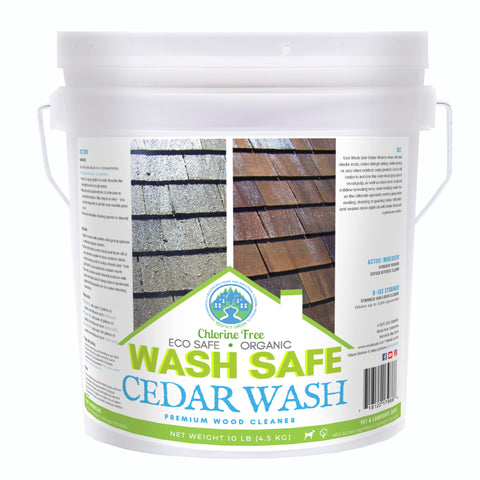
- Mild wood cleaner or oxygen bleach-based cleaner safe for cedar.
- Bucket, pump sprayer, and soft cloths or rags.
- Safety glasses, gloves, and non-slip shoes.
- Ladder with stabilizer or extension pole for high areas.
- Wood brightener and mildew remover for stubborn stains.
- Sandpaper (80–120 grit) and exterior stain or sealer for repairs.
I keep two cleaners on hand: a mild detergent for routine washing and an oxygen-bleach cleaner for mildew. Choose products labeled safe for cedar when you clean cedar wood siding.
Safety and prep
Take these steps before cleaning cedar siding. Safety first.
- Wear eye protection and gloves. Cedar dust and cleaners can irritate skin and eyes.
- Protect plants and grass. Cover shrubs with plastic and wet the soil before using cleaners.
- Turn off power to outdoor lights and seal electrical fixtures.
- Check finish type. If the siding has lead-based paint (homes built before 1978 may), hire a pro for full restoration.
- Test a small hidden area. Clean a 1-foot square patch to confirm the technique won’t damage the wood.
Proper prep makes cleaning faster and reduces the chance of damage when you clean cedar wood siding.
Step-by-step: how to clean cedar wood siding
Follow this low-risk process to clean cedar wood siding without harming the wood or finish.
- Dry brush loose dirt
- Use a soft-bristle brush to remove loose dirt, cobwebs, and peeling finish. Work top to bottom.
- Wet the siding
- Gently wet the surface with a garden hose. This reduces cleaner absorption and prevents streaking.
- Apply cleaner
- Use a mild cedar-safe cleaner or oxygen bleach solution. Apply with a pump sprayer or brush. Let sit per manufacturer instructions, usually 5–10 minutes.
- Scrub gently
- Lightly scrub with a soft brush in the wood grain direction. Avoid aggressive scrubbing that roughens fibers.
- Rinse thoroughly
- Rinse from top to bottom with a low-pressure spray. Keep nozzle at least 2–3 feet from the surface. Do not use high pressure directly on cedar.
- Dry and inspect
- Allow 24–48 hours to dry. Inspect for stains, mildew, or areas that need sanding or re-staining.
Tips for pressure washing
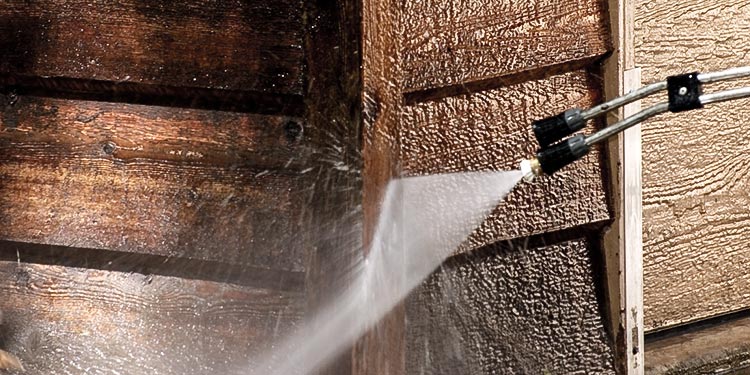
- If you use a pressure washer, set it below 500 psi and use a fan tip at least 18 inches away.
- Practice on scrap wood first. High pressure will gouge cedar and raise the grain.
People also ask
Will bleach ruin cedar siding?
A properly diluted oxygen bleach cleaner won’t ruin cedar. Avoid household chlorine bleach on bare cedar because it can dry and damage fibers.
Can I pressure wash cedar siding?
You can, but only with very low pressure and the right nozzle. Most damage comes from high-pressure settings or close spray distance.
How often should cedar be washed?
Wash cedar siding at least once a year, and more often if you live near trees, pollen, or coastal salt spray.
Cleaning cedar wood siding this way protects the wood and any finish. Consistent, gentle care beats aggressive cleaning every time.

Dealing with stains, mildew, and old finishes
Stains, mildew, and grey weathering are common on cedar. Address them correctly.
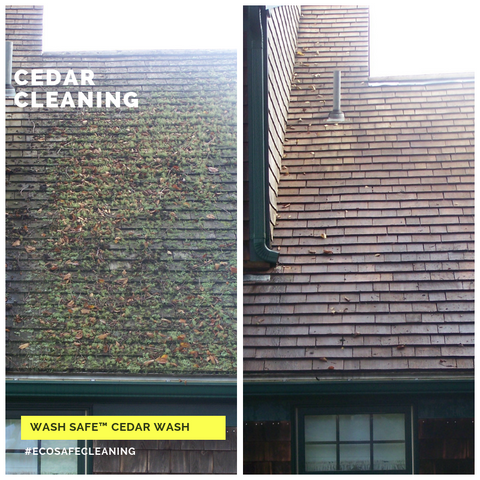
- Mildew: Use an oxygen-bleach cleaner and soft scrub. Repeat if spores persist.
- Black stains (tannins): These often come from iron reacting with tannins. Remove with a wood brightener and avoid metal brushes or rusty nails near cedar.
- Grease or oil: Use a degreaser made for wood and rinse well.
- Deep grey weathering: Light sanding or a wood brightener can restore color before re-staining.
If you see rot or soft spots, probe with a screwdriver. Small damaged areas can be cut out and patched; larger rot needs professional repair. Tackling stains promptly is a big part of how to clean cedar wood siding properly.

Repairing, sanding, and re-staining cedar siding
Cleaning is often the first step before repair and refinishing. Follow these steps for lasting results.
- Sand raised grain lightly after a full dry. Use 80–120 grit depending on how rough the surface is.
- Replace damaged boards with the same cedar grade and grain orientation.
- Apply a wood brightener if stains remain after cleaning.
- Choose an oil-based or clear semi-transparent stain for cedar. These penetrate and protect cedar better than film-forming paints.
- Test color on scrap wood. Apply two thin coats following drying times.
I once stripped a house with failing stain and learned thin, regular coats last longer than one thick coat. Proper prep before re-staining is as important as the stain choice. When you clean cedar wood siding, plan repairs and refinishing for the same project to save time and ensure a uniform look.
Maintenance schedule and tips
Keep cedar siding healthy with a simple maintenance plan.
- Annually: Clean cedar wood siding and inspect for damage.
- Every 3–5 years: Re-stain or re-seal semi-transparent finishes, depending on sun exposure.
- After storms: Check for debris, dings, and clogged gutters that trap moisture.
- Landscaping: Keep shrubs trimmed away from siding to reduce moisture and mildew.
- Quick spot-cleaning: Use a soft cloth and diluted cleaner for small marks.
Mistakes to avoid
- Do not use high-pressure washers without experience.
- Don’t paint untreated cedar without proper primer.
- Avoid harsh chlorine bleach on bare wood.
These small habits make cleaning cedar wood siding easier and prolong the life of your finish.
My experience and lessons learned
I’ve cleaned dozens of cedar homes. Here’s what I learned hands-on.
- Start gentle. I once used a stronger cleaner than needed and had to re-sand more areas than I wanted.
- Test small areas. A patch test saved me from a bad color match on a full re-stain.
- Time matters. Cleaning in cool weather reduces streaks and helps finishes cure evenly.
- Protect plants and use cleaners that break down quickly. I always wet shrubs first and rinse them last.
Trust small, steady maintenance. It keeps costs down and avoids big restorations. These are practical takeaways from cleaning cedar wood siding for clients and my own home.
Frequently Asked Questions of how to clean cedar wood siding
How often should I wash cedar siding?
Wash cedar siding at least once a year. Increase frequency if pollen, mold, or heavy dirt build-up occurs.
Is pressure washing safe for cedar siding?
Pressure washing can be safe only at very low pressure and with the correct nozzle and distance. High pressure can damage the wood fibers.
What cleaner is best for cedar siding?
Use a cedar-safe mild detergent or oxygen bleach cleaner. Avoid harsh chlorine bleach on bare cedar.
Can I paint instead of stain cedar siding?
Yes, but painting requires more prep, primer, and maintenance. Many prefer semi-transparent stains to keep cedar’s natural look.
How do I remove black streaks on cedar?
Treat black streaks with a wood brightener and oxygen-based cleaner, then rinse and dry. Sand lightly if the streaks penetrate the grain.
How long after cleaning should I wait to re-stain?
Wait until the wood is fully dry, usually 24–48 hours, depending on weather. Always follow the stain manufacturer’s guidance for best adhesion.
What if I find rot during cleaning?
Small rot can be cut out and patched; large areas require board replacement. If in doubt, consult a pro to prevent structural issues.
Conclusion
Cleaning cedar wood siding is simple when you use the right tools and gentle methods. Regular cleaning, careful stain choices, and prompt repairs keep cedar beautiful and strong. Start with a mild cleaner, protect plants, and always test a small area. Take action this weekend—inspect, clean a section, and plan any needed repairs or re-staining. If you found these tips helpful, try them on a small area, subscribe for more home-care guides, or leave a comment with your cedar siding questions.