
Use a gentle cleaner, oxygen bleach, soft brush, or low-pressure rinse — test first and protect the wood.
I’ve cleaned dozens of cedar homes and studied best practices, so this guide on how to clean cedar siding gives step-by-step, safe, and proven methods. Read on for clear instructions, common mistakes, and maintenance tips that preserve cedar’s beauty and lifespan.
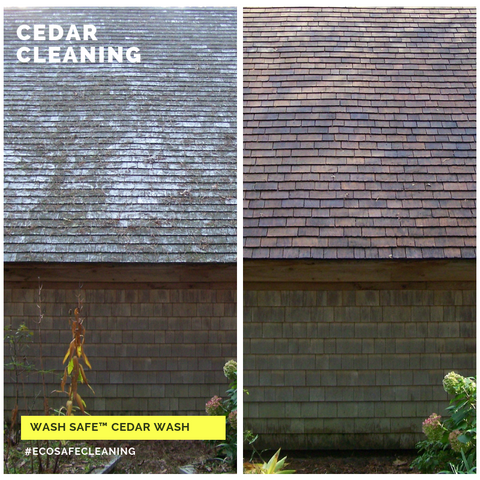
Why cleaning cedar siding matters
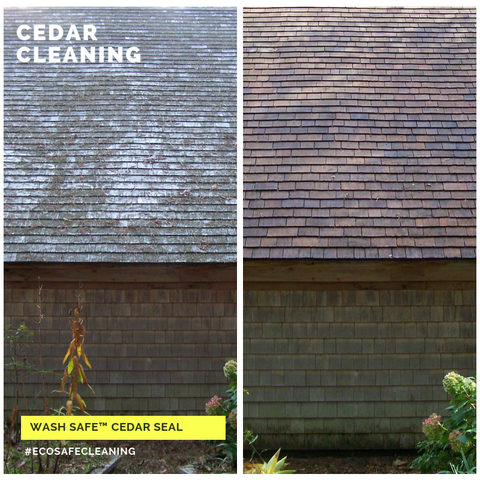
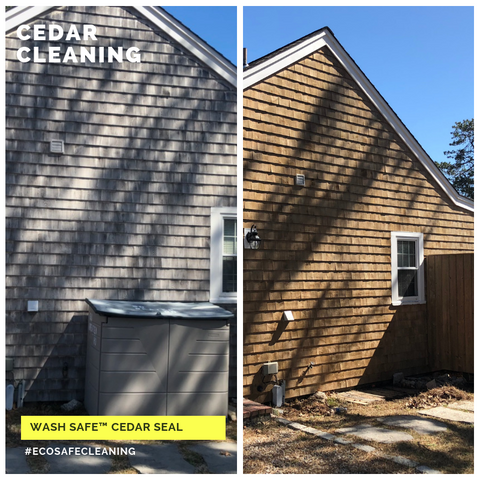
Cedar siding resists rot and insects naturally. But dirt, pollen, mildew, and gray weathering still build up. Regular cleaning restores color, prevents damage, and lets finishes stick better. Knowing how to clean cedar siding helps you avoid erosion, wood splintering, and costly repairs down the road.
From my work on homes in damp climates, I’ve seen how a gentle wash and proper drying can add years to a siding’s life. This guide explains the safest products and steps so you protect cedar while getting it clean.
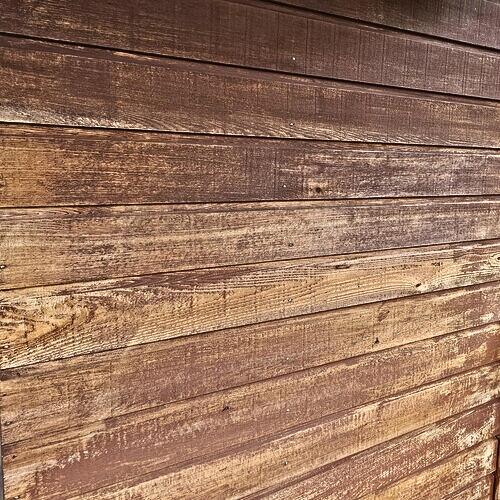
Tools and materials you’ll need
Gather the right items before you start. Using the wrong tool can harm cedar.
- Soft-bristled deck brush or soft nylon brush for siding.
- Low-pressure garden hose or electric pressure washer with adjustable nozzle.
- Cleaner options: oxygen bleach (sodium percarbonate), mild phosphate-free detergent, or a wood house wash.
- TSP substitute if heavy grime is present.
- Plastic sheeting and painter’s tape to protect plants and windows.
- Ladder with stabilizer or extension pole for safety and reach.
- Rubber gloves, safety glasses, and a mask if using powders.
- Buckets and scrub pads for spot cleaning.
- Wood brightener (optional) to neutralize and restore color before finishing.
I always keep a small test kit: cleaner, brush, and a rag. Test one board before treating the entire wall.
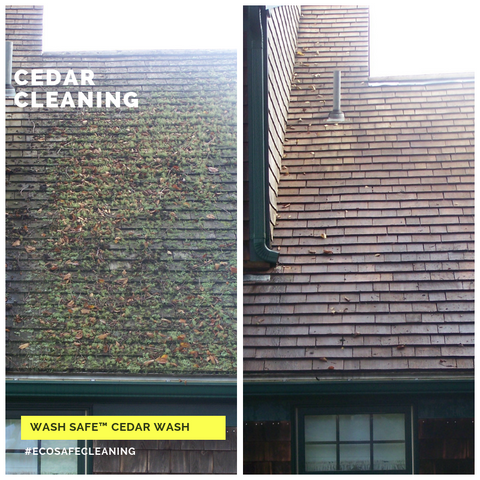
Step-by-step: how to clean cedar siding
Follow these steps to clean cedar siding safely and effectively.
- Inspect and prepare
- Check for loose boards, peeling finish, or rot. Repair or replace damaged siding before cleaning.
- Cover nearby plants and electrical fixtures with plastic. Tape window edges.
- Test a small area
- Mix the cleaner at manufacturer ratio. Apply to a 1-square-foot area. Wait 5–10 minutes, then rinse. Check for color change or grain raise.
- Mix your cleaner
- For most jobs use oxygen bleach mixed with water and a little mild detergent. For heavy mildew use a wood-safe house wash.
- Apply cleaner
- Work top to bottom. Apply with a pump sprayer or soft brush. Avoid soaking seams and joints.
- Agitate gently
- Use the soft brush to loosen grime. Keep strokes with the grain.
- Rinse thoroughly
- Rinse top to bottom with a garden hose or low-pressure washer. Maintain 12–24 inches distance when rinsing.
- Dry and inspect
- Let siding dry 24–48 hours. Re-check for stains or gray areas that need repeat spot treatment.
How to clean cedar siding correctly means taking time to test and rinse well. A rushed, high-pressure wash can strip wood fibers.

Removing mildew, stains, and gray weathering
Mildew and UV damage are common on cedar. Here’s how to address each:
- Mildew and mold
- Use an oxygen bleach solution. Apply, wait 10 minutes, scrub lightly, then rinse. Repeat if needed.
- Rust stains from nails or fittings
- Use a mild oxalic acid cleaner on the spot, then rinse. Be careful and follow product directions.
- Grease and oil
- Use a degreasing agent or dish soap, agitate with a brush, and rinse thoroughly.
- Gray, weathered wood
- Clean first. If wood is deeply gray, consider a wood brightener after cleaning, or light sanding before refinishing.
- Ink or paint drips
- Remove carefully with a plastic scraper and solvent recommended for cedar. Test first.
From my experience, oxygen bleach removes mildew without weakening the wood. Chlorine bleach works fast but can leave salts and harm plants, so rinse extra well if used.
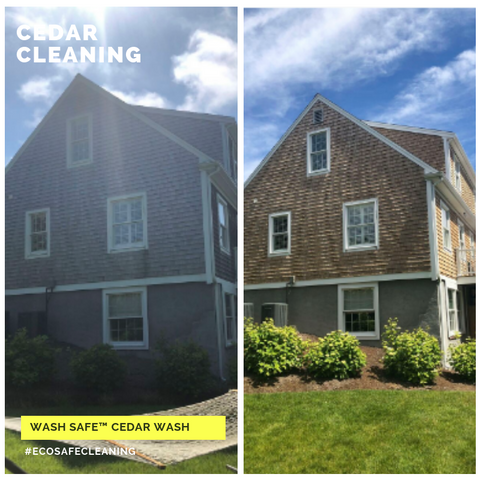
Pressure washing cedar siding: tips and cautions
Pressure washing can be effective but risky. Use caution.
- Recommended pressure range
- Use 500–800 psi for wood siding when possible. Use a wide-angle nozzle and keep the fan pattern at least 12–24 inches away.
- Technique
- Hold the nozzle at a 45-degree angle and sweep with the grain. Don’t pause in one spot.
- When not to pressure wash
- Avoid on old, thin, or splintering cedar. Also skip pressure washing if the finish is peeling; sanding and refinishing may be needed instead.
- Safer alternative
- Soft washing (low pressure plus detergent) cleans mold and grime with less risk.
I’ve seen high-pressure washes gouge cedar and create microsplits that invite moisture. Soft methods usually do the job with less risk.

Aftercare: drying, sanding, staining, and sealing
Cleaning is the prep work for protection.
- Dry completely
- Wait 24–48 hours after rinsing before doing any sanding or finishing.
- Light sanding
- Sand rough or raised fibers with fine-grit paper. Sand in the direction of the grain.
- Choose finishes
- Use a quality stain or sealer made for cedar. Semi-transparent stains highlight grain and protect from UV.
- Apply correctly
- Apply stain evenly, top to bottom. Follow product drying times and apply a second coat if recommended.
- Recoat schedule
- Refinish every 3–7 years depending on climate and product used.
My rule: never stain on damp wood. A bad finish job on wet cedar traps moisture and shortens life.
Maintenance schedule and prevention
A simple routine avoids big problems later.
- Annual tasks
- Inspect and wash lightly once a year. Clear gutters and trim overhanging branches.
- Every 3–5 years
- Deep clean and consider touch-up stain or sealer.
- After storms
- Check for debris, mold growth, and any new damage.
- Preventive measures
- Keep shrubs trimmed away from siding. Ensure rainwater is directed away from walls.
Regular small actions keep cedar healthy and make each full cleaning easier.

When to hire a professional
Call a pro when the job is large, the slope is steep, or damage is present.
- Hire a pro if
- You see widespread rot, major paint or stain failure, or if the house needs high-reach cleaning.
- What pros offer
- Safe soft-washing systems, expert repairs, and professional refinishing that lasts longer.
- Cost vs value
- A pro costs more up front but may save money by preventing structural repairs later.
I recommend a professional inspection if you doubt the siding’s integrity or if you cannot safely reach all areas.
Frequently Asked Questions of how to clean cedar siding
How often should I clean cedar siding?
Clean cedar siding at least once a year in most climates. High-moisture areas may need twice-yearly attention to prevent mildew and staining.
Can I use bleach to clean cedar siding?
You can use household bleach carefully, but oxygen bleach is gentler and safer for cedar and plants. If you use chlorine bleach, rinse thoroughly and protect vegetation.
Is pressure washing safe for cedar siding?
Pressure washing is safe only when done at low pressure with a wide fan tip and proper distance. High pressure can gouge and damage cedar, so soft washing is preferred.
How long after cleaning can I stain or seal cedar?
Wait 24–48 hours after cleaning for the wood to dry fully. Sand any raised fibers first and then apply stain or sealer as directed.
What removes deep gray weathering on cedar?
Start with cleaning, then use a wood brightener. For stubborn gray, light sanding or a professional refinishing may be needed before staining.
Conclusion
Cleaning cedar siding properly protects wood, keeps your home looking fresh, and extends the life of finishes. Follow the safe, step-by-step methods above, test before treating large areas, and choose gentle cleaners like oxygen bleach when possible. Take action this season: inspect your siding, schedule a cleaning, or try a small test area to see how your cedar responds. If you found this guide helpful, try these steps on a panel this weekend, subscribe for more home care tips, or share your cedar cleaning story in the comments.