
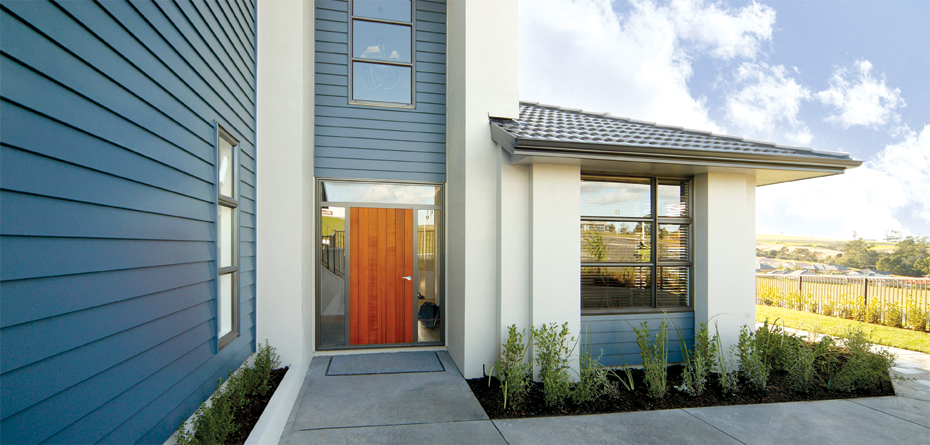
Cedar charms with natural warmth; Hardie Board wins on durability and low upkeep.
If you are weighing cedar siding vs hardie board for a new build or a refresh, you are in the right place. I have specified, installed, and maintained both across wet coasts, dry plains, and snowy hills. In this guide, I break down performance, cost, curb appeal, and care. You will get clear, field-tested advice to choose between cedar siding vs hardie board with confidence.

What They Are and How They Perform
Cedar siding is natural wood, often Western Red Cedar or White Cedar. It has rich grain, low density, and oils that resist decay. It can be installed as lap, shingles, shakes, tongue-and-groove, or board-and-batten.
Hardie Board is a brand of fiber cement. It blends cement, sand, and cellulose fibers. It is stable, noncombustible, and resists insects and rot. It comes in lap, panel, shingle-style, and trim, primed or with factory color.
In practice, cedar breathes and feels warm under light. It can move with moisture and sun. It needs finish to keep color and guard against water. Hardie Board is tough and very uniform. It needs precise flashing and clearances to manage water well.
When comparing cedar siding vs hardie board, think about climate, style, budget, and time for upkeep. Each shines in a different mix of those factors.

Cedar Siding vs Hardie Board: Key Pros, Cons, and Best Uses
Use this section to match the material to your goals. It captures the real trade-offs I see most often.
Strengths of cedar
- Warm, authentic grain that many buyers love
- Light and easy to cut with basic tools
- Good impact resistance and quieter install
- Renewable resource with a low embodied energy
- Can be left to silver gray for a coastal look
Limitations of cedar
- Needs stain or paint on a schedule
- Can cup, check, or split if not detailed right
- Combustible and not ideal for wildfire zones
- Tannins can bleed through light paints if not primed
Strengths of Hardie Board
- Noncombustible and ideal for WUI fire zones
- Very resistant to insects, rot, and woodpeckers
- Factory finishes hold color well with low upkeep
- Stable profiles for crisp modern lines
Limitations of Hardie Board
- Heavy boards need two people and special tools
- Creates silica dust when cut, so follow safety rules
- Needs exact flashing and joint details to avoid swelling
- Feels less “alive” than real wood to some eyes
Best uses at a glance
- Choose cedar if you want timeless wood and accept care.
- Choose Hardie Board if you want fire resistance and low maintenance.
- Blend both on one home. I often use Hardie panels for high-splash walls and cedar accents at entries.
This is the heart of cedar siding vs hardie board choice. Style and risk tolerance drive the winner.

Cost, Lifespan, and ROI
Installed costs vary by region and profile. These ranges reflect typical projects I manage and current trade pricing.
Material and install ranges
- Cedar siding installed: about 10 to 18 dollars per square foot, depending on grade, profile, and finish.
- Hardie Board installed: about 7 to 13 dollars per square foot, depending on profile, color, and trim scope.
Lifespan expectations
- Cedar can last 30 to 60 years with routine care and good details.
- Hardie Board often carries a 30-year limited warranty on lap and panel. Factory color kits often carry about 15 years.
Recoat cycles and finish
- Cedar with semi-transparent stain: 3 to 5 years in sun, longer in shade.
- Cedar with solid stain or paint: 6 to 10 years with good prep.
- Hardie Board primed and field painted: often 10 to 12 years before repaint.
- Hardie Board with factory color: often 15 years before touch-up.
ROI and resale
- National cost-versus-value reports often rank fiber cement among top exterior projects for cost recoup.
- Premium cedar boosts curb appeal, which helps resale in high-design markets.
If your main lens is cost over time, cedar siding vs hardie board tilts toward Hardie for lower lifecycle upkeep. If you prize craftsmanship and natural texture, cedar holds its own.

Durability by Climate and Exposure
Climate has a big impact on cedar siding vs hardie board results. Here is how I match them.
Wet and coastal zones
- Hardie Board does well if you follow clearances, flashing, and joint rules.
- Cedar needs a ventilated rainscreen and end-grain sealing to avoid cupping.
- Use stainless steel fasteners for both near salt air.
Freeze-thaw and snow
- Hardie Board needs proper gapping and flashing to handle thermal swings.
- Cedar stays stable if back-primed and allowed to dry behind the boards.
High heat and sun
- Cedar can check under strong UV without the right finish.
- Hardie Board holds color better with factory finishes.
Wildfire risk areas
- Hardie Board is noncombustible and a common choice in WUI zones.
- Cedar is combustible and may not meet local standards without extra steps.
High-traffic and impact
- Cedar can dent but is easy to repair with wood tools.
- Hardie Board resists pests and birds but can chip at corners if struck.
A site walk matters. Note splash zones, dark walls, and shade lines. That small check often decides cedar siding vs hardie board for me.
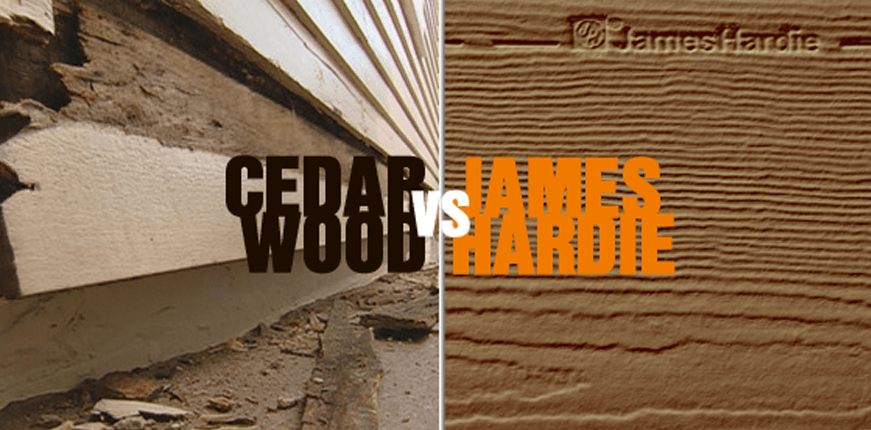
Look, Profiles, and Design Flexibility
Curb appeal drives many choices. Here is how the finishes compare.
Cedar’s visual edge
- Grain varies board to board and gives a hand-built feel.
- Clear cedar can take transparent stains that glow.
- Shingles and shakes create depth that ages with charm.
Hardie Board’s style range
- Crisp lap, panel, and batten lines for modern or farmhouse looks.
- Factory colors are deep and even, with many options.
- Wood-grain textures exist, yet still read more uniform than cedar.
Profiles that work well
- Cedar: bevel lap, shingles, or vertical tongue-and-groove for cabins or craftsman homes.
- Hardie Board: smooth lap for modern homes, panel and batten for clean farm style.
When clients ask me for a “forever classic,” I point to cedar. When they ask for “sharp lines with easy care,” I point to Hardie. That is cedar siding vs hardie board in design terms.
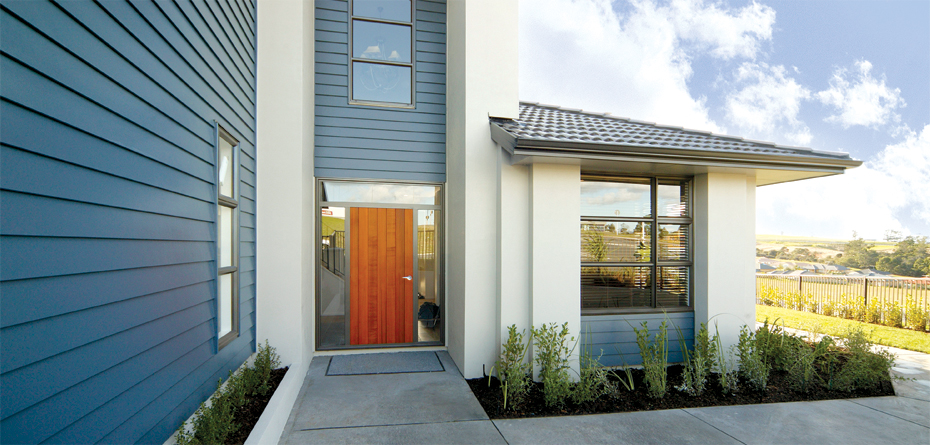
Installation, Maintenance, and Warranties
Both need skilled install. Small misses create big headaches. This is where many failures start.
Installation notes
- Cedar cuts with common saws. Seal end grain. Use a rainscreen gap to vent.
- Hardie Board is heavy. Use two installers and approved cutting methods. Follow all clearances from grade and roofs.
Moisture control
- Use a quality housewrap behind both.
- Flash all windows, doors, and horizontal joints with care.
- Keep Hardie edges off roofs and decks. Keep cedar off soil and splash zones.
Maintenance basics
- Cedar: Wash gently each year. Recoat finish on schedule. Touch up checks early.
- Hardie Board: Wash as needed. Inspect caulk lines. Repaint when sheen fades.
Warranties
- Expect about 30 years on fiber cement boards and about 15 on factory color, subject to install rules.
- Cedar’s warranty varies by supplier and grade. Finish makers often offer separate terms.
Keep records and photos. They help with warranty claims and resale. Proper files also show buyers you managed cedar siding vs hardie board in a smart way.

Sustainability and Health Considerations
Buyers ask about green choices. Here is a clear view.
Cedar’s footprint
- Wood stores carbon and is renewable when sourced from certified forests.
- It needs periodic finishes, which have a small ongoing footprint.
- Local sourcing can cut transport emissions.
Hardie Board’s footprint
- Cement has higher embodied carbon. The long life and low repaint cycles help offset some of that.
- No rot or pest treatments are needed over time.
Worker safety
- Cutting fiber cement releases silica dust. Use approved saws, vacuums, and masks.
- Cedar dust can also irritate. Use dust control and eye protection.
If you want the lowest embodied carbon at install, cedar has the edge. If you weigh durability and fire safety over decades, Hardie gains ground. That is the sustainability side of cedar siding vs hardie board.
Decision Framework: Which One Should You Choose?
Use this checklist to make the call fast and clear.
Choose cedar if
- You want real wood and a high-end, warm look.
- You can budget time and money for finish cycles.
- You plan a ventilated rainscreen and careful detailing.
Choose Hardie Board if
- You want low upkeep over many years.
- You live in a wildfire or insect-heavy zone.
- You prefer crisp lines and stable color.
Blend them if
- You want cedar at the entry and Hardie on high walls.
- You want Hardie on sun-baked sides and cedar where shaded.
- You want a design story with balanced care needs.
Write down your top three goals. Then read them next to this list. That is how I guide clients through cedar siding vs hardie board choices in one meeting.
Real-World Lessons From the Field
I once managed a coastal home with cedar shingles. We skipped a rainscreen on a tight timeline. Two winters later, we saw cupping on the windward wall. We rebuilt that wall with a 3D mesh rainscreen and sealed every end grain. The shingles settled and held shape. Lesson learned: cedar needs to breathe.
On a modern infill, we used Hardie Board panels in a dark color. The crew cut dry without dust control. We stopped work, set up a vacuum saw, and fit gapped joints with proper flashing. The panels stayed flat through three winters. Lesson learned: follow cutting and joint rules, and Hardie rewards you.
On a mountain cabin, we mixed cedar at the porch and Hardie lap on the sides. Snow piled four feet at grade. The Hardie held strong near the drifts. The cedar porch glowed under a clear stain. That combo sold the house fast. It is a true win in cedar siding vs hardie board planning.
Frequently Asked Questions of cedar siding vs hardie board
Is cedar more expensive than Hardie Board?
Installed cedar often costs a bit more than Hardie Board in many markets. Local labor, profile, and finish choices can flip the gap.
Which lasts longer, cedar or Hardie Board?
With care, both can pass 30 years. Hardie Board tends to hold edges and paint longer with less frequent upkeep.
Does Hardie Board look like real wood?
It can mimic wood grain, but it reads more uniform. Cedar shows natural variation that many people prefer.
How often does cedar need maintenance?
Plan to wash yearly and recoat every 3 to 10 years, based on sun and finish type. Shaded walls can go longer between coats.
Is Hardie Board fireproof?
It is noncombustible and a strong pick for wildfire zones. Check local codes for full wall assembly rules.
Can I install cedar and Hardie Board together?
Yes, and I do it often. Keep details consistent and use compatible trim and flashing so the look is seamless.
Which is better for resale value?
Both can add value when installed well. Fiber cement often ranks high on national cost-versus-value lists, while premium cedar can excite design-focused buyers.
Conclusion
Cedar shines with natural charm and craft potential. Hardie Board leads on fire safety, stability, and low upkeep. Your climate, taste, and maintenance plan should decide the winner.
Write your goals, walk your site, and price both with your installer. If you still feel torn on cedar siding vs hardie board, use a blended design. It can deliver warmth and worry-free walls at once. Ready to choose? Compare bids, ask for jobsite photos, and take the next step toward a home you love.