
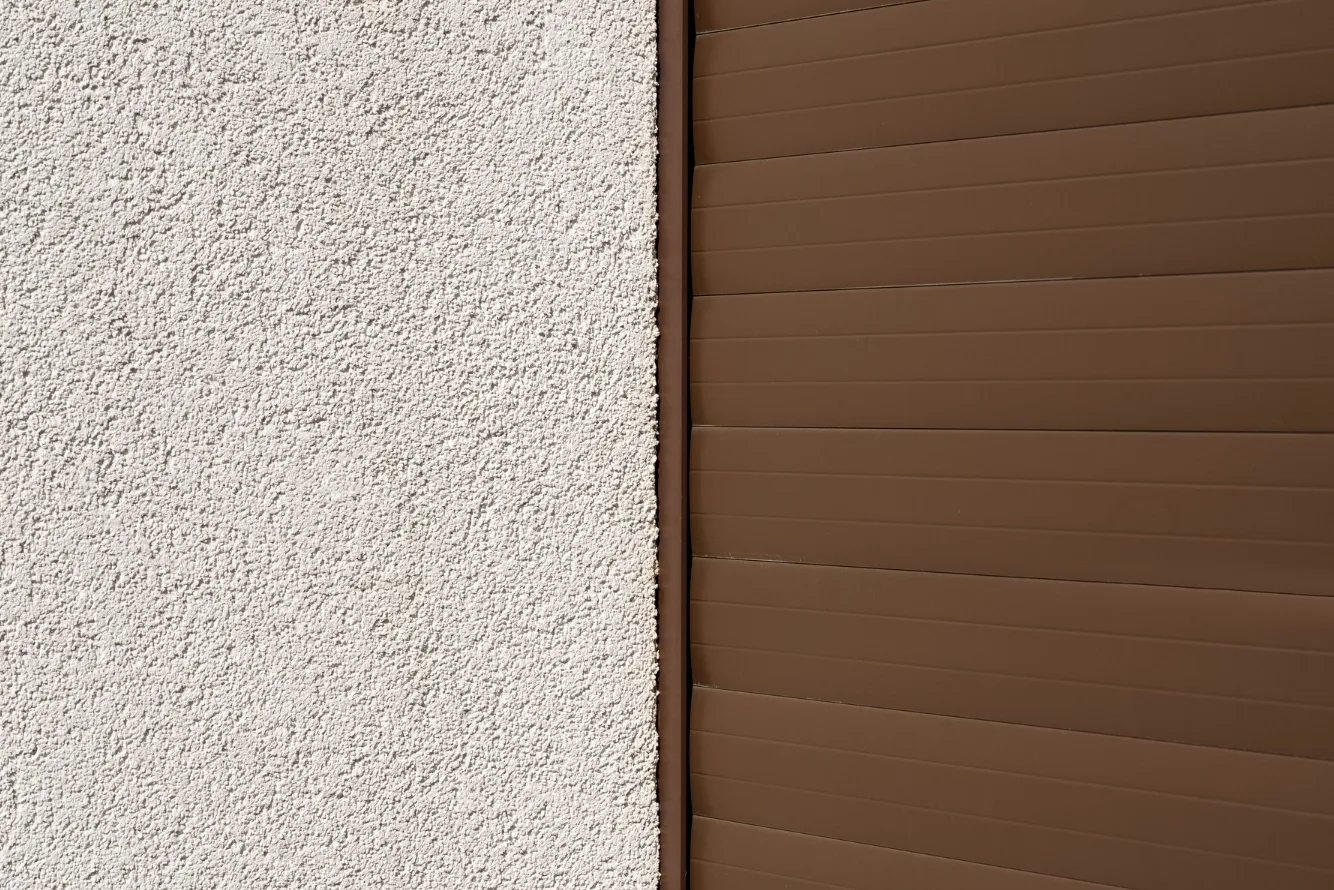
Vinyl is cheaper and low-maintenance; stucco is durable, quiet, and climate-specific.
Choosing between stucco siding vs vinyl siding is not a one-size call. As a remodeler who has overseen dozens of exterior upgrades across dry deserts, wet coasts, and snowy suburbs, I’ve learned this decision hinges on climate, budget, and build quality. This guide breaks down stucco siding vs vinyl siding with real costs, performance facts, and practical tips you can trust.

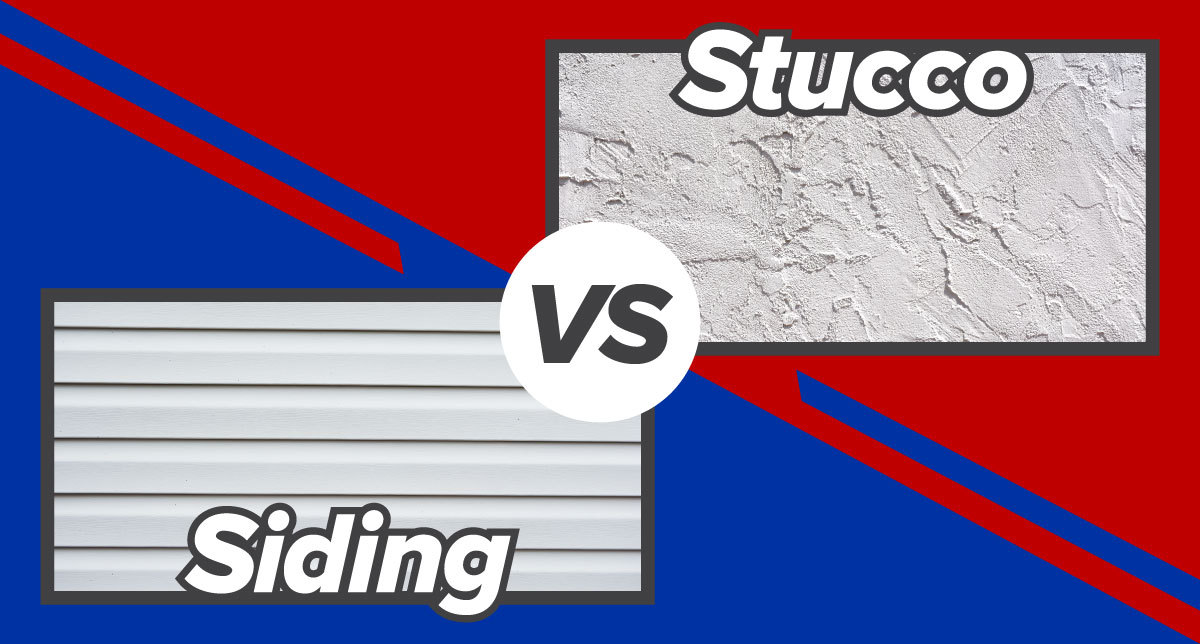
What Is Stucco Siding vs Vinyl Siding?
Stucco siding
- A hard, cement-based plaster applied in layers over metal lath and a weather barrier.
- Traditional three-coat stucco uses a scratch coat, brown coat, and finish coat.
- EIFS (synthetic stucco) uses foam insulation, base coat, mesh, and acrylic finish. Modern EIFS should be a “drainage” system, not barrier-only.
Vinyl siding
- PVC panels hung on the wall over a housewrap. It is a ventilated cladding that lets water drain out.
- Many profiles: lap, Dutch lap, board-and-batten, shake. Insulated vinyl adds a foam backer for rigidity and modest R-value.
Key differences at a glance
- Weight and feel: Stucco is solid and quiet. Vinyl is light and flexible.
- Fire: Stucco is non-combustible. Vinyl can melt and ignite under high heat.
- Labor: Stucco needs skilled hands and cure time. Vinyl installs fast with basic tools.
This sets the stage for a fair look at stucco siding vs vinyl siding through cost, climate fit, and long-term value.

Cost Comparison Over the Life Cycle
Installed cost ranges (United States, typical)
- Vinyl siding: about $4 to $9 per square foot for standard panels. Premium or insulated lines can reach $10 to $14.
- Stucco (three-coat): about $8 to $16 per square foot. Complex details, high labor rates, or tall walls can push it higher.
- EIFS with drainage: about $10 to $18 per square foot, depending on foam thickness and detailing.
Example: 2,000 square feet of wall area
- Vinyl: $8,000 to $18,000 for standard; $20,000 to $28,000 for premium/insulated.
- Stucco: $16,000 to $32,000.
- EIFS: $20,000 to $36,000.
Maintenance and repairs
- Vinyl: Wash once or twice a year. Replace cracked or warped panels as needed. Low routine cost.
- Stucco: Inspect yearly. Seal hairline cracks. Recoat or repaint about every 7 to 10 years in sunny or wet climates. Repairs need a skilled finisher to blend texture and color.
Resale and ROI
- In regions that expect stucco, buyers may pay more for a well-done stucco façade.
- In many suburbs, clean, premium vinyl can deliver strong curb appeal at a lower upfront cost.
Tip: Get at least three bids, ask for wall-area takeoffs, and request line items for flashing, trim, and accessories. That gives a clearer apples-to-apples view in the stucco siding vs vinyl siding choice.
Durability, Weather, and Climate Fit
Climate match
- Dry, warm regions: Stucco shines. It handles sun and heat, and the thermal mass aids comfort.
- Wet or freeze-thaw regions: Stucco can crack or take on moisture if details are poor. It needs drainage, control joints, and careful flashing.
- Wide-temperature regions: Vinyl works well but can get brittle in deep cold and soften in high heat. Premium vinyl resists both better.
Wind, impact, and fire
- Wind: Many vinyl lines carry rated wind resistance. Proper nailing is key. Stucco bonds to the structure and is very stable in wind.
- Impact: Stucco resists small impacts but can chip if struck hard. Vinyl can crack in cold hail or from rock strikes; insulated panels help.
- Fire: Stucco is non-combustible. Vinyl can melt from nearby heat sources and can ignite. Fire-prone zones often favor non-combustible exteriors.
Noise and comfort
- Stucco dampens outside noise well due to mass.
- Vinyl is lighter; insulated backers help but will not match stucco’s sound control.
In short, climate and detailing decide long-term success in stucco siding vs vinyl siding.
Moisture Management and Building Science
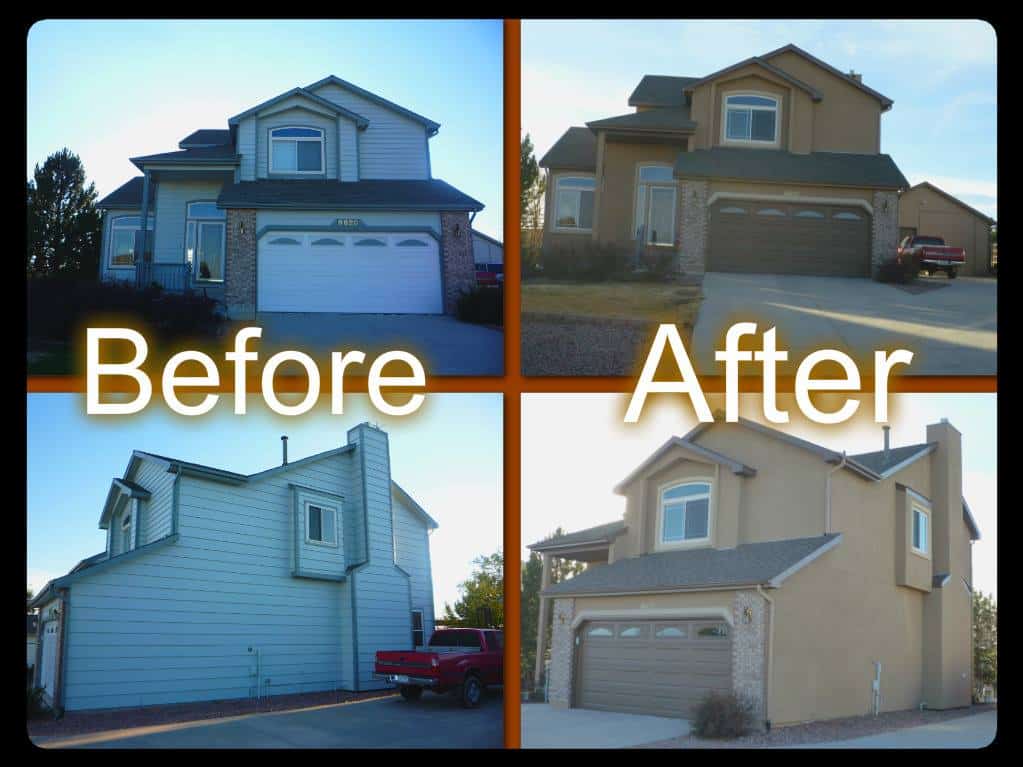
Water is the main risk for any cladding. Good control layers win.
For stucco
- Use two layers of WRB (housewrap or building paper) behind lath in many codes. The outer layer manages plaster bond; the inner stays intact as the water plane.
- Install a weep screed at the base for drainage.
- Add control joints to handle shrinkage and movement.
- For EIFS, always choose a drainage system with vertical grooves or spacers and a WRB. Barrier-only EIFS led to many failures in the 1990s.
For vinyl
- Treat vinyl as a rainscreen. Wind-driven rain can get behind it, so the WRB is critical.
- Flash windows and doors with tapes and head flashings. Kick-out flashings at roof-to-wall joints are a must.
- Leave proper expansion gaps. Tight nails or over-driven nails lead to buckling and trapped stress.
Why this matters
- Drying potential keeps sheathing healthy. Many building-science studies show that a ventilated gap, correct flashings, and capillary breaks lower rot risk.
- In wet climates, focus on drainage, not just barriers. The best siding still fails if the water layer is wrong.
Energy Efficiency and Comfort
Baseline R-values
- Stucco and standard vinyl add little insulation on their own (roughly R-0.2 to R-0.6). The wall’s energy performance mainly comes from the cavity insulation and any continuous exterior insulation.
- Insulated vinyl adds about R-2 to R-3. That helps, but not as much as a separate continuous insulation layer.
What moves the needle
- Continuous exterior insulation (rigid foam or mineral wool) can cut thermal bridging and deliver big savings. Energy agencies emphasize this as a top strategy.
- Air sealing around windows, doors, and sheathing joints often beats small R-value bumps in real savings.
- Stucco’s thermal mass smooths day-night swings in hot-dry zones. That can make interiors feel steadier.
Color and heat
- Dark vinyl absorbs more heat and can warp if not rated for it. Some lines use reflective pigments to limit heat gain.
- Stucco reflects or absorbs heat based on color and finish; elastomeric coatings can improve surface durability and water shedding.
Bottom line: For energy goals in stucco siding vs vinyl siding, plan for air sealing and continuous insulation first. Siding choice then supports looks, cost, and resilience.
Installation, Maintenance, and Repair
Stucco installation basics
- Prep: Sheathing, WRB, lath, trim beads, and weep screeds.
- Coats: Scratch, brown, and finish. Each cures before the next.
- Details: Control joints, sealant transitions, and proper clearances above grade and roofs.
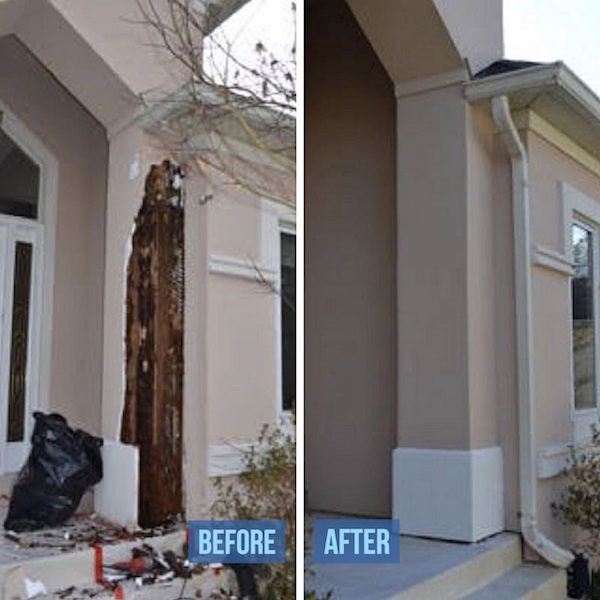
- Common mistakes: No weep screed, bad flashing, or skipping control joints. These lead to cracks and moisture issues.
Vinyl installation basics
- Prep: Flat substrate, WRB, trim blocks, and flashings.
- Hanging: Nail in the slots, not tight. Allow movement. Stagger joints and lock panels without forcing.
- Common mistakes: Over-driven nails, tight cuts at ends, missing kick-out flashings. These cause buckling and leaks.
Maintenance
- Stucco: Gentle washing. Seal cracks early. Recoat or repaint when the finish weathers.
- Vinyl: Wash with mild soap and water. Replace damaged panels. Avoid hot grills near walls.
Repairs
- Stucco: Skilled patching can blend texture. Color match is easier with a full repaint.
- Vinyl: Replace panels from stock or hidden spares. Keep an extra box after the job for later color match.
This is where craftsmanship often decides the winner in stucco siding vs vinyl siding.

Style, Curb Appeal, and Resale Value
Design range
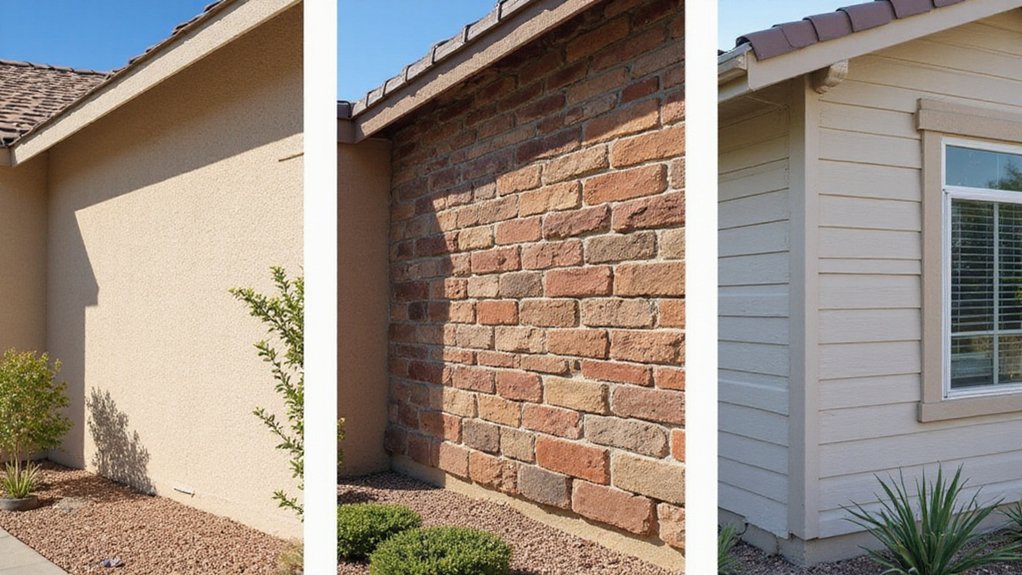
- Stucco: Smooth, sand, dash, or lace textures. Timeless on Spanish, Mediterranean, and modern homes.
- Vinyl: Many profiles and colors. Premium lines mimic cedar shakes or board-and-batten with crisp shadow lines.
Color and fade
- Stucco finish coats can be integral color or paint. Recoating refreshes the look.
- Vinyl is color-through. UV inhibitors slow fading. Dark colors need heat-resistant formulations.
Resale notes
- Match the neighborhood. In Southwest markets, buyers often expect stucco. In many northern suburbs, clean vinyl is a solid standard.
- Good detailing sells: crisp trim, aligned joints, and neat transitions boost curb appeal more than the material alone.
Environmental Impact and Health
Embodied carbon and materials
- Stucco uses Portland cement, which has a high CO2 footprint. Lime-modified or SCM-blended cements can lower it.
- Vinyl is PVC-based. It is light and durable but tied to chlorine chemistry and plastic production impacts.
Service life and end-of-life
- Well-detailed stucco can last many decades. Repairs are mineral-based and inert.
- Vinyl is often not recycled after removal, though some manufacturers offer take-back programs.
Fire and smoke
- Stucco will not burn. It helps in wildfire-prone zones.
- Vinyl can melt and produce hydrochloric acid fumes when burning. Local codes may guide choices near lot lines and in WUI areas.
Greener moves
- Add continuous insulation to cut heating and cooling loads.
- Choose lighter colors in sunny climates to reduce heat gain.
- Ask for Environmental Product Declarations when available.
These trade-offs matter in a complete view of stucco siding vs vinyl siding.
Codes, Insurance, and Warranty Considerations
Codes and approvals
- In wildfire zones, non-combustible claddings and defensible space rules may steer you to stucco.
- Coastal zones often require specific wind ratings and corrosion-resistant fasteners for any siding.
Insurance and risk
- Some insurers prefer non-combustible exteriors or offer credits for them. Check your policy.
- Vinyl near heat sources (grills, fire features) can void coverage for melt damage.
Warranties
- Vinyl: Many brands offer limited lifetime warranties to the original owner, prorated for fade and hail. Read the fine print on labor.
- Stucco: Workmanship warranties run 1 to 10 years. Material finish warranties vary. Coverage requires correct details like weep screeds and control joints.
Always verify local codes and product approvals for a clean pass at permit time.
When to Choose Each: Practical Scenarios
- Hot-dry climate, modern or Mediterranean look: Choose stucco. Add control joints and a weep screed. Consider a light color and elastomeric finish.
- Mixed climate with freeze-thaw: Choose premium vinyl or EIFS with drainage plus careful details. If stucco, include drainage and robust WRBs.
- Tight budget, fast timeline: Choose vinyl. It installs quickly and keeps costs predictable.
- Wildfire or urban fire risk: Choose stucco or other non-combustible cladding.
- Looking for the quietest interior: Stucco’s mass wins. Pair with good windows for best results.
- Energy upgrade focus: Either cladding can work. Put money into air sealing and continuous insulation first, then pick your finish.
These cases reflect the real trade-offs in stucco siding vs vinyl siding.
Lessons From the Field: My Recommendations and Mistakes to Avoid
What has worked best for my clients
- In dry Southwest neighborhoods, three-coat stucco with proper joints has aged gracefully with little repair.
- In hail-prone plains, insulated vinyl with a high impact rating held up better and cost less over 10 years.
Mistakes I learned to avoid
- We skipped a kick-out flashing on a roof-to-wall tie-in behind vinyl once. The sheathing rotted. Fix: Always use kick-outs and head flashings.
- I inherited a coastal EIFS job from the 90s that lacked drainage. Trapped moisture led to hidden damage. Fix: If using EIFS, demand a drainage system, tested WRBs, and trained installers.
Practical tips you can use
- Ask for proof of installer training. Good crews follow spacing, fasteners, and cure times.
- Request mockups of control joints (stucco) and expansion details (vinyl).
- Keep spare vinyl panels from the same lot for future color match.
- Budget 5 to 10 percent for trim, flashings, and accessories. These parts prevent most leaks.
- Document wall photos before siding goes on. Future repairs get easier.
If you weigh these lessons, you will make a smarter call on stucco siding vs vinyl siding.
Frequently Asked Questions of stucco siding vs vinyl siding
Is stucco more expensive than vinyl?
Yes, in most regions stucco costs more to install than vinyl. Labor time and skill raise the price, while vinyl is quick to hang.
How long does stucco last compared to vinyl?
Both can last decades with good details and care. Stucco often outlives vinyl in dry climates, while premium vinyl holds up well in mixed or cold zones.
Which is better for energy savings, stucco or vinyl?
Neither adds much insulation on its own. The biggest gains come from air sealing and adding continuous exterior insulation behind the siding.
Can vinyl siding melt from heat?
Yes. Vinyl can warp or melt near grills, fire pits, or strong window reflections. Keep heat sources away and consider heat-resistant lines.
Does stucco crack easily?
Hairline cracking can happen as stucco cures or moves. Good mix design, control joints, and correct base layers reduce cracking and make repairs simple.
Is EIFS the same as stucco?
No. EIFS is a synthetic system with foam and acrylic coats. Traditional stucco is cement-based plaster; both can work if designed for drainage.
Will stucco help with noise more than vinyl?
Yes. Stucco’s mass dampens sound better. Vinyl with insulated backers helps, but it will not match solid plaster for noise control.
Which has better resale value?
It depends on the region and build quality. In areas that favor stucco, buyers often pay more for it; in many suburbs, clean premium vinyl sells well.
Conclusion
You now have a clear, practical way to weigh stucco siding vs vinyl siding. Stucco thrives in hot-dry zones, adds quiet and fire resistance, and rewards quality craftsmanship. Vinyl wins on upfront cost, speed, and easy care, and it performs well when detailed right. Focus first on air sealing, flashing, and drainage. Then choose the cladding that fits your climate, budget, and style.
Ready to plan your project? List your climate needs, request three detailed bids, and ask each installer to show how they manage water and movement. Want more help? Subscribe for checklists, cost guides, and pro tips, or drop your questions in the comments.