
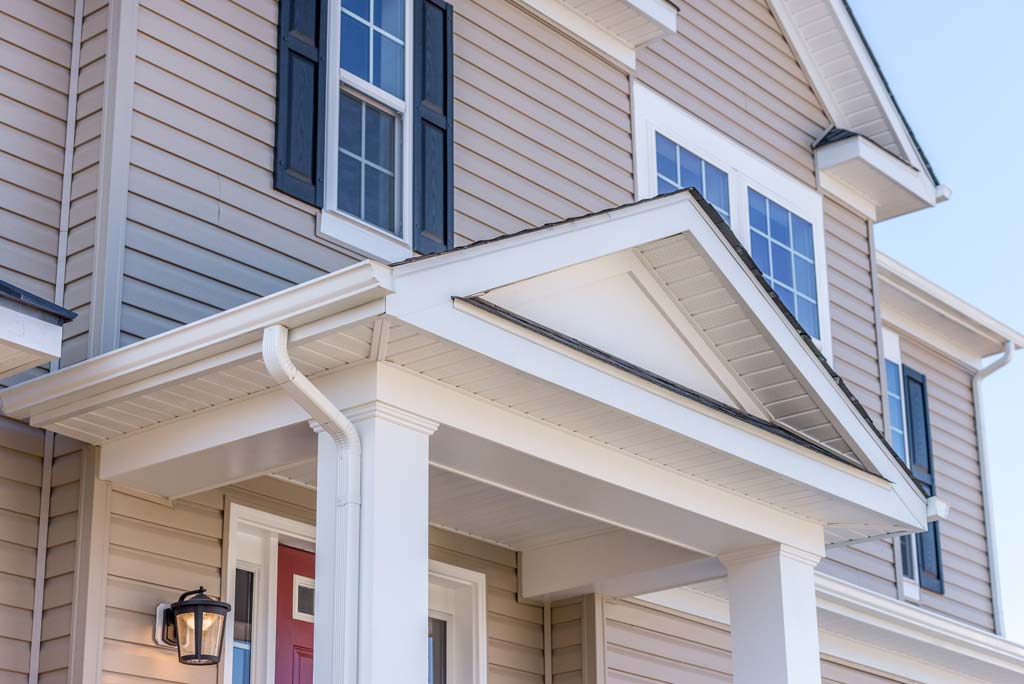
Dutch lap brings a shadowed, historic look; traditional siding is simpler and often cheaper.
Choosing between dutch lap siding vs traditional siding can shape the look, cost, and long-term care of your home. I’ve specified, installed, and repaired both styles across many climates. In this guide, I break down dutch lap siding vs traditional siding with real job-site insight, clear pros and cons, and practical tips that save money and stress. If you want a confident, informed pick that fits your house and budget, keep reading.

What Is Dutch Lap Siding?
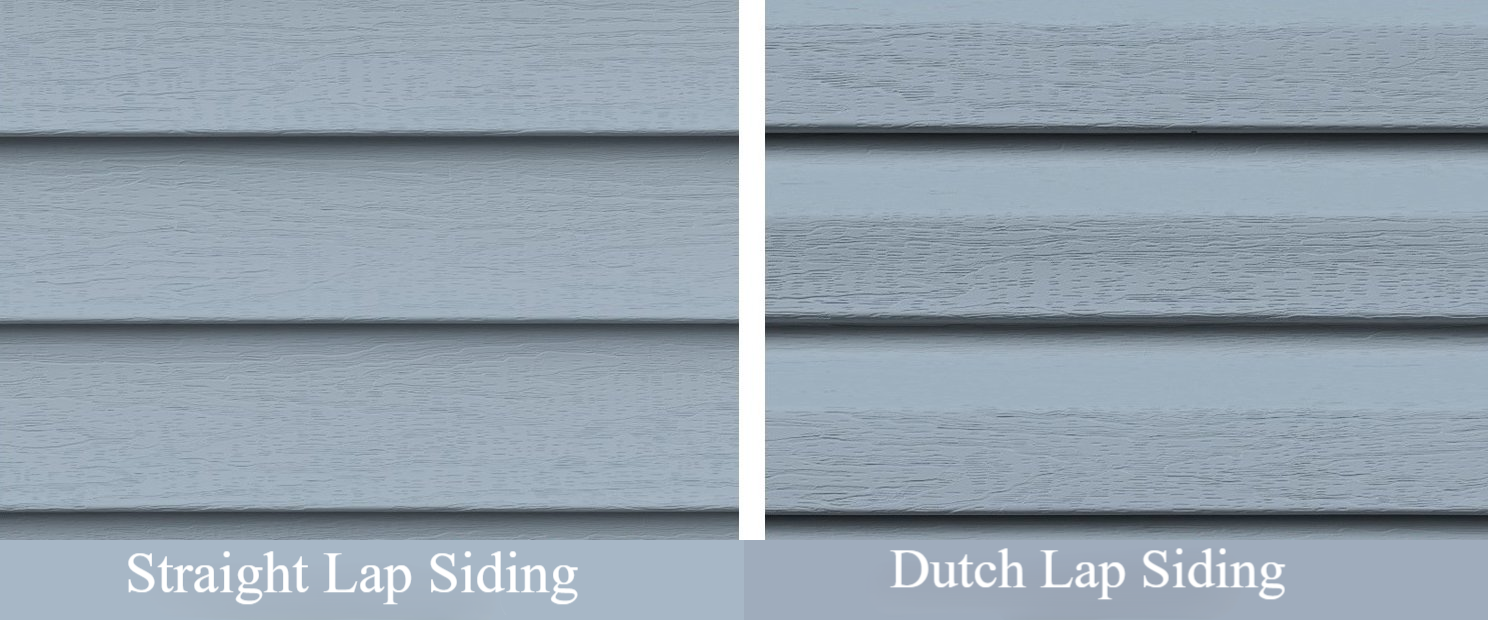
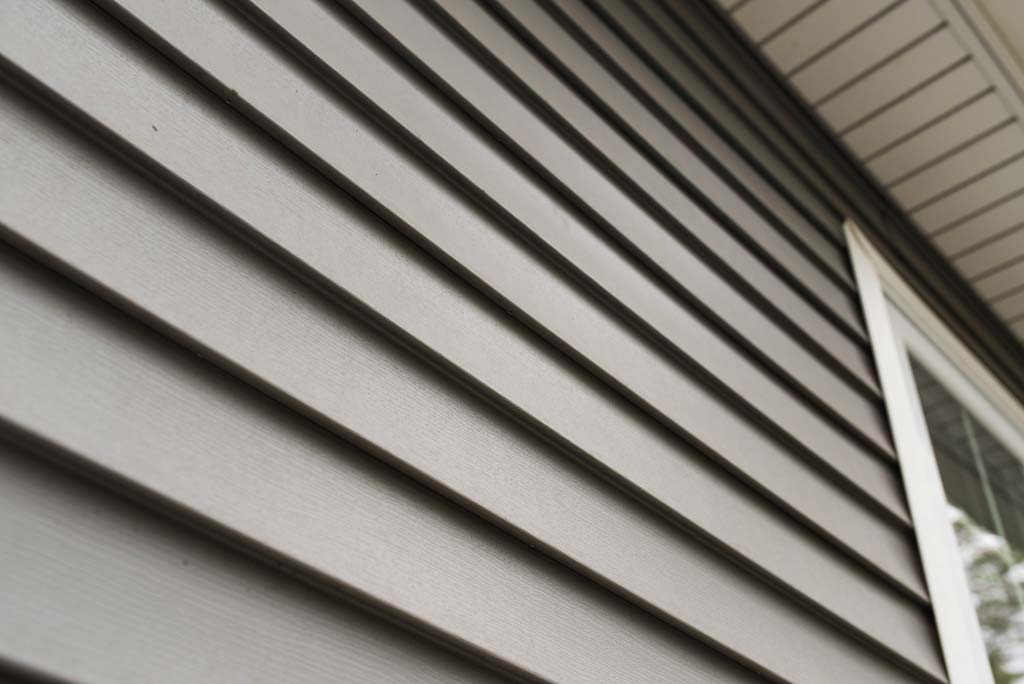
Dutch lap siding uses horizontal planks with a concave notch along the top edge. This profile creates a deep shadow line that many people connect with historic or colonial homes. The visual effect makes walls look layered and dimensional, even from the street.
Modern dutch lap comes in vinyl, fiber cement, engineered wood, and sometimes wood. The style works well on Cape Cod, Colonial Revival, and many ranch homes. When people search dutch lap siding vs traditional siding, this profile is often what they picture on classic houses.
What Is Traditional Siding?
Traditional siding, in this context, usually means standard lap or clapboard siding without the curved notch. Boards are beveled or flat and overlap in a clean, simple way. The shadow line is lighter and more linear.
This style suits many homes, from mid-century ranch to modern farmhouse. It is easy to pair with any trim style or color scheme. When you compare dutch lap siding vs traditional siding, traditional lap tends to feel more minimal and flexible across eras.
Curb Appeal: Style, Shadows, and First Impressions
When you place dutch lap siding vs traditional siding side by side, the first difference is the shadow. Dutch lap casts a bold, sculpted line. Traditional lap looks crisp and flat.
- Dutch lap is great if you want charm, depth, and a period feel.
- Traditional lap is perfect if you want clean lines and a modern or timeless look.
- On large walls, dutch lap can break up the mass with shadows. On small homes, traditional lap can make walls feel sleek.
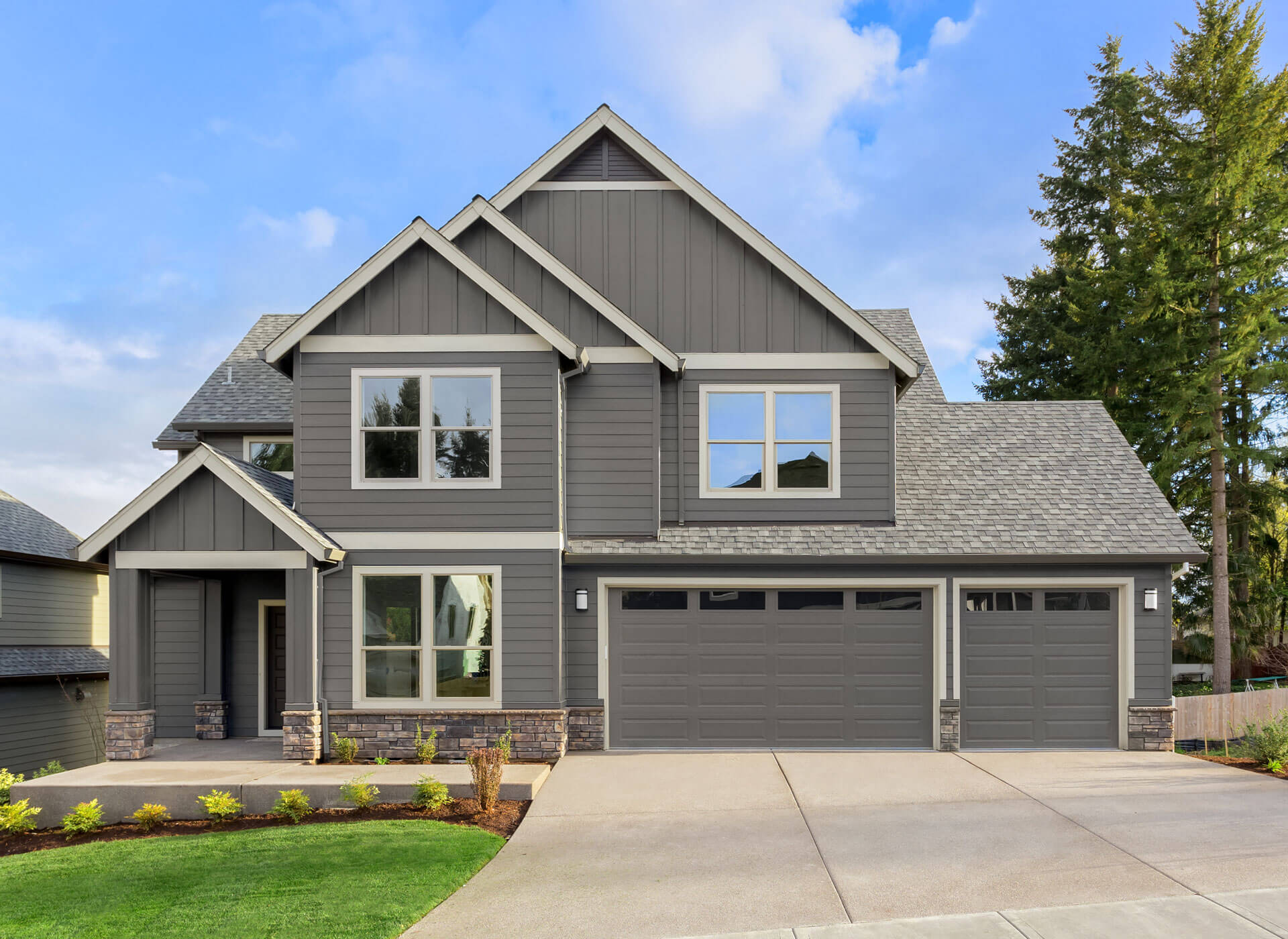
From my installs, buyers often react fast to these looks. If a client wants a standout façade on a quiet street, dutch lap wins. If they want a calm, modern vibe with low visual noise, traditional lap does the job.
Materials and Typical Costs
Prices shift by region, fuel, labor, and season. Always get local bids. Still, these ballpark ranges help when weighing dutch lap siding vs traditional siding.
- Vinyl: Often the lowest upfront cost. Installed, many jobs fall in the lower price range among all options. Dutch lap and traditional profiles are both common, with many colors.
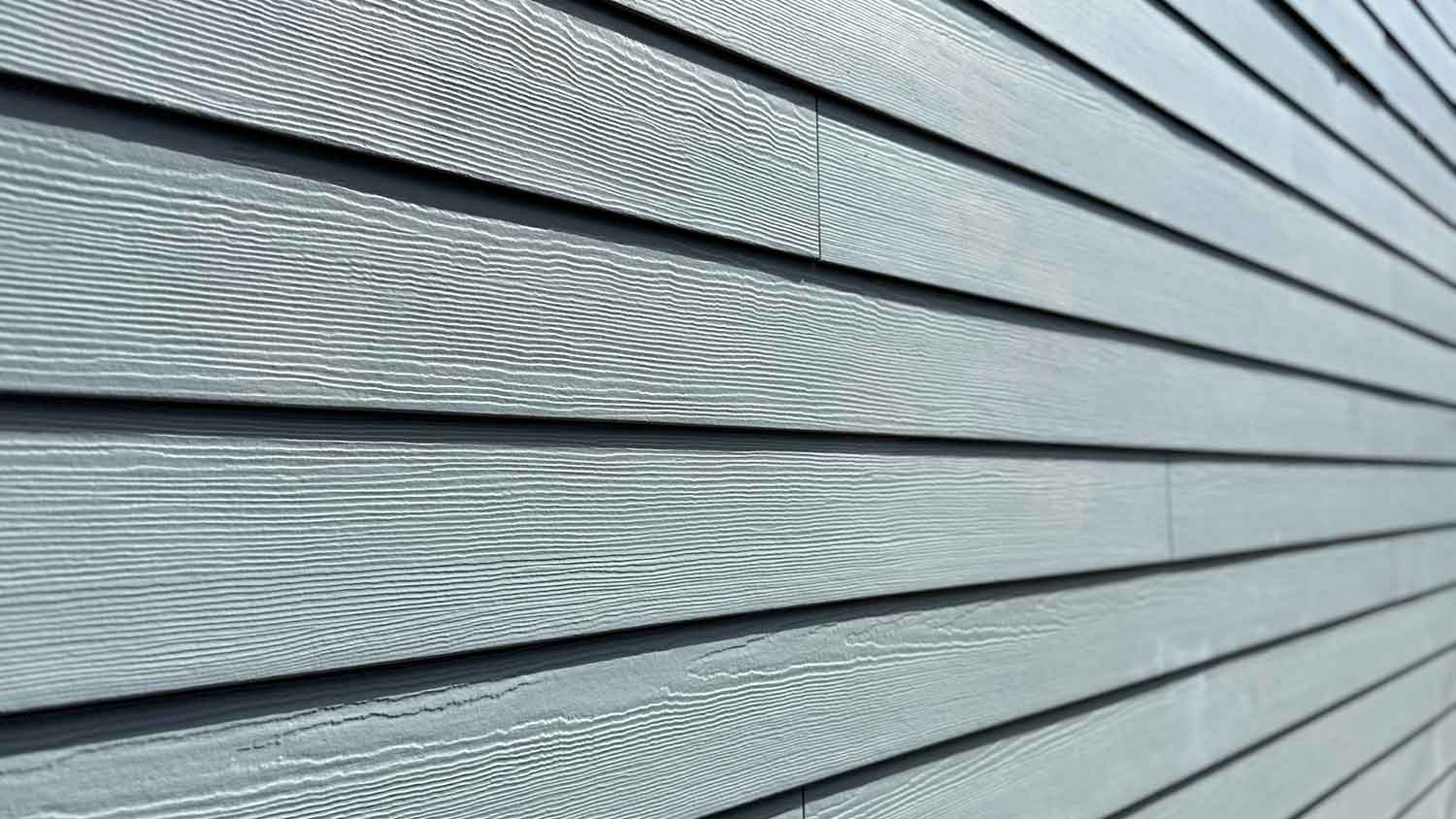
- Fiber cement: Mid-range cost. It is heavy, durable, and noncombustible. Both dutch lap and traditional lap are easy to source. Paint holds well for many years.
- Engineered wood: Similar to or a bit below fiber cement. Lighter than fiber cement. Attractive wood look with factory finishes.
- Wood (cedar, redwood): Higher cost. Great character but more upkeep. True dutch lap wood boards exist, but most wood installs are standard lap or bevel.
- Metal (steel or aluminum): Varies. Good for harsh weather and low upkeep. Profiles are cleaner and fit modern designs.
In my experience, vinyl dutch lap can be a touch more than basic vinyl lap in the same brand line. The cost jump often comes from profile demand or accessory trim. On fiber cement, profile cost differences are small, but labor can shift if cuts are complex.
Weather, Durability, and Code Performance
Weather and wear decide the real cost over time. For dutch lap siding vs traditional siding, material and install quality matter more than profile alone.
- Wind: Many vinyl systems carry high wind ratings when nailed right. Fiber cement and engineered wood resist wind well with correct fasteners. Always follow local code.
- Moisture: Proper flashing and housewrap matter. Vinyl sheds water but needs a flat, drained wall. Fiber cement and engineered wood need sealed cuts and correct clearances.
- Heat and cold: Vinyl can expand and contract. Leave correct gaps at nailing. Fiber cement handles heat and cold, but seams need care. Wood can swell; venting and finish are key.
- Fire and pests: Fiber cement is noncombustible. Engineered wood resists pests when sealed. Wood needs steady maintenance. Vinyl can warp near high heat sources.
- UV and fade: Quality vinyl lines have UV stabilizers. Lighter colors fade less. Factory-coated fiber cement and engineered wood hold color longer than field paint.
I have seen installs fail not from the product, but from missing flashing, tight nails on vinyl, or short drip edges. Profile choice is secondary if water gets in. Focus first on the water plane, then the look.
Installation: Timeline, Skill, and Common Pitfalls
Both dutch lap and traditional lap install well with a skilled crew. The profile detail on dutch lap can require more precision at corners and around trim.
- Prep: Inspect sheathing, fix rot, apply housewrap, and set flashings. Straight walls make straight lines.
- Layout: Snap level lines and plan seams. Dutch lap shadow lines make uneven runs stand out.
- Nailing: Follow the guide. Do not overdrive nails on vinyl. Hit studs or proper substrate on fiber cement and wood.
- Cutting: Use the right blades and seal cuts as the manufacturer says. Keep dust control for fiber cement.
- Details: Kick-out flashings, head flashings, and weeps save walls over time.
Lessons from my crews:
- Do not skip starter strips. A crooked start spoils the whole wall.
- Use story poles for reveal consistency. Your eye will catch changes fast.
- Check corners twice. Dutch lap corners show misalignment more than flat lap.

Maintenance and Energy Efficiency
When weighing dutch lap siding vs traditional siding, plan for the life of the home, not one season.
Maintenance:
- Vinyl: Wash once a year with mild soap. Avoid harsh pressure at seams.
- Fiber cement: Repaint around the 12–15 year mark with quality paint. Caulk joints as needed.
- Engineered wood: Follow factory finish care. Recoat on the recommended cycle.
- Wood: Plan for shorter paint or stain cycles. Keep plants and sprinklers off the walls.
Energy:
- Siding alone has little R-value. Add rigid foam or choose insulated vinyl to boost performance.
- A rainscreen gap improves drying and can extend finish life.
- Air sealing, tape, and housewrap details often beat small R-value gains from the siding profile.
On several retrofits, switching to insulated vinyl plus taped seams cut drafts more than any profile change. Think of siding as the shell, and the air barrier as the real comfort layer.
Resale Value and Regional Fit
Curb appeal drives offers. When appraisers look, fresh, straight lines and clean trim matter most.
- ROI: Exterior updates often rank high for return. Siding replacement tends to recoup a large share of cost at resale in many markets.
- Style fit: Dutch lap shines in historic districts and on homes with divided-light windows and classic trim. Traditional lap fits coastal, modern, and ranch styles with ease.
- Climate: In hot sun zones, lighter vinyl colors help with fade. In wet climates, fiber cement and a rainscreen are a strong pair.
From my sales walk-throughs, buyers comment on the depth of dutch lap and the neatness of traditional lap. Both can sell a home if they match the architecture and are installed with care.

Dutch Lap Siding vs Traditional Siding: A Simple Decision Path
Use this checklist when choosing dutch lap siding vs traditional siding:
- You value historic charm and deep shadows: Choose dutch lap.
- You want a clean, modern, or flexible look: Pick traditional lap.
- You need the lowest upfront cost: Compare basic vinyl traditional lap to vinyl dutch lap in your brand line.
- You live in a fire-prone area: Favor fiber cement in either profile.
- You want fewer repaints: Consider factory-finished fiber cement or engineered wood.
- You crave easy upkeep: Quality vinyl in a lighter color often wins.
My take: Match the style to your home first, then fine-tune material, color, and trim. That order keeps both look and budget in line.
Mistakes to Avoid and Pro Tips From the Field
Avoid these common errors:
- Skipping flashing at roof-to-wall steps. Water will find the gap.
- Nailing vinyl too tight. It must move with heat and cold.
- Ignoring starter strip level. One bad line grows across the wall.
- Painting in direct hot sun. It can flash-dry and fail early.
- Letting mulch touch siding. It holds moisture and invites pests.
Pro tips:
- Mock up two courses on a spare wall to compare dutch lap and traditional side by side in your light.
- Use wider corner boards on dutch lap to frame the deeper profile.
- Add a subtle color shift between body and trim for extra depth.
- Spend on better housewrap and tape. You only get one shot behind the siding.
Frequently Asked Questions of dutch lap siding vs traditional siding
Is dutch lap more expensive than traditional lap?
Often by a little, especially in vinyl lines, due to profile and demand. In fiber cement, the difference is smaller and may be only a trim choice.
Which holds paint better: dutch lap or traditional lap?
The substrate decides paint life, not the profile. Fiber cement and quality engineered wood hold paint longer than most site-finished wood.
Is dutch lap siding outdated?
No. It is classic, not trendy. It works best on homes with traditional trim and window styles.
Can I mix dutch lap and traditional lap on one house?
Yes. Use one on the main body and the other on gables or bump-outs. Keep colors and trim consistent for a unified look.
What is best for DIY: dutch lap or traditional lap?
Traditional vinyl lap is the most DIY-friendly for many people. Dutch lap needs closer attention to lines and corners but is still doable with care.
Does insulated vinyl matter for either profile?
It can help with minor energy gains and impact resistance. It also smooths wall waves, which is handy on older homes.
How do I choose the right reveal width?
Match the scale to your home size and window spacing. Wider reveals add drama, while narrow reveals look tidy and modern.
Conclusion
Choosing between dutch lap siding vs traditional siding comes down to style, budget, climate, and maintenance. Dutch lap gives a rich, shadowed look that suits classic homes. Traditional lap offers a clean line that works almost anywhere and often at a lower cost.
Walk your block, take photos, and mock up a few courses on your wall. Then get two or three local bids and ask for recent job references. Ready to pick your winner? Compare samples in real daylight, lock in your trim plan, and move forward with confidence. If this helped, share it, subscribe for more guides, or drop your questions in the comments.