
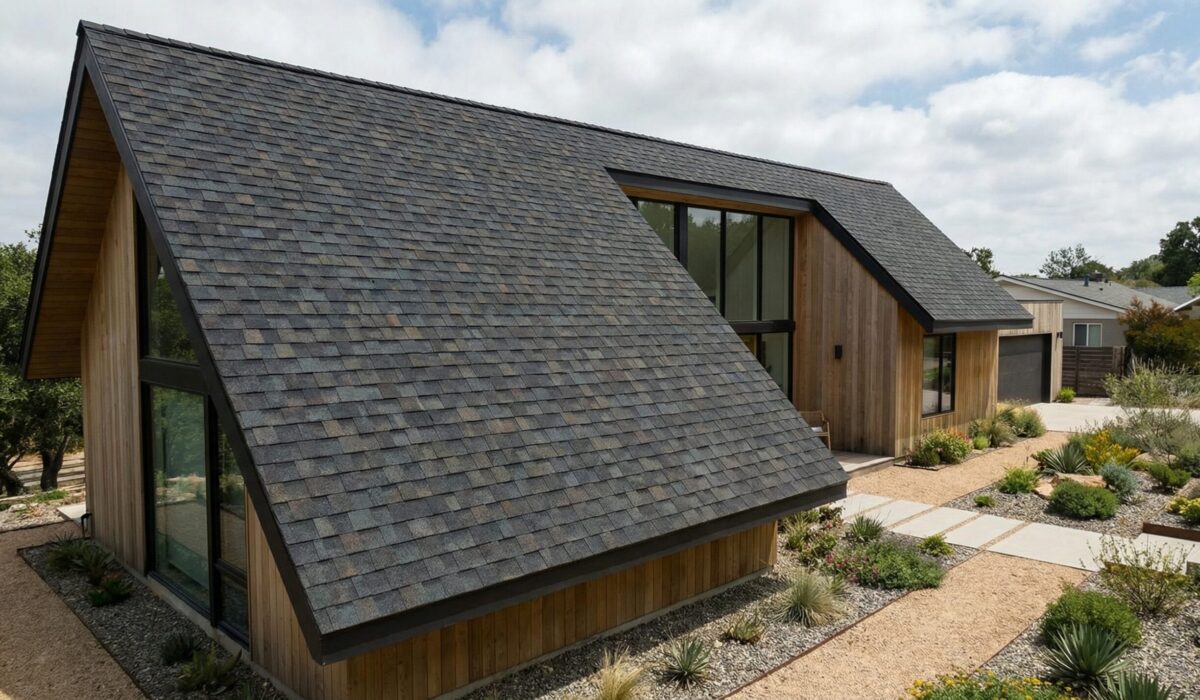
Modern shingle siding often outperforms wood in durability, upkeep, and long-term value.
If you are weighing charm against performance, this modern shingle siding vs wood siding comparison is for you. I have specified and installed both on coastal homes, cabins, and new builds. Below, I break down costs, care, curb appeal, and code so you can make a smart, confident choice.

What Counts As Modern Shingle Siding?
Modern shingle siding mimics cedar shingles but uses advanced materials. The most common options are fiber cement, engineered wood, and polymer or composite shingles. These products are built to handle harsh weather, resist pests, and hold color for years.
- Fiber cement shingles: Portland cement, sand, and cellulose fibers. Noncombustible and very stable.
- Engineered wood shingles: Wood strands and resins, treated against rot and insects. Lighter and easy to cut.
- Polymer or composite shingles: High-grade plastics with UV inhibitors. Color-through options reduce repainting.
This modern shingle siding vs wood siding comparison highlights why these materials win on performance. Many brands carry 30–50 year limited warranties when installed and maintained per instructions.

What Is Real Wood Siding?
Wood siding includes cedar, redwood, and pine, installed as shingles, shakes, or clapboard. It is warm, natural, and timeless. Grain patterns and subtle color shifts give depth that many homeowners love.
- Cedar and redwood: Naturally resistant to decay when kept dry and finished.
- Pine: Budget-friendly, but more prone to movement and rot if not protected.
- Finishes: Paints and stains shield wood from UV and rain, but need regular renewal.
A modern shingle siding vs wood siding comparison is not complete without honoring wood’s heritage look. It can be the right choice for historic homes or strict HOA areas.

Performance And Durability: Side-By-Side
I judge siding by how it handles water, sun, wind, fire, and pests. Here is how the two groups compare in practice.
- Moisture and rot
- Modern shingles resist rot and swelling. Edges must be sealed when cut.
- Wood needs careful detailing, back-priming, and steady finish care.
- UV and color
- Polymer and prefinished fiber cement hold color well. Fade is slow.
- Wood fades fast without stain. Clear coats need frequent upkeep.
- Fire
- Fiber cement is noncombustible and often part of Class A assemblies.
- Untreated wood is usually Class C. Fire-retardant treatments help but add cost.
- Pests
- Engineered wood has borate treatments. Fiber cement and polymers are pest-proof.
- Wood can host insects if coatings fail or water gets in.
- Movement and cracking
- Fiber cement is stable but can crack if nailed tight or cut wrong.
- Wood expands and contracts with seasons. Gaps and checks can form.
Based on field work and manufacturer data, modern products hold up longer with less fuss. That is the core of this modern shingle siding vs wood siding comparison.
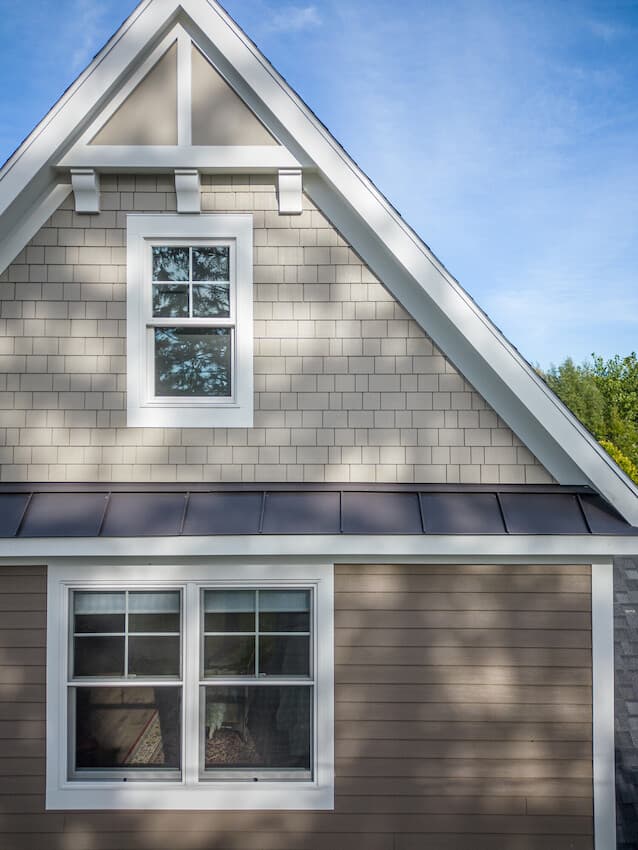
Cost Of Ownership And ROI
Upfront price is only part of the math. The total cost over 20–30 years matters more. Here is a practical view based on bids I see in the field. Actual prices vary by region.
- Upfront material and install (per square foot, typical ranges)
- Fiber cement shingles: about $7–$14
- Engineered wood shingles: about $6–$12
- Polymer/composite shingles: about $9–$20
- Cedar shingles or shakes: about $8–$18+ depending on grade and layout
- Maintenance cycle
- Modern shingles: long repaint cycles or none if color-through. Expect 10–15 years for paint on fiber cement. Simple washing helps.
- Wood: re-stain every 3–5 years in sunny or wet zones. Paint 5–7 years is common.
- Repairs
- Modern shingles: spot repairs are rare if details are right.
- Wood: cupping, splitting, and decay near grade can add repair cost.
Remodeling data often shows strong resale value for siding upgrades. Fiber cement tends to rank high. That supports this modern shingle siding vs wood siding comparison on long-term value.

Design And Curb Appeal
Curb appeal drives many decisions. Both paths can look stunning when done well.
- Texture and shadow
- Modern shingles cast clean, even lines. Many have deep cedar-like grain.
- Wood gives natural variance. It is warm and organic.
- Color strategy
- Prefinished fiber cement and polymer offer stable shades. Touch-ups match well.
- Wood stains show grain. Dark stains heat up more and age faster.
- Style fit
- Modern options suit coastal, craftsman, and contemporary looks.
- Wood is ideal for historic homes, cottages, and rustic retreats.
A modern shingle siding vs wood siding comparison is not just about data. It is about the mood you want when you pull into the driveway.
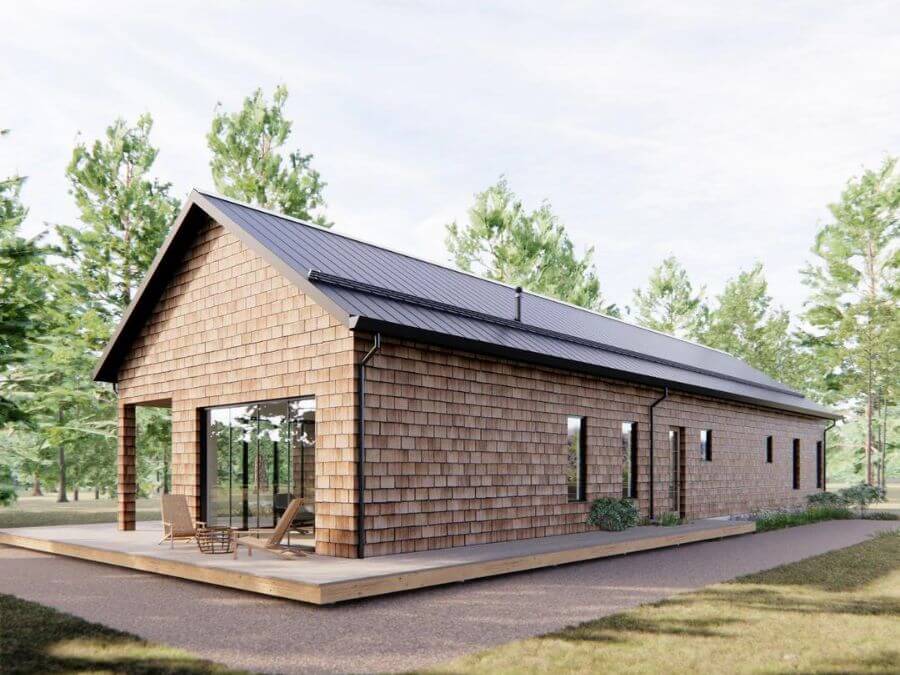
Installation And Maintenance
Good installs save years of headaches. I have seen flawless jobs and costly do-overs. Here is what matters.
- Substrate and wrap
- Use a proper water-resistive barrier. Flash every opening with care.
- Rainscreens improve drying. I use them on most wood and fiber cement installs.
- Fasteners
- Stainless steel for coastal or damp sites. Corrosion ruins looks and holding power.
- Follow nail placement and spacing. Overdriving damages shingles.
- Clearances
- Keep siding off rooflines, decks, and grade. I like 6–8 inches at soil.
- Cutting and safety
- Fiber cement needs dust-safe cutting. Use approved blades and dust control.
- Wood cuts fast but needs back-priming and end-sealing.
- Routine care
- Modern shingles: rinse, inspect caulk, touch up cut edges as needed.
- Wood: wash gently, recoat on schedule, fix splits right away.
When I compare jobs five years in, careful details beat material hype. That is a key lesson in any modern shingle siding vs wood siding comparison.

Climate And Site Factors
Your climate can change the winner.
- Wet or coastal zones
- Fiber cement and polymer shine. Engineered wood works well with good ventilation.
- Cedar lasts if stained and kept dry. Stainless fasteners are a must.
- Freeze-thaw regions
- Fiber cement needs correct clearances and sealed cuts. Engineered wood is forgiving.
- Wood moves more. Watch joints and paint films.
- High heat and sun
- Polymer can soften near grills or reflectors. Plan clearances.
- Wood can dry out and check. Dark stains get hotter.
- Wildfire or WUI areas
- Noncombustible fiber cement often meets stricter codes more easily.
- Fire-retardant wood exists but adds cost and may need re-treatment.
Weigh these site notes in your modern shingle siding vs wood siding comparison before you commit.
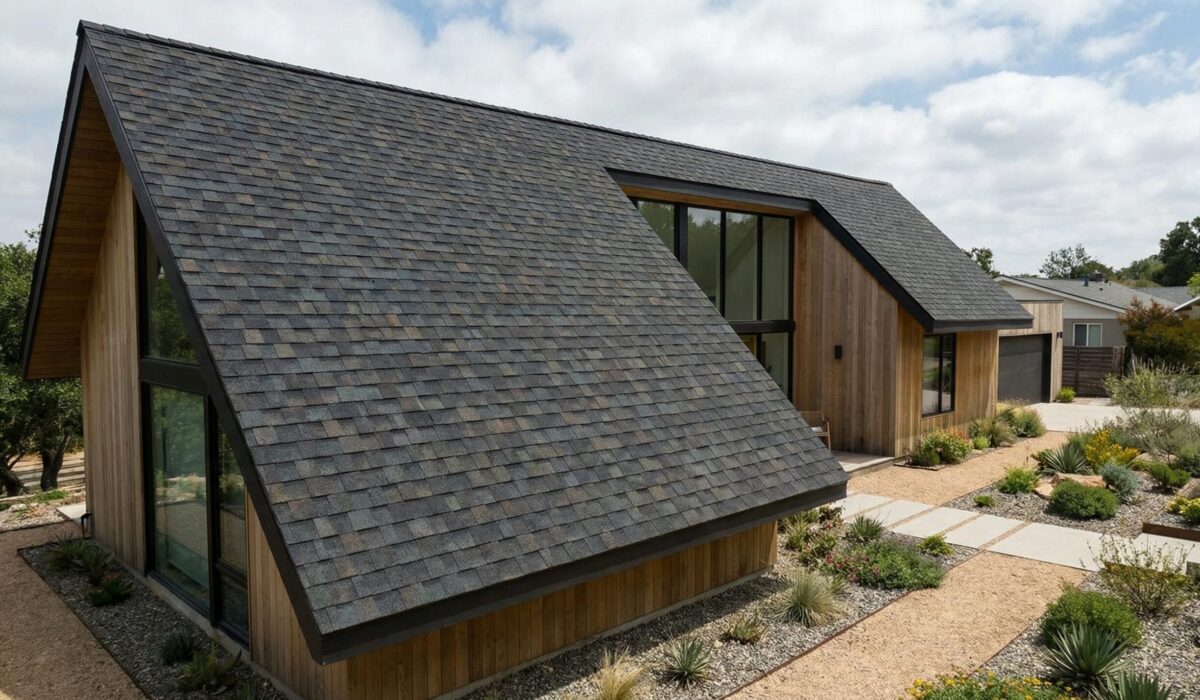
Environmental Impact And Sustainability
Sustainability is bigger than a buzzword. We look at sourcing, carbon, and upkeep.
- Wood
- Renewable and stores carbon. Choose certified sources for best impact.
- Needs stains or paints. That adds chemicals over time.
- Fiber cement
- Durable and low maintenance. Made with cement, which has higher embodied carbon.
- Long life and fewer repaints can balance some impacts.
- Engineered wood
- Uses fast-growing wood and treatments that resist decay. Paintable and light.
- Polymer/composites
- Long-lasting with low upkeep. Petroleum-based. Some lines are recyclable.
No single answer fits all. A modern shingle siding vs wood siding comparison should include a life-cycle view, not just the first cost.
Common Mistakes And Pro Tips From The Field
These small steps prevent big problems.
- Do not skip a rainscreen in wet or shaded areas. Drying space saves finishes.
- Seal every cut edge, every time. I keep touch-up on my belt.
- Back-prime wood shingles on all sides. It slows moisture cycling.
- Use kickout flashing at roof-to-wall ties. It stops hidden leaks.
- Respect movement joints. Fiber cement needs gaps and caulk where specified.
- Keep sprinklers off siding. Constant spray ruins coatings on any material.
These habits underpin a solid modern shingle siding vs wood siding comparison in real life jobs.
Buying Checklist And Spec Tips
Use this quick checklist before you order.
- Define your climate risks and code limits. Fire zone, wind, and flood rules shape choices.
- Pick the profile and exposure that match your house style.
- Choose finish type: factory prefinish, color-through, or site-applied.
- Confirm warranty terms. Note exclusions for install or maintenance lapses.
- Plan trim and accessories. Vents, corners, and starter strips matter.
- Verify fasteners and tools needed. Budget time for safe cutting if using fiber cement.
- Get two or three bids from certified installers. Ask to see past jobs at year five.
Bring this list to your contractor to sharpen your modern shingle siding vs wood siding comparison.
Frequently Asked Questions of modern shingle siding vs wood siding comparison
Which option lasts longer in most climates?
Modern shingle siding, especially fiber cement and quality polymer, often lasts 30–50 years. Wood can match that with perfect care, but most homes see more upkeep and earlier repairs.
Is wood siding cheaper than modern shingles?
Upfront, wood can be similar or higher than fiber cement and close to polymer at times. Over time, modern products usually cost less due to fewer repaints and repairs.
How does siding choice affect home insurance?
In some areas, noncombustible fiber cement can help with underwriting in high fire zones. Ask your insurer, as credits and rules vary by state and provider.
Can I DIY the installation?
Experienced DIYers can handle engineered wood or polymer on small areas. Fiber cement is heavier and needs dust-safe cutting, so many owners hire pros.
Will modern shingles look fake up close?
Top-tier modern shingles have deep grain and crisp edges that read well even near the door. Ask for large samples or visit a local install before you decide.
What about resale value?
Siding upgrades rank high for payback in many market reports. A clean, low-maintenance finish supports curb appeal and buyer confidence.
Are there health or safety concerns?
Cutting fiber cement makes silica dust; use proper tools and masks. With wood, use safe finishes and dispose of old coatings per local rules.
Conclusion
Both paths can win. If you want low upkeep, code-friendly fire resistance, and steady color, modern shingle siding is the safer bet. If you crave natural grain and a classic vibe, wood can deliver with steady care and smart detailing.
Take this modern shingle siding vs wood siding comparison, walk your site, and list your goals. Ask for samples, compare install bids, and check a few five-year-old jobs in your area. Ready to go deeper? Subscribe for more exterior guides, or drop your questions in the comments so I can help you plan the perfect facade.