
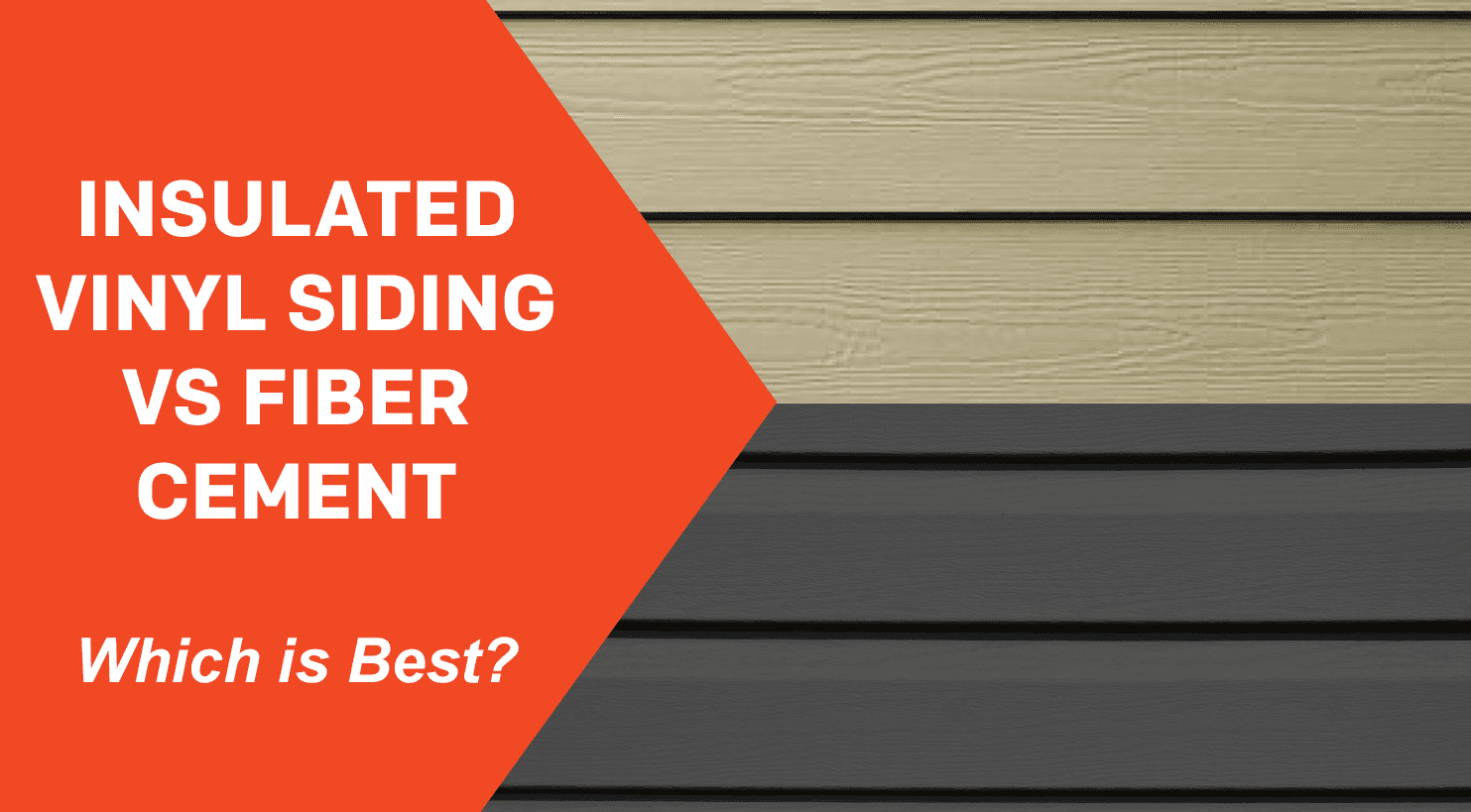
Cement board lasts longer and resists fire; vinyl is cheaper and low maintenance.
If you are weighing cement board siding vs vinyl siding, you are in the right place. I’ve installed both on starter homes and high-end builds. I know where each shines, where each fails, and how to avoid costly mistakes. This guide breaks down real costs, care, curb appeal, and long-term value so you can choose with confidence.
What Is Cement Board Siding?
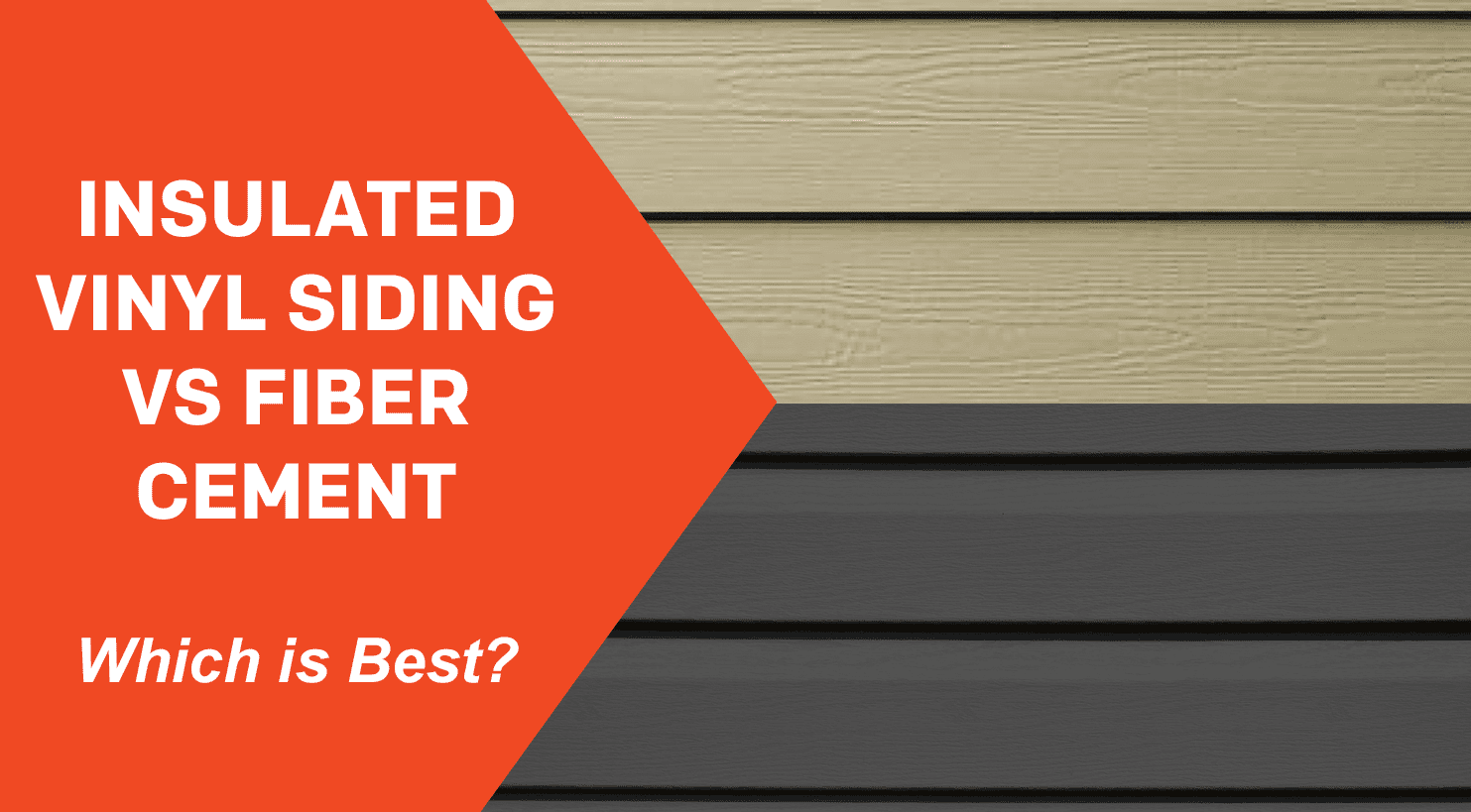
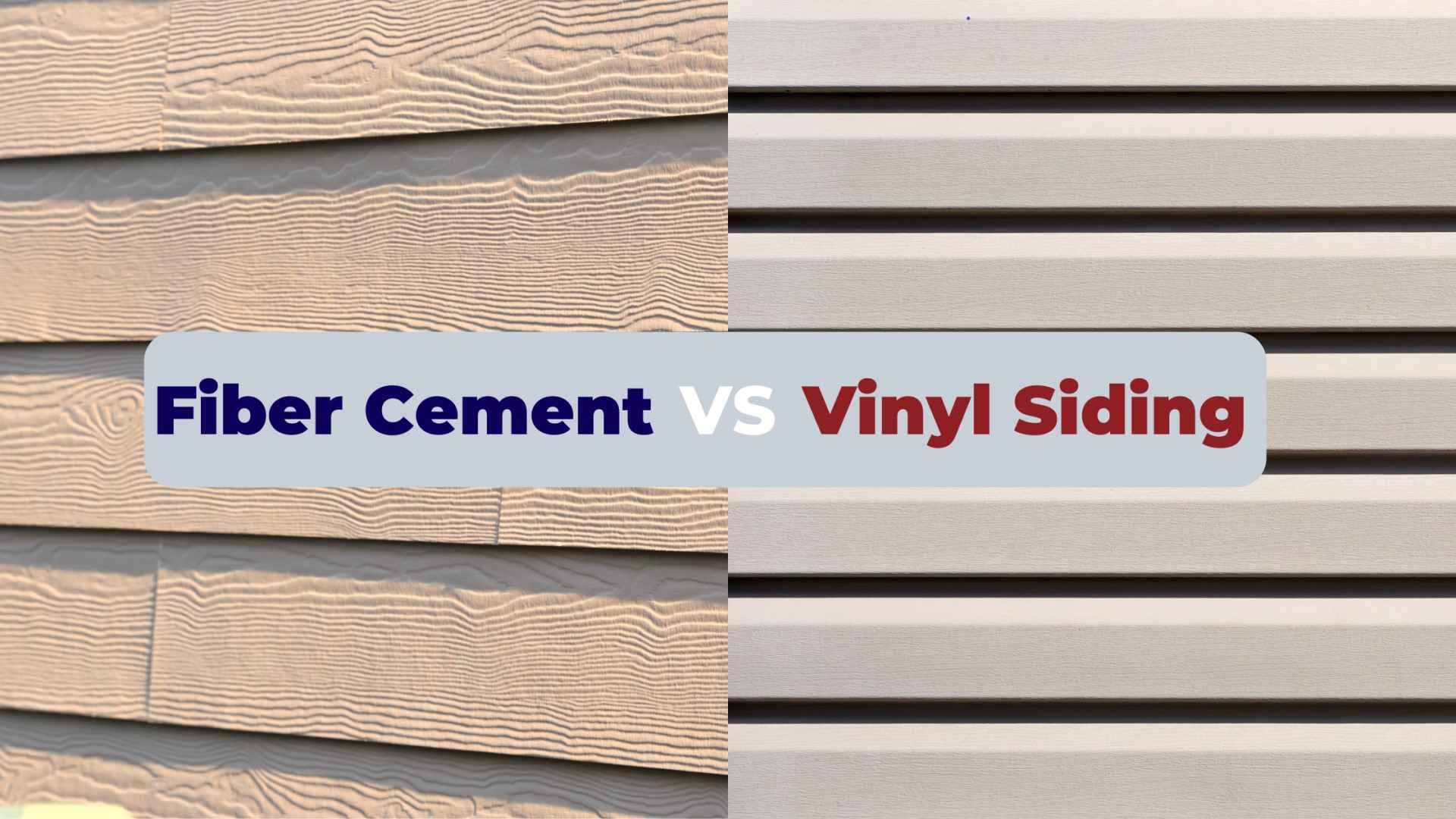
Cement board siding, often called fiber cement, blends Portland cement, sand, and cellulose fibers. It comes as planks, panels, or shingles. It mimics wood grain well. It holds paint. It resists fire, rot, and insects.
You can use it on most homes. It needs cutting with proper blades. It is heavier than vinyl. It needs painting every so often, but not often.
Most brands carry long warranties. Many carry fire ratings that help with code and insurance. In short, it is tough and stable. It can raise curb appeal if installed right.
In the cement board siding vs vinyl siding debate, this side wins on strength and realism.
What Is Vinyl Siding?
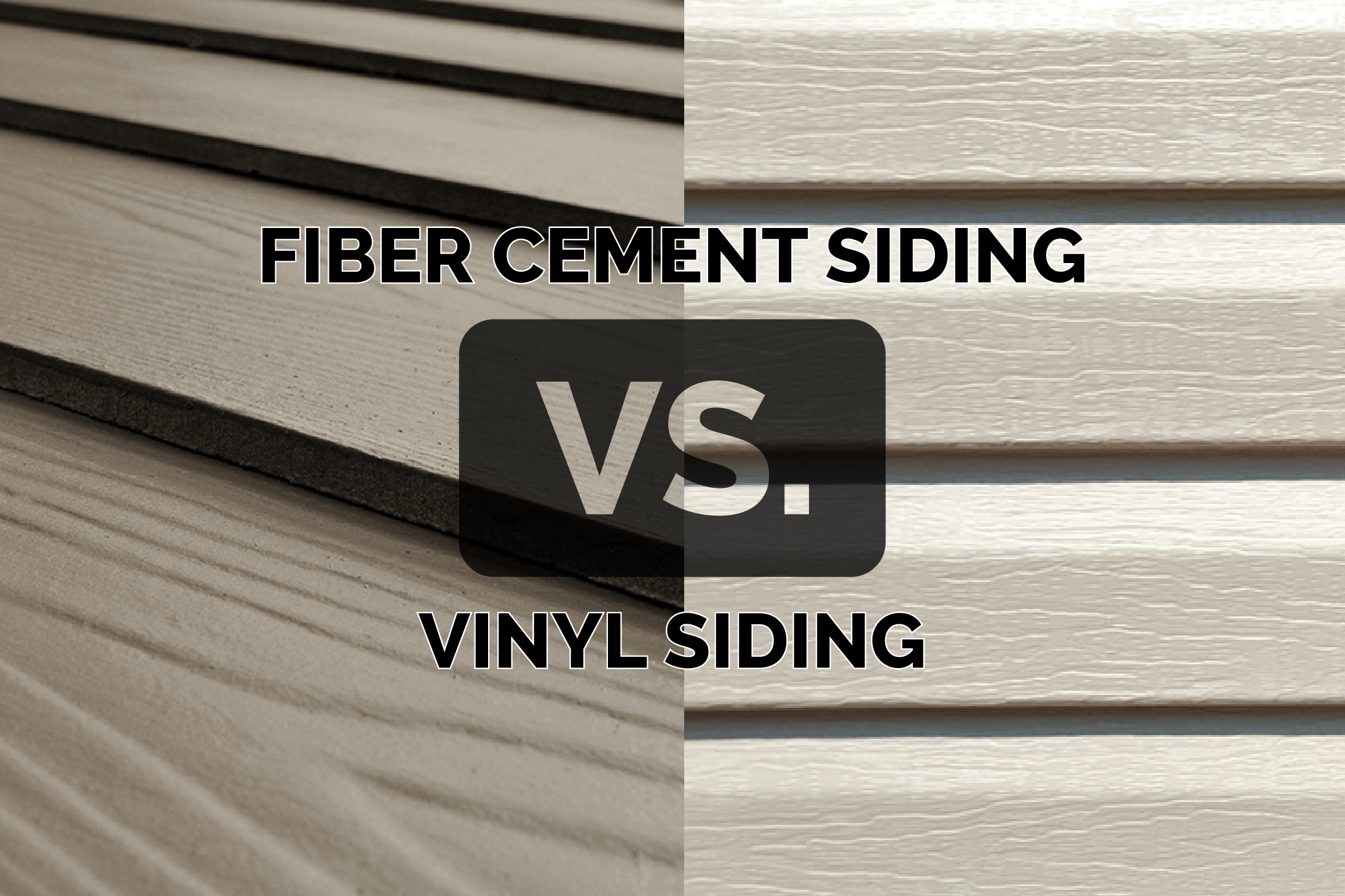
Vinyl siding is PVC. It is light and fast to hang. It does not need paint. It comes in many colors and styles. You can find basic clapboard and bold board-and-batten.
Vinyl can fade over time. It expands and contracts with heat and cold. Good installs allow for that. Thicker panels and insulated backers help keep lines straight and reduce warping.
Vinyl is cost friendly. It needs simple care. In cement board siding vs vinyl siding, this side wins on price and speed.
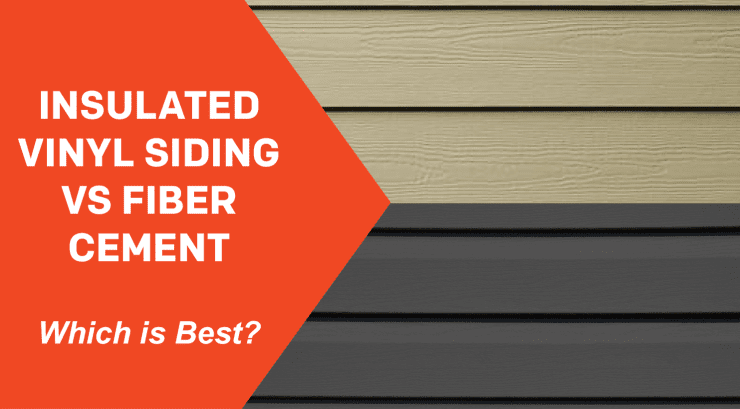
Cement Board Siding vs Vinyl Siding: Head-to-Head Comparison
I compare the things that matter most to owners and builders.
Durability and Impact
- Cement board resists hail, branches, and general abuse. It is dense and hard.
- Vinyl can crack in strong impact, but premium thick panels hold up well.
Weather and Climate
- Cement board handles sun, wind, rain, snow, and salt better. It stays flat.
- Vinyl manages moisture well but moves with heat and cold. Gaps must be set right.
Fire and Heat
- Cement board is noncombustible. That can lower risk and sometimes insurance costs.
- Vinyl melts at high heat. A nearby grill or window glare can mark it.
Moisture and Rot
- Cement board will not rot or invite insects. Joints need flashing and caulk.
- Vinyl sheds water but can trap moisture if the wall behind is not detailed well.
Energy and Insulation
- Both have low R-value by themselves. Add exterior foam or use insulated vinyl.
- Air sealing and proper housewrap matter more than the cladding alone.
Maintenance and Repainting
- Cement board needs repainting every 10–15 years, based on sun and paint grade.
- Vinyl needs washing. Fading varies by color and resin quality. No repaint needed in most cases.
Lifespan and Warranties
- Cement board can last 40–50+ years with care. Many brands back color or substrate for decades.
- Vinyl can last 20–30+ years. Premium lines can go longer if shielded from harsh sun.
Total Installed Cost
- Cement board: higher material and labor. Expect to pay more for cutting, flashing, and painting.
- Vinyl: lower material and labor. Fast installs save money.
Typical ranges vary by region and home layout. Get three quotes. Ask for line items on trim, paint, and waste.
Design and Curb Appeal
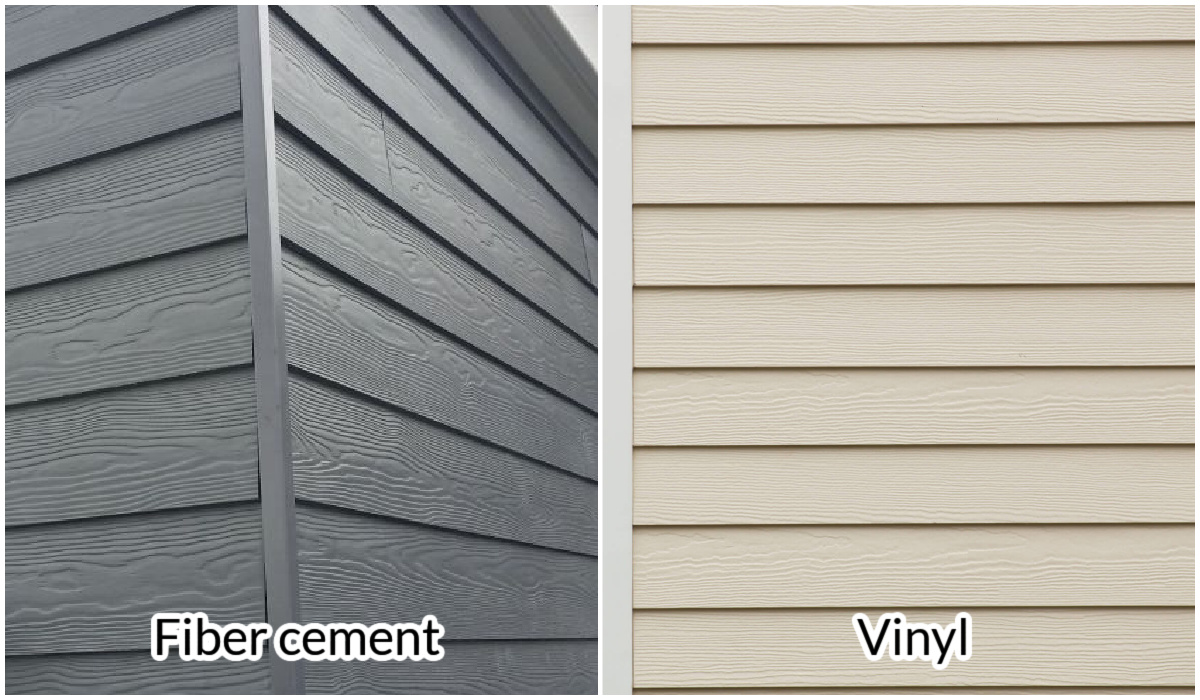
- Cement board copies wood well. It looks high-end. It fits modern and historic homes.
- Vinyl looks best when thicker, with deep profiles and crisp trim. Budget lines can look flat.
Installation Skill
- Cement board needs saws with dust control, fiber cement blades, and precise flashing.
- Vinyl needs skill with layout and expansion slots. It is DIY-friendly with good guides.
Environmental Impact
- Cement board has higher embodied energy from cement. It lasts long, which offsets some impact.
- Vinyl is a plastic. Look for brands that disclose recycled content and take-back programs.
Resale Value
- Cement board often adds value in markets that value fire resistance and curb appeal.
- Vinyl boosts value on rentals and budget flips due to low upkeep costs.
Noise Reduction
- Cement board is denser and can dampen outside noise a bit more.
- Insulated vinyl can help, though the effect is modest for both.
Building Codes and Insurance
- In wildfire-prone zones, cement board can ease approvals.
- In hail or hurricane zones, check local ratings and fastening schedules for both.
Is cement board siding vs vinyl siding a clear win? It depends on climate, budget, and the look you want.
Is cement board worth it in cold climates?
Yes. It stays stable in freeze-thaw cycles. Use proper joint flashing and backer rod to manage movement.
Will vinyl siding fade fast in hot sun?
Mid to dark colors can fade more in strong sun. Choose UV-stable resins and lighter tones for long life.
Which handles hurricanes better?
Both can meet wind ratings when installed to spec. Cement board is rigid. Premium vinyl with proper nailing and locks also does well.
Cost Breakdown and Long-Term Value
Let’s compare lifetime cost, not just day one price.
-
Material cost
- Vinyl: low to moderate. Insulated vinyl costs more, but still under most cement board bids.
- Cement board: moderate to high. Trim and fasteners add to the bill.
-
Labor
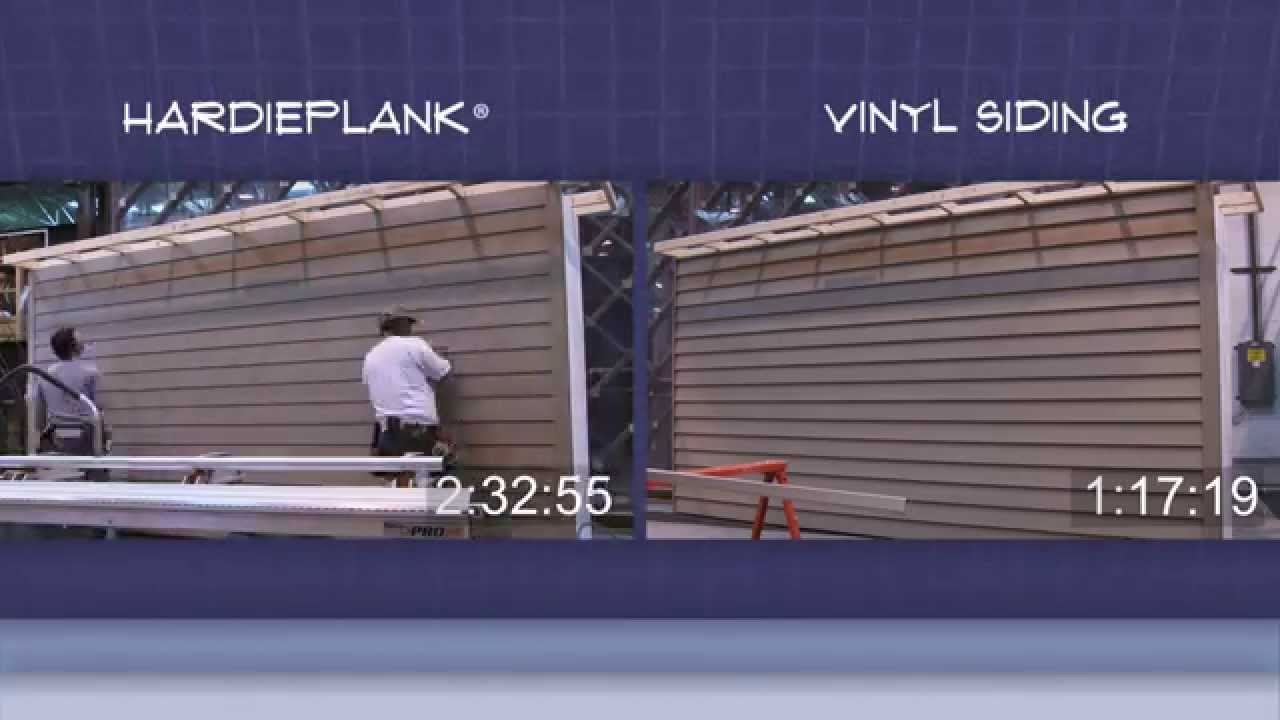
- Vinyl: faster and simpler. Crews can side a typical home in days.
- Cement board: slower. Cutting, dust control, gapping, and painting add time.
-
Paint and finish
- Vinyl: no paint needed. Wash once or twice a year.
- Cement board: repaint every 10–15 years. Use quality, acrylic exterior paint.
-
Repairs
- Vinyl: panel swaps are simple if the style still exists.
- Cement board: repairs are durable but involve cutting and painting.
-
Resale and curb appeal
- Cement board can pay back in high-value areas.
- Vinyl pays back in rental and entry-level markets.
In the cement board siding vs vinyl siding choice, run a 20-year cash flow. Price the first install, plus one repaint for cement board, and normal washing for vinyl. Many owners still favor cement board for fire safety and look. Budget-focused owners lean to vinyl for lowest total cost.
Real-World Scenarios: Which Should You Choose?
From my field work, here is how I guide clients.
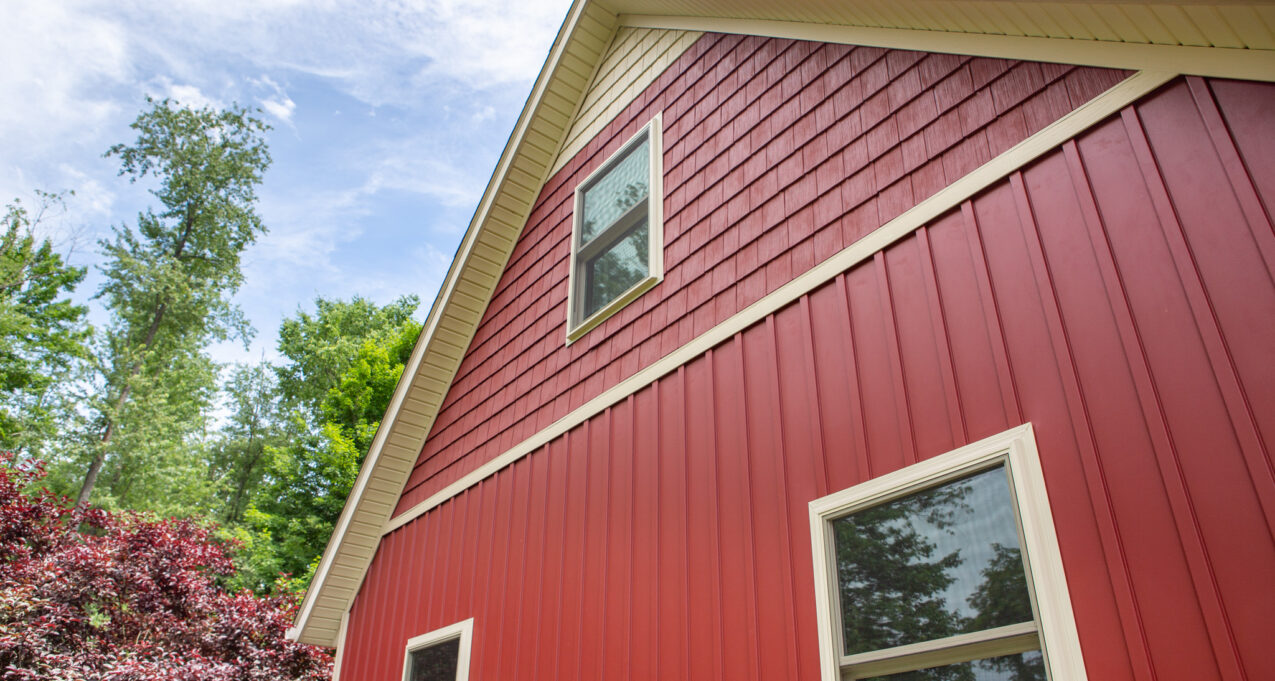
- You value top curb appeal and fire resistance
- Pick cement board. Pair with smooth trim and quality paint.
- You want the lowest cost and simple upkeep
- Pick vinyl. Choose a thicker panel with a light color to reduce heat issues.
- You live near wildfire zones or have strict codes
- Cement board is often the safer bet.
- You live in hail-prone regions
- Both can work. I lean cement board or premium impact-rated vinyl.
- You plan to sell in 3–5 years
- Vinyl can maximize short-term ROI.
- You are in coastal areas with salt spray
- Cement board with proper fasteners and paint holds up well.
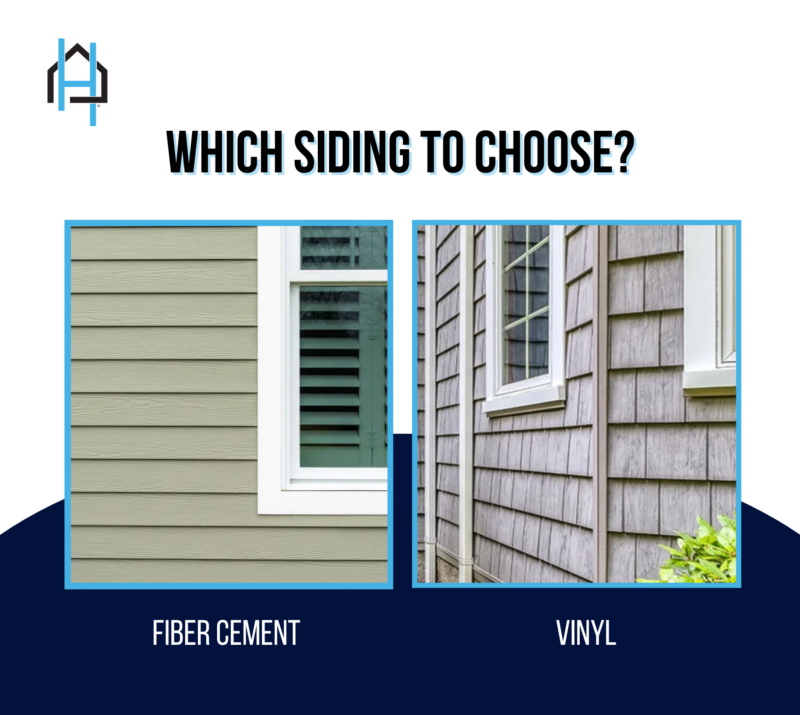
Cement board siding vs vinyl siding is not one-size-fits-all. Match the product to your climate, code, and resale plan.

Installation Insights from the Field
I have seen perfect installs. I have also fixed avoidable mistakes. Here are lessons you can use.
-
For cement board
- Use fiber cement blades and dust extraction. Dry cutting without control is unsafe.
- Prime all cuts. Seal end joints with approved flashing or backer and caulk.
- Leave proper gaps at trim. Follow the brand’s nailing and clearance rules.
-
For vinyl
- Do not nail tight. Hang it so it can move. Tight nails cause waves.
- Use a level starter strip. A bad first course ruins the lines.
- Add backer board on wavy walls. It keeps panels flat.
-
Shared tips
- Flash windows and doors with care. Most leaks start there.
- Vent the attic and manage rain with gutters and kickout flashing.
- Photograph the weather-resistive barrier before siding. It helps with warranty claims.
If you hire out, ask the crew for brand-specific training cards. In the cement board siding vs vinyl siding debate, install quality often matters more than the product itself.
Maintenance Checklists
Keep your siding clean and dry. That adds years.
-
Annual checks
- Walk the home. Look for cracks, gaps, missing caulk, or loose panels.
- Clean the siding with a garden hose and soft brush. Avoid pressure washers.
-
Every 3–5 years
- Re-caulk joints on cement board. Use high-grade exterior sealant.
- Wash vinyl with a mild soap. Avoid harsh solvents.
-
Every 10–15 years
- Repaint cement board with top-quality acrylic paint. Follow dry-time rules.
These simple steps make cement board siding vs vinyl siding both last longer.
Common Myths Debunked
-
Myth: Vinyl never fades
- Fact: All colors fade. Lighter shades and premium resins fade slower.
-
Myth: Cement board is waterproof
- Fact: It is water resistant, not a water barrier. Flashing still matters.
-
Myth: Vinyl is always the cheapest
- Fact: Complex trim and premium insulated panels can narrow the gap.
-
Myth: Cement board is hard to repair
- Fact: It takes more steps, but results are strong and clean with the right tools.
-
Myth: Only insulation matters for energy
- Fact: Air sealing plus siding choice affects comfort and bills.
Knowing these truths helps you judge cement board siding vs vinyl siding without the hype.
Frequently Asked Questions of cement board siding vs vinyl siding
How long does cement board siding last compared to vinyl?
Cement board can last 40–50+ years with basic care and repainting. Vinyl often lasts 20–30+ years, longer with premium products and shade.
Which is better for fire safety, cement board or vinyl?
Cement board is noncombustible and holds up in high heat. Vinyl can melt or deform when exposed to high temperatures.
Is vinyl siding cheaper than cement board to install?
Yes. Vinyl is usually cheaper for both material and labor. Cement board adds costs for cutting, flashing, and painting.
Can I install either siding myself?
Skilled DIYers can install vinyl with proper guides and tools. Cement board is heavier and dust-prone, so most owners hire pros.
Will cement board siding increase home value more than vinyl?
Often yes, in markets that prize fire safety and a wood-like look. Vinyl boosts value in budget and rental markets due to low upkeep.
Conclusion
Cement board is the heavyweight: strong, fire safe, and sharp-looking with paint. Vinyl is the value play: fast, clean, and friendly on the wallet. The best pick comes down to your climate, budget, and the look you love.
Take the next step today. List your goals, gather three quotes for cement board siding vs vinyl siding, and ask each installer to show details on trim, flashing, and warranties. Want more tips like this? Subscribe or drop your questions in the comments.
Related: Cement board lasts longer.