
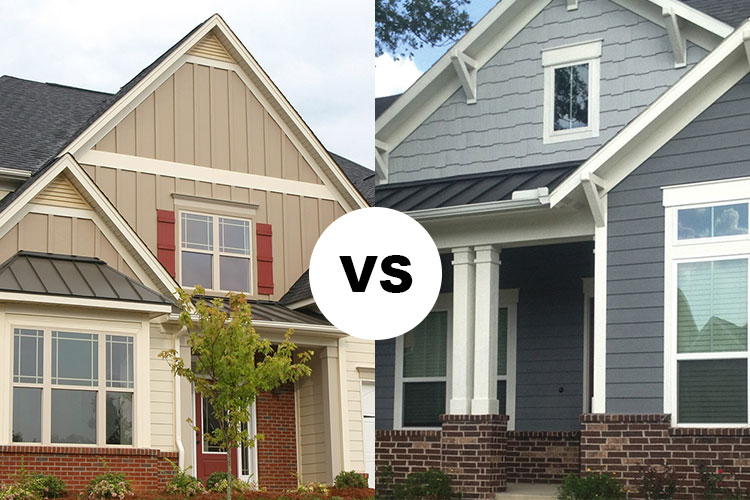
Smart siding is lighter and cheaper; Hardie board is tougher and more fire-safe.
If you are weighing smart siding vs hardie board, you are choosing between two leaders in exterior cladding. I have installed both on new builds and remodels across hot, cold, wet, and wildfire-prone regions. This guide explains how each product works in the real world, why specs matter, and how to pick the right fit for your home’s climate, budget, and long-term goals.

Smart Siding vs Hardie Board: What Are They Made Of
Let’s define the two materials you see in smart siding vs hardie board comparisons.
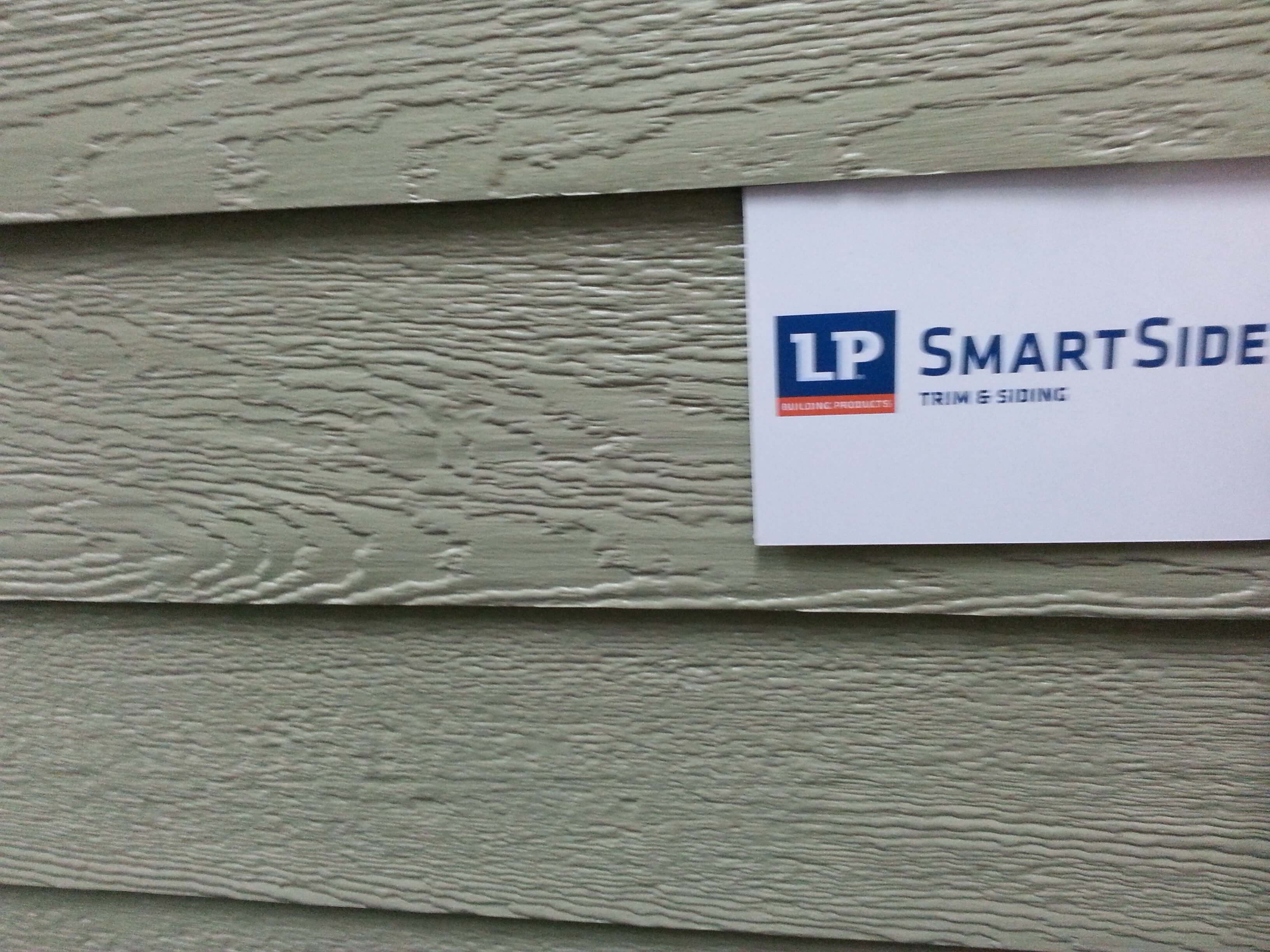
- LP SmartSide or “smart siding” is an engineered wood product. It blends wood strands with resins and zinc borate, then compresses them under heat. It arrives primed or prefinished and cuts like wood.
- James Hardie or “Hardie board” is fiber cement. It combines Portland cement, sand, and cellulose fibers, then autoclaves the boards. It is dense, mineral-based, and non-combustible.
Key differences I see on site:
- Weight and handling. Smart siding is lighter and easy to carry. Hardie board is heavier and often needs two people per plank.
- Cutting and dust. Smart siding cuts with standard blades and low dust. Fiber cement needs fiber-cement shears or a special blade to control silica dust.
- Fire behavior. Hardie board is non-combustible per common test standards. Smart siding is treated to resist decay but is still combustible wood at its core.
When people ask smart siding vs hardie board, they are really choosing between engineered wood convenience and fiber cement resilience.

Durability and Weather Performance
Both products can last decades if installed and maintained right. But the way they age is different.
- Moisture and rot. Hardie board does not rot. It still needs proper flashing and clearances to avoid wicking and paint failure. Smart siding resists decay due to zinc borate treatment but it is wood-based, so sealing cut ends and keeping gaps dry is critical.
- Freeze-thaw. Hardie board handles freeze-thaw well when gapped and flashed. Smart siding does fine too if you seal every cut and avoid ground contact.
- Hail and impact. Smart siding often shrugs off small to medium hail with fewer chips. Hardie can chip at edges but rarely fails through the board.
- UV and heat. Both hold paint well when primed and ventilated. Factory finishes on both lines improve color hold in hot sun.
From my jobs, the best results come from good drainage behind the siding. If your walls can dry, smart siding vs hardie board becomes a tie in most climates.
Fire, Pests, and Impact Resistance
Safety and critter resistance are hot topics in any smart siding vs hardie board debate.
- Fire. Hardie board is non-combustible and often favored in wildfire zones and for code-required non-combustible claddings. Smart siding is combustible but can be part of rated wall assemblies when paired with rated sheathing and gypsum.
- Termites and woodpeckers. Smart siding is treated to resist termites and fungal decay. It deters woodpeckers better than natural cedar, but not always perfectly. Fiber cement does not attract insects or birds and is a poor target for pecking.
- Everyday dings. Moving ladders and kids’ soccer balls will mark both. Smart siding is more forgiving to the accidental bump. Hardie can chip at corners if mishandled.
On sites with wildfire risk, Hardie board is my default. In heavy pest areas, both work, but fiber cement has a slight edge for peace of mind.

Moisture Management and Installation Best Practices
Install quality is the swing vote in smart siding vs hardie board performance.
- Weather barrier. Always install over a continuous WRB and, ideally, a rainscreen gap using furring or drainage housewrap. It helps paint last longer and walls dry faster.
- Flashing. Kickout flashing at roofs, head flashing over trim and windows, and Z-flashing at horizontal joints. Never skip head flashing on trim.
- Clearances. Keep at least 6 inches above grade and 2 inches above roofs and hardscapes. Follow each brand’s manual.
- Fasteners. Use corrosion-resistant nails. Smart siding accepts standard framing guns and nails into studs. Fiber cement needs specific nail types and careful gun pressure to avoid overdrives.
- Cutting and safety. Seal all field cuts. For fiber cement, use shears or saws with dust collection to control silica exposure.
I have fixed more failures from missing kickout flashing than any other mistake. No product survives trapped water for long.

Costs, Warranties, and Long-Term ROI
Budget is often the tie-breaker in smart siding vs hardie board.
- Material and labor. Smart siding usually installs faster and cheaper due to lighter weight and easier cutting. Fiber cement can add labor cost because of weight and specialized cutting.
- Typical installed ranges. Prices vary a lot by region and trim choices. In my projects, smart siding often lands lower per square foot installed than Hardie board. Ask for bids from crews who specialize in each product.
- Finish options. Factory finishes cost more upfront but can save one full paint cycle. Hardie ColorPlus and LP ExpertFinish both offer long color warranties.
- Warranties. LP SmartSide commonly carries a 50-year limited product warranty. James Hardie commonly offers a 30-year limited product warranty and a 15-year finish warranty on ColorPlus.
Over 20 to 30 years, total cost of ownership is close if both are installed right. You may pay more upfront for Hardie board but gain fire safety value and insurance comfort in some markets.
Aesthetics, Textures, and Design Flexibility
Curb appeal matters. Here is how styles compare in smart siding vs hardie board choices.
- Profiles. Both offer lap, panel and batten, shakes, and soffit options. Matching trims are available from each brand or from third-party suppliers.
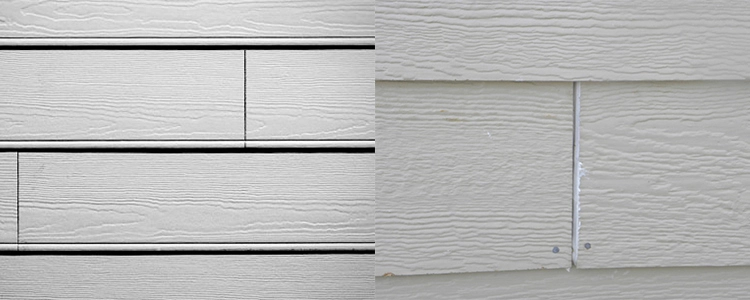
- Texture. Smart siding often has a crisp wood-grain imprint and also smooth options. Hardie offers smooth and subtle wood-grain looks with sharp shadow lines.
- Factory color. Hardie ColorPlus and LP ExpertFinish both give consistent factory paint. It saves time and reduces weather risk during install.
If you want a bold wood look with deep texture, smart siding often charms homeowners. For sharp, modern lines with smooth finishes, fiber cement is stunning.

Climate Fit: Where Each Product Shines
Regional conditions tilt the smart siding vs hardie board decision.
- Wildfire and high heat. Hardie board’s non-combustibility is a strong advantage.
- Coastal and salt air. Both hold up with stainless fasteners and correct clearances. Fiber cement is very stable in salt air.
- Freeze-thaw and heavy rain. Both succeed with rainscreens and head flashing. Fiber cement is very forgiving if paint maintenance slips.
- Hail country. Smart siding tends to show fewer edge chips under moderate hail.
Check local codes and your installer’s experience. The best crews know the quirks of your climate.
Maintenance and Expected Lifespan
Care is simple but important, regardless of smart siding vs hardie board.
- Cleaning. Rinse yearly with a garden hose and soft brush. Avoid pressure washers close to the surface.
- Caulk and paint. Re-caulk failed joints. Repaint every 8 to 12 years for field-painted jobs. Factory finishes often last longer before the first repaint.
- Repairs. Smart siding patches blend well and cuts are easy. Hardie board needs careful edge repairs and color matching, but panels are stable.
With correct install and care, both systems can last decades and keep strong resale value.
Environmental Footprint and Health Considerations
Sustainability can guide smart siding vs hardie board choices.
- Ingredients. Smart siding uses wood fibers from managed forests and low-waste processes. Fiber cement uses cement and sand, which carry higher embodied carbon.
- Longevity. Long service life reduces replacement waste. Both do well here.
- Jobsite health. Cutting fiber cement generates silica dust. Use shears or dust collection. Smart siding creates typical wood dust and needs normal PPE.
If reducing cement use is your priority, smart siding appeals. If fire safety and inert materials matter more, fiber cement leads.
Real-World Lessons and Pro Tips From the Field
Two quick stories that shaped how I think about smart siding vs hardie board.
- Mountain remodel at 6,500 feet. We used fiber cement with a 3D rainscreen and stainless nails. After five winters, zero paint peel and tight joints. The kickout flashing saved a valley from overflow damage in an extreme storm.
- Suburban hail belt new build. We installed smart siding with factory finish, oversized head flashings, and sealed every cut. Two spring hailstorms left light scuffs but no board replacements. The homeowner loved the warm wood-grain look.
Pro tips you can use:
- Always budget for a rainscreen. It is cheap insurance for both products.
- Upgrade flashings and fasteners. These small line items drive long-term success.
- Choose crews certified or proven with your chosen brand.
Smart Siding vs Hardie Board: Quick Comparison Checklist
Use this to make a confident call.
- Fire zone or wildfire risk. Favor Hardie board for non-combustibility.
- Hail and everyday bumps. Favor smart siding for impact forgiveness.
- Budget and speed. Favor smart siding for faster, lighter installs.
- Modern, smooth aesthetic. Favor fiber cement for crisp lines.
- Wood-look grain with warmth. Favor smart siding profiles.
- Long coastal life with salt air. Favor fiber cement with stainless fasteners.
- Concerned about silica dust. Favor smart siding or ensure safe cutting methods for fiber cement.
- Strong installer preference. Follow the crew that has deep experience with your choice.
If you are still split on smart siding vs hardie board, let climate and installer history be the tiebreakers.
Mistakes to Avoid and Buying Tips
These are the pitfalls I fix most often.
- Skipping head flashing. Water sneaks behind trim and ruins paint on any siding.
- No kickout flashing. This floods walls where the roof meets walls.
- Missing end sealing on cuts. Critical for smart siding durability and for paint hold on both.
- Tight joints with no gaps. Always respect expansion gaps and use proper joint flashing.
- Ground contact. Keep clearances around decks, pavers, and grade.
- Wrong fasteners. Use corrosion-resistant nails and follow spacing rules.
- Ignoring climate-specific SKUs. Hardie HZ5 vs HZ10 and similar guidance matter.
Before buying, ask for two bids. One from a crew that does smart siding every week. One from a crew that lives and breathes Hardie board. Compare details, not just the bottom line.
Frequently Asked Questions of smart siding vs hardie board
Is Hardie board better than smart siding in every way
No. Hardie board is non-combustible and very stable, which helps in fire zones. Smart siding installs faster, costs less in many areas, and handles small impacts well.
How long do these sidings last
Both can last decades with correct install and care. Paint cycles, flashing details, and rainscreen ventilation drive real-world lifespan more than the brand alone.
Which one needs more maintenance
Maintenance is similar. Expect to wash once a year, re-caulk as needed, and repaint every 8 to 12 years for field paint, or longer with factory finishes.
What is the cost difference between smart siding vs hardie board
Smart siding is often less expensive installed due to lighter weight and faster work. Hardie board can cost more for labor and specialized cutting but offers fire safety benefits.
Is smart siding good in wet climates
Yes, if installed with great drainage and all cuts sealed. Add a rainscreen gap, correct flashings, and proper clearances to keep moisture from building up.
Can I DIY install either product
Yes, but fiber cement needs safe cutting methods to control silica dust and is heavy to handle. Smart siding is easier to cut and lift but still requires precise flashing and end sealing.
Will insurance prefer Hardie board
Some insurers look favorably on non-combustible cladding in wildfire or urban fire areas. Ask your agent if Hardie board qualifies for any credit.
Conclusion
Smart siding vs hardie board is a choice between impact-friendly engineered wood and non-combustible fiber cement. Both shine when installed over a smart drainage plan with careful flashing and sealed cuts. Let your climate, fire risk, budget, and installer expertise lead the way.
Walk your home, note exposure risks, and get two detailed bids that list flashing, rainscreen, and finish. Ready to decide with confidence? Compare quotes, ask installers for nearby addresses to view, and subscribe here for more field-tested exterior guides.