
Mix fresh household bleach with water, apply, dwell, scrub gently, and rinse well.
If you want a clear, safe, and pro-level method for how to use bleach to clean algie from siding, you’re in the right place. I’ve cleaned hundreds of homes, from vinyl to fiber cement, and I’ll walk you through what works, what to avoid, and the small details that make a big difference. This guide blends expert tips with real experience so you can get a spotless result without damage or stress.

Why algae grows on siding and how bleach works
Green and black streaks like shade, moisture, and rough surfaces. North-facing walls, trees, gutters that drip, and poor airflow all feed algae and mildew. Siding holds dust, pollen, and biofilm. That becomes lunch for growth.
Household bleach (sodium hypochlorite) breaks down organic stains fast. It disinfects and lifts algae, mildew, and mold from the surface. When used right, it clears stains without heavy pressure. If you’re learning how to use bleach to clean algie from siding, it helps to know bleach works on the stain, not on soil. Soap or a surfactant helps it cling and clean.
Pro tip from the field: fresh bleach matters. Old jugs lose strength over time and clean poorly.

Safety first: protect yourself, your plants, and your home
Bleach is strong. Respect it and you’ll be fine.
- Wear eye protection, rubber gloves, and long sleeves.
- Work on a cool, overcast day with little wind.
- Keep pets and kids away until rinsing is done.
- Pre-wet plants and soil, and rinse them again after.
- Never mix bleach with ammonia, vinegar, acids, or unknown cleaners.
- Ventilate well. Avoid spraying near open windows.
If you are planning how to use bleach to clean algie from siding, start with a small test spot in a low area. Check for color fastness and any reaction with old paint or chalked metal.
Tools and materials you need
Here is a simple, reliable kit I use on most jobs:
- Fresh household bleach, 6–8.25% sodium hypochlorite
- Clean water source and a hose with a high-flow nozzle
- Pump sprayer rated for bleach or a dedicated chemical sprayer
- Mild, bleach-safe detergent or surfactant
- Soft siding brush on an extension pole
- Plastic sheeting or contractor bags to shield delicate plants
- Non-slip shoes and a stable ladder if needed
If you search how to use bleach to clean algie from siding, you’ll see many tools. Keep it simple and stick to gear made for bleach.
Mixing guide: bleach-to-water ratios that work
Use simple, proven mixes. Always add bleach to water, not the other way around, and mix outdoors.
Light to moderate algae and mildew
- 1 part bleach to 3 parts water
- Add a small squeeze of bleach-safe dish soap or a dedicated surfactant
Heavy growth or black mildew spots
- Up to 1 part bleach to 1 part water
- Keep dwell time short and rinse fast
Sample batch for a 2-gallon sprayer
- 1.5 gallons water
- 0.5 gallon bleach
- A teaspoon of surfactant
If you’re learning how to use bleach to clean algie from siding, remember this: stronger is not always better. Good coverage and dwell time beat harsh mixes.

Step-by-step: how to use bleach to clean algie from siding like a pro
Follow these steps for a clean, even finish.
- Check the weather. Pick a cool day with no strong sun or wind.
- Prep the area. Move furniture. Cover delicate plants. Pre-wet all greenery and soil.
- Pre-rinse the siding. Rinse from top down to cool the surface and remove loose soil.
- Mix your solution. Start with a 1:3 bleach-to-water ratio in a pump sprayer.
- Apply from the bottom up. This reduces streaks and gives a uniform dwell.
- Keep it wet. Let it sit 5–10 minutes. Do not let it dry. Mist again if needed.
- Agitate. Use a soft brush on stubborn areas. Gentle, even strokes work best.
- Rinse from the top down. Rinse well until runoff is clear and no suds remain.
- Check tough spots. Reapply on heavy stains with a shorter dwell, then rinse.
- Final rinse for plants. Flush leaves and soil with plenty of water.
- Inspect as it dries. Some light shadows fade as the surface dries fully.
- Clean your tools. Rinse the sprayer and brush with water.
I learned early that slow, even work beats rushing. The dwell makes the magic. If you follow how to use bleach to clean algie from siding step by step, you’ll get a pro finish without blasting the surface.
Siding-specific advice
Vinyl
Vinyl handles bleach well. Use 1:3 mix for most jobs. Focus on seams and under laps where green film hides.
Painted wood
Test first. Old paint can chalk or lift. Use a weaker mix, shorter dwell, and very soft brushing.
Fiber cement
Works well with standard ratios. Avoid soaking edges and joints. Rinse gently and keep water out of gaps.
Aluminum
Aluminum can be chalky. Use mild mix, short dwell, and a soft brush. Rinse well to avoid streaks.
Brick and stone veneer
Porous faces may need a second pass. Keep dwell short and rinse well to limit whitening of mortar.
Stucco
Be gentle. Use a weaker solution and low-pressure rinse. Avoid saturating cracks.
When you plan how to use bleach to clean algie from siding, match your method to the material. That prevents damage and saves time.
Prevent algae from coming back
You can slow regrowth with small changes.
- Trim trees and shrubs to improve sunlight and airflow.
- Fix gutters and downspouts to stop leaks.
- Keep mulch and soil off the base of walls.
- Wash high-risk sides, like the north face, each spring with soap and water.
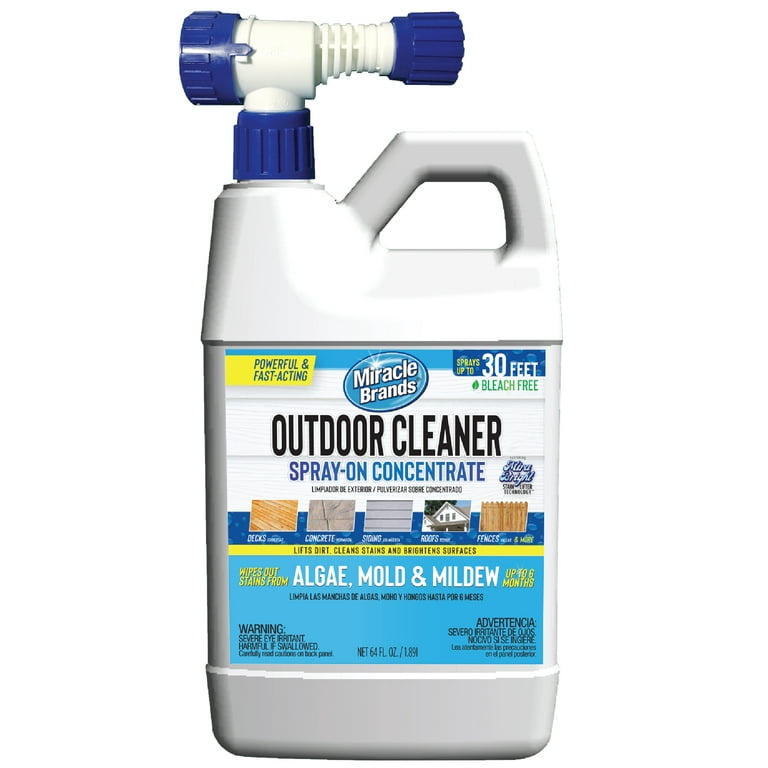
- Consider a post-clean rinse with a quaternary ammonium house wash product for longer protection.
If you stick to a simple plan, you will not need to relearn how to use bleach to clean algie from siding every season. A little care goes far.

Common mistakes and easy fixes
I’ve made these mistakes so you do not have to.
- Letting the mix dry on the wall. Keep it wet. Mist as needed until you rinse.
- Using a too-strong solution. Strong mixes can dull finishes. Start mild.
- Spraying up under laps and vents. That drives water inside. Spray at a slight downward angle.
- Skipping the plant prep. Pre-wet and post-rinse plants. It matters a lot.
- Power washing too close. High pressure can etch and force water behind siding. Use low pressure and let chemistry work.
If you search how to use bleach to clean algie from siding and see speed hacks, skip them. Slow and steady wins here.

Environmental and disposal tips
Bleach breaks down to salt and water, but it can harm plants and soil life in the moment. Use smart habits.
- Pre-wet and post-rinse plants and soil.
- Avoid drains, ponds, or streams. Divert runoff where you can.
- Do not store mixed solutions. Mix only what you need that day.
- Rinse sprayers and brushes on gravel or turf, not into storm drains.
These steps let you practice how to use bleach to clean algie from siding while staying kind to your yard and local water.
Safe alternatives if you cannot use bleach
Bleach is fast, but you have options.
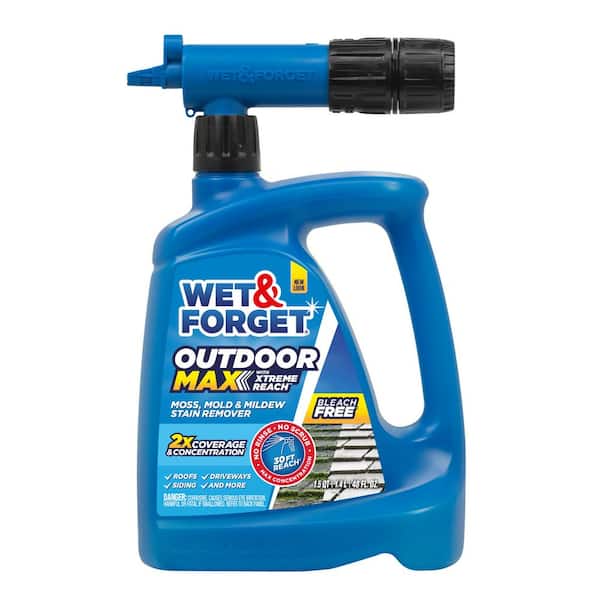
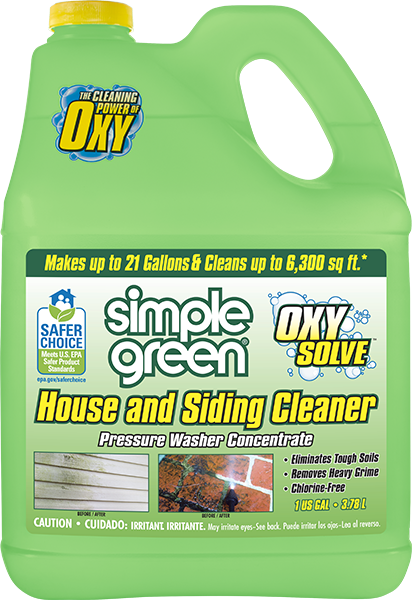
- Oxygen bleach (sodium percarbonate). Good for color-safe cleaning and wood. Slower, but gentler.
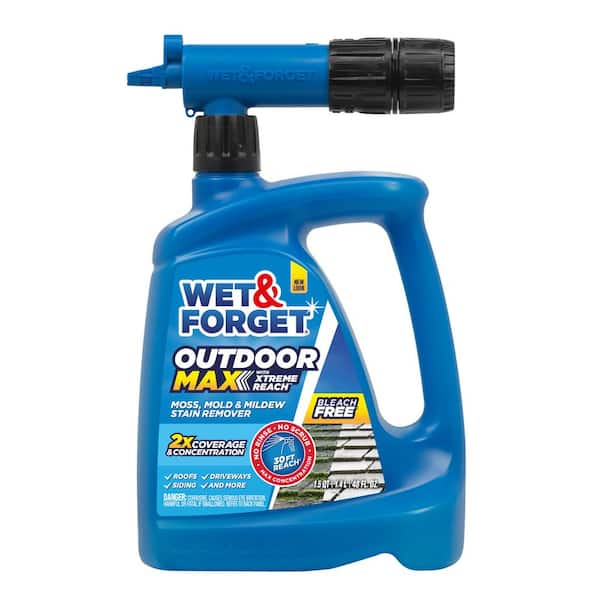
- Quaternary ammonium house washes. Long-lasting protection against regrowth. Follow label rules.
- Vinegar. Mild on light film, but far less effective. Never mix with bleach.
- Plain soap and water with a soft brush. Good for maintenance between deep cleans.
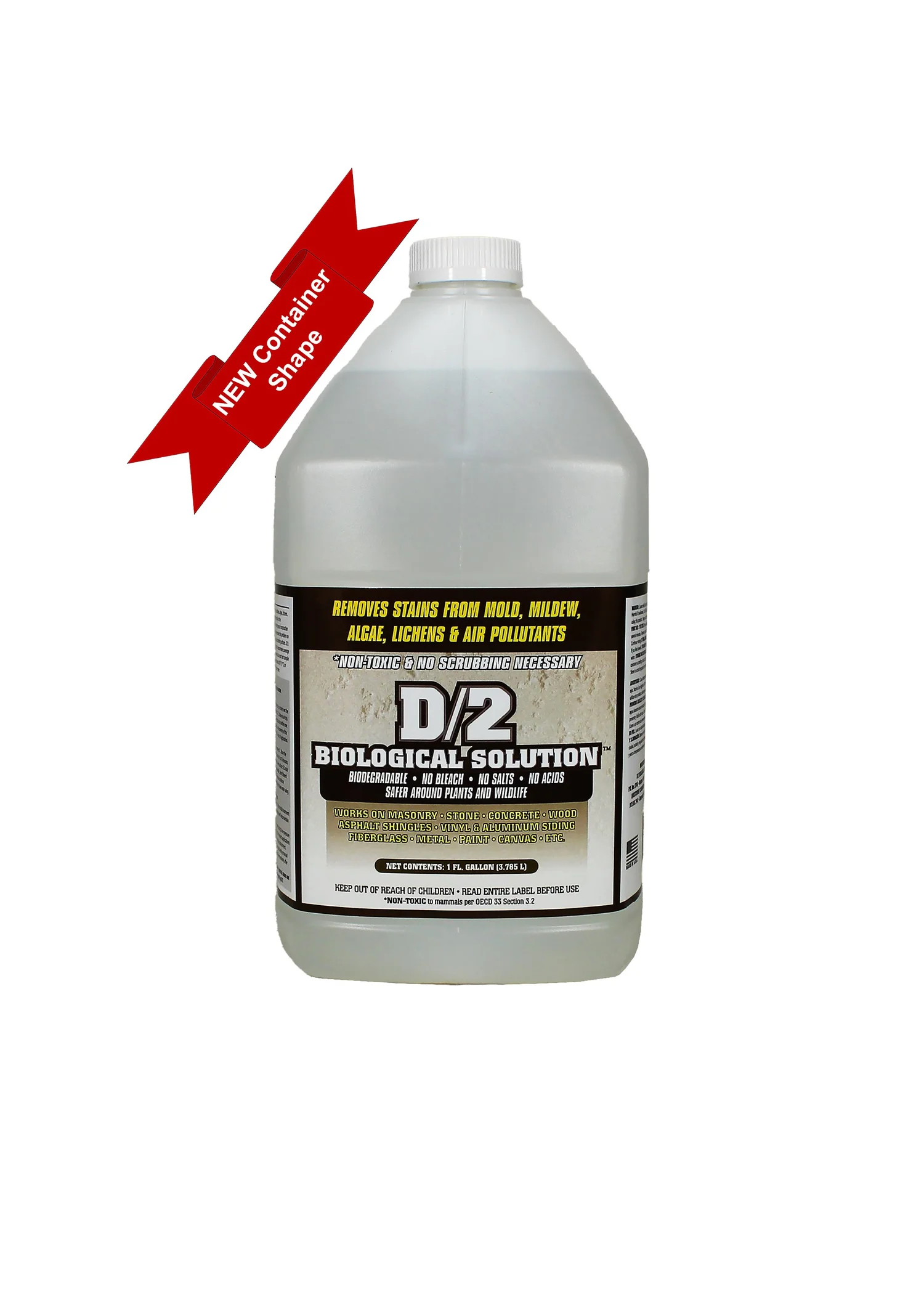
These are helpful if you have sensitive plants, fresh paint, or a siding warranty that limits bleach. Even so, the method is much like how to use bleach to clean algie from siding: apply, dwell, agitate, and rinse.
Frequently Asked Questions of how to use bleach to clean algie from siding
What bleach-to-water ratio should I use on vinyl siding?
Start with 1 part bleach to 3 parts water. Use 1:1 only for stubborn stains and rinse fast.
Can I use a pressure washer with bleach?
Use low pressure only. Let the mix do the work and avoid close blasting that forces water behind the siding.
Will bleach kill my plants?
It can burn leaves. Pre-wet plants, keep overspray light, and rinse plants again when you finish.
How often should I clean siding with bleach?
Once a year or as needed. Do light maintenance washes in spring to prevent heavy buildup.
Is it safe on painted wood?
Test a small spot first. Use a weaker mix, shorter dwell, and gentle brushing to protect the paint film.
Can I mix bleach with dish soap?
Only use bleach-safe soap with no ammonia. Mix outdoors, in small amounts, and never add other chemicals.
What if the algae comes back fast?
Improve sun and airflow, fix leaks, and consider a post-clean treatment with a quat-based house wash for longer control.
Conclusion
Bleach can make stained siding look new again when you use it with care. Set your plan, mix a safe solution, keep the surface wet, scrub gently, and rinse well. That simple path works across vinyl, fiber cement, aluminum, and more.
You now know how to use bleach to clean algie from siding without guesswork. Pick a cool day, gather your tools, and try one wall. Share your results, subscribe for more home care guides, or leave a question so I can help on your next project.