
Score with a carbide knife along a straightedge, then snap. For long cuts, use a circular saw with a fiber‑cement blade and dust control.
If you want a clean, safe, and fast way to handle how to cut hardiebacker 1/2, you’re in the right place. I’ve cut miles of cement board in bathrooms, kitchens, and laundry rooms. In this guide, I’ll show you how to cut hardiebacker 1/2 like a pro, with clear steps, tool picks, dust-safe methods, and hard-won tips that save time and material.
What HardieBacker 1/2 Is And Why It Matters
HardieBacker is a fiber cement backer board used under tile. The “1/2 inch” panel is often called HardieBacker 500. Its actual thickness is about 0.42 inch, which matches drywall well on walls and adds stiffness behind tile.
Knowing this helps you plan. It cuts like a dense, gritty sheet. It will not behave like drywall or plywood. That matters when you pick tools and choose how to cut hardiebacker 1/2 for straight lines, L-cuts, and holes.
For speed, a saw shines. For low dust, score-and-snap is best. Many jobs mix both. That is the key theme of how to cut hardiebacker 1/2 well.

Safety First: Dust Control And PPE
Cutting cement board can make silica dust. You do not want that in your lungs. The safest way for how to cut hardiebacker 1/2 is to control dust at the source and work outdoors when you can.
Use this simple safety setup:
- Wear eye protection. Cement chips fly.
- Use a NIOSH-rated respirator. N95 at a minimum. P100 is better.
- Use hearing protection with power tools.
- Wear gloves. Edges can be sharp and gritty.
- Cut outside when possible. If inside, use a HEPA vac on the saw.
- Keep others away. Close doors, seal vents, and clean up with a HEPA vac.
Manufacturer guidance favors score-and-snap to limit dust. If you must saw, pair a fiber-cement blade with a vacuum. That is the safe way to handle how to cut hardiebacker 1/2 on active job sites.

Tools You Need To Cut HardieBacker 1/2 Clean And Fast
You can do how to cut hardiebacker 1/2 with basic tools. The right blade makes all the difference.
Core tools:
- Carbide-tipped scoring knife or cement board scorer
- 4-foot metal straightedge or level
- Tape measure and pencil or marker
- Utility knife for mesh tape and cleanup
- Rasp or 80-grit sanding block for edges
- Stable support surface, like foam board or sacrificial plywood
Power options for faster cuts:
- Circular saw with a fiber-cement blade (PCD or carbide) and HEPA vac
- Jigsaw with a carbide-grit or diamond-grit blade for curves and cutouts
- Oscillating multi-tool with carbide-grit segment blade for notches
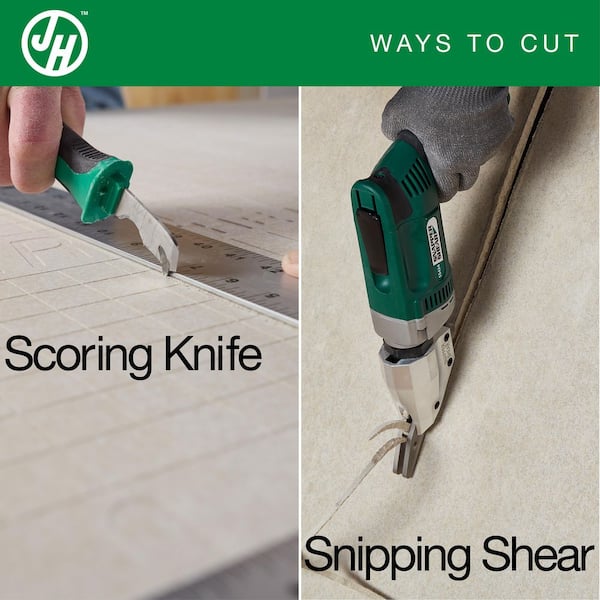
- Carbide or diamond hole saw for pipes
- Angle grinder with a continuous-rim diamond blade for small, precise notches
Use wood blades only once if you must. They dull fast and chip edges. A proper fiber-cement blade makes how to cut hardiebacker 1/2 smoother and safer.
Method 1: Score And Snap (Low Dust)
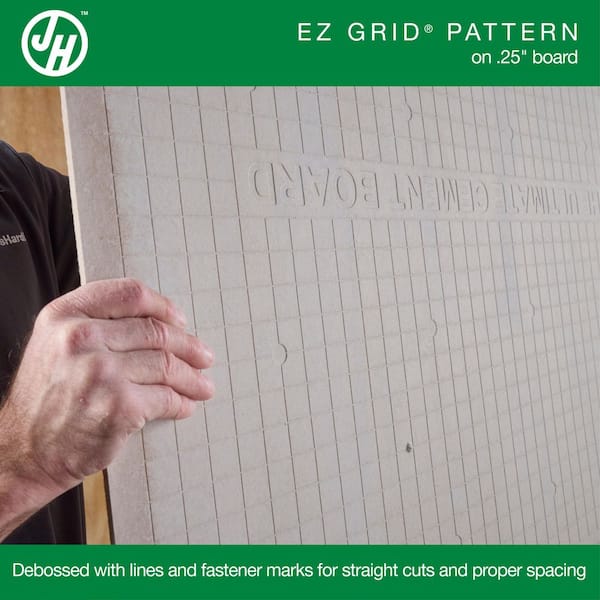
This is the cleanest way to handle how to cut hardiebacker 1/2. It is quiet and cheap. It is great for straight cuts.
Steps:
- Mark your cut line with a pencil. Check your measurement twice.
- Place a straightedge on the line. Clamp it if you can.
- Pull a carbide scorer along the line with firm pressure. Make 6 to 10 passes on 1/2 inch. You should feel a deep groove.
- Slide the groove to the table edge. Support both sides.
- Press down on the waste side or lift the keep side to snap. It will break along the score.
- Clean the edge with a rasp. Do light strokes to square the face.
Pro tips:
- For longer cuts, score both sides before snapping. It helps avoid blowout.
- Warm boards snap easier than cold boards. Store indoors if it is very cold.
- For very narrow strips under 2 inches, score both faces and use a saw or multi-tool for a final pass.
I often use score-and-snap for hallway runs and tub surrounds. It keeps the house clean. It is the best first choice for how to cut hardiebacker 1/2 when straight lines will do.

Method 2: Circular Saw (Straight, Fast)
When you need speed or many cuts, a circular saw is ideal. It is my go-to for rips and when score-and-snap fights me.
Steps:
- Fit a fiber-cement blade. Set depth just past the board thickness.
- Connect a HEPA vac to the saw if it has a port.
- Support the board on foam insulation or scrap plywood. Keep the offcut supported.
- Start from a factory edge. Ease the saw into the line. Let the blade do the work.
- Keep a steady pace. Do not force the saw. That reduces chipping.
- Vacuum dust as you go. Brush the board only after the blade stops.
Dust-safe notes:
- Cut outdoors whenever you can. Stand upwind.
- If inside, seal the area and vacuum often.
- Wear a respirator and eye and ear protection.
If you ask me how to cut hardiebacker 1/2 for long, dead-straight seams or thin rips, I will say circular saw with the right blade and dust control. It is efficient and repeatable.
Method 3: Holes, Notches, And Curves
Most bathrooms need pipe holes and box notches. Here is how to cut hardiebacker 1/2 for those tricky shapes.
Holes for pipes:
- Use a carbide or diamond hole saw at low speed.
- Mark the center. Drill from the face. Support the back with scrap.
- For larger holes, drill a starter hole and use a jigsaw with a grit blade.
Electrical box notches:
- Score lines first to reduce chipping.
- Use an oscillating tool to plunge the sides.
- Finish the base of the notch with the multi-tool or a jigsaw.
Curves:
- Mark a smooth line. Drill a starter hole.
- Follow with a jigsaw and a grit blade. Go slow and steady.
- Clean edges with a rasp.
When you know how to cut hardiebacker 1/2 for cutouts, layout matters. Keep holes at least 2 inches from board edges when possible to prevent cracks.

Step-By-Step Layout, Support, And Workflow
Good planning saves sheets and stress. Here is my simple flow for how to cut hardiebacker 1/2 from start to fit.
- Sketch the wall or floor. Mark studs, joists, pipes, and boxes.
- Dry-fit a full sheet to find the best seams. Minimize skinny pieces.
- Transfer measurements with a tape and square. Mark cut lines dark and clear.
- Support the board on a flat surface. I use a 1-inch foam sheet as a cutting bed.
- Pick the method: score-and-snap for straight cuts, saw for long rips, multi-tool or jigsaw for details.
- Label the piece. Note the orientation and edge gaps.
- Test-fit. Leave a 1/8 inch gap at seams and walls for thinset and movement.
A steady pace gives better results. That is the heart of how to cut hardiebacker 1/2 without waste.
Edge Finishing, Fitting, And Fastening Tips
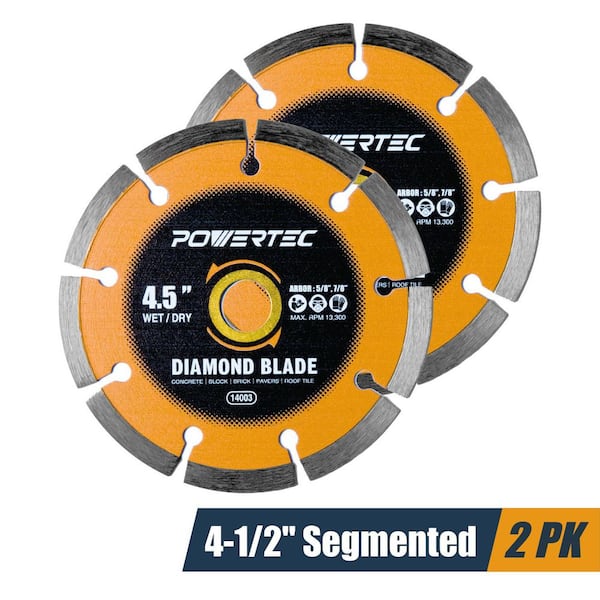
Clean edges help tile lie flat. After you cut, check the face. If you see high spots, a few passes with a rasp fix them fast.
Install tips that pair with how to cut hardiebacker 1/2:
- Keep 1/8 inch gaps between boards and at walls or tubs.
- Bed panels in thinset on floors. Use the right trowel notch.
- Fasten with corrosion-resistant backer board screws.
- Stay at least 3/8 inch from edges when you drive screws.
- Tape seams with alkali-resistant mesh tape and cover with thinset.
Do not prime edges. Do not use drywall mud on seams. Stick to thinset and mesh tape made for cement board.
Common Mistakes And How To Avoid Them
I have made these mistakes so you do not have to. They all matter in how to cut hardiebacker 1/2 and install it right.
- Using a wood blade. It chips, binds, and makes a mess. Use a fiber-cement blade.
- Scoring too few passes. On 1/2 inch, go 6 to 10 passes before snapping.
- Cutting without support. Sagging pieces crack off the line. Support both sides.
- Dry-cutting indoors without a vac. Dust spreads. Cut outside or use a HEPA vac.
- Over-tightening screws near a fresh cut. That can fracture the edge. Snug is enough.
Measure twice and mark clear. Small care now saves hours later.
Real-World Advice From The Field
On a recent bathroom gut, I had to run three long rips and a dozen cutouts. Here is how I approached how to cut hardiebacker 1/2 fast and clean.
I scored and snapped all the full-height wall pieces on the driveway. It kept dust near zero. For the vanity wall with many pipes, I used a jigsaw with a grit blade and drilled starter holes. I clamped scrap behind the board to stop blowout. For the shower niche notches, the oscillating tool was perfect. I marked, scored, then plunged the corners. Every edge got a light rasp.
The lesson: mix methods. Score for the big stuff. Use the saw when speed helps. Save the multi-tool and jigsaw for details. That blend is how to cut hardiebacker 1/2 with control and keep the job clean.
Frequently Asked Questions of how to cut hardiebacker 1/2
Can I cut HardieBacker 1/2 with a utility knife?
A utility knife can help mark lines, but it is not ideal for deep scoring. Use a carbide-tipped scorer for a clean snap.
What blade should I use on a circular saw?
Use a fiber-cement blade with PCD or carbide tips. It cuts cleaner, lasts longer, and makes less dust than a wood blade.
How do I cut small notches without breaking the board?
Score the lines first, then use an oscillating tool to plunge cut. Support the piece well and finish edges with a rasp.
Is it safe to cut HardieBacker indoors?
It is safer outdoors. If you must cut inside, use a HEPA vac, wear a respirator, and keep doors closed to control dust.
Will score-and-snap work on very narrow strips?
It is tough under 2 inches. Score both sides and finish with a saw or multi-tool to avoid breaking off the strip.
Do I need to seal cut edges?
No. Just smooth them with a rasp. Use mesh tape and thinset at seams per standard practice.
What is the proper gap between boards?
Leave about 1/8 inch between boards and at walls or tubs. Tape and mud seams with thinset and alkali-resistant mesh tape.
Conclusion
You now know how to cut hardiebacker 1/2 with control, speed, and safety. Choose score-and-snap for low dust, switch to a circular saw for long runs, and use a jigsaw or multi-tool for holes and notches. Support the board, use the right blades, manage dust, and clean the edges.
Put these steps to work on your next wall or floor. You will get tight fits, flat tile, and a cleaner job site. Want more practical guides like this? Subscribe, share your results, or drop a question in the comments.