
Spray, scrub with the grain, and rinse using plant-safe, natural cleaners.
If you want a clear, honest guide on how to clean mildew off cedar siding using natural products, you are in the right place. I restore wood homes for a living, and I’ve learned what works on cedar without stripping its oils or harming your garden. This step-by-step walkthrough blends field-tested methods with safe, simple recipes so you can clean faster, protect the wood, and keep the mildew from coming back.
What mildew does to cedar siding (and how to spot it)
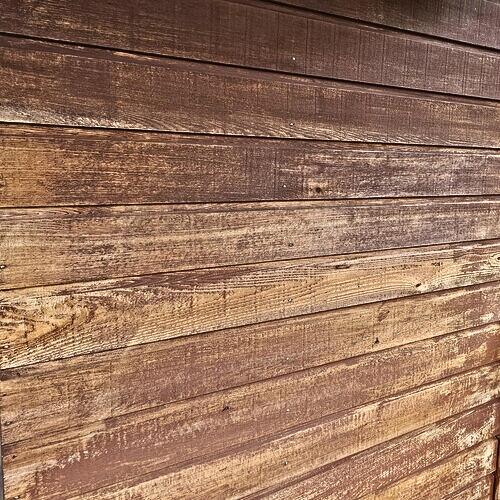
Mildew is a surface fungus. It thrives on damp, shaded wood. On cedar, it shows as gray, black, or blotchy film. It wipes off with a finger but smears.
Do not confuse mildew with algae or mold. Algae looks green. Deep mold digs into cracks. Lichen forms crusty patches. The fix is similar, but dwell time and scrubbing differ.
I see mildew most on the north side, near sprinklers, or behind shrubs. Poor airflow and clogged gutters make it worse. If you learn how to clean mildew off cedar siding using natural products, you can restore color without harsh bleach.
Safety, prep, and the ideal cleaning day
Set up well, and the job gets easy. Pick a dry, mild day. Aim for 50–80°F, light wind, and full shade on the wall.
Use basic safety gear:
- Nitrile gloves, eye protection, and a simple mask
- Long sleeves and shoes with grip
Protect your landscape and hardware:
- Rinse plants with water, then tarp them loosely
- Cover metal lights and door hardware
- Shut off nearby sprinklers
Do a small test patch. Cedar is soft. Work with the grain and use soft brushes. Avoid high pressure. This prep is key to how to clean mildew off cedar siding using natural products without damage.

Natural cleaners that work on cedar siding
You have several safe options. Each has pros and limits.
- White vinegar 5–6%. Cuts mildew, soap scum, and light algae. Cheap and easy. May need two rounds.
- Oxygen bleach (sodium percarbonate). Great on mildew and stains. Safer for plants than chlorine bleach. Needs warm water to activate.
- Hydrogen peroxide 3%. Good mildewcide and brightener. Gentle to wood. Keep it away from eyes and fabrics.
- Borax. A mineral salt that raises pH. Slows future growth. Leaves a light residue that helps resist mildew.
- Baking soda. A mild abrasive for spot cleaning. Useful for corners and under trim.
- Castile soap. A plant-based surfactant. Helps solutions wet the wood and lift grime.
- Tea tree oil. A natural antifungal. Use in tiny amounts as a booster.
Note: Never mix vinegar and peroxide in the same bottle. That can form a stronger acid. Rinse well between products. With the right combo, how to clean mildew off cedar siding using natural products becomes both safe and effective.

Step-by-step: how to clean mildew off cedar siding using natural products
Gather your tools first:
- Garden sprayer or pump sprayer
- Two buckets, soft nylon brush, and microfiber rags
- Garden hose with a shower nozzle
- White vinegar, oxygen bleach, borax, castile soap
- Optional: 3% hydrogen peroxide, baking soda, tea tree oil
Follow these steps:
- Pre-rinse the wall from top to bottom. This loosens dust and pollen.
- Wet plants and soil near the wall. Cover delicate leaves.
- Mix your chosen solution. See the recipes below.
- Apply cleaner from the bottom up. This avoids streaks.
- Let it dwell 10–15 minutes. Keep it wet. Do not let it dry.
- Scrub gently with the grain. Use small circles for tough spots.
- Rinse from the top down. Use low pressure and a wide fan.
- Check and repeat on stubborn areas. Spot-treat with baking soda paste if needed.
- Let the siding dry 24–48 hours. Sun and airflow help.
- Plan for sealing or maintenance steps after the siding is fully dry.
Pressure caution: Stay below 500–800 PSI with a 40-degree tip. Hold the nozzle 12–24 inches from the wood. If you gouge cedar, you will regret it. This is the heart of how to clean mildew off cedar siding using natural products: patient dwell time, light scrub, and a gentle rinse.

Mix recipes and ratios you can trust
Pick one of these proven mixes. Always test first.
Recipe A: Vinegar wash
- 1 part white vinegar to 1 part warm water
- Add 1 teaspoon castile soap per quart to improve wetting
Recipe B: Oxygen bleach brightener
- 1 cup sodium percarbonate to 1 gallon warm water
- Stir to dissolve. Add 1 tablespoon castile soap
Recipe C: Peroxide boost
- Use 3% hydrogen peroxide straight on dark patches
- Mist, dwell 10 minutes, then scrub and rinse
Recipe D: Borax barrier
- 1/2 cup borax to 1 gallon warm water
- Light film left behind helps deter mildew regrowth
Recipe E: Spot paste
- 3 tablespoons baking soda
- 1 tablespoon water to form a paste
- Scrub corners and end grain, then rinse
Optional booster: Add 1/2 teaspoon tea tree oil per gallon to any recipe except peroxide. Do not mix vinegar and peroxide. Rinse well between different solutions. These simple formulas are the backbone of how to clean mildew off cedar siding using natural products.
Drying, finishing, and sealing after cleaning
After cleaning, let cedar dry fully. Most homes need 24–48 hours. In cool, damp zones, give it 72 hours. Moisture trapped under finish can cause peeling and blotches.
If you plan to seal:
- Choose a breathable, penetrating oil or water-based stain
- Avoid thick film finishes that trap moisture
- Tint helps block UV and keeps cedar from graying
For added protection, a borate wash can help. It is a mineral salt that fights fungi. It can leach outdoors, so seal soon after it dries. This long view is part of how to clean mildew off cedar siding using natural products and keep results longer.
Prevent mildew from coming back
You beat mildew by changing the conditions it loves: shade, moisture, and dust.
Do these simple things:
- Trim plants 12–24 inches away from the wall
- Clean gutters and downspouts each season
- Redirect sprinklers so they do not hit the siding
- Improve airflow with vented soffits and open gaps
- Brush off pollen and dust twice a year
- Do a light wash every spring on the north side
A small habit shift makes how to clean mildew off cedar siding using natural products a once-a-year tune-up, not a weekend project.
Common mistakes to avoid
Avoid these errors that cost time and money.
- Using chlorine bleach. It can lighten cedar unevenly and harm plants.
- High-pressure washing. It raises wood fibers and forces water behind boards.
- Letting cleaner dry on the wall. Re-wet during dwell time.
- Scrubbing across the grain. Always work with the grain.
- Mixing chemicals at random. Never combine vinegar and peroxide.
- Cleaning in hot sun. Work in shade to avoid flash-drying.
- Ignoring the cause. Fix sprinklers, shade, or drainage first.
If you keep these in mind, how to clean mildew off cedar siding using natural products stays safe and simple.
Troubleshooting tough spots and when to call a pro
Deep black patches inside checks can be stubborn. Try the peroxide boost, then a second pass with oxygen bleach. Add dwell time and gentle scrubbing.
Lichen and algae may need extra dwell and a second day. For raised fuzz, lightly sand with 100–120 grit after the wood is dry. Wear a dust mask. If the wall is two stories, very steep, or near power lines, consider a pro. The goal with how to clean mildew off cedar siding using natural products is a clean, even result without risk.
Frequently Asked Questions of how to clean mildew off cedar siding using natural products
Will vinegar damage cedar siding?
No. Diluted white vinegar is safe on cedar and helps lift mildew. Rinse well to avoid lingering smell and residue.
Is oxygen bleach safe for my plants?
Yes, oxygen bleach is far safer than chlorine bleach when used as directed. Pre-wet and post-rinse plants to be extra safe.
Can I use a pressure washer on cedar?
You can, but use low pressure and a wide fan tip. Stay 12–24 inches away and avoid etching the wood.
How often should I clean cedar siding?
Most homes need a light wash once a year on shaded walls. Heavier cleanings every 2–3 years keep the siding healthy.
Can I mix vinegar and hydrogen peroxide?
Do not mix them in the same bottle. Apply one, rinse, and let it drain before using the other.
What if mildew keeps coming back fast?
Look for moisture sources like sprinklers and clogged gutters. Add a borax rinse and improve airflow and sun exposure.
Will natural cleaners remove gray UV weathering?
They remove mildew and dirt, not sun damage. To fix gray wood, clean, dry, then use a brightener or sand lightly before sealing.
Conclusion
You can get cedar bright and clean without harsh chemicals. Set up on a mild day, use plant-safe cleaners, scrub with the grain, and rinse gently. Fix moisture and shade issues, and you will not fight the same stains next season.
Try one of the recipes today on a small section and see the difference. If you found this guide on how to clean mildew off cedar siding using natural products helpful, subscribe for more home care tips, or leave a comment with your results.