
Attaching shutters to vinyl siding is a smart way to improve your home’s appearance and increase its curb appeal. Many homeowners consider this project when they want a fast update without expensive renovations. The process is straightforward and can be done in a day, even if you have only basic DIY experience.
This guide breaks down every step, tool, and detail you’ll need as a homeowner or contractor, so you don’t need to search anywhere else.
Tools And Materials: What You Need
Having the right tools and materials is critical for a clean, secure installation. Here’s an expert list, with specs for each item.
Tools:
- Cordless drill/driver: 12V or higher, variable speed, with Phillips and flat bits
- Level: 24” minimum for accuracy
- Tape measure: Marked in inches and millimeters
- Pencil or fine-tip marker: For marking drill points
- Hammer: Lightweight, for tapping fasteners if needed
- Caulk gun: Standard size, for applying sealant
- Ladder: Height suitable for your window placement (always follow ladder safety guidelines)
- Stud finder (optional): For advanced anchoring
Materials:
- Vinyl shutters: Exterior-grade, UV-resistant, sized to match window height (usually 15”–18” wide, 36”–72” tall)
- Shutter fasteners: Color-matched, rust-proof polypropylene shutter plugs or stainless steel screws (2.5”–3” length)
- Silicone exterior caulk: 100% waterproof, clear or color-matched
- Drill bits: ¼” (6mm) for pilot holes in siding and shutters
- Alcohol wipes or mild cleaner: For prepping the surface
- Shims or spacers: Thin plastic, for leveling if siding is uneven
Optional:
- Backer material: Wood or PVC for hollow siding, if required by local code or manufacturer
Preparation Requirements
Before you start drilling, proper preparation ensures your shutters stay secure and your siding remains weather-tight.
Sheathing And House Wrap
- Vinyl siding is installed over a substrate (sheathing) such as OSB or plywood, often protected by a house wrap (like Tyvek). The house wrap acts as a moisture barrier. Never puncture siding without knowing what’s behind it.
- Check for solid sheathing behind the siding at each mounting point. Use a stud finder if needed. If only foam board or hollow space is behind, add a backer or use shutter plugs designed for hollow-wall installations.
Flashing And Building Code
- If you’re working around windows, ensure window flashing is intact. Flashing prevents leaks. Don’t cut or bend flashing during shutter installation.
- Local building code may specify fastener types, especially in high-wind or coastal zones. Check code for your area before starting.
Cleaning And Drying
- Dirt or mildew on vinyl can weaken adhesion and trap moisture. Clean the installation area with alcohol wipes or mild soap and water. Let it dry fully before mounting shutters.

Credit: www.youtube.com
Step-by-step Shutter Installation On Vinyl Siding
Follow these steps for a professional result. Each step includes what, why, and common mistakes to avoid.
1. Measure And Mark Shutter Placement
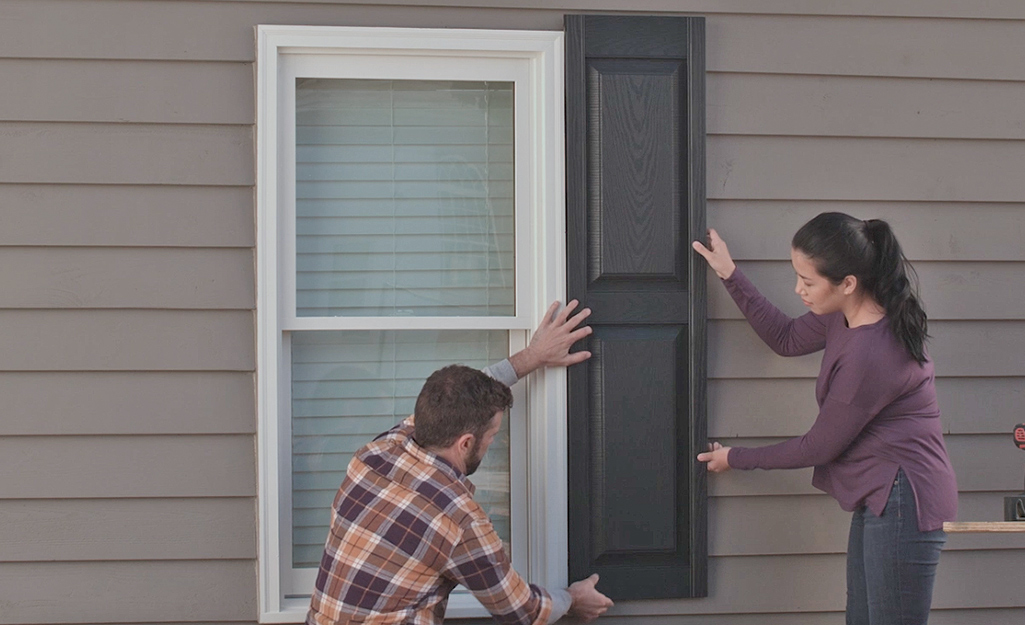
- What: Hold the shutter next to the window to find the correct position. Most shutters align with the top and bottom of the window trim. Leave a 1” gap from the window edge for expansion.
- Why: This allows the shutter to move slightly with temperature changes, preventing warping or buckling.
- Tip: Use a level to make sure the shutter is perfectly vertical.
- Mistake: Placing shutters too close to the window or unevenly. This looks sloppy and can affect expansion.
2. Mark Fastener Locations
- What: Mark 4–6 fastener points per shutter, spaced evenly. For shutters taller than 60”, use at least 6 points.
- Typical layout: One fastener about 2” from each corner, and additional points spaced evenly between.
- Why: Even spacing prevents the shutter from bowing or rattling.
- Tip: Always mark in the flat area of the shutter frame, avoiding raised panels or louvres.
- Mistake: Using too few fasteners, leading to loose or warped shutters.
3. Drill Pilot Holes In The Shutter
- What: Use a ¼” drill bit to make holes at your marked points.
- Why: Pilot holes prevent the shutter from cracking during installation.
- Tip: Drill from the front to the back for a clean finish.
- Mistake: Skipping pilot holes, which can split the vinyl.
4. Position Shutter And Mark Siding
- What: Hold the shutter against the siding in the marked position. Use a pencil to mark through each pilot hole onto the siding.
- Why: This ensures your fasteners will align perfectly when mounting.
- Tip: Double-check level before marking.
- Mistake: Rushing this step leads to misaligned holes.
5. Drill Pilot Holes In Vinyl Siding
- What: Drill ¼” holes at each marked spot on the siding. Drill only through the siding, not deep into the sheathing.
- Why: Prevents cracking and allows the shutter plug or screw to seat properly.
- Tip: Place a piece of tape on your drill bit to limit depth to just past the siding’s thickness (~1”).
- Mistake: Drilling too deep, which can damage the moisture barrier or wiring inside the wall.
6. Install Shutter With Fasteners
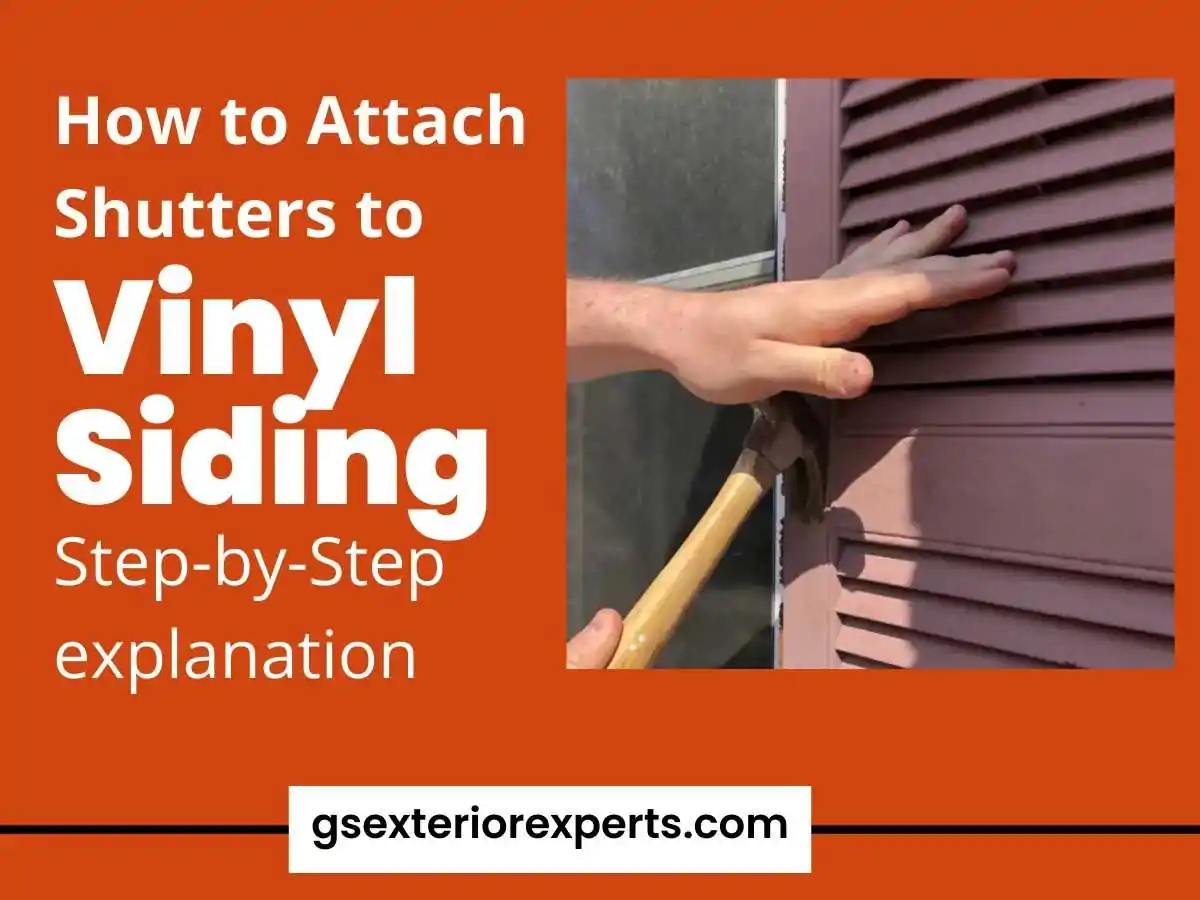
- What: Insert shutter plugs or screws through the shutter and into the siding. Gently tap shutter plugs with a hammer or drive screws with a drill until snug.
- Why: A snug fit holds the shutter firmly but still allows for expansion and contraction.
- Tip: Do not overtighten; vinyl needs room to move. If using screws, stop when the head is just flush with the shutter face.
- Mistake: Overtightening can crack the shutter or cause “oil canning” (wavy surface).
7. Seal And Finish
- What: Run a thin bead of exterior-grade silicone caulk around each fastener head.
- Why: Sealing fasteners prevents water from entering the wall system.
- Tip: Wipe excess caulk for a neat finish.
- Mistake: Skipping sealant, which risks water leaks.
Technical Explanation Of Related Entities
Understanding these siding terms will help you avoid installation mistakes and communicate with building inspectors or other contractors.
Starter Strip
The starter strip is the first horizontal strip installed at the bottom of a siding wall. It locks the bottom edge of the first siding panel. You must not attach shutters through the starter strip, as it’s not structural.
J-channel
J-channel is a trim that surrounds windows and doors, creating a finished edge for siding. Never drill into J-channel when mounting shutters—it’s not load-bearing and can cause leaks.
Nailing Hem
Every vinyl siding panel has a nailing hem—a reinforced strip with slots for nails or screws. Shutters should be anchored through flat sections of the siding, not the nailing hem, to avoid weakening the siding system.
Expansion Gap
Vinyl expands and contracts with heat and cold. Always allow a ¼”–⅜” expansion gap around fasteners and between the shutter and window trim. This prevents buckling and noise.
Fasteners
Use polypropylene shutter plugs or stainless steel screws. Avoid zinc-plated or regular steel—they rust. Fasteners should be at least 2.5” long to reach through the shutter and siding, but not so long they puncture the sheathing unless code requires.
Moisture Barrier
The moisture barrier (house wrap or felt) protects the wall from water. Each hole in the siding is a potential leak path, so proper sealing is essential.
Building Envelope
The building envelope is the entire exterior system (siding, wrap, sheathing, insulation). Shutter installation must not compromise this envelope. Sealing holes and avoiding deep drilling protects the envelope’s integrity.
Key Comparison: Fastener Types
Here’s a quick comparison of the most common fasteners for vinyl shutters:
| Fastener Type | Material | Strength | Rust Resistance | Recommended For |
|---|---|---|---|---|
| Polypropylene Shutter Plug | Plastic | Medium | Excellent | Hollow or insulated siding |
| Stainless Steel Screw | Metal | High | Excellent | Wood or structural sheathing |
| Zinc-Plated Screw | Metal | Medium | Poor | Not recommended |
Troubleshooting Common Issues
If you run into problems, here’s how to resolve them like a pro:
Shutters Won’t Sit Flat
- Cause: Siding is wavy or not flat; fasteners too tight.
- Solution: Use plastic shims behind the shutter at low spots. Loosen fasteners slightly.
Shutter Cracks When Tightened
- Cause: No pilot hole, overtightening, or cold weather installation.
- Solution: Always drill pilot holes, install at moderate temperature (50–80°F), and tighten only until snug.
Water Leaks Around Fasteners
- Cause: Missing or bad caulk, deep drilling.
- Solution: Add caulk around each fastener. If leak persists, remove shutter, inspect moisture barrier, and repair before reinstalling.
Shutter Moves Or Vibrates In Wind
- Cause: Too few fasteners or fasteners in wrong spots.
- Solution: Add more fasteners, especially in the center and corners.
Uneven Shutter Alignment
- Cause: Poor marking or measuring.
- Solution: Use a level and tape measure for every step. Double-check before drilling.
Siding Cracks
- Cause: Wrong drill bit size or angle, drilling through nailing hem.
- Solution: Use a sharp ¼” bit, drill perpendicular to siding, avoid nailing hem.
Credit: www.homedepot.com
Cost Breakdown: What To Expect
Here’s a realistic budget for attaching shutters to vinyl siding (per pair of shutters):
| Item | Unit Cost | Quantity | Total |
|---|---|---|---|
| Vinyl Shutters (Pair) | $40–$100 | 1 pair | $40–$100 |
| Shutter Fasteners | $7 (pack of 12) | 1 pack | $7 |
| Exterior Caulk | $5 | 1 tube | $5 |
| Drill Bits/Screws | $6 | 1 set | $6 |
| Labor (DIY) | $0 | – | $0 |
| Labor (Pro Install) | $50–$120 | per pair | $50–$120 |
Total DIY cost: $58–$118 per pair
Total with pro install: $108–$238 per pair
*Pro tip:* Buying shutters in bulk or during sales can lower your cost per window.
Maintenance Tips
Vinyl shutters are low-maintenance, but a few habits will keep them looking new for years.
- Wash shutters yearly with a soft brush and mild soap. Avoid harsh chemicals or power washers, which can fade the finish.
- Inspect fasteners every spring and fall. Tighten or replace any loose or rusty hardware.
- Check caulk for cracking or gaps. Reseal as needed to keep moisture out.
- Repaint faded shutters with exterior-grade acrylic paint if needed. Clean and sand lightly before painting.
- Remove snow and ice buildup in winter to reduce stress on fasteners.
Advanced Faq
Frequently Asked Questions
How Do I Attach Shutters To Insulated Vinyl Siding?
Insulated vinyl siding has a foam backing, making it harder to anchor with regular screws. Use polypropylene shutter plugs designed for hollow or insulated siding. Drill a pilot hole through the siding and foam, then insert the plug. Avoid overtightening, and always seal fastener heads with exterior caulk.
Should I Use Anchors Or Just Screws When Attaching Shutters To Vinyl Siding?
For most vinyl siding, shutter plugs or specialty anchors are best. They expand in the hollow space and hold securely without crushing the siding. Only use screws into sheathing if code requires or if you know there’s solid wood behind the siding. Never use drywall anchors—they’re not weatherproof.
Can I Reuse Existing Holes When Replacing Shutters?
Yes, you can reuse old holes if they are in good shape and line up with the new shutter’s mounting points. Clean out the holes, insert new shutter plugs, and seal with caulk. If holes are stripped or cracked, offset your new fasteners by an inch or two for a secure hold.
Will Attaching Shutters Void My Vinyl Siding Warranty?
Most siding warranties allow for shutter installation if you follow the manufacturer’s instructions: use pilot holes, do not overtighten, and seal all penetrations. Always check your siding’s warranty terms before drilling. Improper installation (like drilling through the nailing hem or starter strip) can void some warranties.
How Far Should Shutters Be From The Window Frame?
Leave a 1” gap between the shutter and the window frame or trim. This provides space for expansion and prevents the shutter from binding against the window, which could cause warping or noise as the siding moves.
Is It Better To Use Painted Or Color-through Vinyl Shutters?
Color-through vinyl shutters (where color runs all the way through the material) resist fading and show scratches less than painted shutters. Painted vinyl shutters can match your trim exactly but may need repainting every 5–8 years. For most homes, color-through shutters are lower-maintenance and more durable.
For more technical resources on vinyl siding and exterior attachments, see the Vinyl Siding Institute.
Attaching shutters to vinyl siding is a manageable project with big rewards. With the right tools, careful prep, and these expert steps, your shutters will look great, stay secure, and protect your siding for years. If you run into unusual problems, consult your siding manufacturer or a licensed contractor for guidance.
Credit: gsexteriorexperts.com