
Fiber cement excels in fire and durability; engineered wood wins on warmth and weight.
If you are weighing fiber cement vs engineered wood siding, you are in the right place. I help homeowners choose cladding that fits climate, budget, and style. In this guide, I break down performance, cost, and care with real job-site tips. By the end, you will know which one earns a place on your walls.
What Homeowners Really Mean by Fiber Cement vs Engineered Wood Siding
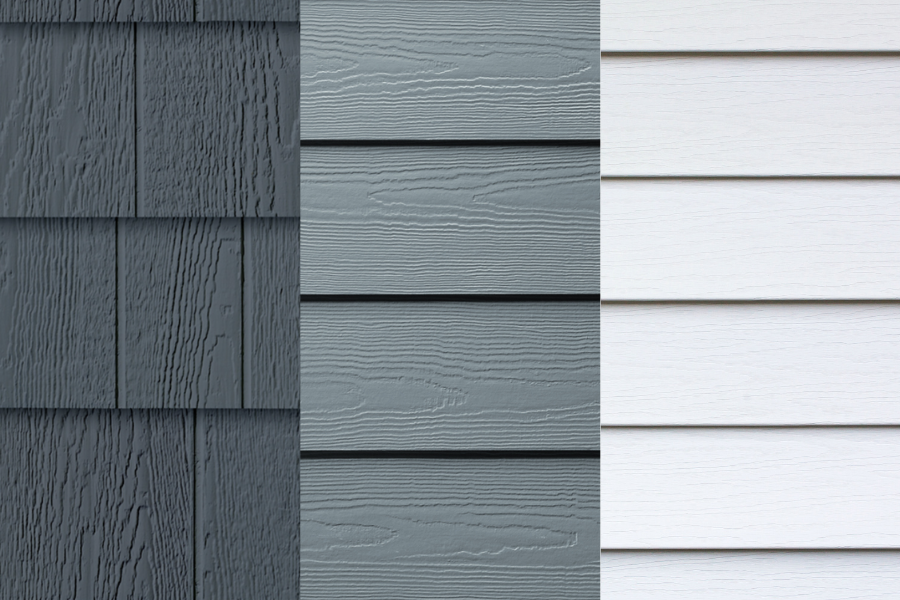
When people say fiber cement vs engineered wood siding, they want clear facts on strength, looks, and long-term cost. Both are modern cladding options that mimic real wood. Both take paint well and come in many profiles.
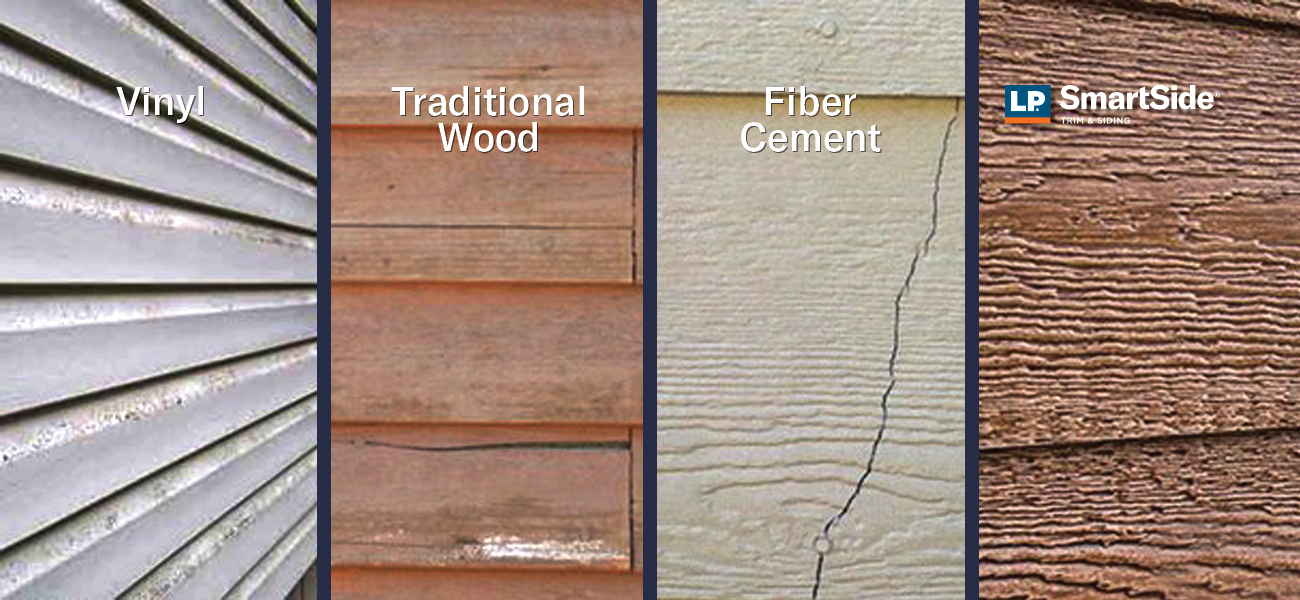
Fiber cement is a mix of cement, sand, and cellulose fibers. It is dense, stable, and resistant to fire and pests. Engineered wood uses wood fibers and resins pressed under heat. It is lighter, easy to cut, and has a warm wood feel.
You can get lap, board-and-batten, or panel styles in both. Factory finishes shorten the first paint cycle. Trim and soffits also come in matching lines.
Fiber Cement vs Engineered Wood Siding: The Short Comparison You Can Trust
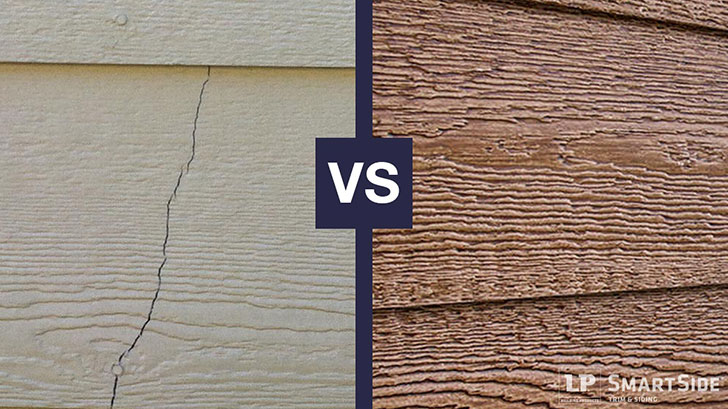
This fiber cement vs engineered wood siding comparison focuses on what matters day to day. Think weather, paint cycles, install time, and warranty. Style and cost are close, but details tip the scale.
- Durability: Fiber cement handles heat, hail, and fire well. Engineered wood handles impact and cold well when sealed right.
- Install: Engineered wood cuts like pine. Fiber cement needs special blades and dust control.
- Upkeep: Both need paint over time. Factory finishes extend early years.
- Cost: Installed costs often overlap. Local labor and trim choices swing totals.
In my installs, I pick fiber cement in wildfire or coastal zones. I pick engineered wood for fast builds, colder climates, and when weight is a concern.
Durability and Weather Performance
Use fiber cement vs engineered wood siding as a lens for real life weather. Heat, rain, snow, and sun tell the story. Each product shines in different stress tests.
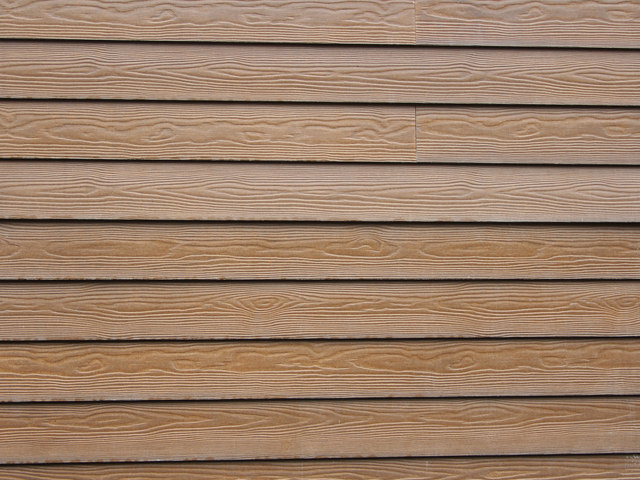
Fiber cement is very stable in heat and sun. It holds lines sharp, even on dark colors. It does not feed mold or insects. It will not burn. It can chip at corners if hit hard, but it does not swell when wet.
Engineered wood is tough against dents and wind-blown debris. It needs cut edges sealed in the field. When edges and joints are primed and flashed, it stays flat and looks crisp. In freeze-thaw cycles, it performs well if water cannot enter the core.
- Hail: Engineered wood often shows fewer visible chips. Fiber cement can nick at edges but resists deep damage.
- Wind-driven rain: Both do well with a rainscreen or at least a drainage plane.
- UV: Both rely on good finishes. Check your paint or factory coat specs.
Fire, Pests, and Moisture Resistance
In fiber cement vs engineered wood siding, fire and pests are key issues. Safety and peace of mind count.
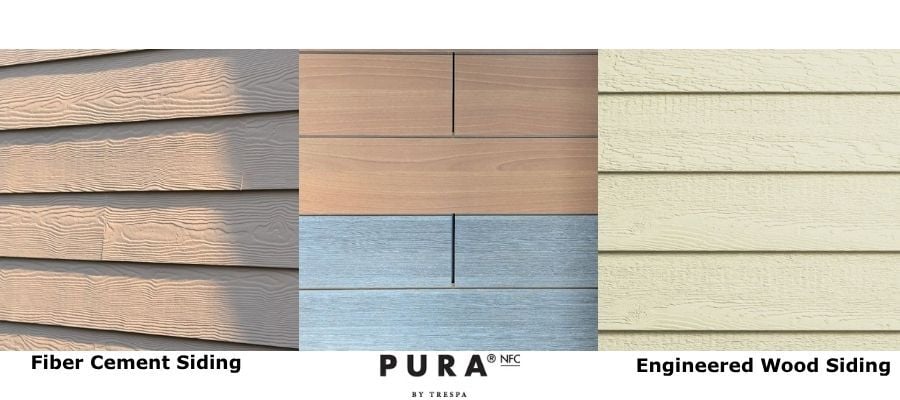
Fiber cement carries a high fire rating in many assemblies. It does not ignite and can slow flame spread. Termites and carpenter ants do not eat it. It resists rot.
Engineered wood is wood-based, yet it is treated with resins and waxes. It resists termites better than raw wood. It needs strict clearances from grade and hardscape to avoid splash-back. With correct gaps and flashing, it manages moisture well.
- Fire zones: Fiber cement often helps with code and insurance in wildfire areas.
- Bugs: Both beat raw wood. Fiber cement is the stronger pick in heavy pest regions.
- Moisture: Seal every cut on engineered wood. Flash joints on both.

Installation and Job-Site Realities
The craft side of fiber cement vs engineered wood siding shapes budget and finish quality. Tools, labor time, and safety rules all matter.
Fiber cement is heavier. It needs two people for long planks. Use score-and-snap, shears, or a dust-collecting saw. Silica dust is real; wear proper respirators and use wet methods or shears. Nails should hit studs, and blind nailing is common on lap profiles.
Engineered wood is light and easy to cut with standard blades. Solo installers can handle long runs. Field-cut edges need touch-up with approved sealant or paint. Follow nail patterns and spacing to avoid waves.
My field notes:
- On a windy coastal job, fiber cement seams stayed tight after storms. We used a 3/8-inch rainscreen gap and stainless nails.
- On a winter cabin, engineered wood went up fast in short daylight. We staged a seal-and-install station to coat cuts. No swelling the next spring.
Cost of Ownership Over 30 Years
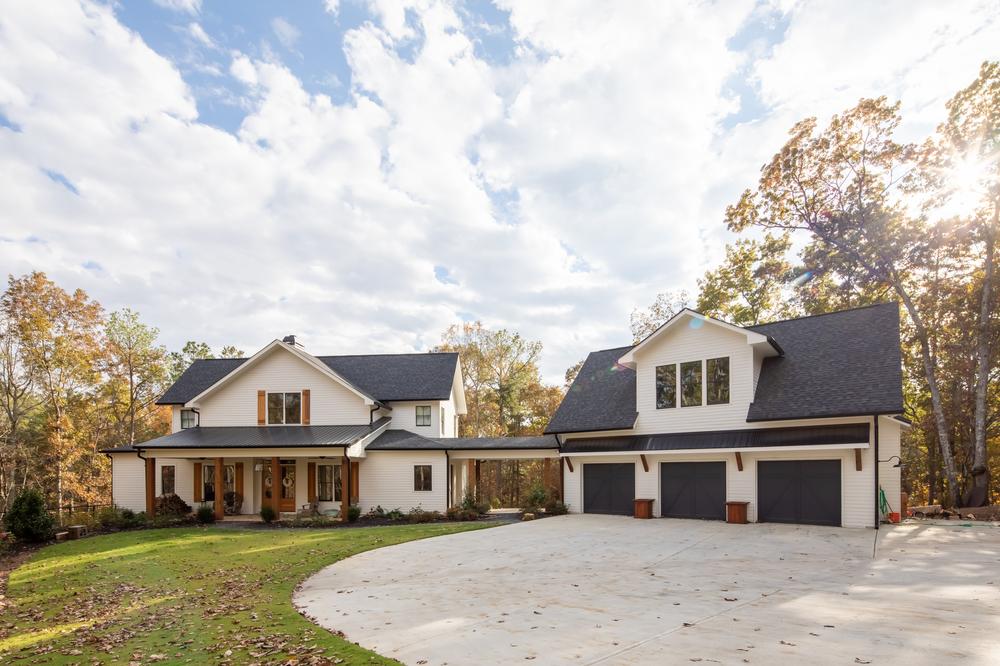
Let’s price fiber cement vs engineered wood siding with the long view. Upfront costs are close, but labor and paint cycles tilt totals.
Typical installed ranges vary by region:
- Fiber cement: Often in the mid to upper range due to weight and tools.
- Engineered wood: Often slightly lower due to speed and fewer special tools.
Total cost drivers:
- Paint cycles: Factory finishes can go a decade or more before repaint. Site paint may need refresh sooner.
- Trim and flashing: Smart details reduce callbacks and repaint costs.
- Repairs: Engineered wood repairs are quick if water did not intrude. Fiber cement repairs need careful cutting and dust control.
In my spreadsheets, total 30-year costs are within a narrow band. In wildfire or termite zones, fiber cement often wins. In cold regions with tight schedules, engineered wood can edge ahead.
Design, Curb Appeal, and Resale Value
Buyers react to clean lines and color that lasts. Style is a big tie-breaker in fiber cement vs engineered wood siding.
Fiber cement holds sharp edges on modern profiles. It looks crisp on board-and-batten and smooth lap. It takes dark paint well in heat, with fewer movement lines.
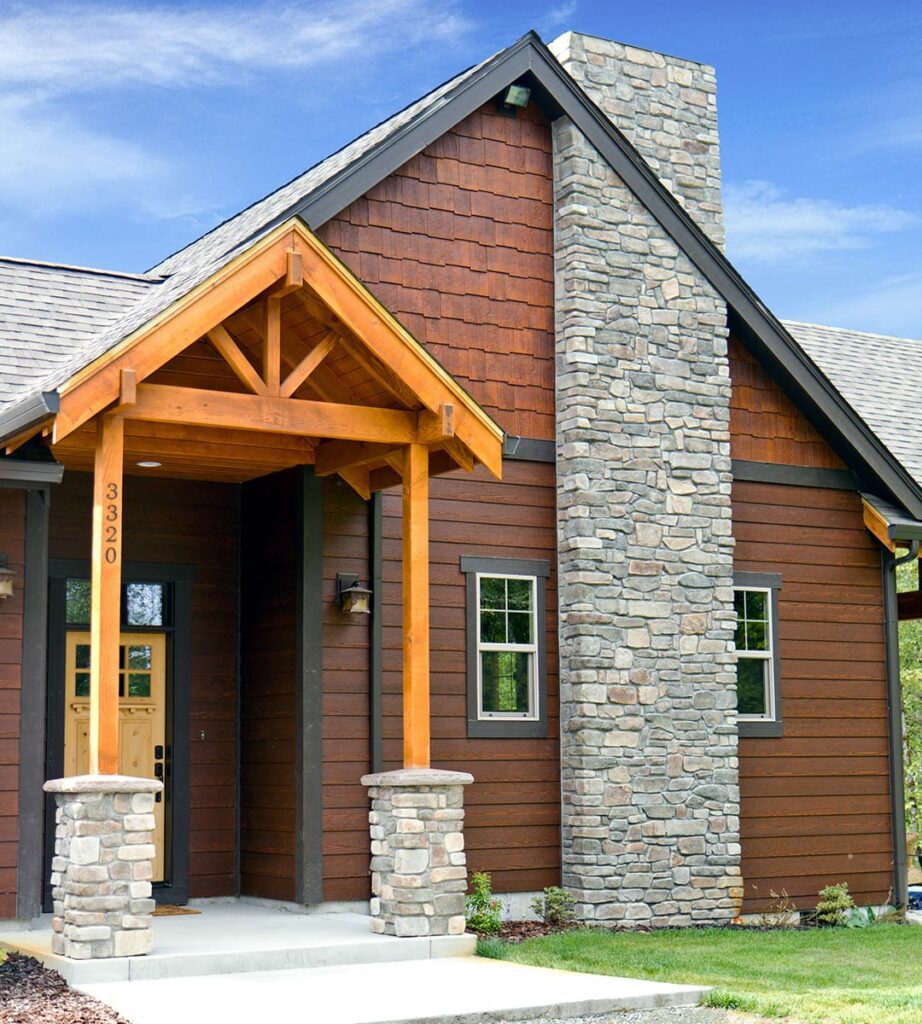
Engineered wood has a warm grain that feels like real timber. It shines on craftsman and cottage styles. It accepts deep textures without looking fake.
- Historical districts: Both can pass reviews with the right profile.
- Dark colors: Check radiant heat limits. Fiber cement often has broader color approval.
- Resale: Buyers like low upkeep and fire safety. Make these points in your listing.
Sustainability and Health Considerations
Green claims are part of fiber cement vs engineered wood siding. Look at inputs and job-site health.
Fiber cement has cement, which carries higher embodied carbon. It lasts long and does not rot or burn. Cutting creates silica dust, so safe methods are a must.
Engineered wood uses wood fibers from small trees and efficient yields. Resins bind it tight. It stores carbon during its service life. Protect it from bulk water to avoid early replacement.
- Waste: Order tight takeoffs and use trim to consume offcuts.
- Finishes: Factory coats reduce early repaint trips.
- Health: Use shears or saws with dust control for fiber cement. Wear PPE on both.
Regional Fit: Climate and Code
Match fiber cement vs engineered wood siding to your zip code and code rules. Climate drives choice.
Hot, dry, wildfire-prone regions:
- Fiber cement is a strong pick for fire and sun.
- Dark colors stay straighter.
Cold, snowy regions:
- Engineered wood installs fast in short seasons.
- Seal cuts and use kickout flashing to move meltwater.
Humid and termite-prone regions:
- Fiber cement removes insect risk.
- If you pick engineered wood, raise it off grade and manage splash.
Coastal zones:
- Fiber cement with stainless fasteners fights salt air.
- Both need rainscreens and back-primed trim.
Real-World Lessons, Mistakes to Avoid, and Pro Tips
Experience shapes how I see fiber cement vs engineered wood siding. Small choices change big outcomes.
Mistakes I have seen:
- Skipping edge seal on engineered wood cuts. This leads to swelling at joints.
- Nailing fiber cement into sheathing only. Boards move and paint cracks.
- No kickout flashing at roof-to-wall. Water sneaks behind any cladding.
Practical tips:
- Use a rainscreen gap with either product. Walls dry faster and paint lasts longer.
- Stagger joints and flash behind every seam. Keep looks clean and water out.
- Pre-plan color. Choose factory finish if the schedule is tight or the climate is harsh.
Payoffs:
- Fewer callbacks.
- Smoother paint lines for years.
- Better home value when you sell.
Frequently Asked Questions
Is fiber cement more fire-resistant than engineered wood?
Yes. Fiber cement is noncombustible and can carry a high fire rating in many wall systems. Engineered wood can meet code, but it is still a wood-based product.
Which siding is cheaper to install?
Installed costs often overlap, but engineered wood is usually a bit lower due to faster cuts and lighter boards. Local labor rates and trim choices can flip the result.
How often do I need to repaint?
Factory finishes on both can go about a decade or more before a repaint. Site-applied paint may need touch-ups sooner, especially on sunny walls.
Will fiber cement or engineered wood swell in rain?
Fiber cement does not swell when it gets wet, but it needs proper clearances and flashing. Engineered wood resists water with resins and waxes, but cut edges must be sealed.
Which is better for a coastal home?
Fiber cement often wins due to salt air, sun, and wind. If you pick engineered wood, use stainless fasteners, strong flashing, and a rainscreen.
Can I install these myself?
A skilled DIYer can handle engineered wood more easily due to standard tools and lighter boards. Fiber cement needs dust-safe cutting methods and may require a helper.
Does either option deter termites?
Fiber cement is not a food source for termites. Engineered wood includes treatments that resist insects, but clearances from soil still matter.
What about hail and impact?
Engineered wood can show fewer chips from hail. Fiber cement resists deep damage, though edges can nick.
Are there insurance savings with fiber cement?
In some wildfire-prone areas, yes. Check with your insurance provider about noncombustible cladding credits.
Which has a better warranty?
Both offer long limited warranties on the substrate and shorter finish warranties. Read the fine print on installation details, paint, and edge sealing.
Conclusion
You now have a clear picture of fiber cement vs engineered wood siding. Fiber cement brings fire safety, stability, and strong weather resistance. Engineered wood brings speed, lighter weight, and a warm wood look when detailed well.
Choose by climate, crew, and the way your home handles water. Plan a rainscreen, flash every joint, and seal every cut. Take the next step: price both with the same trim package, ask for factory finish options, and review sample panels in your sun. If this helped, share it with a neighbor or drop your questions so we can plan your perfect exterior.