
Steel beats aluminum for strength; aluminum wins for coastal corrosion resistance and weight.
Choosing between aluminum siding vs steel siding is not a coin flip. I have specified, installed, and repaired both on homes and light commercial jobs for years. In this guide, I break down aluminum siding vs steel siding with clear facts, field lessons, and pro tips you can use today.

Aluminum Siding vs Steel Siding: At‑a‑Glance Comparison
Both are strong, modern cladding choices. They look clean and last decades. Yet they behave very differently in real life. Here is how aluminum siding vs steel siding stacks up on the big points.
- Weight and handling: Aluminum is light and easy to cut. Steel is heavier and feels more rigid.
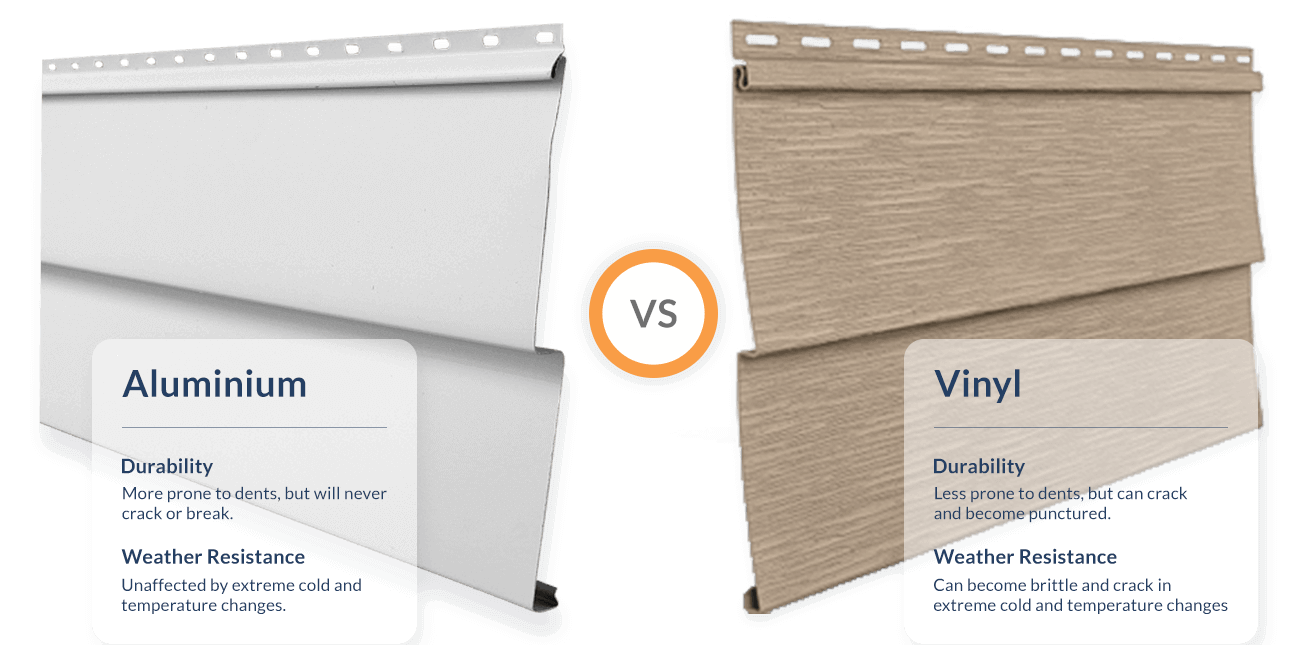
- Impact and dents: Steel resists hail and stray balls better. Aluminum dents easier but can be patched.
- Corrosion: Aluminum does not rust and loves coastal air. Steel needs the right coating in salty zones.
- Finish and fade: Premium PVDF finishes cut fade and chalk on both. Budget paint fades faster.
- Cost and ROI: Prices overlap by region and gauge. Steel often costs a bit more but can boost hail‑zone ROI.
- Repairs: Aluminum patches blend well. Steel panels are tougher to bend back when creased.
Aluminum siding vs steel siding is not one-size-fits-all. Match the metal to your climate, risk, and style.

Durability, Weather, and Impact Resistance
When storms hit, steel shines. Thicker steel panels shrug off hail and wind-borne debris. Many steel profiles use 29, 26, or 24 gauge. Lower gauge means thicker steel and more strength. Aluminum thickness often runs .019 to .032 inches. Thicker aluminum holds better than thin stock but still dents faster than steel.
Rust is the big fear with steel. Modern steel siding uses galvanized or galvalume coatings and strong paint. In dry inland areas, it lasts for decades with little worry. By the ocean, salt spray can creep into scratches and cut life. Aluminum does not rust and is safer near salt air.
Sun is hard on all paint. Premium PVDF paints resist chalk and fade far better than polyester. In my work, PVDF finishes keep color sharp past 20 years with simple care. If you live in harsh UV zones, pay for the better finish on either metal.
Aluminum siding vs steel siding both hold tight in wind when installed right. Use proper fasteners and trim. Leave room for movement. Follow the nailing slots and spacing the maker lists.

Maintenance and Longevity
Good metal siding is low care. Wash once or twice a year with mild soap and water. Skip harsh cleaners. They can dull the finish.
Steel needs you to watch scratches. Touch up paint stops rust from starting. With PVDF paint and a sound substrate, steel can last 40 to 50 years. Aluminum can run that long too if kept clean and free of deep dents.
I have seen budget paint chalk in five to seven years. Premium finishes hold up far longer. Look for longer fade and chalk warranties from the maker. Many offer 20 to 35 years on color.
Aesthetics and Design Flexibility
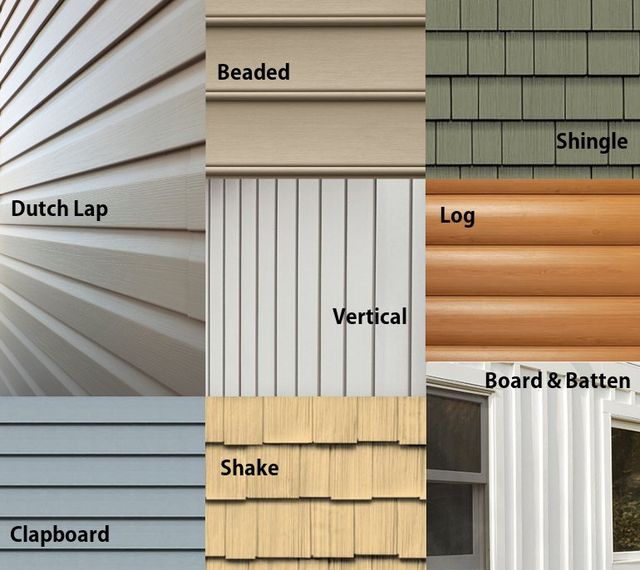
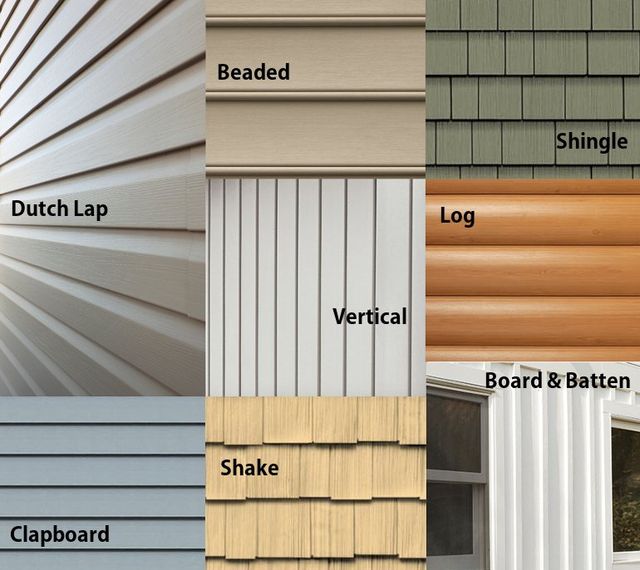
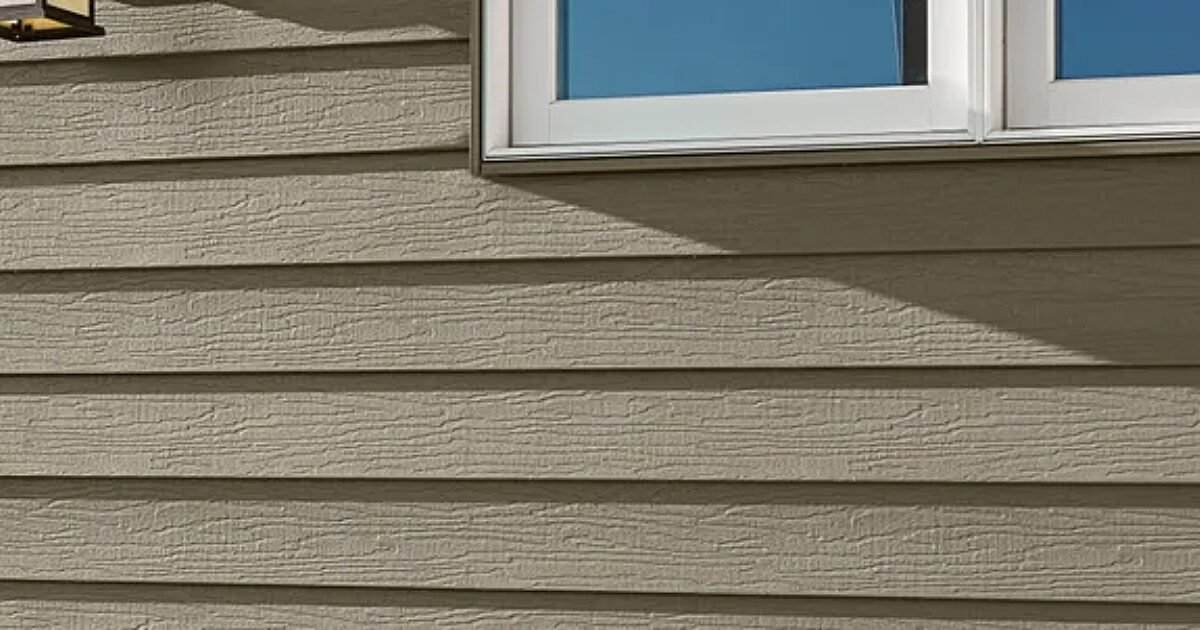
Both metals come in many looks. You can pick lap, vertical, board‑and‑batten, or modern flush panels. Textures range from smooth to wood‑grain. Trim kits match soffit, fascia, and corners.
Steel often has crisper lines. It suits modern and farmhouse styles. Aluminum bends easier for custom flashings and curved details. Both can deliver bold, deep colors with PVDF paint.
Worried about noise in rain? With sheathing, housewrap, and insulation, metal siding is quiet. On tight walls, you hear wind and rain about the same as fiber cement or vinyl.
Installation, Thermal Movement, and Repairs
Aluminum expands more with heat than steel. That means you must respect slot spacing and leave small gaps at joints. Steel moves less, but you still need room to breathe. Floating clips and slotted hems help both.
Cutting is simple with snips on aluminum. Steel likes nibblers or fine-tooth blades. Always prime cut edges on steel if the system calls for it. Use stainless or coated fasteners to prevent stains and rust trails.
Repairs differ. Small aluminum dents can be eased out or covered with a patch. Steel dents are harder to fix once creased. In my crews, we plan panel breaks and hidden joints so swaps are clean years later.

Cost, Value, and ROI
Prices swing by region, gauge, profile, and finish. This is what I see on typical homes with pro install.
- Aluminum siding: About 6 to 10 dollars per square foot installed.
- Steel siding: About 7 to 12 dollars per square foot installed.
- Premium PVDF finishes and thicker gauges push costs up.
In hail country, steel can lower insurance claims and raise ROI. In coastal areas, aluminum avoids rust repairs and holds value. For many buyers, the sharp lines of metal add curb appeal. That helps resale.
Always compare full system cost. Include trim, accessories, underlayment, and waste. Ask for written warranties on finish, substrate, and workmanship.
Energy Efficiency and Sustainability
Bare metal has low R‑value. Insulated backer panels add some R, often R‑2 to R‑4. You also gain air sealing with better flashing and tape. Reflective light colors and cool coatings cut wall heat gain in hot sun.
Both metals are recyclable. Steel has very high recycled content and is easy to recycle again. Aluminum also recycles well and keeps its value. Ask your supplier about recycled content in the coil.
To avoid galvanic corrosion, do not mix dissimilar metals without isolation. Use the fasteners and flashings the system lists. In coastal zones, rinse salt spray with fresh water a few times a year.
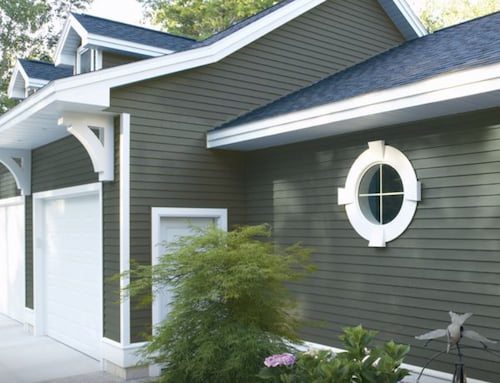
When to Choose Aluminum vs Steel: Use Cases
If you face salt air, choose aluminum first. It will not rust and is light for tricky sites. It also suits complex trim work.
If you face hail or heavy impact, choose steel. It resists dents and holds its shape. In farm and mountain zones, steel stands up to tough use.
On budget jobs, thin aluminum beats thin steel in cost and handling. For sleek, modern lines, many designers like the rigidity of steel. For DIYers with basic tools, aluminum is easier to cut and carry.
Use this rule of thumb. Aluminum for coast and light weight. Steel for storms and strength. That simple frame will guide most choices on aluminum siding vs steel siding.
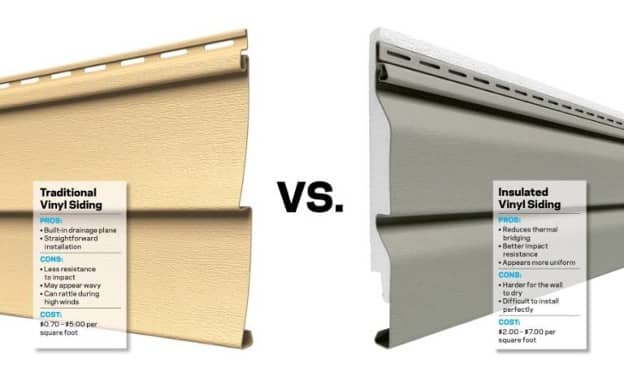
Mistakes to Avoid and Pro Tips from the Field
I have seen small details cut service life in half. These fixes are cheap and fast.
- Do not over‑nail. Let panels float so joints do not warp in heat.
- Seal end cuts on steel when the maker calls for it. It prevents edge rust.
- Use the right fasteners. Stainless or coated screws stop stains and streaks.
- Keep dissimilar metals apart. Use isolators between copper and steel or aluminum.
- Flash well at windows and doors. Kickout flashings save walls from hidden leaks.
- Plan penetrations. Pre‑fit mounts for lights, hose bibs, and vents.
- Add backer where ladders may rub. It helps stop denting on aluminum.
- Choose PVDF paint in high UV or bold colors. It cuts fade and chalk long term.
- In snow zones, consider snow guards above vertical steel panels. It stops shed damage.
Aluminum siding vs steel siding rewards good prep. The wall beneath matters too. Straight sheathing, taped seams, and a solid rain screen gap improve performance.
Frequently Asked Questions of aluminum siding vs steel siding
Which is cheaper: aluminum siding or steel siding?
On many homes, aluminum siding comes in a bit lower. Steel can cost more when you pick thicker gauges or premium finishes.
Which lasts longer in normal conditions?
Both can run 40 years or more with good care. Premium PVDF finishes and proper install make the biggest difference.
Is steel siding good for coastal homes?
Steel can work with the right coating and care, but salt is tough on steel. Aluminum is safer near the ocean since it will not rust.
Will metal siding make my house hotter or colder?
Metal alone adds little R‑value. Add insulated panels, a rain screen, and light colors to improve comfort and cut heat gain.
Can I install new metal siding over old siding?
Yes, in some cases, with furring and a flat substrate. Your wall must be sound, dry, and able to hold fasteners per code.
Does aluminum siding dent easily?
Aluminum dents easier than steel, especially in thin stock. Thicker aluminum and careful layout reduce risk.
How do I stop rust on steel siding?
Touch up scratches fast and keep debris off panels. Follow the maker’s care guide and rinse salt in coastal zones.
Conclusion
Aluminum siding vs steel siding comes down to climate, risk, and look. Aluminum wins near salt air and on tricky, light-duty installs. Steel wins in hail, impact, and ultra‑crisp lines. Both can deliver decades of service with the right paint, details, and care.
Match your choice to your home, not just the catalog. Ask for PVDF finishes, written warranties, and a mockup. Ready to decide between aluminum siding vs steel siding? Share your project details, subscribe for more pro guides, or leave a question and I will help you dial it in.