
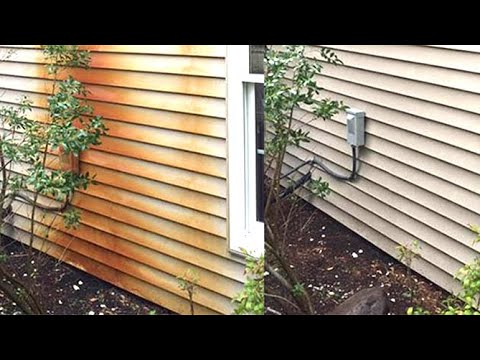
Use vinegar or citric acid, gentle scrub, and rinse to remove stains on vinyl siding.
Hard water marks make bright siding look dull fast. I’ve cleaned hundreds of homes and learned what works, what ruins finishes, and how to remove hard water stains on vinyl siding without stress. In this guide, you’ll get safe methods, pro tips, and simple steps you can use today.

What causes hard water stains on vinyl siding
Hard water stains are mineral deposits left by water that dries on the surface. The usual culprits are calcium, lime, and magnesium in sprinkler overspray, leaky spigots, or roof run-off. When the water evaporates, the minerals stay and bond to the vinyl.
Sun and heat speed up spotting. Over time, light haze turns into a chalky crust. Orange or brown tones often mean iron. That is why some areas stain more and clean harder.
The good news is simple acids break down these minerals. The key is gentle tools, short dwell times, and a full rinse to clear residue. That is the heart of how to remove hard water stains on vinyl siding with ease.

Tools and supplies you’ll need
Gather your tools before you start. This saves time and keeps the surface wet while you work.
- Soft-bristle brush or microfiber pad For gentle scrubbing that will not scratch.
- Spray bottles For mixing and applying cleaners.
- Garden hose with a spray nozzle For rinse and flow control.
- White vinegar or citric acid powder Core descalers for mineral stains.
- Bucket, measuring cup, and funnel For safe mixes and easy pouring.
- Magic Eraser or melamine pad For small spots; use light pressure only.
- Commercial descaler (vinyl-safe) Look for calcium, lime, and rust removers labeled safe for vinyl.
- Oxalic acid rust remover For orange iron stains; follow label.
- Baking soda For neutralizing acid and plant-safe rinse.
- Nitrile gloves and safety glasses For hand and eye safety.
- Painter’s plastic or drop cloths To shield plants and metal fixtures.
If you are learning how to remove hard water stains on vinyl siding for the first time, start with vinegar or citric acid. Keep harsh products as a last step.
Step-by-step: how to remove hard water stains on vinyl siding
Here is a simple, safe workflow I use on jobs. It covers light haze to heavy scale.
- Prep and protect
- Move items away from walls. Pre-wet plants and soil near the work area.
- Close windows and outlets. Put on gloves and glasses.
- Test a small, hidden spot first. Check for color fastness and shine.
- Rinse and loosen
- Rinse the wall with a hose to lift dust.
- Wet the area below the stains first. This limits streaks.
- Vinegar method for light to medium stains
- Mix a 1:1 solution of white vinegar and water in a spray bottle.
- Spray the stained area until it is wet, not dripping.
- Let it dwell for 3 to 5 minutes. Do not let it dry.
- Scrub gently with a soft brush in small circles.
- Rinse well from top to bottom. Work in 3 to 4 foot sections.
- Citric acid boost for tougher spots
- Dissolve 2 tablespoons citric acid per quart of warm water. Or 1/4 cup per gallon.
- Apply with a sprayer. Keep the area wet for 5 minutes.
- Scrub lightly. Citric acid often clears cloudy film that vinegar misses.
- Rinse well. If needed, repeat once.
- Descaler for heavy scale
- Use a vinyl-safe descaler for calcium and lime. Dilute per label, often 1:1.
- Apply low on the wall first to catch drips. Work upward, then scrub and rinse downward.
- Dwell for 2 to 3 minutes. Keep it wet. Do not let it dry.
- Rinse very well. Follow with a baking soda rinse if desired: 1 tablespoon per gallon of water to neutralize.
- Spot help
- For tiny, stubborn dots, use a damp melamine pad with light pressure. Do not rub hard. It can dull the sheen.
- Baking soda paste (3 parts soda, 1 part water) can lift haze without scratches. Rinse well.
- Final rinse and dry
- Rinse top to bottom until the water runs clear.
- Let dry in shade if you can. Sun can flash-dry and leave new spots.
- Check the sheen from two angles. Touch up missed areas.
Here is how to remove hard water stains on vinyl siding with vinegar and citric acid in a nutshell: wet, apply acid, dwell, gentle scrub, rinse, repeat only as needed. When stains are heavy, this is how to remove hard water stains on vinyl siding without damage: step up to a vinyl-safe descaler, stay patient, and rinse well.
Will vinegar damage vinyl siding?
- No, vinegar at 1:1 with water is mild and safe for vinyl. Always test first and rinse well.
Can a pressure washer help or hurt?
- It can help if you use low pressure and the right angle. Keep it under 1,500 PSI with a 25–40 degree tip, stand 6 to 8 feet back, and never spray upward under the laps.

Stubborn stains and rust: advanced methods
Some stains fight back. Orange streaks often point to iron. Thick, chalky plates point to long-term calcium and lime. Use stronger but safe methods when the basics stall.
- Oxalic acid for rust Use an oxalic-based rust remover that is safe for vinyl. Wet the area, apply per label, dwell 2 to 5 minutes, then rinse well. Repeat if needed.
- Dedicated mineral removers Choose products made for calcium, lime, and rust. Look for “vinyl safe” on the label. Avoid hydrofluoric acid and strong abrasives.
- Heat and dwell time Warm water improves action. Work on cool days or shade. Keep the surface wet while the product works.
- Avoid harsh scrubbing Tools like steel wool or stiff pads will scratch. If you must use a melamine pad, use very light pressure.
If you still need how to remove hard water stains on vinyl siding after these steps, try a second pass with a fresh mix and shorter dwell times. Often, two light passes beat one harsh pass.
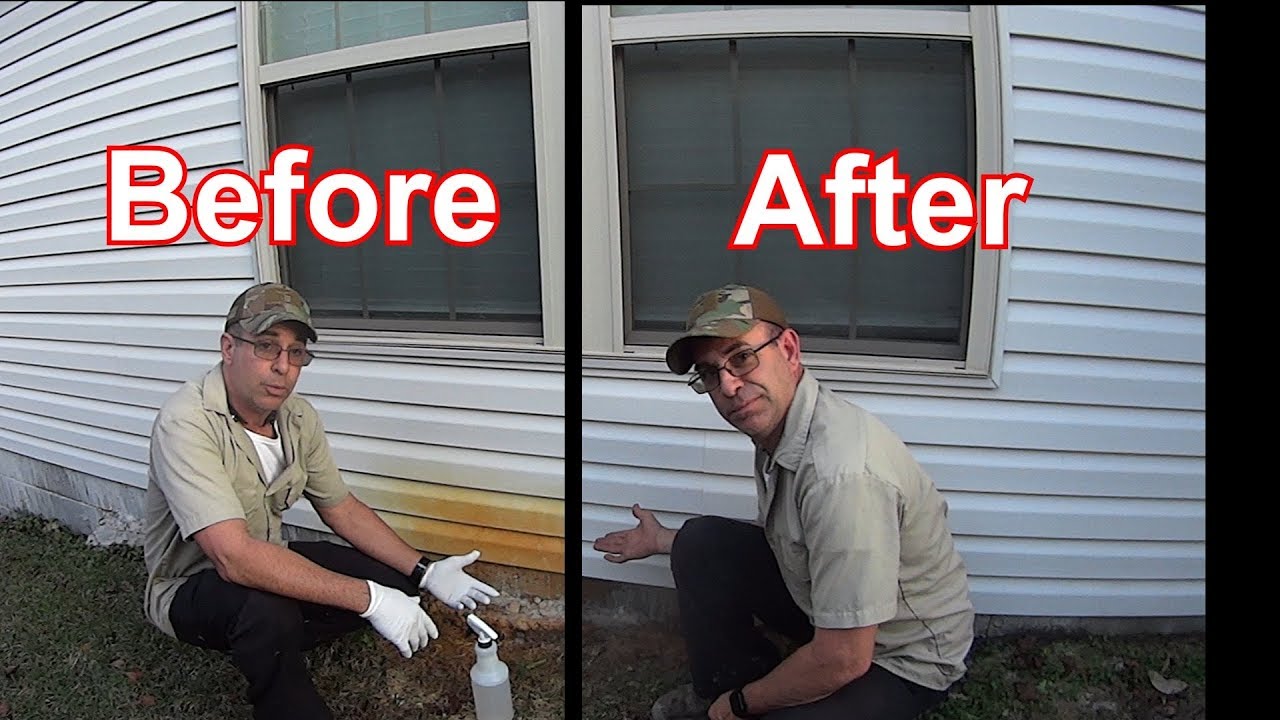
Prevent hard water stains on vinyl siding
Stopping stains is easier than scrubbing them. Set up small changes that keep water off your walls or help it dry clean.
- Adjust sprinklers Aim heads away from siding. Choose low-mist nozzles to reduce drift.
- Fix drips Repair leaky spigots and hoses. Add splash blocks under downspouts.
- Rinse after overspray If sprinklers hit the wall, hose it down right away. Fast action stops mineral bonds.
- Add a descaler pre-rinse Mix 1 cup vinegar in a 2-gallon pump sprayer. Mist walls after yard watering, then rinse.
- Consider a softener If you use well water, a whole-home softener reduces calcium and magnesium.
- Use a protective wash A siding-safe polymer or wash-and-wax can cut buildup. Follow the manufacturer’s guide.
Knowing how to remove hard water stains on vinyl siding is key. But keeping water off the wall, and rinsing fast, saves hours later.

Personal lessons from the field
I learned how to remove hard water stains on vinyl siding the hard way: trial, error, and a few close calls.
- Pre-wet matters A quick hose rinse below the work area stops acid drips from leaving tracks. This one habit prevents new streaks.
- Short dwell beats hard scrub I used to scrub harder. Now I let the cleaner work, then use a soft brush. The siding stays glossy.
- Work small zones I stick to 3-foot sections. The product stays wet, and I never feel rushed.
- Track the sun If the wall is hot, I move to shade. Cleaners dry fast on hot vinyl and leave rings.
- Neutralize around plants I pre-wet soil and rinse with a light baking soda mix after acid use. My clients’ shrubs look great months later.
These small steps cut time and stress. They also keep the finish bright year after year.

Safety and environmental notes
Work safe and protect your space. Acids and descalers are effective. They still need care.
- Never mix bleach and acids This creates toxic gas. Use one product family at a time.
- Protect skin and eyes Wear nitrile gloves and safety glasses. Wash hands after work.
- Ventilate and control run-off Close windows. Keep run-off away from ponds and storm drains. Use low-flow rinses where you can.
- Shield metals and glass Acids can spot bare metal and some glass. Rinse fixtures and windows right away.
- Follow labels and local rules Check the product label for PPE and disposal. Local rules may limit discharge to storm drains.
Safety comes first when you try how to remove hard water stains on vinyl siding. Slow, careful work gives the best and safest results.
:strip_icc()/GettyImages-1336188285-00b715bd46b74597a20d3bbd3577f139.jpg)
Frequently Asked Questions of how to remove hard water stains on vinyl siding
What is the fastest home method for light stains?
A 1:1 vinegar and water mix is fast and safe. Spray, let dwell 3 to 5 minutes, scrub gently, and rinse well.
Will commercial descalers damage vinyl siding?
Many are safe if the label says so. Test a small area, keep dwell times short, and rinse very well.
How often should I clean to prevent buildup?
Do a quick rinse after any sprinkler overspray. Plan a light siding wash every spring and fall to stay ahead.
Can I use a pressure washer on vinyl siding?
Yes, with care. Keep it under 1,500 PSI, use a 25–40 degree tip, stand 6 to 8 feet away, and avoid spraying upward.
What removes orange rust stains best?
Use an oxalic acid rust remover labeled safe for vinyl. Apply, short dwell, gentle scrub, and thorough rinse.
Does vinegar leave a smell or residue?
The smell fades fast in fresh air. Rinse well to avoid residue, and it will not linger.
Are Magic Erasers safe on vinyl siding?
Use them sparingly and with light pressure. They can dull the gloss if you scrub hard.
Conclusion
You can bring dull vinyl back to life with simple steps. Start mild with vinegar or citric acid, use gentle tools, and rinse well. When buildup is heavy, step up to a vinyl-safe descaler and keep dwell times short.
Now is a great time to try one small wall and see the shine return. If this guide helped, share it with a neighbor, subscribe for more home care tips, or leave a comment with your results and questions.