
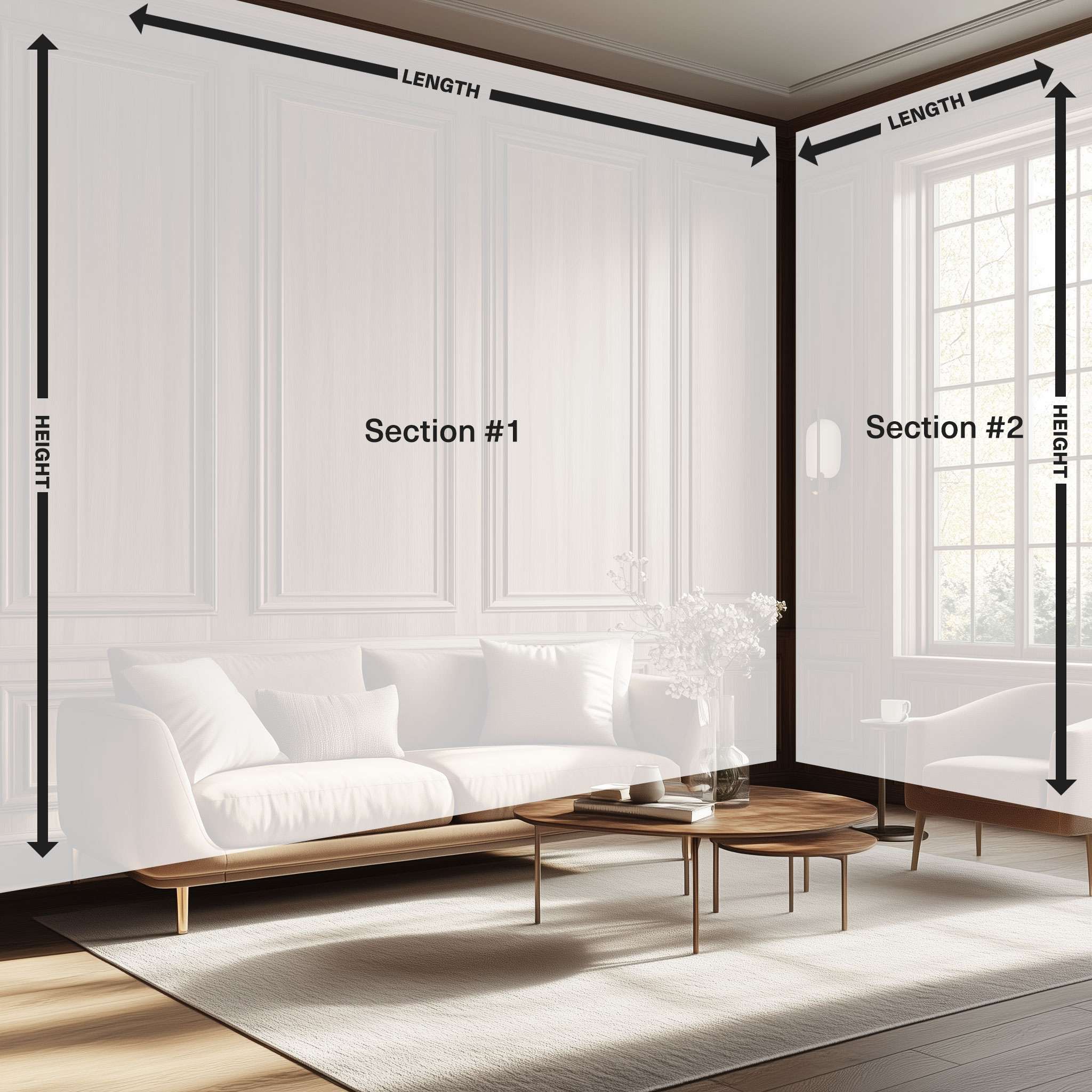
Measure each wall, subtract openings, add gables, then add 5–15% waste.
You are here to learn how to figure out siding square footage the right way. I have measured hundreds of homes, from ranches to steep gables. This guide shares a clean system, field tips, and real math. You will see clear steps, worked examples, and common traps to avoid. By the end, you will know how to figure out siding square footage with confidence and accuracy.
What siding square footage actually means
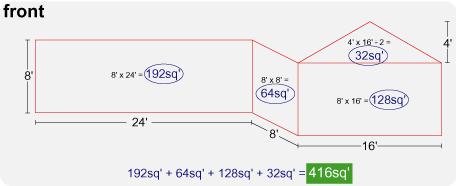
Siding square footage is the total wall area that your cladding will cover. It includes flat walls and shaped wall sections like gables and dormers. It excludes roofs, soffits, fascia, and trim.
Include these areas:
- Exterior walls up to the eaves
- Gable end walls and dormer walls
- Knee walls above lower roofs
- Bump-outs, bays, and chimney chases with siding
Exclude these areas:
- Roof surfaces, soffits, fascia, and gutters
- Exposed foundations and slabs
- Trim, corners, J-channels, starter strips, and accessories
When you know this, how to figure out siding square footage becomes a clear, repeatable task.

Tools and data you need before you measure
You can measure by hand or with digital tools. Use what keeps you safe and accurate.
- Tape measure or laser distance meter
- Notepad or takeoff app
- Pencil, straightedge, and calculator
- Ladder, stabilizer, and a spotter if needed
- Camera or phone for each elevation
- Manufacturer exposure or panel coverage data
Make a simple sketch of each side of the house. Mark windows, doors, and any gables. This prep speeds up how to figure out siding square footage and prevents errors.

How to figure out siding square footage for straight walls
Follow these steps for each elevation. Keep the math simple and neat.
- Sketch the wall. Note wall width and wall height to the eave.
- Measure wall width at the base. Measure height from top of foundation to eave.
- Compute wall area. Multiply width by height.
- Subtract window and door areas. Record each opening.
- Add the net area to your running total.
Quick example for one wall:
- Wall width: 30 ft. Wall height: 10 ft. Area: 300 sq ft.
- Openings: two 3×5 windows (2 × 15 = 30 sq ft), one 3×7 door (21 sq ft).
- Net area: 300 − 51 = 249 sq ft.
Repeat for all straight walls. This is the base of how to figure out siding square footage on any home.
Measure gables, dormers, and odd shapes
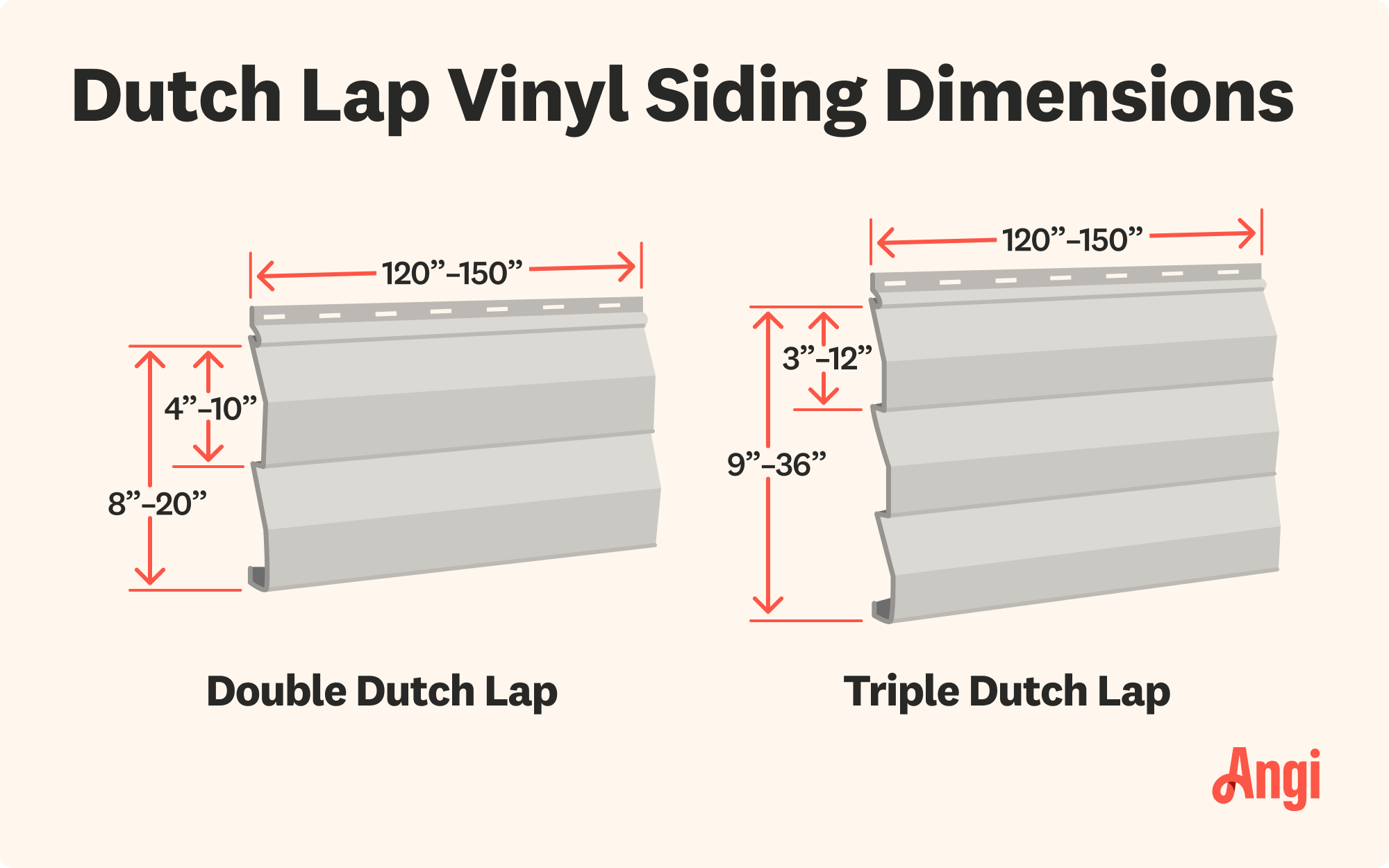
Gables are simple triangles. Use half the base times the height. Measure base along the wall. Measure height from eave to peak.
Use these shapes and formulas:
- Triangle gable: 0.5 × base × height
- Trapezoid wall: 0.5 × (top width + bottom width) × height
- Half-circle vent area: 0.5 × π × radius²
Dormers get measured like small walls. Add each dormer wall area, then subtract its windows if large. Add all shapes to your total. To finish how to figure out siding square footage, you must include these parts.

Subtract windows, doors, and large openings
Subtract all standard doors, garage doors, and windows. Many pros skip very small vents because waste covers them. As a rule of thumb, subtract any opening over 3–4 sq ft.
Use this method:
- Record width and height for each opening.
- Multiply to get area for each piece.
- Sum all opening areas for the wall.
- Subtract that sum from the wall area.
This step is key in how to figure out siding square footage with precision.
Match your measurements to siding coverage
Your wall area is not the same as boxes needed. Siding coverage depends on exposure and packaging.
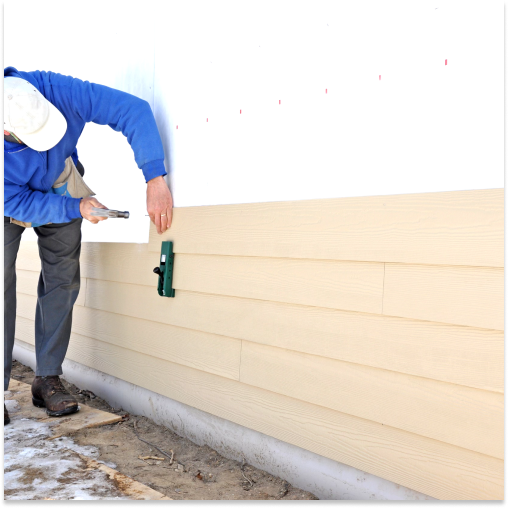
Lap siding
- Exposure is the visible face per course.
- Coverage per piece = exposure × length.
- Manufacturers list coverage per box at a set exposure.
Panel siding
- Common panels are 4×8 or 4×10 ft.
- Account for vertical joints and trim boards.
Shakes and shingles
- Coverage varies with the specified exposure.
- Always use the maker’s coverage charts.
Confirm the brand’s coverage numbers. Then convert your wall square footage to boxes or squares. This step locks in how to figure out siding square footage into an order-ready takeoff.

Add a waste factor and plan your order
Cuts, angles, and layout create waste. Simple homes need less. Complex shapes need more.
Use these ranges:
- Simple ranch, few cuts: add 5–7% waste
- Two-story with some gables: add 8–12% waste
- Many dormers, angles, or steep cuts: add 12–18% waste
- Shakes or patterns with heavy staggering: add 10–20% waste
Order extra for future repairs if the color may change. Round up to full boxes or to the nearest tenth of a square. This gives you a safe buffer and makes how to figure out siding square footage work in the real world.
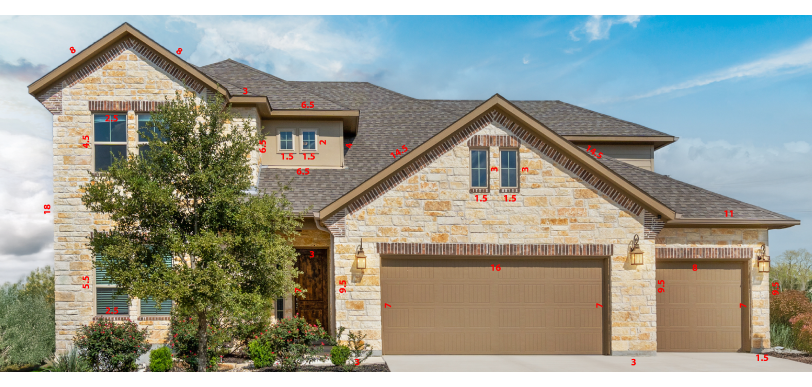
Worked example: a two-story home
Home details
- Plan: rectangle 40 ft by 24 ft, two stories
- Wall height: 9 ft first floor, 8 ft second floor (17 ft to eave)
- Roof: gable on the 24 ft ends, 6:12 pitch
- Openings: 18 windows at 3×5 ft, two 3×7 ft doors, one 16×7 ft garage door
Step 1. Straight walls
- Two long walls: 40 ft × 17 ft = 680 sq ft each → 1360 sq ft total
- Two short walls to eave: 24 ft × 17 ft = 408 sq ft each → 816 sq ft total
Step 2. Gable triangles
- Height at 6:12 pitch on 12 ft half-span = 6 ft
- One gable: 0.5 × 24 × 6 = 72 sq ft → two gables = 144 sq ft
Step 3. Total wall area before openings
- 1360 + 816 + 144 = 2320 sq ft
Step 4. Subtract openings
- Windows: 18 × (3 × 5) = 18 × 15 = 270 sq ft
- Doors: 2 × (3 × 7) = 42 sq ft
- Garage: 16 × 7 = 112 sq ft
- Total openings = 424 sq ft
Step 5. Net siding area
- 2320 − 424 = 1896 sq ft
Step 6. Add waste (10%)
- 1896 × 1.10 = 2086 sq ft
- In squares (100 sq ft each) = 20.86 squares → order 21 squares
Check the brand’s coverage data to convert to boxes. This example shows how to figure out siding square footage from start to finish.
Common mistakes and pro tips
Mistakes I see often
- Forgetting gable triangles or dormer sides
- Measuring from grade instead of from the top of the foundation
- Not subtracting a large garage door
- Ignoring exposure and using the wrong coverage per box
- Underestimating waste on steep or cut-heavy jobs
Pro tips from the field
- Sketch first. A clean sketch cuts math time in half.
- Label each wall and opening. Keep a running total.
- Double-check big items: garage doors, patio sliders, and tall windows.
- For lap siding, confirm exposure on-site with a sample.
- On complex roofs, snap a photo of each elevation for later review.
A quick story: early in my career, I missed two small dormers on a Cape. I had to rush-order an extra square. It cost time and money. Since then, I always walk the house twice. That habit will help you master how to figure out siding square footage without surprises.
A quick calculator you can use today
Use this clean formula and keep it handy.
- For each straight wall, area = width × height.
- For each gable, area = 0.5 × base × height.
- For other shapes, break them into rectangles and triangles.
- Add all wall and gable areas.
- Subtract all window and door areas.
- Multiply by your waste factor.
Final siding square footage = (sum of walls + sum of gables − sum of openings) × (1 + waste). This is the simplest way to remember how to figure out siding square footage on any home.
Budgeting basics and cost ranges
One square equals 100 square feet of wall coverage. Prices vary by region, brand, and season. Use broad ranges and get local quotes.
Typical material ranges per square foot
- Vinyl siding: about 2 to 5 dollars
- Fiber cement lap: about 3 to 8 dollars
- Engineered wood: about 3 to 7 dollars
- Cedar shingles: about 5 to 12 dollars
- Steel or aluminum: about 4 to 10 dollars
Installed costs depend on labor, access, height, and tear-off. Use your total from how to figure out siding square footage, then apply local unit prices for a quick budget.
Frequently Asked Questions of how to figure out siding square footage
What is a siding “square”?
A square is 100 square feet of wall coverage. Many products and quotes use squares to make ordering simple.
Should I subtract small vents and lights?
Small penetrations often fall within your waste factor. Subtract larger items like meter bases or big vents if they exceed 3–4 square feet.
How do I measure gable height without a ladder?
Measure the wall to the eave and the total peak height from grade with a laser. Subtract the grade-to-eave height to get the gable rise.
Do I count trim and corners in siding square footage?
No. Siding square footage is wall cladding only. Trim, corners, starter strips, and soffits are separate line items.
How much waste should I add for a simple ranch?
Add 5–7% for straight runs and few cuts. Increase to 10–12% if you have bays or several wall breaks.
How does lap siding exposure affect my order?
Exposure sets how much area each course covers. Always match your takeoff to the maker’s coverage charts for the chosen exposure.
Can I estimate from a floor plan without visiting the site?
You can, but verify wall heights, gables, and openings. Field checks reduce risk and improve how to figure out siding square footage accuracy.
Conclusion
You can measure any home with a simple plan. Sketch, measure each wall, add gables, subtract openings, and add waste. Match your total to the product’s real coverage to order with confidence. Start with one elevation today and build momentum. Want more step-by-step tools and checklists? Subscribe for templates, or leave a comment with your next project size and I will help you run the numbers.