
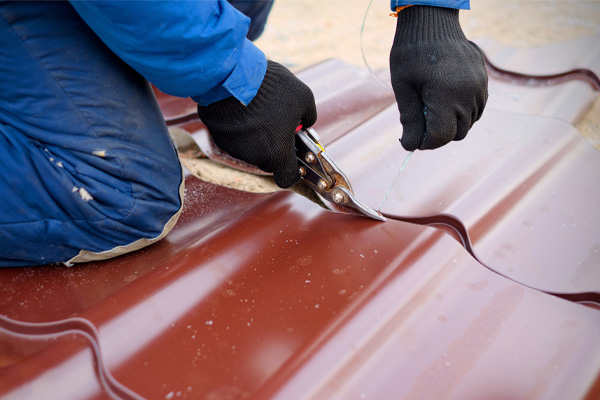
Use aviation snips, electric shears, or a cold-cut saw with full safety gear.
If you want clean results and a fast workflow, you need the right plan, the right tool, and the right touch. In this guide, I show you how to cut metal siding like a pro. I cover tools, steps, safety, and pro tips from years on the job. Follow along, and you will know how to cut metal siding with accuracy and confidence.

What You Need: Tools and Materials
Having the right setup makes the job smooth and safe. Many tools can cut steel or aluminum panels. Choose by panel profile, cut length, and finish.
Essentials
- Aviation snips. Left, right, and straight. Great for short cuts and curves.
- Electric shears. Fast, clean straight cuts on flat runs.
- Double-cut shears. Low burr, less paint chipping on long cuts.
- Nibbler. Precise around ribs and tight radii. Manages profiles well.
- Circular saw with a metal-cutting blade. Carbide cold-cut blade is best. A fine-tooth metal blade also works.
- Angle grinder with a thin cutoff wheel. Use only when needed. It makes heat and sparks.
- Jigsaw with 18–24 TPI bi-metal blade. Ideal for outlets and window openings.
- Hole saws and step bits. Clean round holes for vents and fixtures.
- Clamps and sawhorses. Support the full sheet to avoid flex.
- Straightedge, speed square, and tape measure. Mark true lines.
- Fine-tip marker, scribe, and painter’s tape. Better layout and less chipping.
- File, deburring tool, and 120-grit sandpaper. Smooth sharp edges.
- Touch-up paint and zinc-rich primer. Seal exposed metal.
- PPE. Cut-resistant gloves, safety glasses, hearing protection, and a dust mask or respirator.
When you plan how to cut metal siding, match your tool to the panel and the finish. Painted steel needs cooler cuts and clean support to protect the coating.

Safety First
Metal edges are sharp. Cutting can make chips, heat, and sparks. A simple plan avoids injuries and damage.
- Wear safety glasses, gloves, long sleeves, and hearing protection.
- Work in a clear area. Keep flammables away from sparks.
- Support the full panel on padded sawhorses. Reduce flex and chatter.
- Clamp your work. Do not freehand long cuts in the air.
- Use cold-cut methods when you can. They protect paint and reduce burrs.
- If you must use an angle grinder, work outside and control sparks. Keep a fire extinguisher close.
- Avoid fumes. Do not torch galvanized steel. If you cut with abrasive tools, wear a P100 or N95 for metal dust.
How to cut metal siding starts with safe habits. A few minutes of setup protects your eyes, hands, and finish.

Plan, Measure, and Mark
Smart layout saves time and reduces waste. The cut line should fit the install plan and the trim details.
- Read the manufacturer guide. Note lap, reveal, and expansion gaps.
- Measure twice. Mark once. Account for blade kerf, about 1/16 inch.
- Keep the factory edge for visible sides when possible.
- Use a straightedge and a square for crisp lines.
- Lay painter’s tape on the cut path. Mark on the tape to reduce chipping.
- Align ribs and courses so cuts land under trim when you can.
- Dry-fit a panel before you cut a stack.
Clear layout is the base of how to cut metal siding with pro results.

Cutting Methods Explained
Different tools shine in different jobs. Here is how to choose and use them.
Aviation snips
Use snips for short trims, notches, and gentle curves. Take short bites. Let the waste curl away from the blades. Choose red for left curves, green for right, and straight for flat paths. Pros: very safe, quiet, low cost. Cons: slow on long cuts, can ripple thin panels.
Electric shears and double-cut shears
Electric shears slice fast with little burr. Double-cut shears take a thin strip out and protect paint well. They are ideal for long, straight cuts and moderate curves. Pros: clean edges, low chipping. Cons: needs access under the sheet and steady support.
Nibbler
A nibbler punches tiny crescents. It curves tight and crosses ribs with ease. Great for outlet boxes, vents, and complex shapes. Pros: precise and cool. Cons: many small chips. Use a drop cloth and a magnet to collect them.
Circular saw with a metal-cutting blade
Use a carbide cold-cut blade with a negative hook angle. It runs cooler and leaves fewer burrs. Support the sheet. Clamp a straightedge for a track. Blade exit can chip paint, so test a scrap to choose face up or face down. Pros: fast, straight, great for stacks. Cons: noise, risk of paint chip if rushed.
Angle grinder with cutoff wheel
This is the fastest way to cut, but it is hot and throws sparks. It can scorch paint and weaken galvanizing at the edge. Use only when other tools will not work, and plan to deburr and touch up. Pros: fast in tight spots. Cons: heat, burrs, and more risk to finish.
Jigsaw
Use for windows, hose bibs, and odd shapes. Choose a fine-tooth metal blade. Tape the shoe to protect paint. Start in a drilled pilot hole and cut slow. Pros: controlled and clean curves. Cons: can chatter if the panel is not well supported.
Score and snap for thin aluminum
For thin aluminum siding, you can score along a straightedge with a carbide scribe and snap the sheet over a bench edge. Pros: silent, no chips. Cons: only for thin, soft stock and straight lines.
Understanding each method is key to how to cut metal siding cleanly and fast.

Step-by-Step: How to Cut Metal Siding Cleanly
- Set up your work area. Use two or more sawhorses with a soft pad.
- Check the plan. Confirm reveals, laps, and trim details.
- Measure and mark. Use a square and a fine-tip marker on painter’s tape.
- Choose the right tool. Match the tool to the cut type and finish.
- Support the panel. Clamp a straightedge for long, straight cuts.
- Make relief cuts at corners. This stops tears and keeps edges crisp.
- Start the cut slow. Let the tool do the work. Do not force the blade.
- Manage chips. Pause to clear chips so they do not scratch the face.
- Deburr the edge. Use a file or deburring tool with light strokes.
- Seal the cut. Wipe clean, prime bare steel, and add touch-up paint.
Follow these steps each time you plan how to cut metal siding for repeatable results.

Special Cases and Pro Tips from the Field
Working with profiles
- Corrugated or ribbed panels. Cut across ribs with a nibbler or double-cut shears to avoid distortion. Along ribs, use shears or a cold-cut saw with a guide.
- Standing seam and snap-lock. Remove the seam cap first, then cut the pan. Re-crimp after trimming.
Tricky details
- Rake and gable cuts. Mark from the fascia, not the ground. Keep the drip edge reveal consistent.
- Windows and doors. Drill 3/8 inch pilot holes at corners. Jigsaw the lines. Use a hand seamer to fine-tune the fit inside trim.
- Inside and outside corners. Hide cut edges under trim when you can. Keep the factory edge exposed.
Cold weather and finishes
- Paint can chip more in cold weather. Use colder, slower cuts and more tape.
- In heat, panels expand. Re-check measurements before final cuts.
Two-person handling
- Long panels act like a spring. One person cuts while the other supports the offcut.
- Call out each move. Keep hands clear of the blade path.
Field note
On a windy roof job, I switched from a grinder to double-cut shears. The shears kept chips controlled and the paint flawless. The extra two minutes per cut saved an hour of touch-up later. Small choices matter when you decide how to cut metal siding on real sites.
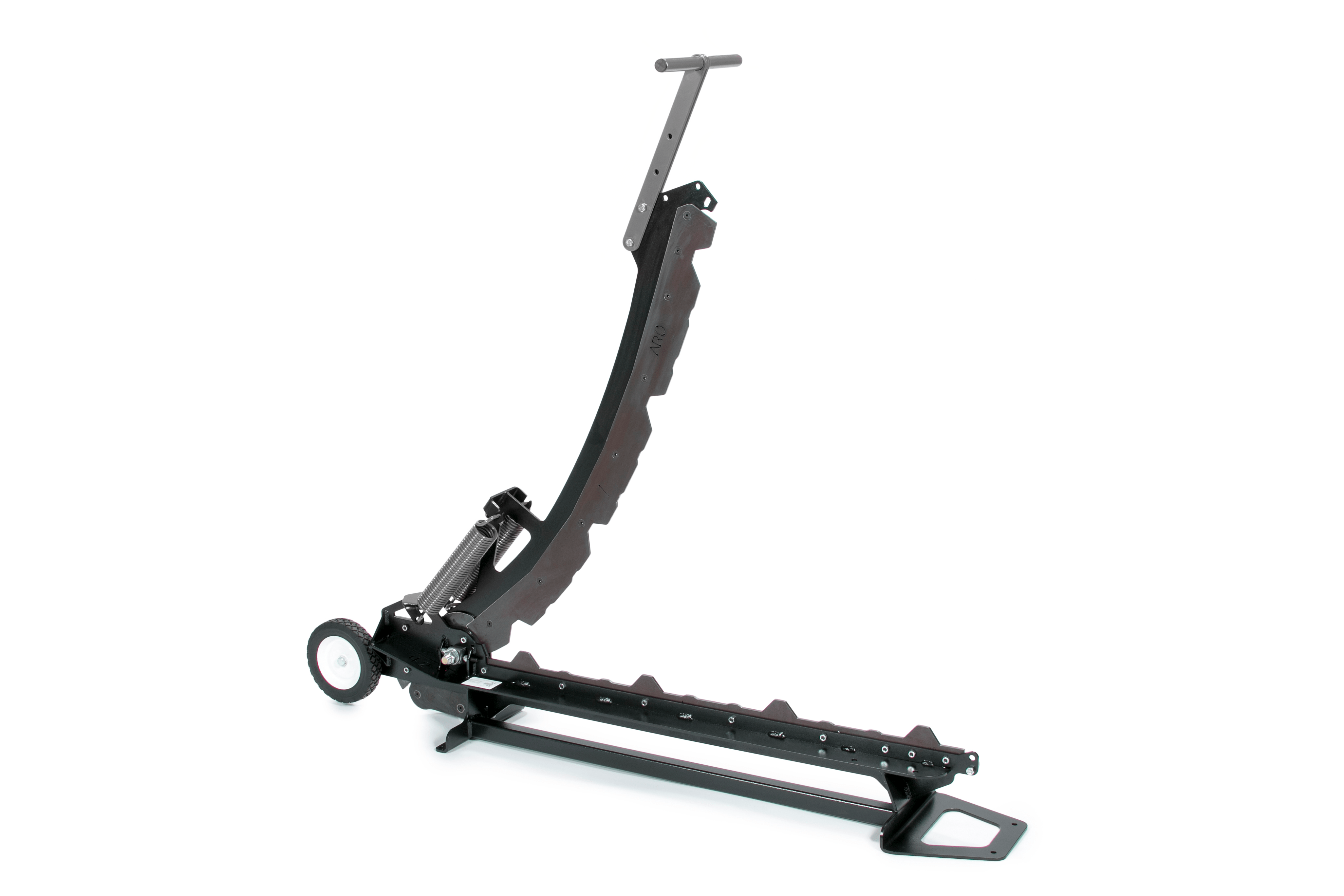
Edge Finishing, Touch-Up, and Corrosion Control
Cut edges need care. This protects the coating and stops rust stains.
- Deburr both sides. A few light passes are better than heavy grinding.
- Clean the edge with a solvent wipe. Remove oil and chips.
- For steel, spot prime the bare edge with a zinc-rich primer. Let it dry.
- Add manufacturer touch-up paint. Use a small brush. Do not overpaint the panel face.
- In harsh zones or coastal areas, seal hidden edges under trim with a thin bead of sealant.
Edge care is a key part of how to cut metal siding that lasts.
Common Mistakes and How to Avoid Them
- Using an angle grinder for every cut. It overheats edges and risks the finish. Prefer cold-cut tools.
- Cutting without full support. Panels chatter and scratch. Use sawhorses and clamps.
- Ignoring kerf. Measure to the waste side. Keep lines true.
- Rushing the start of a cut. This causes paint chips. Start slow and steady.
- Skipping cleanup. Metal chips stain and rust. Sweep and magnet the site.
- Forgetting touch-up. Prime and paint exposed steel right away.
Avoid these errors and you will master how to cut metal siding with a clean look.

Cleanup, Disposal, and Sustainability
Cutting makes sharp chips and offcuts. A clean site is safer and greener.
- Use a magnetic sweeper on the ground and scaffolds.
- Bag small chips. Recycle offcuts with a metal recycler.
- Keep chips off roofs and gutters. They can rust-stain coatings.
- Store cut panels flat with spacers to protect the paint.
A tidy wrap-up is part of how to cut metal siding the right way.
Frequently Asked Questions of how to cut metal siding
What is the best blade to cut metal siding with a circular saw?
A carbide-tipped cold-cut blade with a negative hook angle is best. It runs cool, cuts clean, and makes fewer burrs.
Can I cut metal siding without power tools?
Yes. Use aviation snips for small trims and notches. For longer straight cuts, use electric shears or a nibbler if available.
Should I cut metal siding face up or face down?
Test on a scrap. Choose the side so the blade exits the hidden face to reduce chipping. Cold-cut blades often work well face up, but confirm with your panel.
How do I stop paint from chipping on cuts?
Use painter’s tape along the cut line and support the panel well. Start the cut slow and use cold-cut methods when possible.
Is an angle grinder okay for cutting metal siding?
Use it only when other tools cannot reach. It makes heat and sparks, so deburr and touch up the edge right away.
What TPI blade should I use in a jigsaw?
Use an 18–24 TPI bi-metal blade for steel siding. Cut slow and support the panel to prevent chatter.
What is the cleanest way to cut across ribs?
Use a nibbler or double-cut shears. They handle profiles well and protect the finish.
Do I need to paint the cut edges?
For steel panels, yes. Prime with zinc-rich primer and apply touch-up paint to protect from corrosion.
Can I cut panels after they are installed?
It is safer and cleaner to cut before install. If you must trim in place, use shears or snips and protect nearby surfaces.
How to cut metal siding for window openings?
Drill pilot holes at the corners, then connect the cuts with a jigsaw or nibbler. File edges and apply touch-up paint.
Conclusion
Clean cuts start with a plan, the right tool, and safe habits. Measure well, support your panel, use cold-cut methods, and finish the edge with care. Those steps are the core of how to cut metal siding with pro-level results.
Pick one job today and apply this guide. You will cut faster, cleaner, and with less rework. Want more tips like this? Subscribe for updates or share your questions in the comments.