
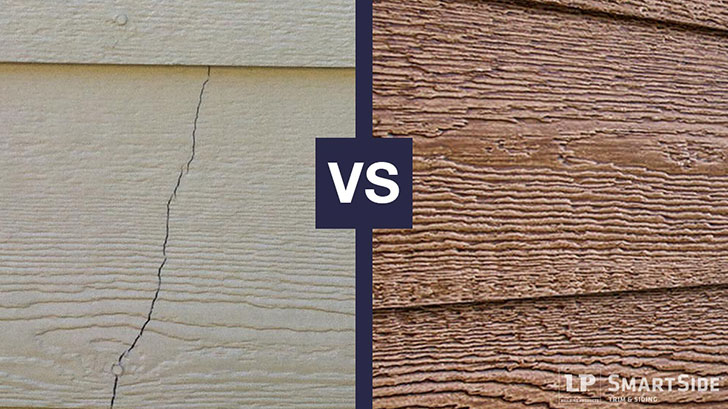
Cement siding vs wood siding: cement offers greater durability and lower maintenance for most homeowners.
As a siding and exterior materials writer with years of hands-on experience, I’ve seen homes transform with both cement siding and wood siding. This article compares cement siding vs wood siding across durability, cost, appearance, installation, and environmental impact. You’ll get clear pros and cons, real-world trade-offs, and practical tips to choose the right option for your home and budget. Read on for a thorough, friendly guide backed by field experience and industry best practices.

Quick comparison: cement siding vs wood siding
Cement siding (often fiber cement) and wood siding both create attractive exteriors. Cement siding resists rot, fire, and insects better than wood. Wood siding gives warm, natural beauty and can increase curb appeal when maintained. Use this quick side-by-side view to orient your decision.
- Durability: Cement siding resists moisture, rot, and termites; wood siding is vulnerable without treatment.
- Maintenance: Cement requires occasional painting; wood needs regular painting or staining and inspections.
- Cost: Cement siding typically costs more upfront than basic wood, but lifecycle expenses can be lower.
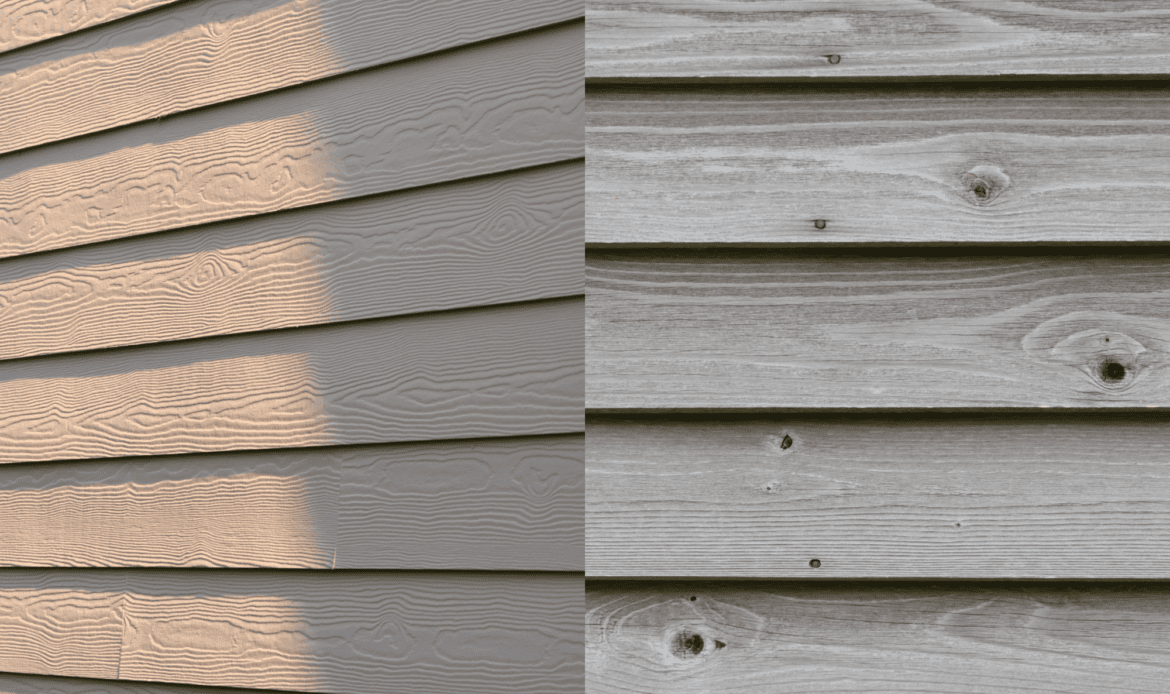
- Appearance: Wood offers authentic grain and texture; cement replicates many wood styles and textures.
- Lifespan: Cement siding often lasts 30–50 years; properly maintained wood can last 20–40 years.

Durability, maintenance, and longevity
Cement siding vs wood siding differs most on resilience. Cement siding is made from cement, sand, and cellulose fibers. It resists fire, insects, and moisture better than standard wood. Wood siding, including cedar or redwood, looks beautiful but needs care. Left untreated, wood can rot, warp, or attract pests.
Common maintenance tasks for cement siding:
- Clean with a hose and mild detergent every 1–3 years.
- Repaint every 10–15 years depending on finish.
- Inspect caulking and trim annually.
Common maintenance tasks for wood siding:
- Inspect and touch up paint or stain every 3–7 years.
- Replace damaged boards quickly to avoid rot.
- Treat for insects and maintain good ventilation to limit moisture.
My experience: I replaced old cedar clapboard with fiber cement on a rainy-climate house. The initial scrape-and-paint work dropped from once every 4 years to nearly every 12 years. That saved time and hassle, though I missed the wood smell and texture.
Common questions (PAA-style)
Which siding lasts longer: cement or wood?
Fiber cement siding generally lasts longer because it resists rot and pests, often reaching 30–50 years with proper care. Wood can last 20–40 years but needs more frequent maintenance.
Does cement siding need painting?
Yes, cement siding typically needs repainting every 10–15 years depending on the paint and exposure. It holds paint well, so it can stay attractive longer between coats.
Is wood siding more prone to pests?
Yes, untreated wood siding is more susceptible to termites and carpenter ants. Proper seals, treatments, and inspections reduce the risk.
Cost, installation, and lifecycle value
When weighing cement siding vs wood siding, cost is central. Upfront material costs generally show:
- Cement siding: moderate to high material cost; higher installation labor due to weight and cutting needs.
- Wood siding: wide cost range—softwoods are cheaper, while cedar and redwood cost more; installation is often faster and less specialized.
Consider lifecycle costs:
- Cement siding can save money over time due to less frequent painting and repair.
- Wood siding may cost less initially but require consistent maintenance and periodic board replacement.
Installation notes:
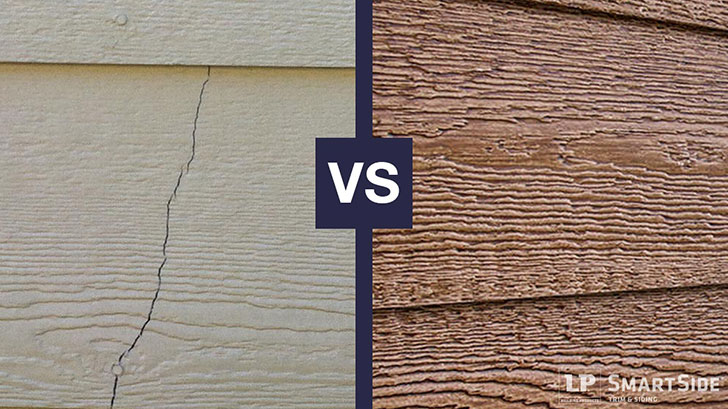
- Fiber cement is heavier and needs special tools and experienced installers to avoid cracking.
- Wood is lighter but requires precise flashing and moisture control to prevent decay.
Practical tip: Get at least three bids that list all labor and finish details. Ask installers about warranties and expected maintenance costs over 10–20 years. In my projects, the best value came from balancing product warranty and installer reputation more than lowest bid.

Aesthetics, customization, and curb appeal
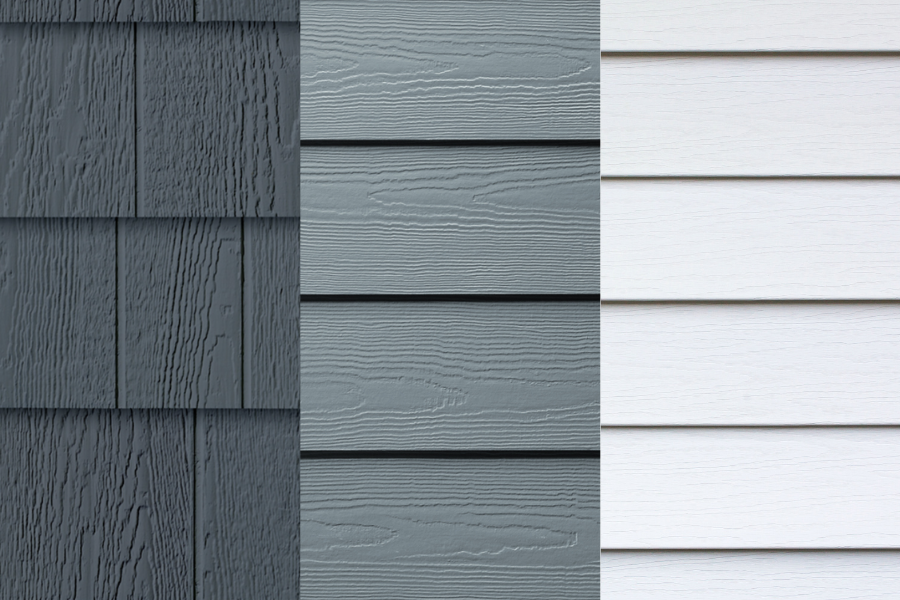
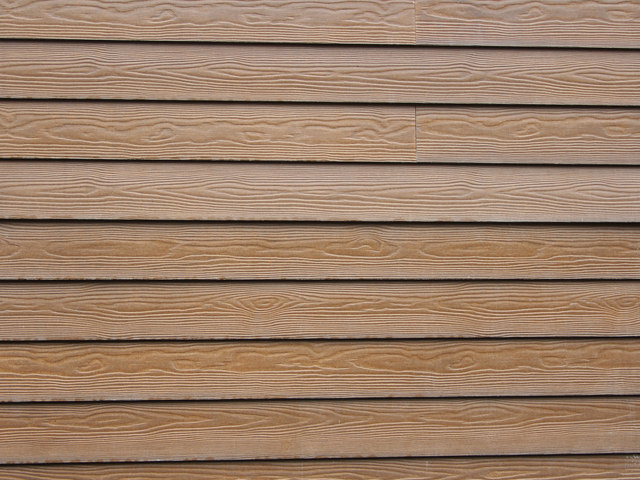
Both cement siding vs wood siding offer strong curb appeal, but the feel differs. Wood gives authentic grain, depth, and a classic look that buyers often love. Cement siding now mimics wood grain, shingles, and smooth panels convincingly, with consistent color and texture.
Design options:
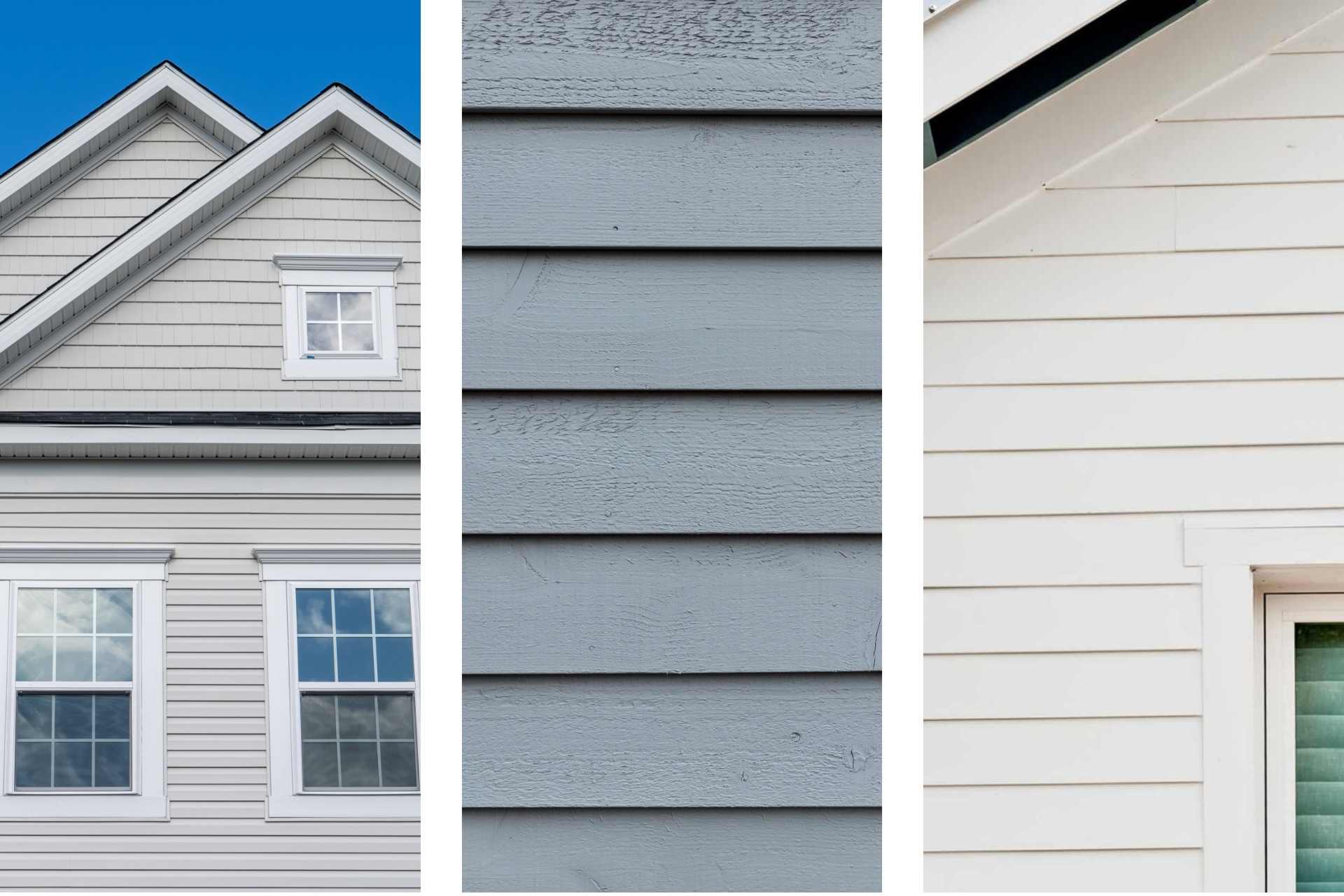
- Wood siding styles include clapboard, shingles, board-and-batten, and shiplap.
- Cement siding matches these styles and offers extra options like molded trim and integrated trim boards.
Color and finish:
- Wood absorbs stain and paint differently. Natural wood tones require less paint but more stain maintenance.
- Cement accepts paint well and stays true for many years under high-quality coatings.
Personal note: On a historic home renovation, the owner chose wood for authenticity. On a neighboring bungalow, the owner picked fiber cement to keep a wood look with less upkeep. Both homes looked great; the long-term maintenance plans decided the material.
Environmental impact and sustainability
Environmental factors matter when choosing between cement siding vs wood siding. Each has trade-offs.
Cement siding environmental points:
- Made from cement, sand, and cellulose fibers; production has a carbon footprint due to cement manufacturing.
- Long lifespan can reduce resource use over time.
- Some brands offer recycled content and low-VOC coatings.
Wood siding environmental points:
- Renewable resource when sourced from certified sustainable forestry.
- Lower embodied energy in processing compared with cement.
- Requires more maintenance, which may mean more frequent paint and chemical use.
If sustainability is key, look for certified wood or fiber cement products with transparent supply chains. Also consider life-cycle analysis: a durable siding that avoids repeated replacement can be more eco-friendly despite higher initial manufacturing emissions.
Which is right for your home? Decision checklist
Use this checklist to decide between cement siding vs wood siding. Check the points that match your needs.
- You want low maintenance and high durability: lean toward cement siding.
- You value natural wood grain and historic authenticity: choose wood siding.
- You live in a wet, termite-prone, or fire-risk area: prefer cement siding for safety and durability.
- You have a strict budget up front and are willing to do ongoing maintenance: wood siding can fit.
- You want many color and texture options with predictable long-term performance: consider cement siding.
- You plan to sell in the near term and want strong curb appeal: both can work; wood may boost charm, cement reduces buyer concerns about maintenance.
Practical action: Make a short pros-and-cons list for your home. Include climate, local contractor skill, homeowner time for maintenance, and long-term resale plans.
Frequently Asked Questions of cement siding vs wood siding
Is cement siding more fire resistant than wood?
Cement siding is significantly more fire resistant than wood because it is made from mineral-based materials that do not ignite easily. This makes it a safer choice in fire-prone regions.
How often does wood siding need painting or staining?
Wood siding typically needs repainting or restaining every 3–7 years, depending on the finish, exposure, and climate. Regular touch-ups keep wood protected from moisture and UV damage.
Can cement siding mimic the look of real wood?
Yes, modern cement siding is designed to mimic wood grain, shingles, and lap siding very closely. Professional installation and proper paint selection help achieve an authentic look.
Which siding is better for resale value?
Both can boost resale value when installed and maintained properly; wood can add charm, while cement can appeal to buyers seeking lower future maintenance costs. Local market preferences influence which performs better.
Is one type easier to repair after damage?
Small repairs to wood siding, like replacing a board, are often easier for a DIYer. Cement siding repairs usually require specialized cutting and skilled installers to avoid cracking.
Conclusion
Choosing between cement siding vs wood siding comes down to priorities: durability and low maintenance favor cement, while authentic beauty and traditional appeal favor wood. Consider climate, budget, long-term plans, and how much time you’ll invest in upkeep. My practical tip: weigh lifecycle costs, get trusted contractor quotes, and view real installations near you before deciding. If you found this helpful, subscribe for more home exterior guides or leave a comment with your siding project details.