
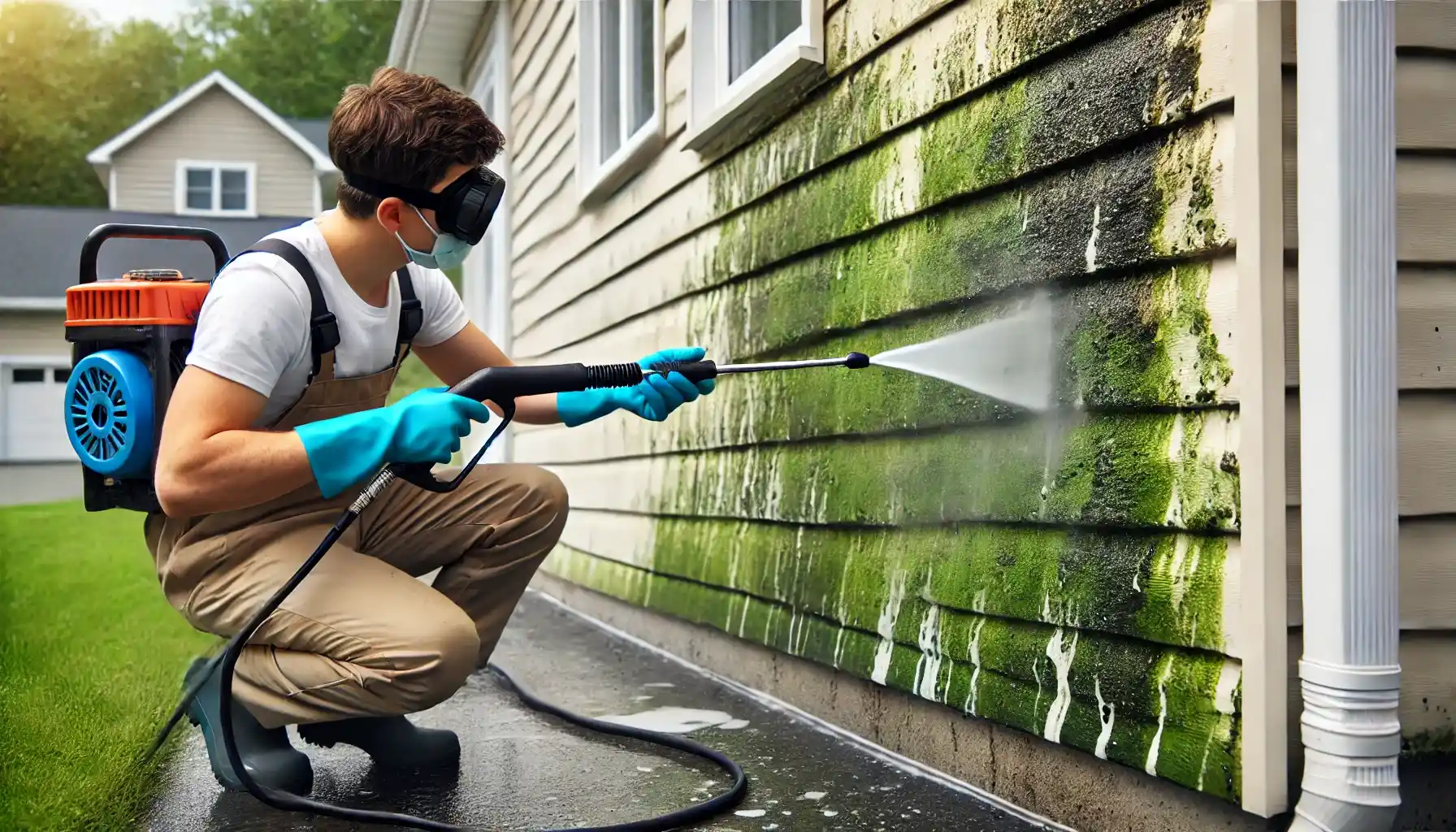
Clean siding mold with a mild detergent or oxygen bleach, scrub gently, then rinse and dry fully.
I’ve cleaned siding on dozens of homes. In this guide I explain how to clean mold off siding step by step. You will get safe methods for vinyl, wood, fiber cement, and brick. I share tools, mixes, and tips I learned from hands-on experience. Read on to remove mold, protect your home, and stop it from coming back.
Why mold grows on siding
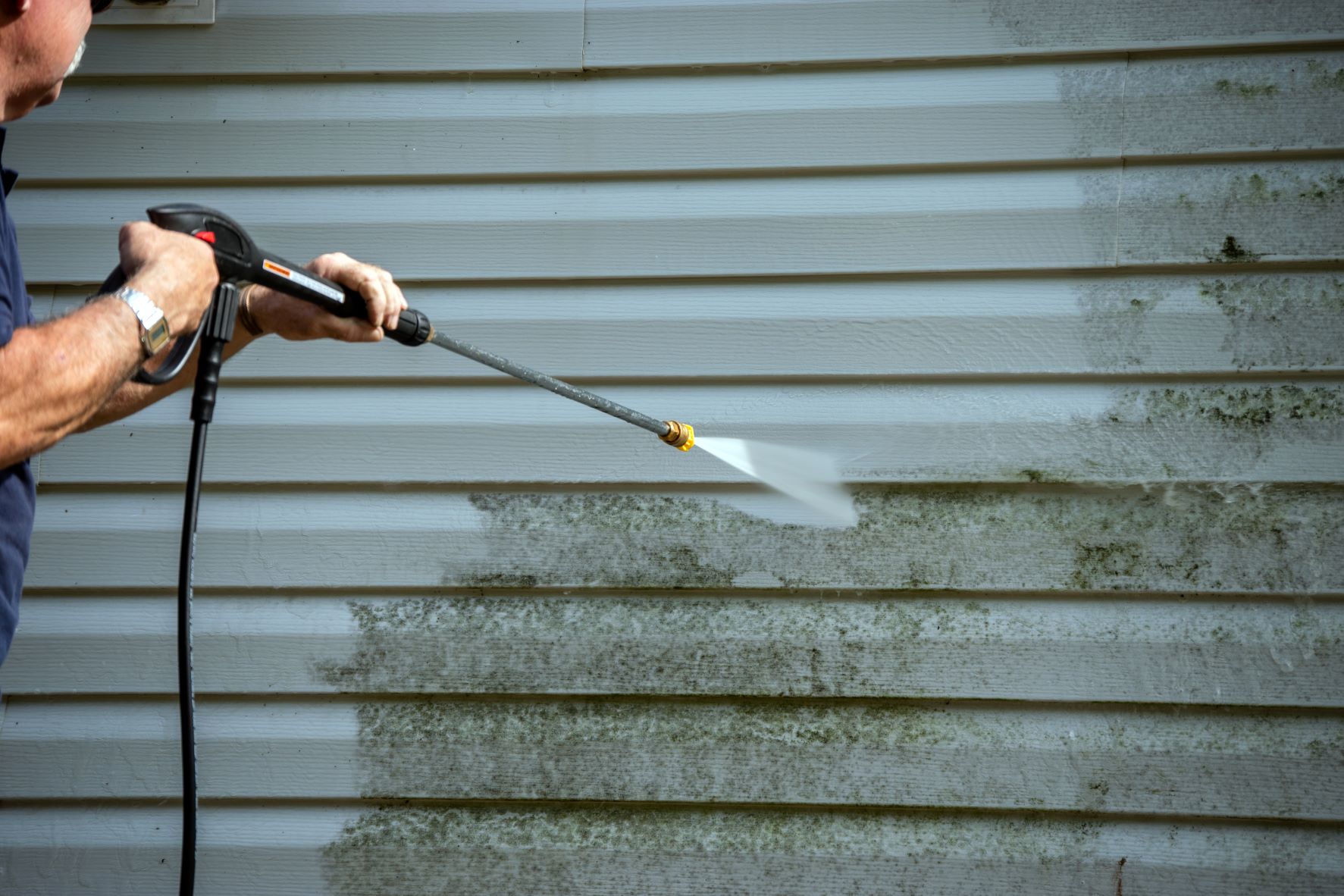
Mold loves damp, shaded places. Siding near trees, gutters, or north-facing walls stays moist. This keeps mold and mildew thriving. Age, trapped dirt, and poor ventilation make it worse. Knowing these causes helps you pick the best cleaning method.
Know your siding material before you start
Different siding needs different care. Vinyl resists bleach but can warp with high heat. Wood needs gentler cleaners to avoid stripping finish. Fiber cement is tough and handles stronger cleaners. Brick and stucco might need soft bristle brushes. Match the cleaner to your siding to avoid damage.

Safety gear and prep steps
Protect yourself and your home. Wear gloves, goggles, and an N95 or better mask. Cover plants and electrical outlets with plastic. Test a small patch first. This keeps you safe and stops surprises when you clean.
Step-by-step: How to clean mold off siding
Follow these steps in order. Work from bottom to top on tall walls. Rinse well at each stage.
-
Inspect and remove loose debris.
- Look for heavy mold, paint problems, or rot.
- Use a soft broom to sweep away dust and cobwebs.
-
Mix a cleaning solution.
- For general mold, mix a mild detergent with water in a bucket.
- For tougher stains, use oxygen bleach (sodium percarbonate) per label directions.
- For stubborn areas, a diluted bleach solution (1 cup bleach to 1 gallon water) can work on hard, nonporous siding.
-
Apply cleaner and let it sit briefly.
- Use a spray bottle or pump sprayer.
- Let the solution sit 5 to 15 minutes. Don’t let bleach dry on wood.
-
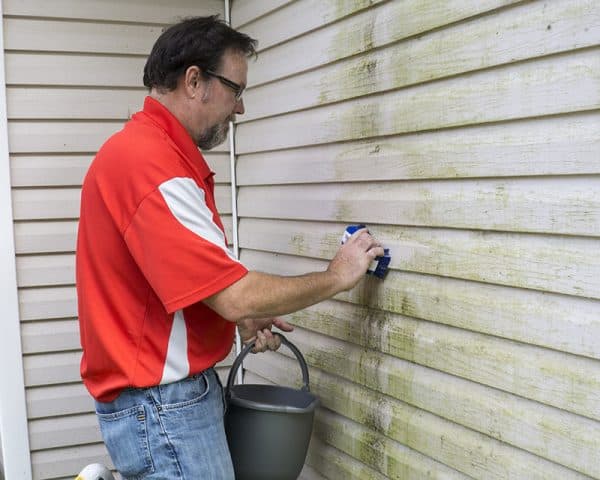
Scrub gently.
- Use a soft-bristle brush for vinyl and a medium brush for brick.
- Scrub in small sections to avoid streaks or damage.
-
Rinse thoroughly.
- Rinse with a hose or low-pressure washer.
- Make sure all cleaner is rinsed off to prevent residue.
-
Dry and inspect.
- Let siding dry in sun if possible.
- Check for missed spots and repeat cleaning if needed.
-
Treat problem areas.
- Replace any rotten trim or caulk that hides mold.
- Paint or seal wood if the finish was removed during cleaning.

Cleaning solutions and recipes
Use cleaners that work and are safe for your siding.
-
Mild detergent and water
- Best for light mold on most surfaces. Gentle and eco-friendly.
-
Oxygen bleach (sodium percarbonate)
- Effective and safer for plants. Good for vinyl and painted wood.
-
Diluted chlorine bleach
- Use only on nonporous siding. Good for heavy mold on vinyl or brick.
- Mix 1 cup household bleach with 1 gallon water.
-
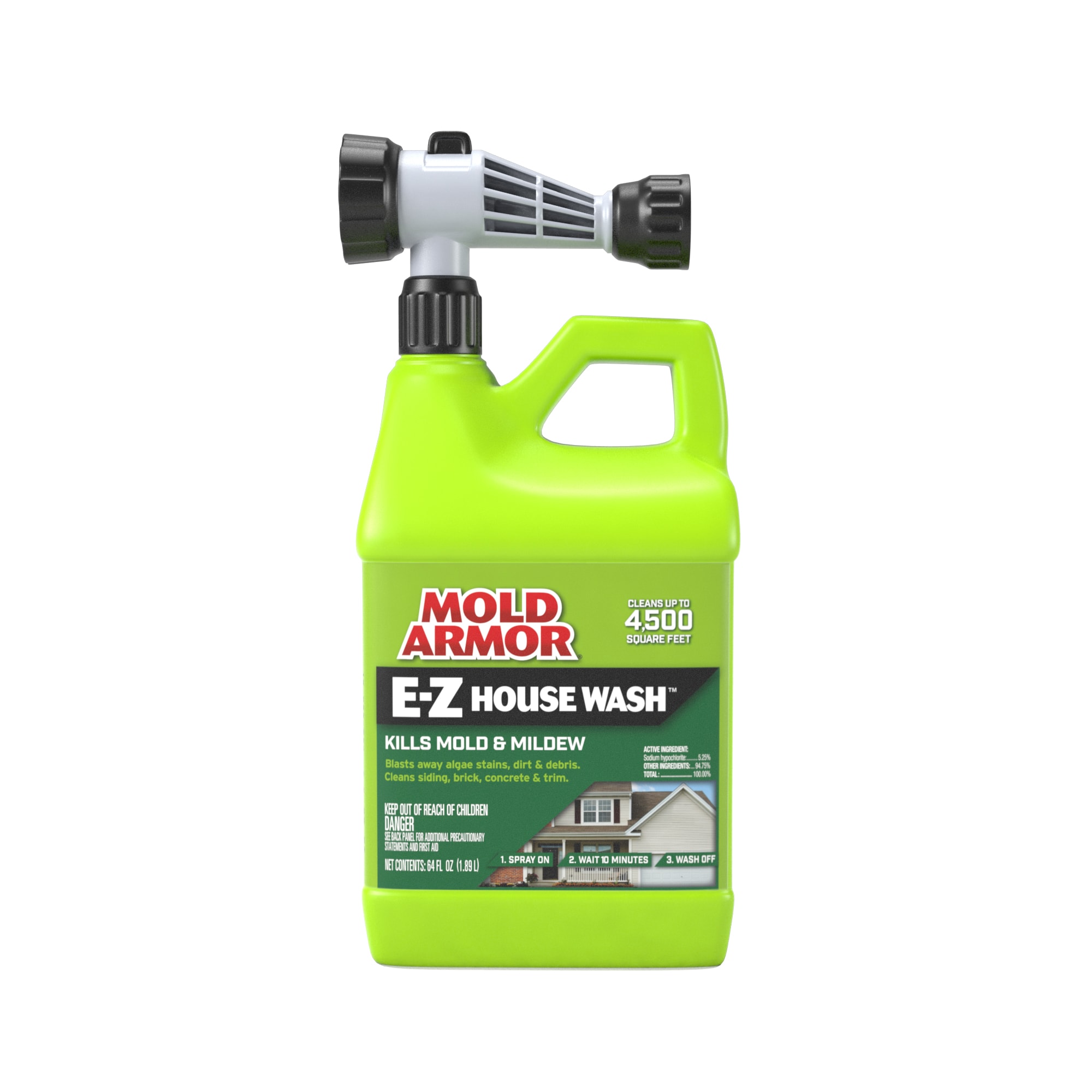
Commercial siding cleaners
- Many are formulated for siding and include surfactants and brighteners.
- Follow label directions for safe use.
Always follow product labels and rinse plants and grass after use. Test cleaners on a small area first.

Pressure washing: pros, cons, and best practices
Pressure washers work, but they can harm siding.
High pressure can force water under siding and cause rot.
Use low pressure and a wide fan tip for safety.
Keep the nozzle at least 2 feet from the siding.
If unsure, hire a pro to avoid costly damage.

Preventing mold from coming back
Prevention is as important as cleaning. Simple steps reduce mold growth.
- Trim trees and shrubs so siding gets sun and airflow.
- Clean gutters to stop water overflow near walls.
- Re-seal or repaint wood siding to protect it from moisture.
- Remove leaves and debris from the house base regularly.
- Inspect annually and clean small patches right away.
These habits cut mold risk and extend siding life.

When to call a professional
Call a pro if mold covers large areas or if you see structural rot.
Professionals can test for hidden mold and offer safe remediation.
Hire licensed contractors with good reviews and proof of insurance.
Large infestations or repeated mold may require specialist treatment.

Tools, time, and cost estimates
Typical tools you will need:
- Soft- and medium-bristle brushes
- Garden hose or low-pressure washer
- Bucket, spray bottle, or pump sprayer
- Gloves, goggles, and mask
Time and cost:
- Small job: 1–3 hours and materials under $50.
- Medium job: half day and $50–$150.
- Large job or pro hire: several hundred dollars, depending on size and severity.
Budget for replacement trim or paint if cleaning removes old finishes.
Personal experience and tips I learned on the job
I once cleaned vinyl siding shaded by big oaks. I used oxygen bleach and a soft brush. It removed deep stains without harming paint. I learned to always protect plants and rinse well. One mistake I made early on was using too much pressure. It forced water behind the siding and led to a small rot repair. Now I use low pressure and test first. These small changes save time and money.
Extra tips for specific siding types
Vinyl siding
- Use mild cleaners and oxygen bleach. Avoid high heat and strong solvents.
Wood siding
- Be gentle. Avoid concentrated bleach and scrub lightly to protect the finish.
Fiber cement
- Sturdy surface. You can use stronger cleaners. Rinse well.
Brick and stone
- Use a soft brush and oxygen bleach. Avoid aggressive pressure washing.
PAA-style quick questions
What is the safest cleaner for siding?
- A mild detergent or oxygen bleach is safest for most siding types.
Can I use household bleach on all siding?
- Do not use undiluted bleach on wood. Use diluted bleach only on hard, nonporous surfaces.
How often should I clean siding for mold?
- Inspect yearly and clean when you see stains. Twice a year is common in damp climates.
Is professional mold removal necessary?
- Only for large infestations, hidden mold, or structural damage. Small areas you can handle.
Will cleaning siding improve home value?
- Clean siding boosts curb appeal and helps protect your home, which supports value.
Frequently Asked Questions of how to clean mold off siding
How long does it take to clean mold off siding?
Small areas take one to three hours. Large jobs can take a full day or more. Time depends on mold severity and siding type.
Can I use a pressure washer to clean mold off siding?
Yes, but use low pressure and a wide fan tip. High pressure can push water behind siding and cause damage.
Is bleach required to remove siding mold?
No. Mild detergent or oxygen bleach often works well. Use chlorine bleach only for tough stains on nonporous surfaces.
Will mold come back after cleaning siding?
It can return if conditions remain damp. Improve drainage, trim plants, and clean gutters to reduce recurrence.
Is mold on siding harmful to health?
Surface mold can trigger allergies and respiratory irritation for some people. Use PPE when cleaning and avoid stirring up spores.
Conclusion
Mold on siding is common but fixable. Use the right cleaner for your siding, protect yourself, and follow safe steps. Small repairs and regular cleaning prevent repeat problems. Try the methods here on a small patch first, then tackle larger areas with care. If the job is too large, seek a licensed pro. Take action today to clean and protect your siding, and leave a comment or subscribe for more home-care guides.