
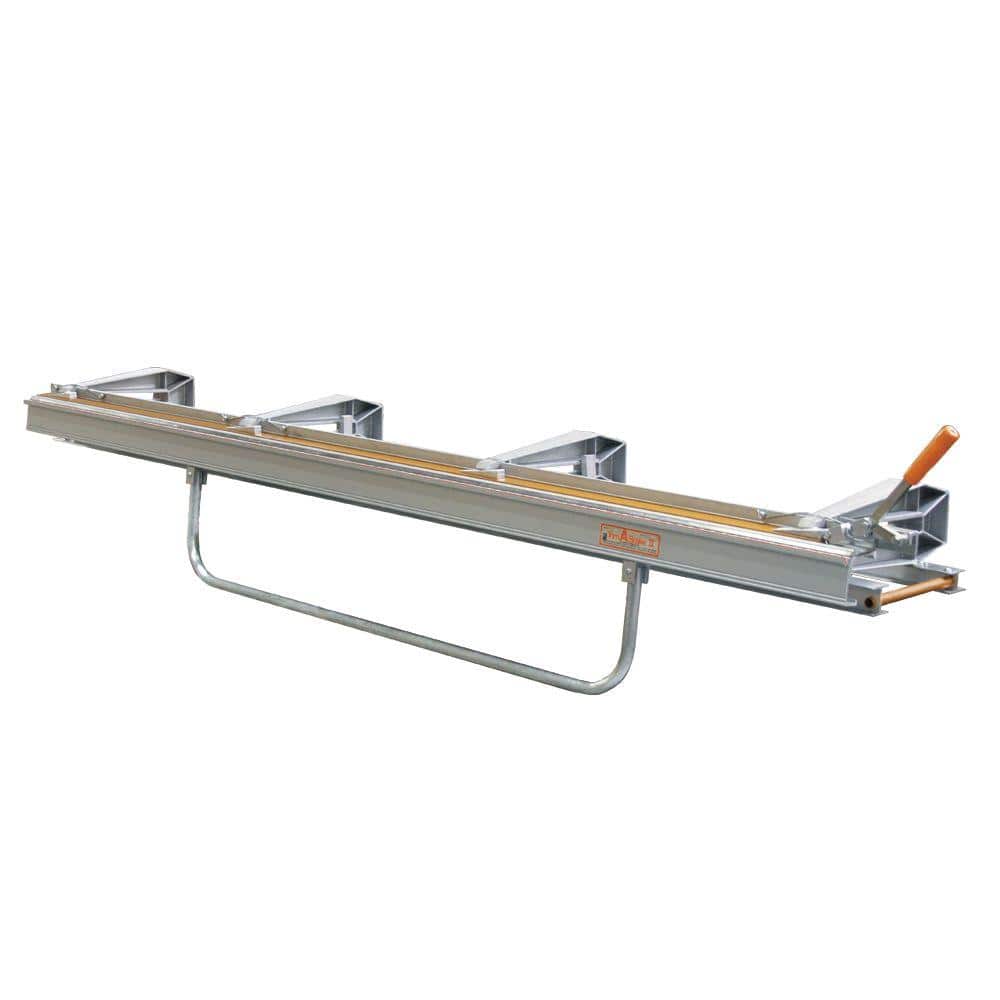
Use the brake by measuring, clamping the aluminum, setting the stop, and bending in one steady motion.
I have operated aluminum siding brakes for years and trained crews on safe, repeatable metal bending. This guide shows how to operate an aluminum siding brake with clear steps, tool checks, safety tips, and real-world advice. Read on to learn precise setup, how to avoid common mistakes, and ways to get clean, consistent bends every time.

Tools, materials, and safety checklist
Before you learn how to operate an aluminum siding brake, gather the right tools and safety gear. Proper setup cuts mistakes and keeps you safe.
- Personal protective equipment: safety glasses, leather gloves, hearing protection, and steel-toed shoes.
- Tools and materials: aluminum siding, tape measure, marker, straight edge, siding brake, clamps, and scrap lumber for supports.
- Work area: flat, level surface with clear room for long panels and waste.
- Safety checks: inspect the brake for bent jaws, loose bolts, and smooth hinge action. Verify clamps hold firm.
How to operate an aluminum siding brake starts with safety and good prep. A slow, steady routine reduces scrap and rework. Industry guides and hands-on training back this approach.

Understanding the siding brake and its parts
Know the parts before you bend. Familiarity saves time and prevents damage.
- Clamping bar: holds the sheet tight against the bed.
- Bending leaf: lifts to form the bend angle.
- Back gauge or stop: sets the bend location for repeatable work.
- Handle or foot pedal: actuates the bending leaf.
- Bed supports: keep the sheet flat and steady.
When you understand how to operate an aluminum siding brake, you can predict how the metal will move and where stress will show. That knowledge lowers error rates and creates cleaner bends.

What bend angles can I make with a siding brake?
Most manual siding brakes make simple bends up to 135 degrees. For steeper or complex bends, consider a box-and-pan brake.
Will aluminum spring back after bending?
Yes. Aluminum has springback. Account for about 2 to 5 degrees of springback by slightly overbending when you learn how to operate an aluminum siding brake.
Can I use the same brake for different aluminum thicknesses?
You can, but heavier gauges need more clamping force and slower motion. Adjust technique based on thickness when you operate an aluminum siding brake.
Step-by-step: how to operate an aluminum siding brake safely and accurately
Follow these steps for one-off bends or repeat cuts. Keep motions steady and measure twice.
- Measure and mark
- Measure the bend location and mark with a fine marker. Use a straight edge to score a light guide line.
- Set the back stop
- Adjust the back gauge or set a physical stop for consistent bend placement.
- Insert and align the panel
- Slide the aluminum into the bed. Align the mark under the clamp line.
- Clamp the sheet
- Lower the clamping bar slowly. Ensure the sheet is held without warping. Use additional clamps for long runs.
- Lift the bending leaf
- Raise the leaf with a steady, even motion. Pause if the metal resists. Smooth motion prevents kinks.
- Check the angle
- Lower the leaf and inspect the bend. Re-clamp and adjust the angle if needed. Account for springback.
- Finish and edge-trim
- Trim or fold edges as required. Use a file to remove any burrs.
Repeat these steps when you need multiple identical bends. Practicing the sequence helps you internalize how to operate an aluminum siding brake and reduces wasted panels.
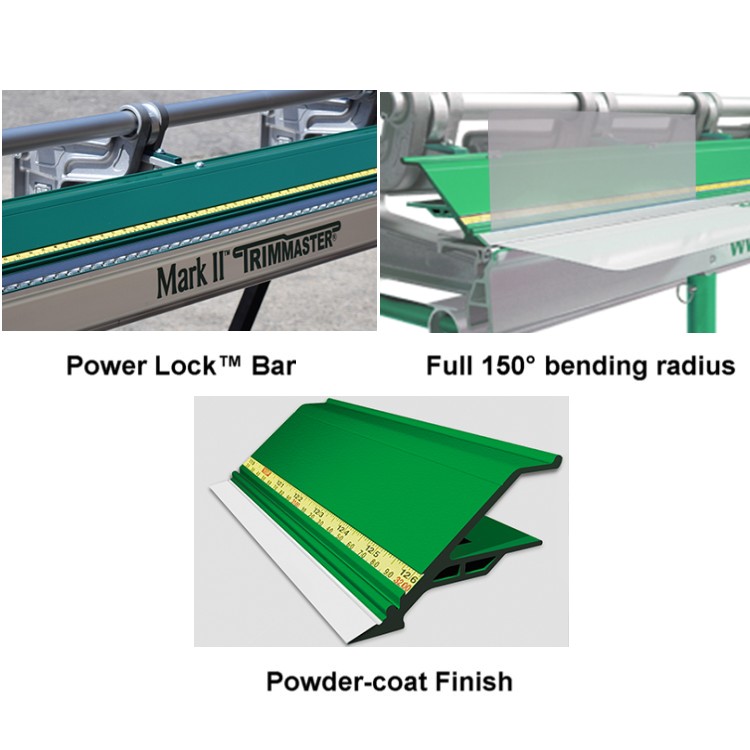
Common bends, tips, and tricks
Simple tricks improve results and speed. These help on job sites and in small shops.
- Score a faint line for long bends to guide alignment.
- Use a sacrificial strip of wood under the clamp to avoid marking the finish.
- Bend slowly for thicker aluminum to reduce cracking.
- For tight returns, make small successive bends rather than one large motion.
- For long panels, support both ends to prevent sagging and uneven bends.
Knowing how to operate an aluminum siding brake well means learning these small moves. They add up to faster, cleaner work.

Troubleshooting and maintenance
A well-kept brake lasts longer and makes better bends. Check the machine daily.
- Common problems and fixes:
- Uneven bends: check for warped bed or loose bolts and re-level supports.
- Slippage: tighten clamps and add sacrificial pad to increase friction.
- Cracks in aluminum: reduce bend radius or use annealed material.
- Routine maintenance:
- Lubricate hinges and pivot points monthly.
- Inspect clamp faces and replace worn pads.
- Tighten all fasteners and check alignment yearly.
If you struggle to get consistent results, review how to operate an aluminum siding brake step by step and adjust clamps, stops, and technique.

Personal experience and lessons learned
I taught apprentices and bent hundreds of panels over the years. A few lessons stuck.
- Measure twice and mark once. Simple marks prevent wasted panels.
- Slow and steady is better than force. Quick jerks cause kinks and marks.
- Use scrap pieces to test settings before cutting finished siding.
- Keep a notebook of settings for common panel widths and gauges. This saves time on repeat jobs.
When I first started, I tried to bend fast and paid for it with scrap. Once I learned how to operate an aluminum siding brake with patience and setup notes, my yield improved sharply.

Frequently Asked Questions of how to operate an aluminum siding brake
How thick of aluminum can a siding brake handle?
Most manual siding brakes handle light to medium aluminum, typically up to 0.032 to 0.048 inches. For thicker gauges, use a heavy-duty brake or a press brake.
How do I prevent marks on finished siding?
Use a sacrificial wood strip under the clamp bar or soft clamp pads. Keep clamps clean and avoid overtightening.
What is the correct bend allowance for aluminum siding?
Bend allowance varies by thickness and angle, but factor in 2 to 5 degrees for springback. Test on scrap for best results.
Can I bend curved shapes with a siding brake?
Siding brakes make straight bends only. For curves, use a roll former or hand tools designed for radius shaping.
How do I maintain the brake for long life?
Lubricate hinges, check bolts, replace worn clamp pads, and store the brake in a dry place. Regular checks prevent drift and misalignments.
Conclusion
Learning how to operate an aluminum siding brake gives you the skill to make clean, repeatable bends with less waste. Start with good prep, use steady motions, and test on scrap to dial in settings. Practice builds speed and confidence, and small maintenance habits keep your brake running true. Try a simple project this week, note your settings, and share results or questions to keep improving.