
Use hand tools, bending forms, and clamps to carefully bend aluminum siding without a brake.
I have bent aluminum siding without a brake many times for small jobs and repairs. This guide explains practical, safe methods for how to bend aluminum siding without a brake. I draw on years of hands-on experience, vendor recommendations, and best practices. Read on to learn tools, step-by-step methods, safety tips, and troubleshooting that will help you get clean bends without a press brake.

Tools and materials you need to bend aluminum siding without a brake
Work smart. Use the right tools to reduce damage and get accurate bends.
- Utility knife: Score the backside for tight bends.
- Straightedge or angle iron: Acts as a form for consistent bends.
- Clamps: Hold the siding firmly to the form.
- Hammer and dolly or rubber mallet: Shape and refine the bend.
- Pliers or locking pliers: For small, precise folds.
- Wood blocks or scrap plywood: Spread force and protect the finish.
- Safety gear: Gloves, eye protection, and a dust mask.
- Marker and tape measure: Mark bend lines clearly.
I always inspect the siding before work. Thin aluminum bends easily and dents easily. Using soft backing like wood prevents creases and paint damage. Industry guides back using padded forms to protect the finish and keep bends straight.
Step-by-step methods for how to bend aluminum siding without a brake
Below are reliable DIY methods. Choose one based on the bend length and the tools you have.
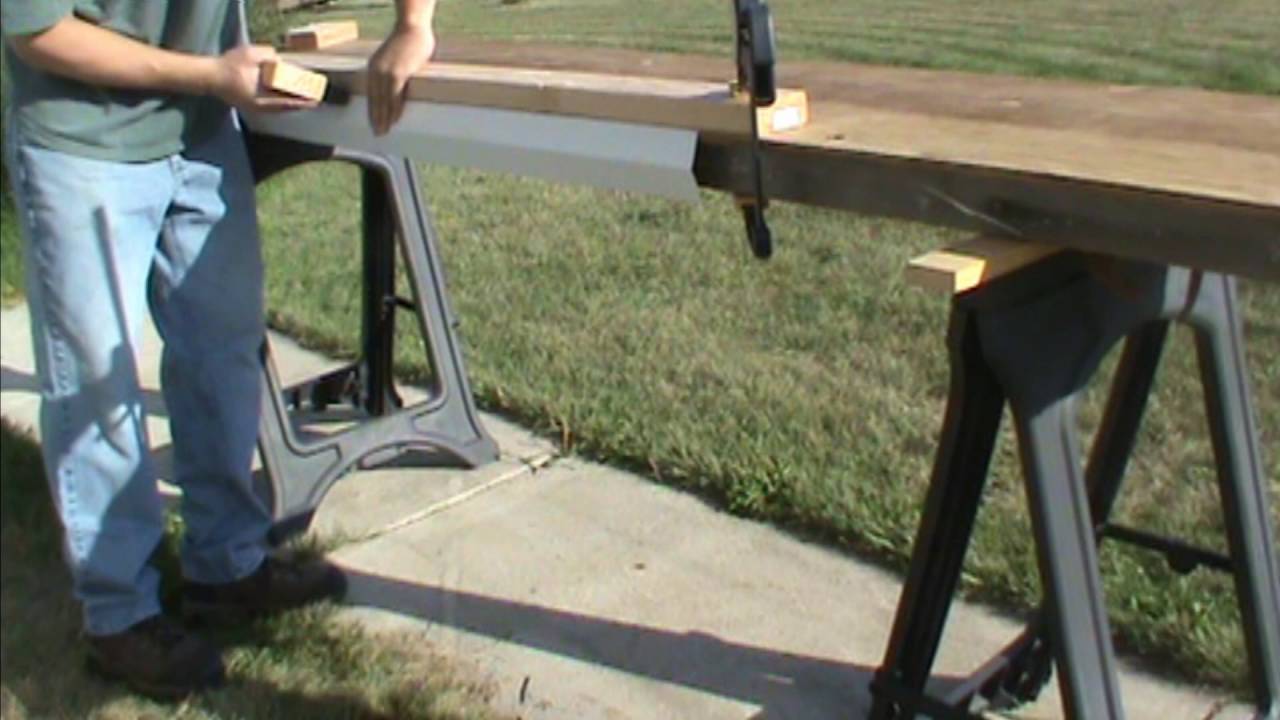
Method 1 — Bending over a rigid edge (best for long, shallow bends)
- Measure and mark the bend line.
- Place a straightedge or angle iron under the siding along the mark.
- Clamp the siding to the straightedge at intervals.
- Use a rubber mallet to tap the siding down along the edge. Tap from the center outward.
- Check the angle and rebend small sections as needed.
This method works well for gradual bends. It is fast. It gives a clean line if you clamp tightly.
Method 2 — Using a padded form and a hammer (best for short tighter bends)
- Cut a wooden form to the desired angle.
- Lay the siding on the form with a soft pad in between.
- Clamp the siding to the form securely.
- Tap down with a hammer or mallet using even strokes.
- Finish using pliers for small bends and the dolly to smooth the bend.
This method reduces surface dents. I use it for corners and trim details.
Method 3 — Score and fold for crisp edges (best for thin siding)
- Lightly score the back of the aluminum along the bend line.
- Use locking pliers on one side of the line.
- Gradually pull the siding up and fold over the edge.
- File or sand any burrs on the scored edge.
Scoring makes sharper angles possible. Avoid deep cuts. Deep scores weaken the panel.
Method 4 — Heat-assisted bending (use sparingly)
- Heat the bend area evenly with a heat gun. Keep distance to avoid paint damage.
- Place siding on a form and clamp.
- Bend gently as the metal warms.
- Allow slow cooling to reduce stress.
Heat can lower the force needed. Do not overheat painted siding. Heat may change the finish. Use this only when other methods do not work.

Safety tips and precautions when you bend aluminum siding without a brake
Safety keeps the job simple and fast. Follow these basic rules.
- Wear gloves to avoid sharp edges.
- Use eye protection to block flying bits.
- Clamp securely to stop slip and sudden movement.
- Protect the siding finish with wood or cloth between tools and metal.
- Avoid excessive force that can crease or crack paint.
Be frank about limits. Very tight or long bends often need a brake to avoid damage. If a bend fails, stop and reassess. My experience shows that small tests save large repairs.

Common mistakes and troubleshooting when bending aluminum siding without a brake
Know the pitfalls so you can fix them fast.
- Mistake: Bending without a form. Result: Uneven angle and waves. Fix: Use a straightedge and multiple clamps.
- Mistake: Using a metal hammer directly. Result: Dents and paint chips. Fix: Use a rubber mallet or wood block.
- Mistake: Scoring too deep. Result: Weak or cracked panels. Fix: Score lightly and test on a scrap piece.
- Mistake: Rushing the bend. Result: Creases. Fix: Bend slowly in stages and check progress.
If the siding tears or the paint cracks, stop. Replace damaged sections if possible. Small touch-ups can hide minor flaws, but structural damage often needs new material.

When to choose a brake versus bending without one
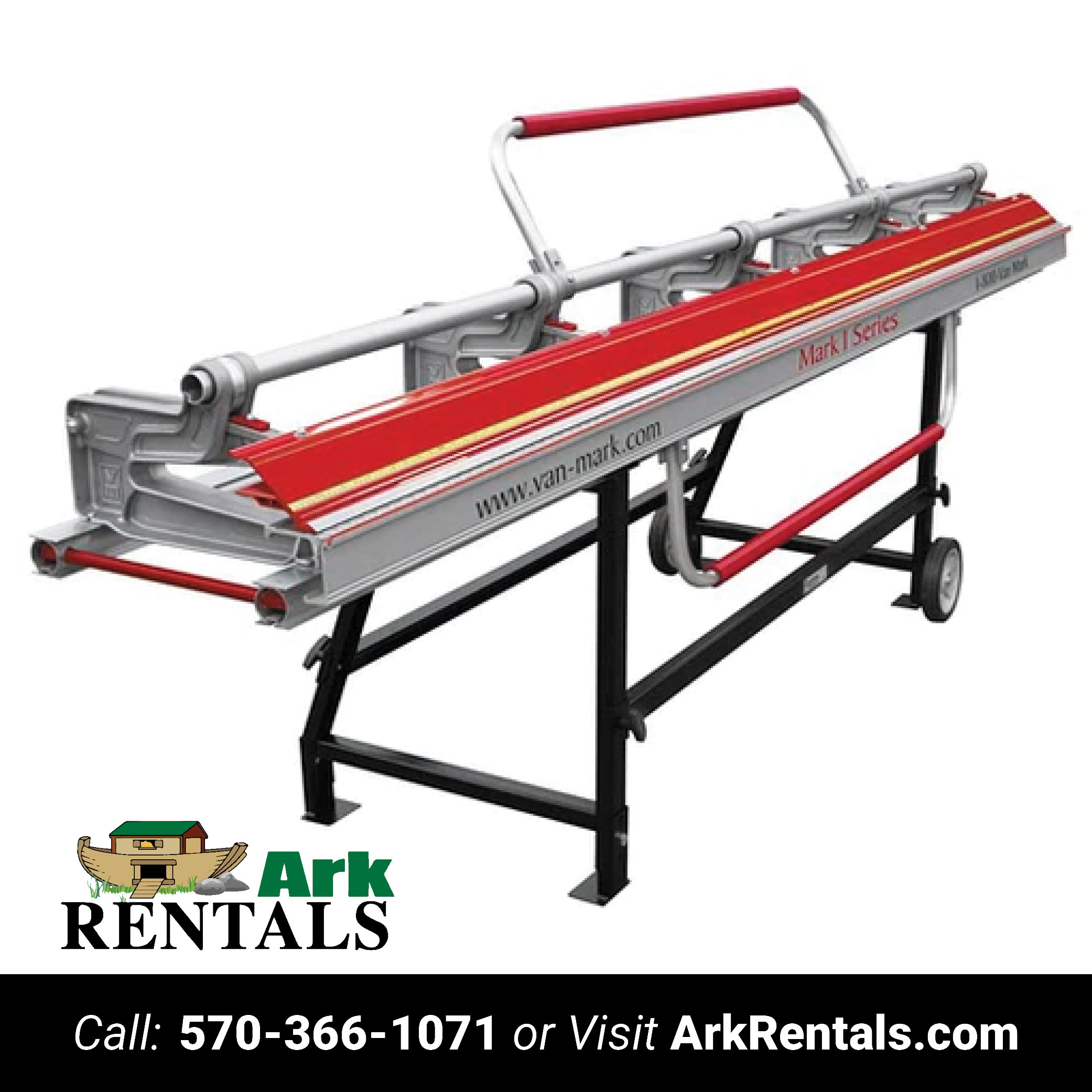
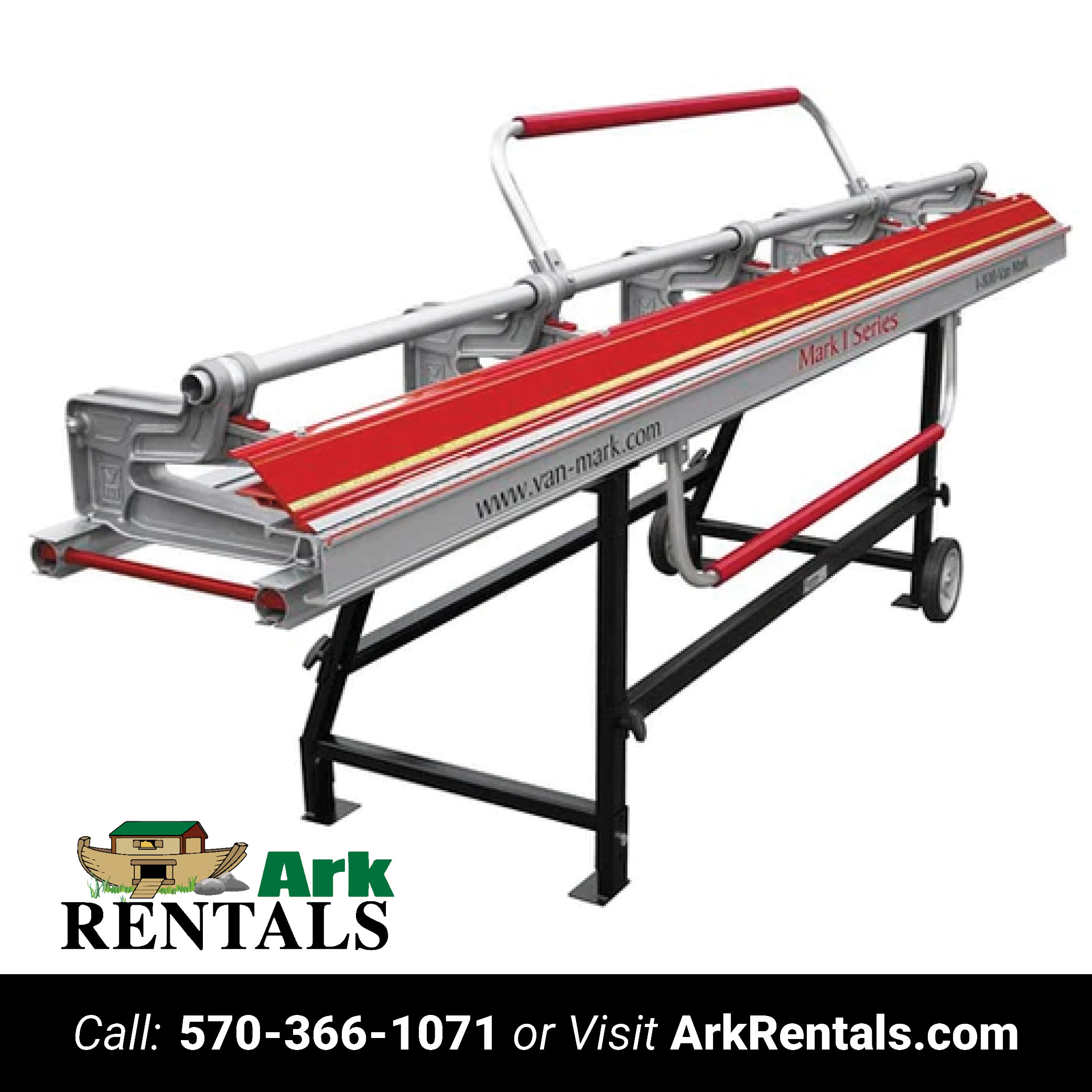
A brake is ideal for long, precise, and repeatable bends. Use a brake for factory-like results.
- Choose no-brake methods when the bend is short or the job is a repair.
- Use a brake when you need exact angles over long runs.
- Rent a brake for big jobs to save time and reduce waste.
- Use hand methods for quick fixes, trims, and one-off pieces.
From my jobs, a press brake saved hours for large panels. For quick patch work, bending without a brake kept costs low and work fast.

Quick PAA-style questions about how to bend aluminum siding without a brake
Can I bend aluminum siding by hand?
Yes. Thin siding can be bent by hand using pliers and a padded form. Clamp the siding and make small bends so the metal does not kink.
Will heating make bending aluminum easier?
Heating helps slightly but can harm paint. Use heat sparingly and avoid direct flame. Test on scrap first.
How tight a bend can I make without a brake?
Tighter bends increase the risk of cracking. Small, sharp bends are possible on thin siding. For sharp turns on thicker panels, use a brake.
Frequently Asked Questions of how to bend aluminum siding without a brake
How do I avoid creases when bending aluminum siding without a brake?
Clamp the siding firmly to a straight form and bend slowly. Use padding and tap gradually to shape the metal.
Can I use a vise to bend siding?
Yes. A vise can work for small pieces. Protect the finish with wood or cloth between the siding and vise jaws.
Is it safe to heat aluminum siding to bend it?
Limited heat is safe with care. Avoid overheating painted siding. Heat can soften paint and change finish color.
What tools give the cleanest hand bends?
A straightedge, clamps, rubber mallet, dolly, and locking pliers give clean bends. Use a padded form to protect the face.
When should I replace the siding instead of bending it?
Replace the siding if it splits, the paint fails badly, or the bend is too long for hand methods. Structural damage usually needs new panels.
Conclusion
You can bend aluminum siding without a brake for many small jobs. Use the right tools, work slowly, and protect the finish. Test methods on scrap, clamp well, and choose the least risky approach. If a project grows in size or needs perfect angles, rent a brake or hire a pro. Try one method on a small piece today, share your results, and subscribe or comment below to learn more and get help on your next siding task.