
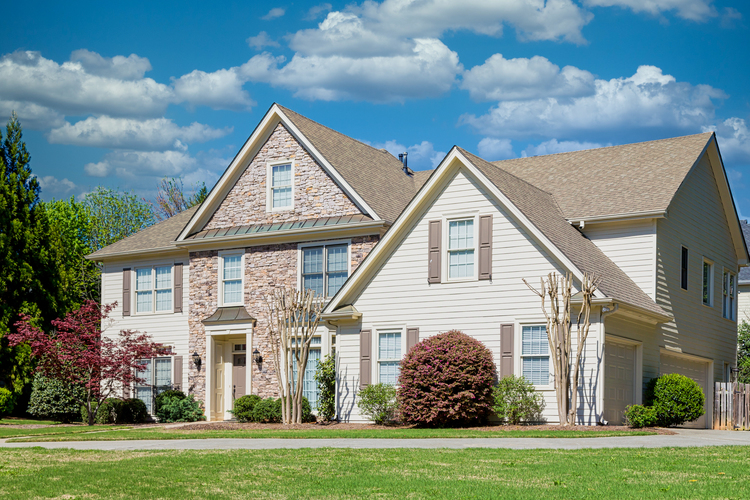
Polymer siding outperforms vinyl in strength and color stability but costs more.
If you are weighing polymer siding vs vinyl siding, you are already thinking smart about long-term value, curb appeal, and maintenance. I have guided hundreds of homeowners through this exact choice. In this guide, I break down how each material performs in real climates, how installation affects results, and where your dollars work harder. Stick with me, and you will walk away knowing exactly which option fits your home, budget, and style.
What Is Vinyl Siding? What Is Polymer Siding?
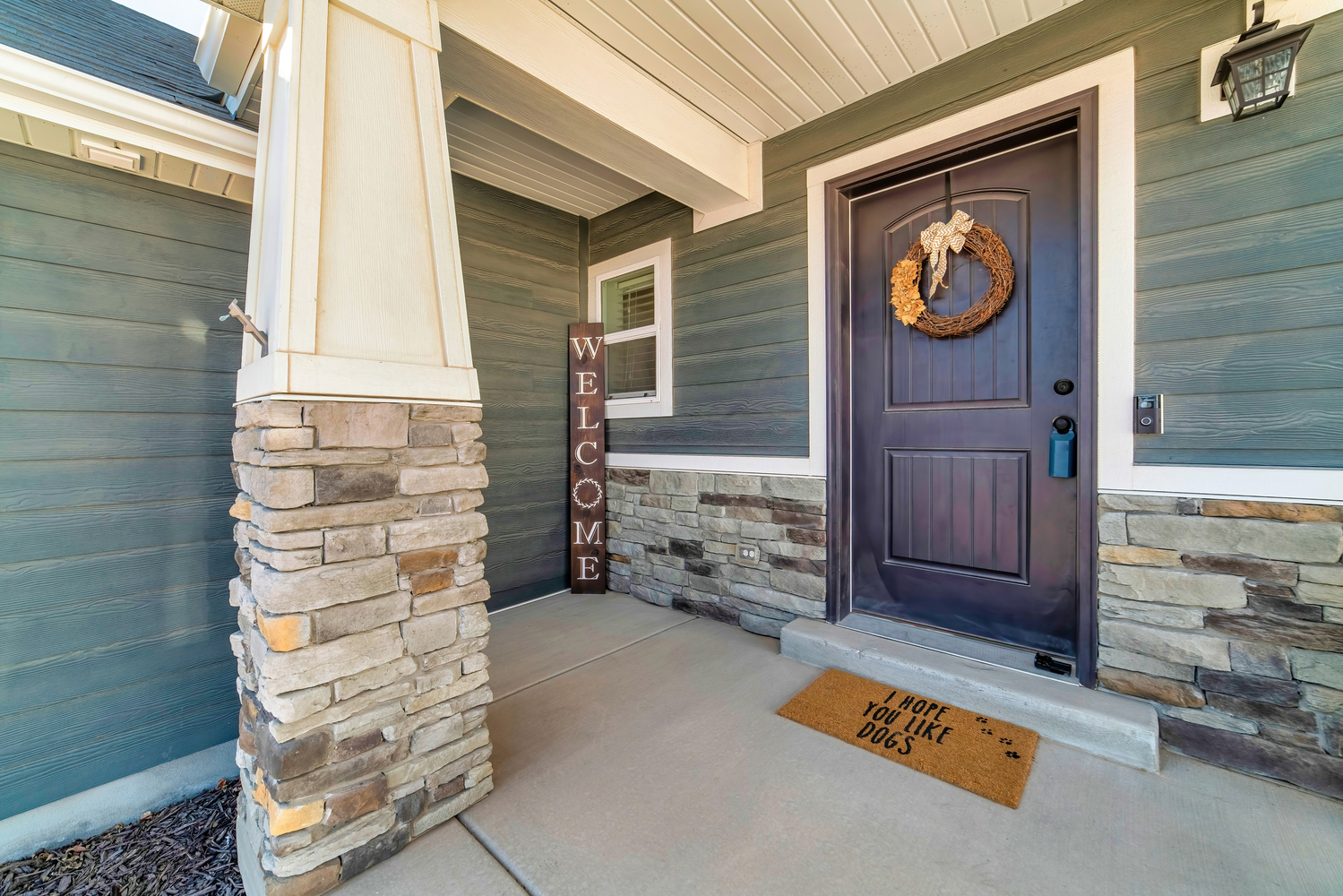
Vinyl siding is made from PVC. It is light, affordable, and common on many homes. It comes in long panels that lock together and float on the wall to handle movement.
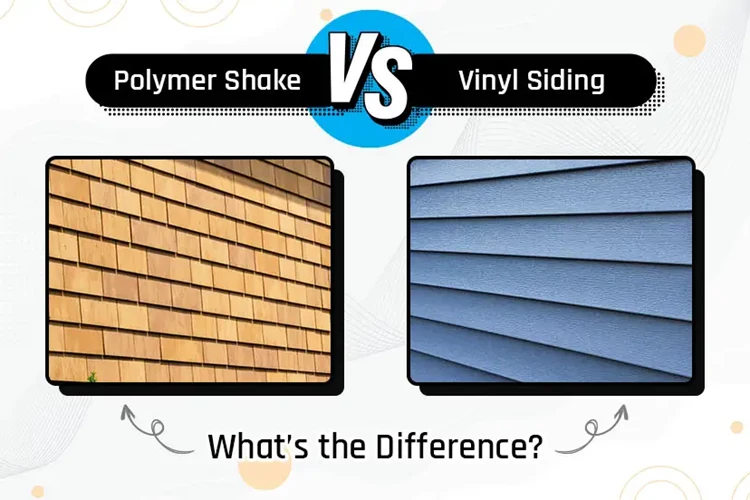
Polymer siding is usually polypropylene. It is thicker, molded for deep shadows, and built for higher impact strength. You often see it in shake and shingle styles that look close to real cedar.
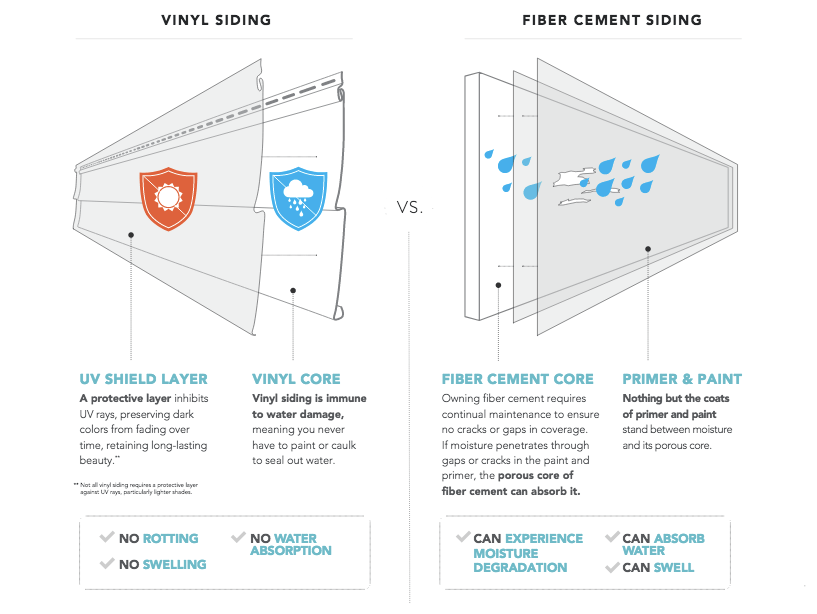
Both resist rot, termites, and most moisture problems. Both need proper housewrap and flashing to keep walls dry. The big split is cost, strength, and how real the finish looks.
Polymer Siding vs Vinyl Siding: Key Differences
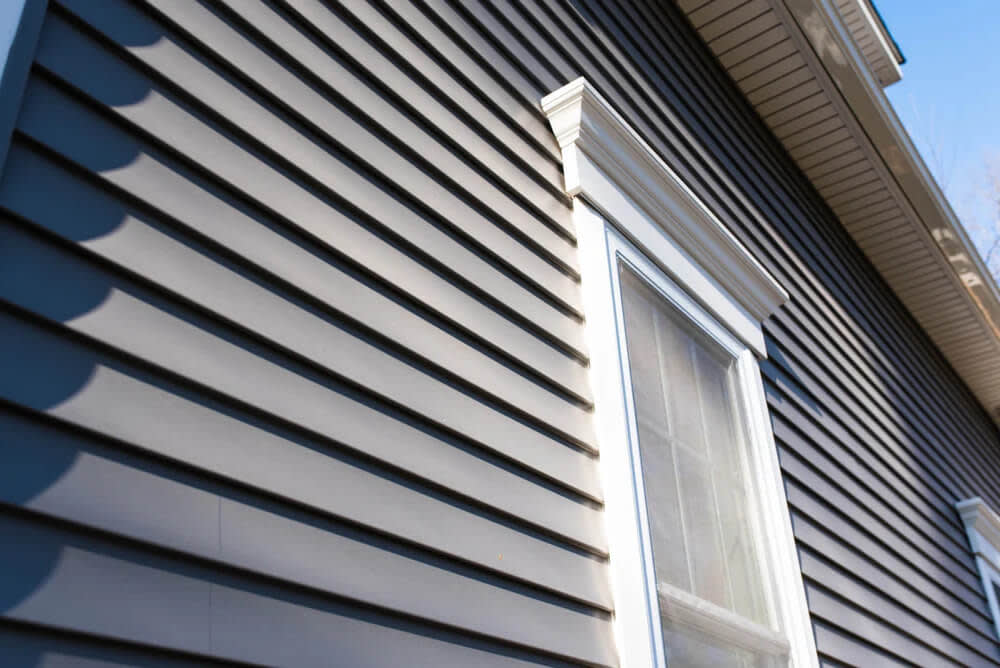
The polymer siding vs vinyl siding debate comes down to three pillars: material science, performance, and appearance. Here is the core breakdown.
-
Material and build
- Vinyl siding: PVC with a color layer or capstock. Flexible and light.
- Polymer siding: Polypropylene with thicker walls and deeper profiles. Stiffer and tougher.
-
Heat and color
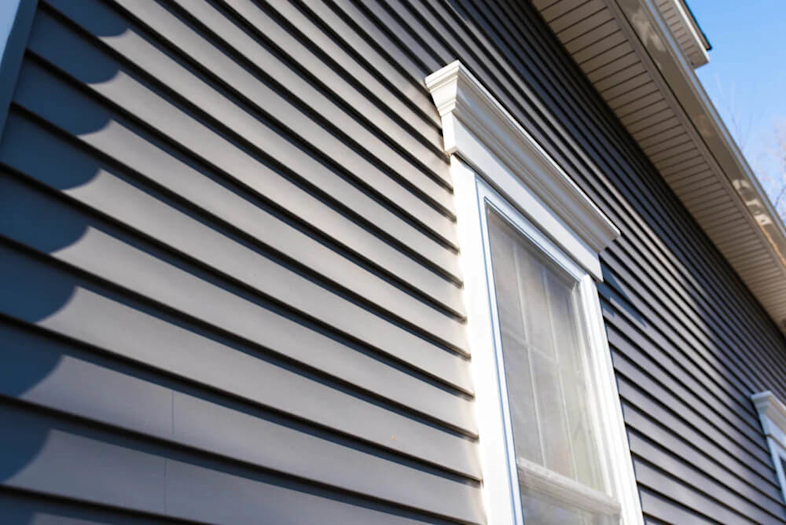
- Vinyl can soften and warp near high heat or very dark colors in full sun.
- Polymer handles heat better and holds darker hues with less risk of distortion.
-
Impact and cold
- Vinyl can get brittle in extreme cold and may crack on impact.
- Polymer stays tougher in cold and shrugs off hail and stray baseballs better.
-
Fire behavior
- Vinyl is chlorine-based and tends to self-extinguish but melts and deforms.
- Polymer may need added flame retardants; it can ignite faster but still meets code when installed to spec.
-
Standards and testing
- Vinyl siding commonly meets ASTM D3679 for profile and performance.
- Polymer siding often follows ASTM D7254 for polypropylene products.
- Wind ratings on both can exceed 150 mph when fastened per manufacturer instructions.
From my installs, polymer holds shape and color better on hot, south-facing walls. Vinyl is easier to stage and cut, which keeps labor time low. The choice often hinges on how you rank looks, heat exposure, and budget.
Cost, ROI, and Warranty
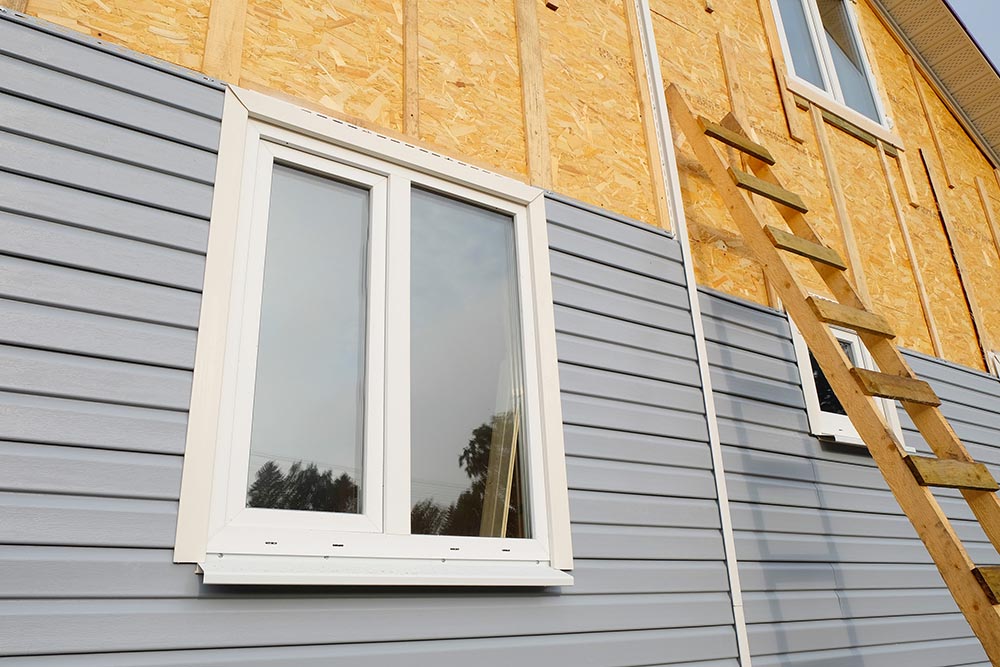
Price is the headline in polymer siding vs vinyl siding, but value is the story.
-
Typical installed cost ranges
- Vinyl siding: Often lower. Good for large surfaces and simple trim sets.
- Polymer siding: Higher, especially for premium shake and shingle profiles.
-
Return on investment
- Vinyl upgrades can lift curb appeal at a friendly price point.
- Polymer shakes on gables or full fronts can make a home look custom, which helps resale.
-
Warranty
- Both offer limited lifetime on residential installs.
- Polymer lines often include stronger fade coverage for dark colors.
- Read the fine print on heat distortion, coastal wind zones, and power washing limits.
Tip from the field: blend both. Use vinyl lap on sides and back. Use polymer shakes on the front or gables. You get high-end looks where it counts and save where it shows less.
Durability in Real Climates
Climate is the quiet tiebreaker in the polymer siding vs vinyl siding choice. I have seen the same product thrive in one zone and struggle in another.
-
Hot, sunny regions
- Dark vinyl can move or ripple on south and west walls.
- Polymer stays flatter and fades slower in many dark shades.
-
Cold and hail-prone areas
- Vinyl can chip in deep freezes and during hailstorms.
- Polymer has better impact resistance and holds up in winter.
-
Coastal and high-wind zones
- Both can achieve high wind ratings with the right fasteners and layout.
- Use stainless steel fasteners near saltwater and follow local code nailing patterns.
-
Wildfire risk
- No plastic siding is a fire shield. Keep grills, fire pits, and heat sources away.
- Ask your local building department about ignition-resistant requirements.
If you face extreme sun or deep cold, polymer is the safer bet. In milder climates or shaded lots, vinyl can deliver great results at lower cost.

Installation and Maintenance
How the siding is hung matters as much as what it is made of. The polymer siding vs vinyl siding gap widens when crews skip details.
-
Installation best practices
- Use a flat, solid substrate and a good WRB.
- Float the panels. Do not nail tight. Allow expansion gaps.
- Flash windows, doors, and transitions with care.
- For polymer shakes, follow the fastener schedule and stagger seams.
-
Common mistakes I see
- Nails driven tight, which causes waviness in heat.
- No starter strip level check, which throws off the whole wall.
- Skipping backer boards at inside corners, leading to gaps.
-
Maintenance tips
- Wash once or twice a year with mild soap and a soft brush.
- Avoid harsh chemicals. Keep pressure washer tips far from the wall.
- Trim back trees to reduce abrasion and mildew.
Do it right and both products stay quiet and straight. Rush the install and you will see ripples, noise, and loose locks.

Design and Curb Appeal
Looks drive many polymer siding vs vinyl siding decisions. Polymer wins on depth and realism. Vinyl wins on range and price.
-
Profiles and textures
- Vinyl: Lap, Dutch lap, board-and-batten, and a wide trim catalog.
- Polymer: Cedar-look shakes, hand-split, half-rounds, and thick shadow lines.
-
Color
- Vinyl offers many light and mid-tone colors. Dark shades need premium lines.
- Polymer is strong with bold, saturated hues that handle heat better.
-
Mixing materials
- Pair fiber cement or brick with polymer shakes for a custom facade.
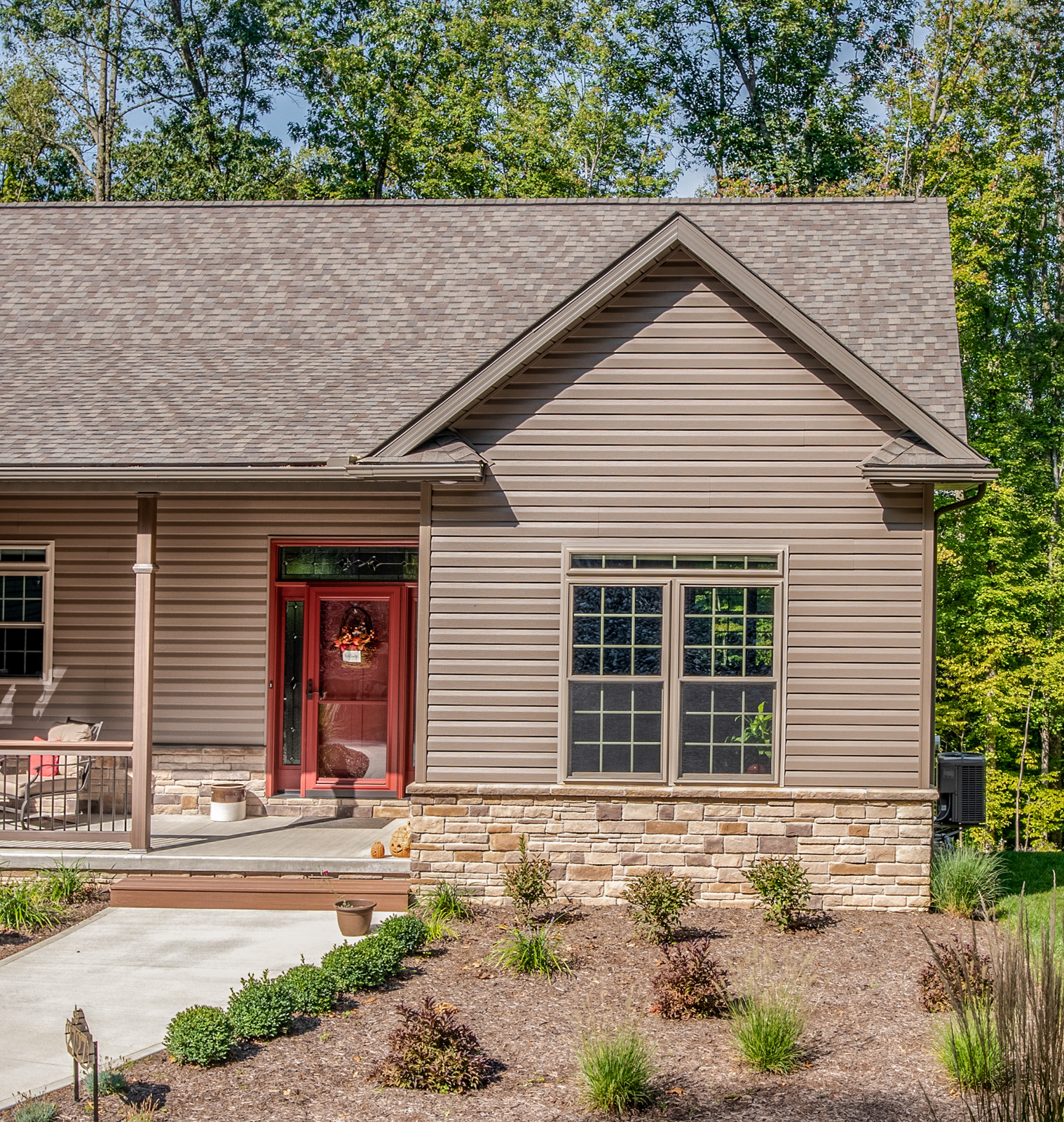
- Use vinyl lap with stone veneer accents for balance at a lower cost.
Think about sightlines. Invest in the front and highest-visibility walls. Keep patterns consistent across windows and doors to avoid a patchwork look.
Environmental Impact and Sustainability
Sustainability matters in polymer siding vs vinyl siding, and the picture is mixed.
-
Manufacturing and materials
- Vinyl (PVC) uses chlorine chemistry and can raise concerns during production and disposal.
- Polymer (polypropylene) is a polyolefin and is often easier to recycle in clean streams.
-
Lifespan and reuse
- Both last decades when installed well.
- Off-cuts and tear-offs can enter take-back programs in some regions.
-
Energy and comfort
- The siding itself has low insulation value.
- Add insulated sheathing or foam-backed panels if energy savings are a goal.
Check local recyclers and manufacturer programs before you buy. Planning ahead keeps materials out of landfills later.
How to Choose: A Simple Decision Guide
Use this quick filter when deciding on polymer siding vs vinyl siding.
-
Choose vinyl if
- You need the most cost-effective full-house refresh.
- Your home has light to mid-tone colors and moderate sun.
- You want easy sourcing and faster installs.
-
Choose polymer if
- You want deep wood-grain realism and bold, dark colors.
- Your site has intense sun, frequent hail, or harsh winters.
- You are upgrading the front elevation for resale pop.
-
Smart hybrid
- Vinyl lap on sides and back.
- Polymer shakes on gables and the front.
- One trim color to tie it all together.
From experience, this hybrid plan delivers top curb appeal and keeps budgets sane.
Common Mistakes to Avoid
The polymer siding vs vinyl siding choice is only half the battle. Avoid these traps.
- Picking dark colors without checking sun exposure and heat specs
- Nailing panels tight and skipping expansion room
- Ignoring starter level and water management at flashings
- Forgetting to budget for trim, vents, and accessories
- Not reading the warranty exclusions for grills and heat sources
Slow down, check the wall, and follow the book. You will thank yourself in July and January.
Frequently Asked Questions
Is polymer siding the same as vinyl siding?
No. Vinyl is PVC and tends to be lighter and cheaper. Polymer is polypropylene and is thicker, tougher, and more detailed.
Which lasts longer, polymer or vinyl?
Both can last decades with a good install. Polymer often holds shape and color better on hot, sunny walls.
Can I pressure wash vinyl or polymer siding?
Yes, but use low pressure and a wide tip. Keep the wand at least a foot away and avoid blasting into seams.
Does dark siding fade faster?
Darker colors absorb more heat and can fade faster on low-end lines. Premium polymer and high-grade vinyl with UV capstocks resist fading better.
Is insulated siding worth it?
If your walls lack exterior foam, insulated siding can help comfort and reduce noise. It is not a full insulation plan, but it adds a nice boost.
Will siding warp behind a grill or fire pit?
Heat can deform both vinyl and polymer. Keep grills and high heat at a safe distance per the manufacturer’s rules.
Can I mix vinyl lap with polymer shakes?
Yes, and it is a smart strategy. Use polymer for high-visibility accents and vinyl for large runs to control cost.
Conclusion
Polymer siding vs vinyl siding is a choice between premium strength and value-driven performance. Polymer shines in heat, impact, and high-end looks. Vinyl wins on cost, speed, and broad availability. Match the product to your climate, color plan, and budget, and you will get a clean, durable facade.
Ready to move forward? Walk around your home at noon and sunset, note sun exposure, pick two color schemes, and price a hybrid plan. If this helped, subscribe for more exterior guides or drop your questions in the comments.