Best Adhesive For Vinyl Siding: Top Picks & Tips 2026

HH-66 Vinyl Cement is the most reliable adhesive for vinyl siding repairs.
Picture this: a gusty storm rattles your home and leaves a small crack in a vinyl panel or a loose corner where two pieces meet. You want a fix that sticks, stays flexible, and doesn’t let water sneak in. That’s where picking the best adhesive for vinyl siding matters. The right product bonds fast, resists rain and temperature swings, and won’t get brittle. I’ve used dozens over the years, and a few stand out for strength, ease, and real-world results. Below, I break down the top options, who they suit best, and simple tips to help your repair last.

1
TOP PICK

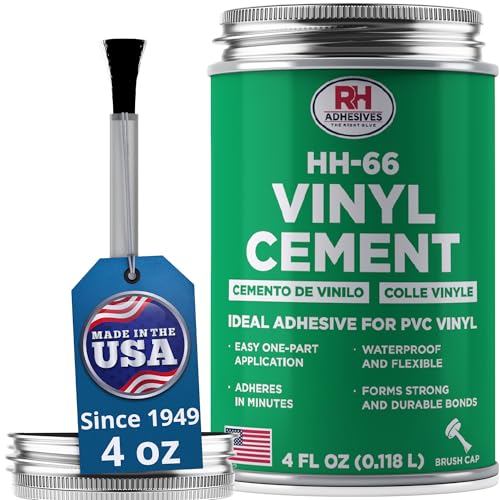
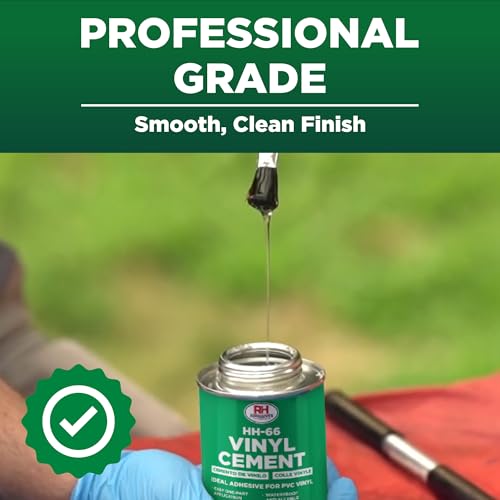
HH-66 Vinyl Cement 4 oz…

INDUSTRIAL-STRENGTH VINYL ADHESIVE FOR TOUGH CONDITIONS: HH-66 is the original, professional grade vinyl adhesive. It bonds in temperatures from 35 °F to 95 °F (2 °C to 35 °C) and…

VinylAdhesive,
Check Price on Amazon
2
BEST QUALITY

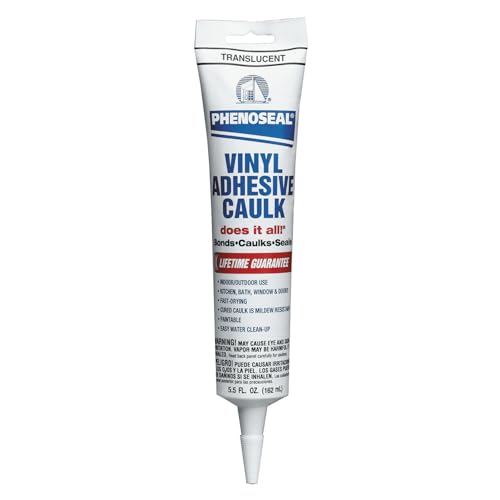
Phenoseal Does It All Vinyl…

Phenoseal Does It All Vinyl Adhesive Caulk is an all purpose adhesive caulk that can be used for exterior and interior applications Vinyl adhesive caulk provides a weatherproof seal that…

AdhesiveCaulk,
Check Price on Amazon
3
RECOMMENDED

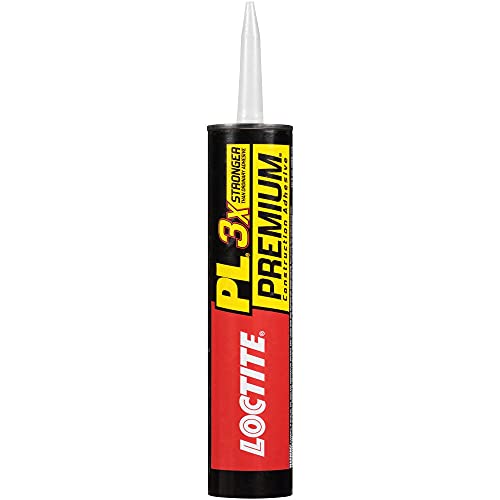
Loctite PL Premium Polyurethane Construction…

All Purpose: One component polyurethane-based adhesive that covers a wide variety of projects and bonds to most materials for consistently successful results 3X Stronger: 3 times as strong as ordinary…

Adhesive,Cartridge,
Check Price on Amazon

HH-66 Vinyl Cement, 4 oz – Industrial Vinyl Glue

HH-66 is the pro’s pick for bonding vinyl to vinyl and PVC. It is a solvent-based contact cement that softens the surface, then fuses it as it cures. That makes patches on vinyl siding strong and flexible. It also holds up to rain, sun, and freeze-thaw cycles when you apply it right.

Set time is quick, so you can move fast on small repairs. Full cure usually lands in 24 hours. After that, the bond stays waterproof and flexible. I reach for this when I need the best adhesive for vinyl siding repairs that will not peel under stress.

Pros:

  • Creates a true vinyl-to-vinyl fusion bond
  • Fast initial grab with strong final cure
  • Waterproof and flexible after curing
  • Great for small cracks, corner seams, and patch pieces
  • Brush-in-lid makes application easy and neat
  • Reliable in hot, cold, and wet conditions

Cons:

  • Strong solvent odor; needs good ventilation
  • Short open time; you must work quickly
  • Not paintable; best to color-match your patch piece

My Recommendation

If you want the best adhesive for vinyl siding for small, precise fixes, pick HH-66. It shines on vinyl-to-vinyl bonds, like patching a crack with a scrap piece cut to fit. It also excels at sealing seams where water tries to sneak in. Just clean, dry, and lightly scuff for a sure hold.

Phenoseal Vinyl Adhesive Caulk, 5.5 oz – Translucent

Phenoseal is a do-it-all vinyl adhesive caulk that bonds, seals, and remains flexible. It is paintable when cured, so you can blend it with trim or siding accessories. Clean-up is simple with water, and the odor is low. This is handy for light-duty adhesion and sealing gaps that invite leaks.

It is not a heavy structural bond for big loads. But it sticks well to many building surfaces when you clean and dry them first. I like it for J-channel ends, small trim pieces, and sealing around mounting blocks. It can be part of a system with stronger adhesive where needed.

Pros:

  • Adhesive plus caulk in one tube
  • Paintable and low odor
  • Easy water clean-up
  • Flexible seal that resists cracking
  • Good for light-duty vinyl and trim adhesion
  • Translucent color blends into many jobs

Cons:

  • Not for high-stress or structural bonds
  • May need surface scuffing for glossy vinyl
  • Some shrinkage as it cures

My Recommendation

If your goal is to seal and lightly bond at once, this is a smart pick. It pairs well with the best adhesive for vinyl siding when you want a finished look. Use it for neat seams, small trim, and spots where you plan to paint after.

Best for Why
Vinyl-to-vinyl patch repairs Solvent weld creates a tough, flexible bond
Edge seams and small cracks Fast set helps lock pieces in place before shifting
All-weather exterior fixes Holds up to rain, heat, and freeze-thaw cycles

Loctite PL Premium Polyurethane, 10 oz

PL Premium is a heavy-duty polyurethane construction adhesive. It bonds wood, concrete, brick, metal, and many plastics. It is strong, gap-filling, and cures with moisture. For siding work, I use it to attach mounting blocks or furring to masonry or wood, not for vinyl-to-vinyl.

The cure is slow but the grip is serious. It holds up in wet and cold, and remains firm after cure. If you need to fasten a block for a light fixture or hose reel behind siding, this helps. Then you can set your finish trim with the best adhesive for vinyl siding or mechanical fasteners.

Pros:

  • Extreme strength on many building materials
  • Great for mounting blocks and backing pieces
  • Gap-filling formula for uneven surfaces
  • Moisture-curing and water resistant
  • Works in cold weather with proper prep
  • Long open time for bigger setups

Cons:

  • Not ideal for smooth vinyl-to-vinyl bonds
  • Can be messy; wear gloves and mask nearby areas
  • Longer full cure time

My Recommendation

Use PL Premium when your job needs a rugged hold behind the siding. It is perfect for blocks, brackets, and backing that other glues cannot grip. Then finish small vinyl seams with the best adhesive for vinyl siding for a pro-level system.

Best for Why
Sealing J-channels and trim gaps Adhesive caulk fills and bonds in one step
Paintable finish needs Accepts paint after cure for a clean look
Low-odor indoor prep work Water clean-up and mild smell reduce hassle

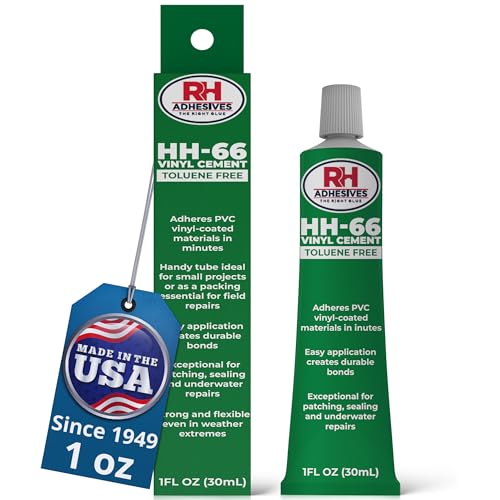
HH-66 Toluene-Free Vinyl Cement, 1 oz

This HH-66 variant drops toluene while keeping the core performance. It still creates that vinyl-to-vinyl fusion bond. The small 1 oz bottle is great for quick fixes and tight spots. You can carry it up a ladder with one hand.

Odor is reduced versus the classic formula, but you still need airflow. Set time is quick, and the cured bond stays flexible and waterproof. For small cracks and edge chips, this is a simple, safer pick. It has the punch you need without a big can.

Pros:

  • Lower odor, toluene-free formula
  • Strong vinyl-to-vinyl bond remains flexible
  • Great pocket size for quick repairs
  • Reliable in wet and cold after cure
  • Precise control reduces drips and waste

Cons:

  • Small volume; not ideal for larger patches
  • Still a solvent cement; use with ventilation
  • Short working time requires planning

My Recommendation

Pick this when you want a safer spin on the best adhesive for vinyl siding in a small bottle. It is perfect for touch-ups, ladder work, and crisp detail. If you only need to fix one or two small flaws, this saves cost and space.

Best for Why
Mounting blocks and backers High-strength bond to wood, masonry, and metal
Uneven or porous surfaces Gap-filling, moisture-curing formula
Outdoor installs in tough weather Durable, water resistant, long-lasting

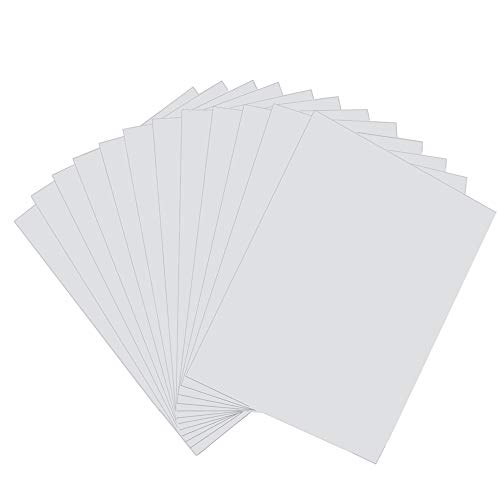
Guppyhill Vinyl Siding Repair Kit (12 Patches)

This kit gives you 12 self-adhesive vinyl patches for quick cover-ups. You peel, stick, and press. No mixing, no brushes, and no mess. For a busy homeowner, that is a win when time is short.

Color matching is the hard part. Patches are neutral and may not match every siding shade or texture. Prep is key: clean with alcohol, dry, and press hard. For a longer hold, you can add a thin bead of the best adhesive for vinyl siding under the edges.

Pros:

  • Fast peel-and-stick repair process
  • Includes 12 patches for multiple fixes
  • Cut-to-fit design for odd shapes
  • No tools or mixing required
  • Great for quick cosmetic cover-ups

Cons:

  • May not match color or grain
  • Adhesive edges can lift without good prep
  • Not a structural repair

My Recommendation

If you want a fast, simple patch that hides a flaw, this kit works. It is not a heavy-duty bond, but it looks neat from the curb. For a longer-lasting hold, back up the edges with the best adhesive for vinyl siding and press with a roller.

Best for Why
Small, quick vinyl patches Compact size, fast-set solvent bond
Lower-odor job needs Toluene-free formula reduces fumes
Ladder or overhead work Lightweight and easy to handle

FAQs Of best adhesive for vinyl siding

What is the best adhesive for vinyl siding?

For vinyl-to-vinyl repairs, HH-66 Vinyl Cement is my top pick. For mounting blocks or backing to masonry or wood, use Loctite PL Premium. For sealing and light bonding, Phenoseal vinyl adhesive caulk is great.

Can I glue vinyl siding to the wall instead of nailing?

No. Siding must hang and move with heat and cold. Building codes and manufacturer guides call for mechanical fasteners, not full-panel gluing.

How do I prep vinyl siding for adhesive?

Clean with isopropyl alcohol. Dry fully. Lightly scuff glossy spots with fine sandpaper. Test a small area first. Then apply the adhesive and press firmly.

Will construction adhesive stick to vinyl?

Some do, but not all. Polyurethane bonds many materials, but smooth vinyl-to-vinyl needs a solvent cement like HH-66 for a strong, flexible bond.

How long do these adhesives take to cure?

HH-66 sets in minutes and cures in 24–48 hours. PL Premium cures in 24 hours or more, faster with humidity. Phenoseal skins in 15–30 minutes and cures in 24 hours.

Final Verdict: Which Should You Buy?

For small vinyl-to-vinyl fixes, HH-66 is the best adhesive for vinyl siding. It bonds fast, seals tight, and stays flexible. If you want a lower-odor option, pick the toluene-free HH-66 in 1 oz.

Need to set mounting blocks or backers first? Use Loctite PL Premium. Want a neat, paintable seal with light bond? Go with Phenoseal. For quick cosmetic cover-ups, the Guppyhill kit is handy.

Expert Tips to Get a Lasting Bond

I want your repair to last through storms and seasons. So here are simple, proven steps that raise your odds. These are the small moves that make a big difference, no matter which product you pick.

  • Clean and dry: Wipe the area with isopropyl alcohol and let it dry.
  • Scuff glossy spots: Lightly sand with 220–320 grit to help grip.
  • Dry fit first: Set the patch or piece in place before you add glue.
  • Thin, even coat: With HH-66, brush a thin coat on both sides for a cleaner weld.
  • Firm pressure: Press and hold for 30–60 seconds. Clamp if you can.
  • Watch the weather: Aim for 60–85°F, dry air, and no rain while it sets.
  • Let it cure: Avoid stress on the repair for 24 hours minimum.

When to Use Adhesive vs. Mechanical Fasteners

Vinyl siding must float and move. Long runs need space to expand and contract. That is why nails or clips are standard. Adhesives are for patches, small seams, and accessories. They are not for gluing full panels to the wall.

Use the best adhesive for vinyl siding to patch a crack, seal a seam, or add a small piece of trim. Use nails or screws for panels, starter strips, and structural items per the brand guide. That combo keeps your system safe and dry.

How to Match a Patch for a Clean Look

Color and texture matter on siding, especially in bright sun. Save off-cuts when you install siding. That makes the best patch later. If you do not have a match, check the brand, profile, and color code on the back of a spare piece or inside the garage.

Cut a patch with rounded corners to reduce lifting. Use HH-66 on both surfaces. Press with a small seam roller. Wipe any squeeze-out right away. The best adhesive for vinyl siding turns that patch into a near-invisible fix.

Weather and Temperature Tips

Solvent cements like HH-66 set fast in warm air. They slow in cold air. Polyurethane cures with moisture, so a slightly damp day can help. But avoid rain or frost until it skins and holds.

Hot sun can soften vinyl. Work in shade when you can. If it is very cold, pre-warm the area with a hair dryer on low. Just do not overheat the siding. Gentle heat helps for a neat bond line.

Safety and Ventilation

Use gloves and eye protection with all adhesives. Open windows and use a fan when you work with solvent cements. Do not use near flames. Read the label and follow the directions. The best adhesive for vinyl siding is only as good as safe, smart use.

Common Mistakes to Avoid

  • Too much glue: Thick puddles slow cure and weaken the bond.
  • No surface prep: Dirt or chalky film will block adhesion.
  • Skipping test patches: Always test on a scrap or hidden spot.
  • Rushing the cure: Give it the full cure time before stress.
  • Wrong product: Use solvent cement for vinyl-to-vinyl, not just any construction adhesive.

Picking the Right Product for Your Job

Use HH-66 when you need the best adhesive for vinyl siding for strong, flexible vinyl-to-vinyl bonds. Choose the toluene-free 1 oz if you want less odor and a small size for quick tasks. Grab Phenoseal when you want to seal and lightly bond with a paintable finish.

For setting blocks or backers to wood, brick, or concrete before you add trim, use Loctite PL Premium. If you are in a rush and want a clean look fast, the Guppyhill patch kit gets you there. You can always add a thin bead of HH-66 at the edges for extra hold.

Real-World Use Cases

  • Small hail crack on a south wall: HH-66 plus a color-matched scrap patch.
  • Loose J-channel at a window: Phenoseal to seal and lightly hold, then tiny pins if needed.
  • New light on brick veneer: PL Premium to set the mounting block, then trim and seal.
  • Quick open-house fix: Guppyhill patch to hide a chip fast and neat.
  • Cold weather seam touch-up: HH-66 with gentle pre-warm and firm pressure.

Why Flexibility Matters

Vinyl moves a lot across seasons. A rigid bond cracks. A flexible bond survives. That is why the best adhesive for vinyl siding is not epoxy or brittle glue. You want a bond that bends with the panel, sheds water, and stays put.

How Long Will the Repair Last?

A good HH-66 patch can last many years when prepped and pressed well. Sealed seams with Phenoseal should ride through a few seasons before touch-ups. Polyurethane-backed blocks hold for the long haul when sheltered from standing water. Peel-and-stick patches last best when edges are reinforced and the surface is clean.

Budget vs. Performance

HH-66 costs a bit more than basic caulk, but the hold is worth it. The small toluene-free bottle is cost-smart for tiny jobs. PL Premium is affordable for the strength it gives to blocks and backers. Guppyhill is budget-friendly for quick looks-first fixes.

Environmental Notes

Newer, toluene-free formulas help reduce fumes while keeping performance. Always cap tubes and cans to avoid waste. Store in a cool, dry place. Follow local rules for disposal of solvent products. The best adhesive for vinyl siding does not have to be harsh to be strong.

Final Prep Checklist

  • Identify the repair type: patch, seam, block, or cosmetic.
  • Pick the right adhesive for that use.
  • Clean, dry, and scuff if needed.
  • Dry-fit the piece and plan clamps or pressure.
  • Apply a thin, even layer. Press and hold.
  • Protect from rain and movement during cure.

Key Takeaway

Match the glue to the job. For vinyl-to-vinyl, HH-66 is the best adhesive for vinyl siding. For sealing and light bonds, use Phenoseal. For backers and blocks, reach for PL Premium. For speed and simplicity, the Guppyhill kit wins. Prep well, press right, and let it cure.

Leave a Comment

Best for Why
Quick curb-appeal fixes Peel-and-stick, no tools, instant results
Multiple small blemishes Pack includes 12 patches to cover many spots
Temporary or cosmetic repairs Fast cover while planning a permanent fix