
Fiber cement beats stucco for fire, rot, and paint hold; stucco wins for seamless texture.
Choosing between fiber cement siding vs stucco is not simple. I help owners match cladding to climate, budget, and build details. This guide gives clear facts, real job lessons, and pro tips. If you want the best answer on fiber cement siding vs stucco for your home, read on.
What Is Fiber Cement Siding?
Fiber cement siding is a man‑made cladding. It blends Portland cement, sand, cellulose fibers, and water. Boards are pressed and cured, often under steam. The result is dense, stable, and fire resistant.
You can buy lap siding, shingles, and panels. Textures range from smooth to deep wood grain. Factory finishes come prepainted with long paint warranties. Most brands carry a Class A fire rating and a 30–50 year limited warranty.
On site, fiber cement needs careful cutting and fastening. It is heavy. It makes silica dust if dry cut. Pros wet cut or use a dust-collecting saw and a respirator. For best results, install over a weather-resistant barrier and a rainscreen gap. Flash all joints and keep clearance off grade.

What Is Stucco?
Traditional stucco is cement plaster. It is sand, Portland cement, lime, and water. It goes on in three coats over lath and a weather barrier. The scratch coat bonds to lath. The brown coat builds body. The finish coat adds color and texture.
Stucco makes a hard, seamless shell. It is noncombustible and can last 50 years or more with care. It needs control joints, drip screeds, and weep screeds. These let the wall move and drain. In cold zones, good details help reduce freeze–thaw cracks.
There is also EIFS, often called synthetic stucco. EIFS is foam with mesh and acrylic finish. It is lighter and can boost energy. It must be drained and detailed well to avoid trapped water.
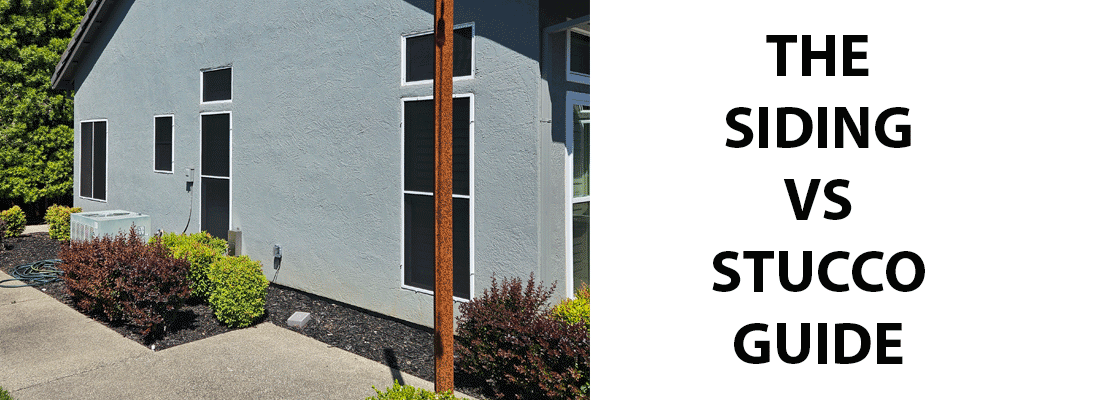
Fiber Cement Siding vs Stucco: Head-to-Head Comparison
- Durability and movement tolerance: Fiber cement handles minor movement well when joints are flashed. Stucco is rigid and can crack if the base moves or lacks joints.
- Fire and heat: Both are noncombustible. Fiber cement and traditional stucco stand up well in wildfire zones when paired with ember‑resistant vents and clean roof lines.
- Moisture control: Fiber cement works best with a rainscreen and back flashing. Stucco must have weep screeds, proper lath, and a drainage space to avoid trapped moisture.
- Freeze–thaw: Fiber cement is stable. Stucco can spall or crack if saturated and frozen. Good detailing reduces risk.
- Impact and hail: Fiber cement can chip but usually holds. Stucco can chip or spall on hard impact and needs patch work.
- Paint and color: Fiber cement holds paint very well. Factory finishes last 15 years or more. Stucco finish coats can be integral color, which hides scratches but may fade.
- Styles and textures: Fiber cement mimics wood, shingles, and modern panels. Stucco gives a seamless, sculpted look with many textures.
- Weight and labor: Both are heavy work. Fiber cement needs two people to carry long boards. Stucco is labor intense with skilled trowel work.
- Resale and curb appeal: Both can add value when detailed right. The local market taste matters a lot.
In many cases, fiber cement siding vs stucco comes down to climate, wall design, and the look you want. Pair the cladding with a solid water plan. That is what protects your home.

Cost Breakdown and Lifetime Value
Costs vary by region, labor rates, and wall complexity. Typical installed ranges in the U.S.:
- Fiber cement siding: About 8 to 13 dollars per square foot installed. Complex cuts, tall walls, or custom colors can raise cost.
- Traditional three‑coat stucco: About 6 to 12 dollars per square foot installed. Curves, foam trim, and high scaffolding can add more.
- EIFS: About 8 to 15 dollars per square foot installed, depending on foam thickness and finish.
Lifetime value looks past the bid:
- Paint cycles: Fiber cement with factory color often gets a 15‑year finish warranty. Field paint may last 10 to 12 years. Stucco color coats can go longer but may need crack repair and recoat at 10 to 15 years.
- Repairs: Fiber cement repairs are board swaps and paint touch ups. Stucco repairs need crack routing, patch blends, and sometimes a full re‑coat for a uniform look.
- Insurance and fire zones: Both can help in high fire risk areas. Fiber cement and stucco may lower risk ratings compared with wood or vinyl.
On whole-home projects, I often see fiber cement and stucco land within 10 to 15 percent of each other for similar wall areas. The install crew’s skill often swings the final cost and performance.

Climate and Regional Fit
- Dry, hot climates: Stucco shines in the Southwest. It resists sun and heat and fits the style. Use control joints and proper curing to limit cracks.
- Wet, coastal climates: Fiber cement does well with a rainscreen gap and stainless fasteners. Stucco can work too, but must include drainage and tested WRB details.
- Cold, freeze–thaw zones: Fiber cement is a safe pick when walls drain and vent. Stucco can last, but it needs careful water management to avoid saturation before deep freezes.
- High wind and storms: Both claddings need correct fastener schedules. Over sheathing with good anchors, fiber cement resists wind well. Stucco needs proper lath tie and edge terminations.
When clients ask about fiber cement siding vs stucco in mixed climates, I weigh rain, freeze, and sun. Then I check if we can add a ventilated rainscreen. That small air space is a big win for both systems.

Installation and Maintenance
Key install steps for fiber cement:
- Use a code‑approved WRB. Add a 3/8 to 3/4 inch rainscreen gap if codes allow.
- Flash all horizontal joints. Stagger seams. Maintain clearances at grade and roofs.
- Cut with low dust methods. Prime or seal cut edges. Use correct nails or screws.
Key install steps for stucco:
- Follow ASTM standards for lath, fasteners, and joint layout.
- Use two layers of WRB or a drainable wrap. Include weep screeds and drip edges.
- Cure coats well. Protect from hot sun and wind during set.
Routine care:
- Fiber cement: Wash once a year. Check caulk lines. Plan to repaint at 10 to 15 years if field painted.
- Stucco: Seal hairline cracks early. Clean with low pressure. Recoat finish when color fades or patch blends show.
A clean install beats a fancy product. In fiber cement siding vs stucco debates, I always ask, who is doing the work and what is their detail checklist?

Durability, Fire, Moisture, and Pests
- Fire: Fiber cement and stucco are both noncombustible. Use ember‑resistant vents and maintain defensible space for wildfire zones.
- Moisture: Both need drainage and flashings. Window pan flashings, kick‑out flashings, and head flashings are musts.
- Pests: Termites and carpenter ants cannot eat either. Keep wood trim isolated and sealed to stop hidden paths.
- Vapor and drying: Fiber cement over a ventilated gap dries fast. Stucco should not trap water against sheathing; use a system that drains.
- Structural movement: Fiber cement tolerates minor movement with proper gaps. Stucco needs control joints to manage shrinkage and frame flex.
These points are backed by building codes, ICC reports, and ASTM standards. Good details turn both systems into long‑life shells.
Design, Texture, and Curb Appeal
- Fiber cement styles: Classic lap, vertical panels with battens, cedar‑look shingles, and smooth modern panels.
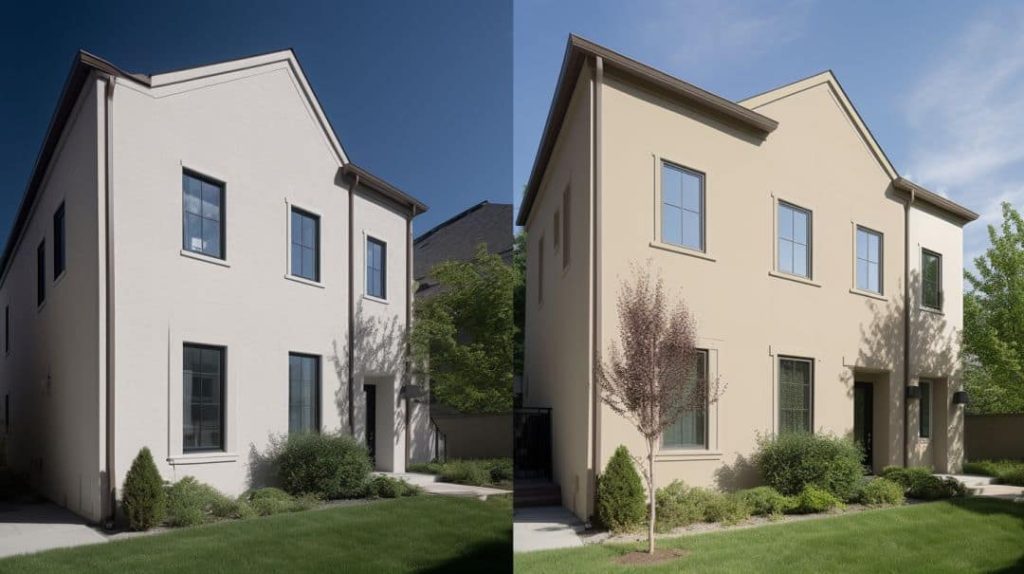
- Stucco textures: Smooth Santa Barbara, fine sand, dash, lace, and skip trowel.
- Color strategy: Factory fiber cement colors hold well and touch up cleanly. Stucco integral color weathers softly but may need a full recoat for perfect match.
- Mixed facades: Many homes pair fiber cement on upper walls with stucco accents, or the reverse. This blends styles and cost.
When clients want crisp lines and a wood look without rot, I lean fiber cement. When they want soft shadows and a sculpted feel, stucco wins.

Environmental Impact and Sustainability
- Materials: Both use Portland cement, which has high embodied carbon. Fiber cement adds cellulose fibers. Stucco often uses local sand.
- Longevity: Long life reduces waste. A well detailed wall can last 50 years or more.
- Dust and safety: Cutting fiber cement can create silica dust. Use wet cutting and respirators. Stucco mixing also involves silica; wear proper PPE.
- Energy: Cladding adds little R‑value. The big gains come from continuous exterior insulation and air sealing behind the cladding.
If sustainability is a top goal, use lower‑carbon cement blends where approved, add continuous insulation, and design for long service life and easy repair.
Common Mistakes and How to Avoid Them
- Skipping a rainscreen: Both systems benefit from a drain and dry space. Add furring or a drain mat.
- Weak flashing: Windows, decks, and roof returns need robust metal flashings and back dams. Do not rely on caulk alone.
- Tight clearances: Keep fiber cement off roofs, decks, and grade. Use weep screeds for stucco at the base.
- Bad joints: For fiber cement, flash or use joint covers. For stucco, place control joints per layout rules and break large fields.
- Rushing cure: Hot, windy days can cause stucco shrink cracks. Shade and mist as needed.
I have fixed many leaks that came from one small miss at a kick‑out flashing. Details decide outcomes in fiber cement siding vs stucco projects.
Real-World Scenarios and Pro Tips
From my job files:
- Seattle, wet coastal: We chose fiber cement over a 3/8 inch ventilated rainscreen. Stainless nails. Wide head flashings. Ten years later, paint still looks fresh. Sheathing stayed dry per spot checks.
- Phoenix, hot and dry: Three‑coat stucco with proper joints and drip screeds. Integral color finish. Minimal cracking thanks to good curing. Owner loves the desert look.
- Denver, freeze–thaw: Owner wanted stucco. We added a drainable WRB, weep screeds, and rigid control joints. After a harsh winter, no spalls. Small hairlines sealed in spring.
- Florida, hurricanes: Fiber cement on hurricane clips and ring‑shank nails. Larger roof overhangs. It rode out a storm with only paint touch ups.
Pro tips:
- Use prefinished fiber cement when you can. It saves a paint cycle and looks sharp.
- On stucco, shade walls during cure in hot sun. Keep consistent moisture to cut shrink cracks.
- For both, plan penetrations early. Flash hose bibs, lights, and vents with rigid boots, not only caulk.
- Confirm installer credentials. Ask for past addresses you can drive by.
These choices show how fiber cement siding vs stucco can both win, when matched to place and details.
Frequently Asked Questions of fiber cement siding vs stucco
Which is cheaper, fiber cement or stucco?
Installed cost is often close. Stucco may start lower in some regions, while fiber cement can be lower where crews install it every day. Complex shapes and scaffolding can shift bids either way.
Which lasts longer in real life?
Both can last 50 years or more with good details. Fiber cement resists rot and holds paint; stucco resists sun and fire but needs crack care.
Is stucco good in cold climates?
Yes, with solid water control and weep screeds. The key is to keep the wall from getting saturated before hard freezes.
Does fiber cement need a rainscreen?
It performs best with one. A small gap helps drain water and speeds drying, which protects sheathing and paint.
Can I install fiber cement over old stucco?
Often yes, but you must assess the stucco, add furring for a flat plane, and find studs for fasteners. Always confirm with local code and manufacturer rules.
Which is better for wildfire zones?
Both are noncombustible. Pair either with ember‑resistant vents, boxed eaves, and clean roofs for better protection.
What about insulation and energy use?
Cladding adds little R‑value. Use continuous exterior insulation and air sealing behind the cladding to hit energy goals.
Will hail damage one more than the other?
Large hail can chip both. Fiber cement tends to dent or chip at edges; stucco can spall and may need finish patches.
How often do I repaint?
Factory‑finished fiber cement can go 15 years or more before repaint. Stucco with integral color can go long but may need a fresh coat to blend repairs.
Is EIFS the same as stucco?
EIFS is synthetic stucco over foam with mesh and acrylic finish. Traditional stucco is cement plaster; both need drainage and trained crews.
Conclusion
Fiber cement siding vs stucco is not a one‑size call. Fiber cement brings top fire resistance, strong paint hold, and flexible styles. Stucco delivers a seamless look, proven sun performance, and timeless curb appeal. The winner is the system you detail well for your climate, budget, and crew.
Pick your path, then focus on the water plan, joints, and flashings. That is how walls last. If you found this helpful, subscribe for more build‑smart guides or leave a comment with your project details so I can help you choose with confidence.