
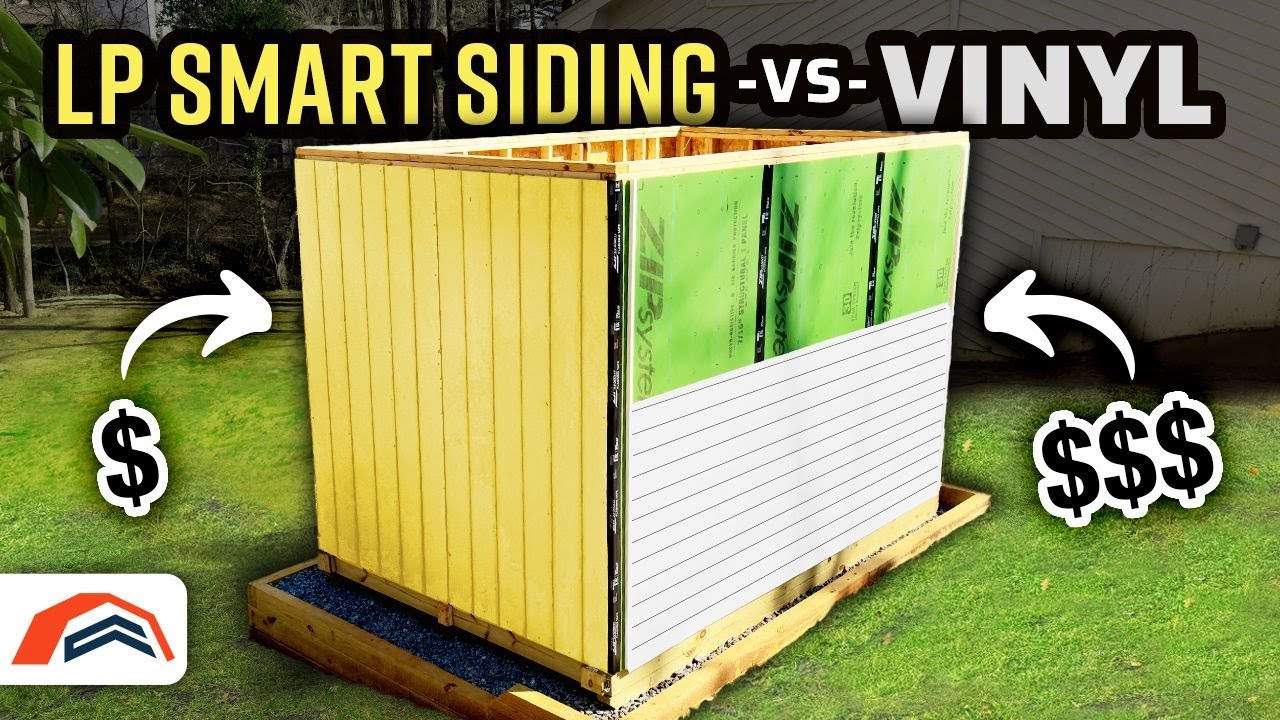
LP SmartSide beats vinyl on strength and looks, but costs more upfront.
If you want a clear, expert take on lp smartside vs vinyl siding, you are in the right place. I have specified, installed, and inspected both on real homes in harsh climates. This guide breaks down costs, strength, looks, care, and long-term value in plain language. Read on to decide which choice fits your budget, your climate, and your curb appeal goals.
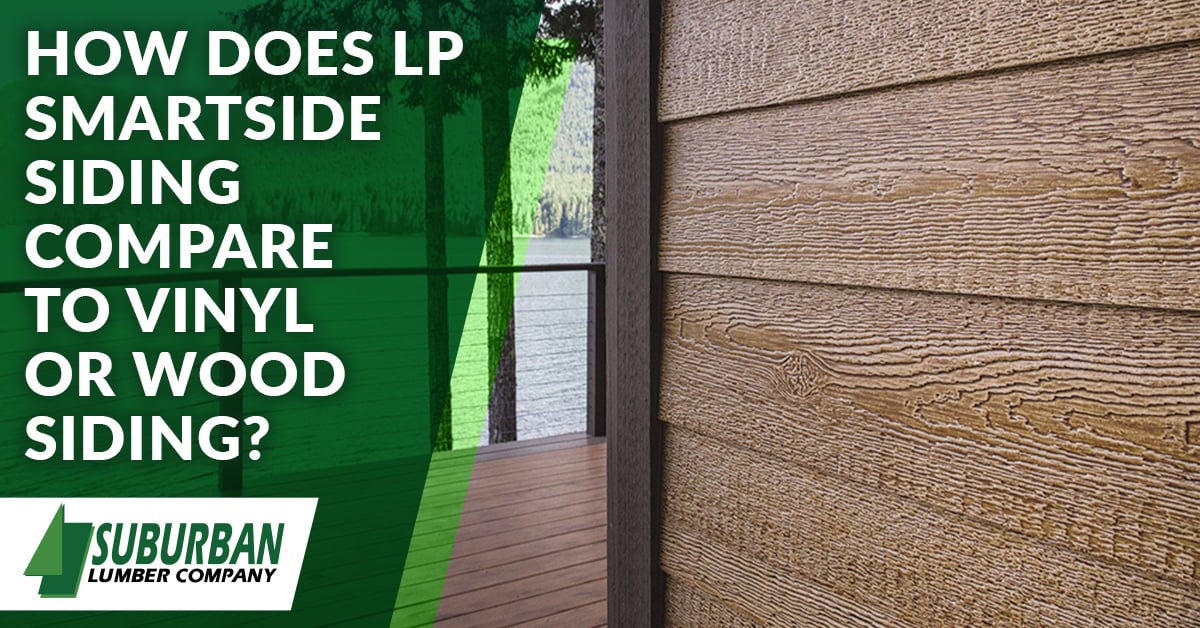
LP SmartSide and Vinyl Siding at a Glance
When people ask about lp smartside vs vinyl siding, they want the basics first. LP SmartSide is engineered wood. It uses wood strands, resins, waxes, and zinc borate. It comes primed or prefinished. Vinyl siding is PVC plastic. It is extruded with color built in and UV blockers.
Here is what sets them apart fast:
- LP SmartSide looks like real wood and feels solid.
- Vinyl siding is light, flexible, and budget friendly.
- LP SmartSide can take hits better than thin vinyl.
- Vinyl needs little care but can crack, fade, or warp.

Cost Breakdown and Long-Term Value
Cost often drives lp smartside vs vinyl siding decisions. Typical installed costs vary by region and detail. Vinyl siding often runs lower per square foot. LP SmartSide usually costs more due to material and labor.
Here are common ranges I see in bids:
- Vinyl siding installed: about 6 to 12 dollars per square foot.
- LP SmartSide installed: about 8 to 16 dollars per square foot.
- Trim, foam, and complex details can raise both.
Think in total cost of ownership. Vinyl needs washing and small fixes. LP SmartSide may need paint every 10 to 15 years, unless you buy a premium factory finish. Warranties matter too. LP SmartSide often carries a 5/50 limited warranty with early full coverage and then prorated. Vinyl often offers a limited lifetime warranty for the first owner and a reduced term if transferred.
Simple example for 2,000 square feet of wall area over 20 years:
- Vinyl: lower upfront. Expect washing and a few panel swaps. Repainting is rare.
- LP SmartSide: higher upfront. Plan one paint cycle if site-finished. Expect fewer impact repairs.

Durability, Weather, and Impact Resistance
This is the heart of lp smartside vs vinyl siding. LP SmartSide is stiff and dense. It can handle bumps from balls, bikes, and hail better than thin vinyl. It also resists pests and rot when installed and flashed right. The SmartGuard treatment helps with insects and decay.
Vinyl siding can shrug off rain and will not rot. But it can crack in deep cold or from hard hits. Strong winds are fine when it is hung right and locked tight. Premium vinyl can carry high wind ratings. Always check the product data and local code.

Fire, Moisture, and UV Performance
Fire rules differ by area, so code rules first. Both claddings need proper fire-wise design. Vinyl can melt and deform with heat and flame. LP SmartSide is wood based and thus combustible. For wildfire zones, add defensible space, rated assemblies, and careful detail at vents and eaves.
Moisture and sun also matter. Vinyl handles rain but can fade, chalk, or warp under heavy UV and heat. Good brands add UV blockers and deeper color lines. LP SmartSide needs correct gaps, flashings, and sealed cuts. Do that, and it sheds water well for decades.
Aesthetics and Curb Appeal
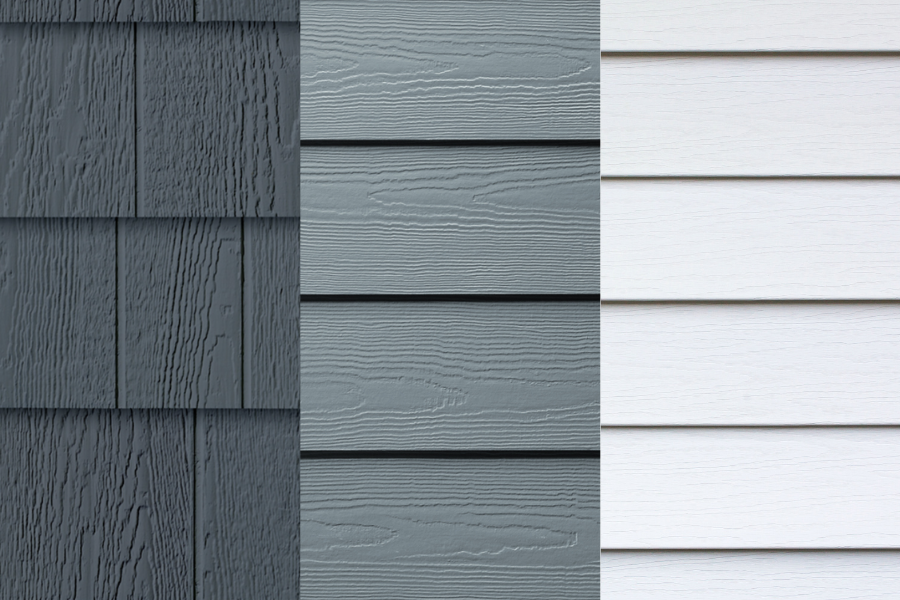
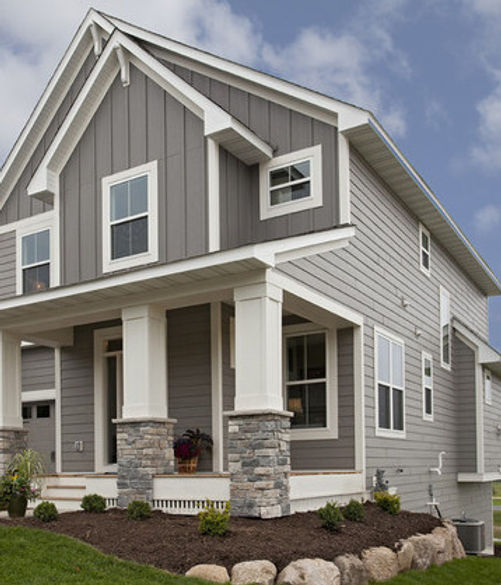
This is where lp smartside vs vinyl siding often leans to LP. LP SmartSide has crisp wood grain and sharp shadow lines. It can be painted any color. It makes big design moves easy, like wide lap, board-and-batten, and fine trim.
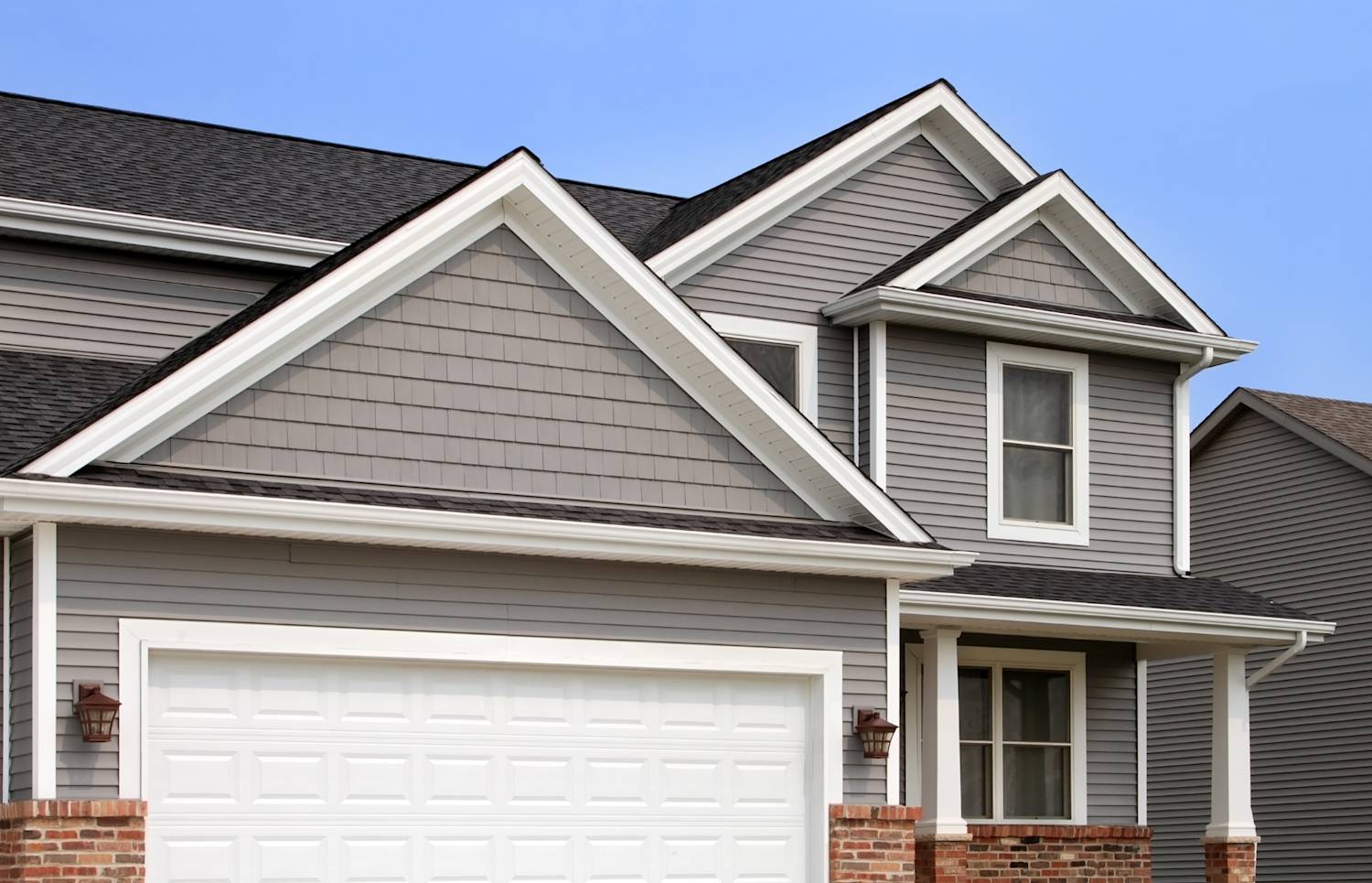
Vinyl has many colors and profiles too. Color runs through the panel. That hides scratches. Up close, vinyl can look flat or shiny. The trims and J-channels can also show. On mid to high-end homes, LP usually wins the curb test.

Installation, Maintenance, and DIY Friendliness
For lp smartside vs vinyl siding, install skill is a big lever. Vinyl is light and snaps together fast. DIYers can hang it if they follow the rules on nailing and float. LP SmartSide cuts like wood and feels stable on the wall. But it needs more care at joints and edges.
Pro tips I use on LP SmartSide:
- Prime and seal every cut edge. Do not skip this.
- Keep clearances off roofs, decks, and grade.
- Use proper flashing at every joint and trim.
- Caulk where the maker says. Skip where they say.
Care is simple for both:
- Wash vinyl at low pressure with a mild soap.
- Wash LP SmartSide too. Repaint on schedule or when sheen dies.
- Fix dings fast to protect the substrate.
Environmental Impact and Sustainability
Many readers ask about green facts in lp smartside vs vinyl siding. LP SmartSide uses wood from managed forests. Wood stores carbon. The product is efficient to ship and handle. It can need paint, which adds future coatings to the footprint.
Vinyl is PVC. Making it uses chlorine and ethylene. It lasts a long time with low care. But recycling is limited in many areas. Both can be part of a tight, efficient wall if you manage air, water, and heat right. The green win often comes from your whole wall system, not cladding alone.
Resale Value, Warranty, and Insurance
Let’s link lp smartside vs vinyl siding to money at sale. Good vinyl can refresh a tired home and show well at low cost. LP SmartSide often boosts curb appeal on higher priced homes. Buyers like the wood look with crisp lines.
Warranties shape trust. LP SmartSide’s 5/50 limited plan is common. It gives strong early coverage and then a long tail. Vinyl makers often offer limited lifetime to the first owner with transfer rules. In hail zones, I see fewer brittle cracks on LP than on thin vinyl after storms. Insurance outcomes still depend on the exact product and event.
Real-World Picks: When Each One Wins
Here is a fast map for lp smartside vs vinyl siding choices. Use it as a guide, not a rule.
Choose LP SmartSide when:
- You want a wood look and sharp trim lines.
- You face hail or rough play around the home.
- You plan to repaint to follow style shifts.
Choose vinyl siding when:
- You need the lowest upfront cost.
- You want easy care with no repaint cycle.
- You plan a quick, clean exterior update or a rental turn.
Climate notes from my jobs:
- Cold and hail plains: LP SmartSide has fewer crack calls.
- Hot sun belt: Use premium vinyl with strong UV blockers or a factory-finished LP option.
- Windy coast: Check wind ratings and fastener schedules for both.
My Field Notes and Mistakes to Avoid
My hands-on take on lp smartside vs vinyl siding comes from real installs. On one hail-prone job, vinyl panels cracked on corners within two winters. We swapped to LP SmartSide with wide laps, sealed cuts, and better flashings. That house has been quiet since.
Common mistakes to avoid:
- With LP: unsealed cut ends and tight joints. Water finds those fast.
- With vinyl: overdriven nails and no room to float. Heat waves will warp it.
- With both: weak housewrap and flashing at windows. The cladding is only skin. The water plane does the real work.
Small tips that help:
- Pre-paint LP trim ends before cutting for clean edges.
- Use a simple story pole for nail lines and lap reveals.
- For vinyl, check locks every few courses so panels stay true.
Frequently Asked Questions of lp smartside vs vinyl siding
Which is better: lp smartside vs vinyl siding?
It depends on budget, climate, and style. LP wins on strength and look. Vinyl wins on price and simple care.
How long do they last?
Both can last decades with proper install. I see 20 to 40 years for vinyl and 30 to 50 years for LP SmartSide.
Does LP SmartSide need painting?
Yes, if site-finished. Expect 10 to 15 years per paint cycle. Factory finishes can last longer per the maker’s finish warranty.
Is vinyl siding good for cold climates?
It can be, if you choose a thicker panel and install it right. Very thin vinyl can crack in deep cold on impact.
What about fire safety for both?
Both have limits near flame and radiant heat. Follow local code, use approved assemblies, and keep defensible space in fire zones.
Will either improve resale value?
A clean, modern exterior always helps. LP SmartSide often adds a high-end look, while vinyl gives a fresh, low-maintenance face at a fair cost.
Can I install them myself?
Confident DIYers can install vinyl with care. LP SmartSide is doable but needs pro-level flashing, gaps, and edge sealing.
Conclusion
You now have a clear view of lp smartside vs vinyl siding. LP SmartSide brings wood-like beauty and strong impact resistance. Vinyl brings low upfront cost and easy upkeep. Both can protect your home for decades when detailed right.
Pick based on climate, budget, and the look you want to live with every day. Get two or three local bids. Ask for product data, wind ratings, and finish warranties. Walk a few past jobs before you sign.
Ready to compare real numbers for your home? Request quotes, bookmark this guide, and share your questions in the comments.