
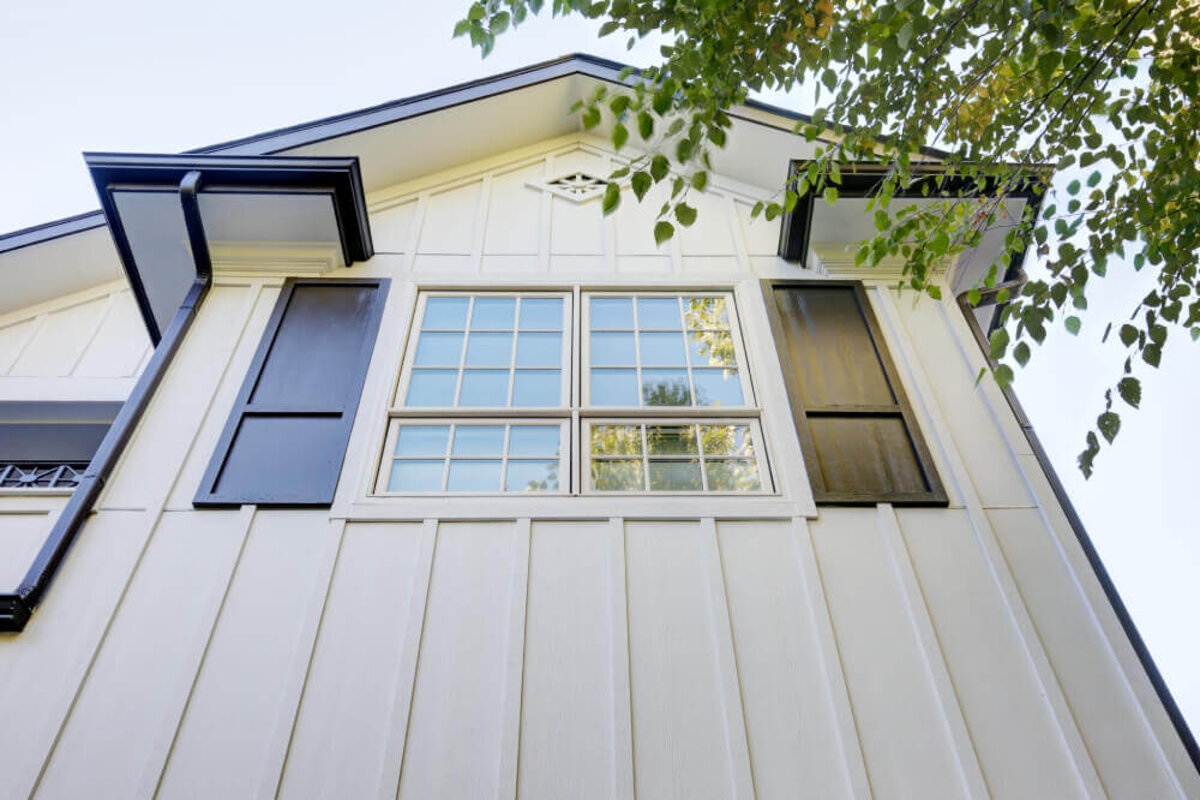
Board and batten brings texture and strength; vinyl siding wins on cost and upkeep.
You want a clear, real-world answer on Board and batten vs vinyl siding. I have installed, repaired, and specified both on homes from coastal cottages to high-wind farmhouses. This guide breaks down costs, durability, energy, and style in plain language. If you are weighing Board and batten vs vinyl siding for a new build or remodel, you will leave with a confident, data-backed choice.
Board and batten vs vinyl siding: what each one is
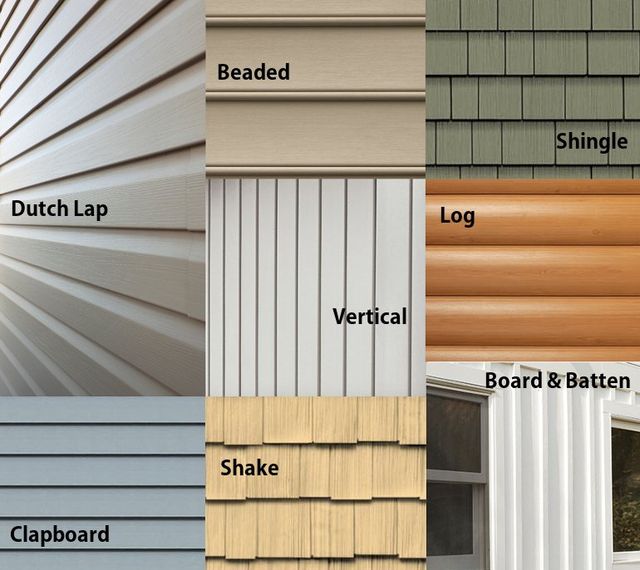
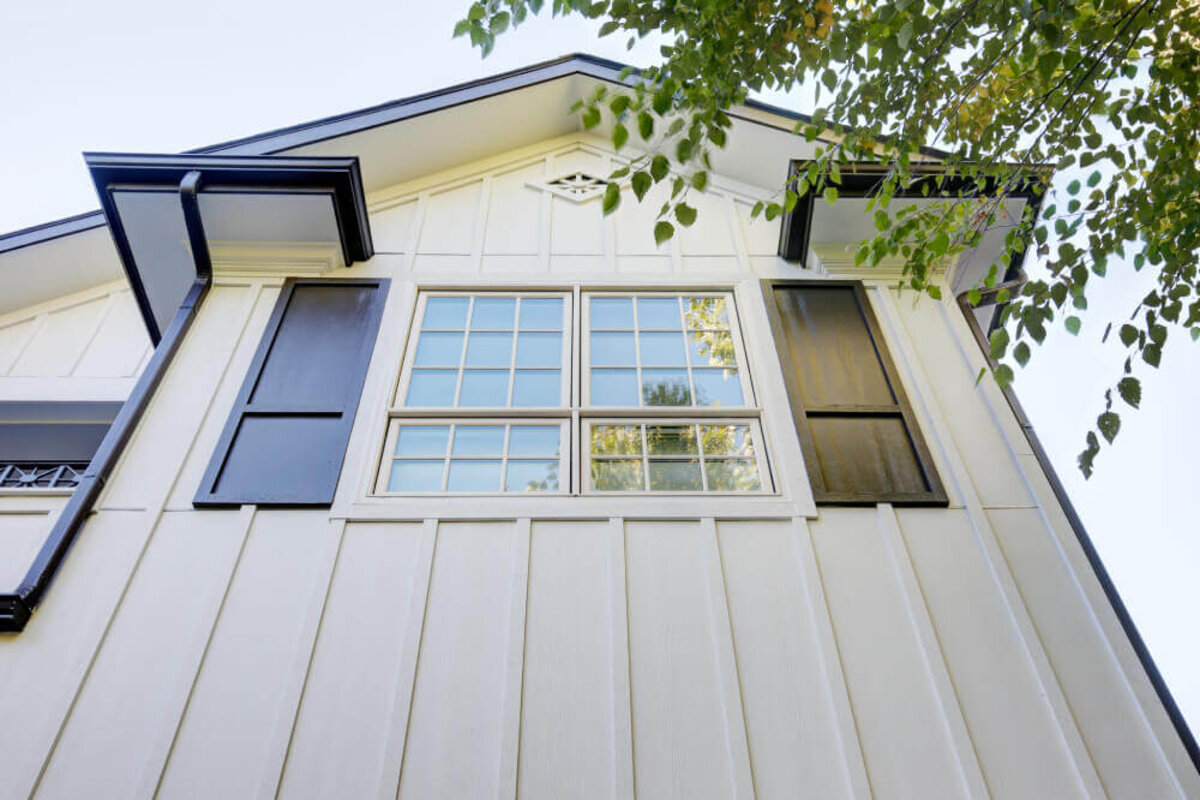
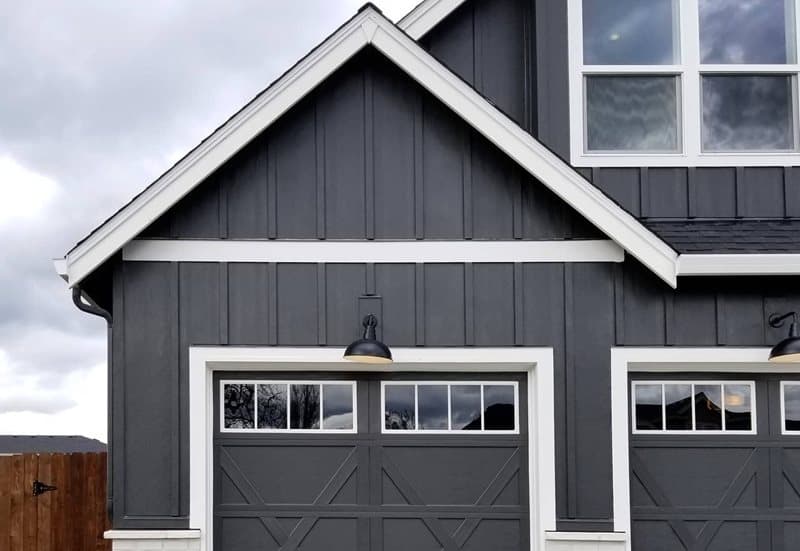
Board and batten is a vertical siding style. Wide boards go up first. Narrow battens then cover the seams. It creates deep shadow lines and a classic farmhouse look. You can buy it in wood, fiber cement, or engineered wood. Some metal systems also mimic this look.
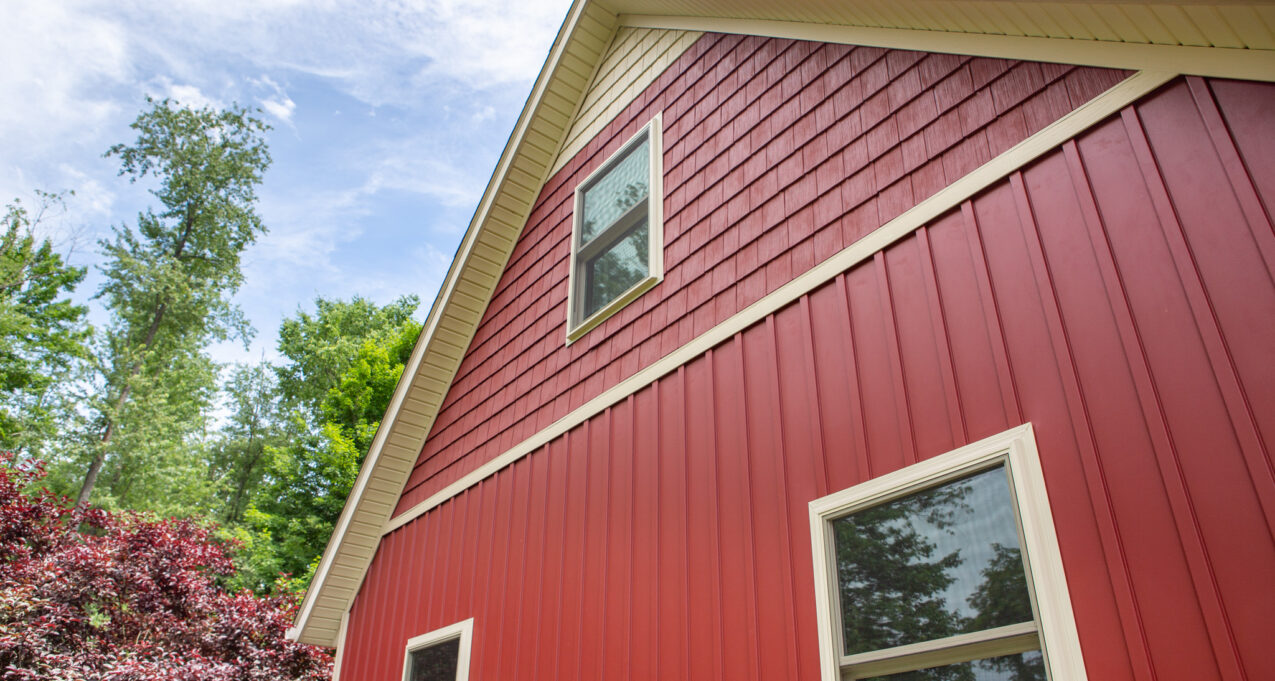
Vinyl siding is made from PVC. It comes as interlocking panels. Most installs are horizontal, but you can get vertical profiles that resemble board and batten. Standard vinyl is hollow-backed. Insulated vinyl adds foam on the back to improve rigidity and thermal performance.
Where each shines:
- Board and batten adds texture and character. It works well on modern farmhouses, cabins, and contemporary homes.
- Vinyl siding keeps costs and maintenance low. It suits rentals, starter homes, and large re-sides on a budget.
If you compare board and batten vs vinyl siding across many homes, the split is simple. Board and batten leads on depth and presence. Vinyl siding leads on price and easy care.

Board and batten vs vinyl siding: performance and durability
You need siding that can take rain, wind, sun, and time. Here is how each behaves in the field.
Weather and impact
- Vinyl resists rot and moisture. It can crack in very cold snaps if hit. Proper nailing and panel lock matter in high winds.
- Wood board and batten needs paint or stain. It moves with seasons and needs gaps and flashings to breathe.
- Fiber cement board and batten is very stable. It handles wind and hail well but is heavy and brittle at edges if mishandled.
Typical lifespans with care:
- Vinyl siding: 20 to 40 years.
- Wood board and batten: 20 to 30 years, longer with diligent upkeep.
- Fiber cement board and batten: 30 to 50 years.
Fire and heat
- Vinyl softens and can deform under high heat or when hit by strong window reflections.
- Wood is combustible and may be limited in wildfire zones.
- Fiber cement is non-combustible and often favored by insurers and codes in high-risk areas.
Pests and rot
- Vinyl will not rot and does not attract insects. Hidden moisture behind panels can still harm sheathing if flashings are wrong.
- Wood can invite termites and carpenter ants without treatment. Keep it dry and sealed.
- Fiber cement resists pests and rot but still needs good water detailing.
UV and color stability
- Modern vinyl uses better pigments and UV inhibitors. Dark colors can still get warmer and move more.
- Wood accepts any paint or stain. Expect refresh coats over time.
- Factory-finished fiber cement holds color well. Repaint cycles are longer than wood.
On balance, board and batten vs vinyl siding is a trade-off. Vinyl reduces maintenance but can look flat up close. Board and batten raises curb appeal but asks for better detailing and care.
Cost and ROI of board and batten vs vinyl siding
Upfront price matters, but so does lifetime cost. Here are common installed cost ranges per square foot. Your region and design will move these numbers.
- Basic vinyl siding: about 4 to 9 dollars.
- Insulated vinyl siding: about 8 to 14 dollars.
- Pine or spruce board and batten: about 7 to 12 dollars.
- Cedar board and batten: about 10 to 16 dollars.
- Fiber cement board and batten: about 8 to 14 dollars.
Maintenance over 20 years:
- Vinyl siding: wash once a year. Spot repairs as needed. Low added cost.
- Wood board and batten: repaint or re-stain every 5 to 7 years. Plan for caulking.
- Fiber cement board and batten: repaint every 10 to 15 years. Lower frequency than wood.
Resale and ROI notes from my projects:
- A dated home re-sided in mid-grade vinyl recovered a large part of cost at sale because the fresh exterior removed buyer fears.
- A modern farmhouse with fiber cement board and batten drew more showings and sold faster. The premium look mattered in that market.
- Rentals and multifamily tend to favor vinyl for predictably low upkeep.
If you want the best cost-to-value ratio, vinyl often wins on straight dollars. If you want the highest perceived value per square foot of facade, crisp board and batten can punch above its cost.
Installation differences: board and batten vs vinyl siding
Good installs protect your home for decades. Poor installs fail fast. This is where many projects go right or wrong.
Vinyl siding basics:
- Needs flat sheathing, housewrap, and correct nailing slot use.
- Panels must hang, not be pinned tight. Leave room for movement.
- Flash all openings well. Use starter strips and finish trims.
Board and batten basics:
- Install a drainage plane with housewrap or a rain screen.
- Set vertical boards with proper gaps. Place battens to cover seams.
- Use corrosion-resistant fasteners. Flash horizontal breaks and heads.
DIY level:
- Handy homeowners can install vinyl on simple, single-story walls.
- Board and batten in wood or fiber cement is better for pros. Precision gaps, flashing, and heavy material handling add risk.
Common mistakes I see:
- Vinyl nailed too tight. It warps in heat.
- No kick-out flashing at roof-to-wall joints. Water gets behind any siding.
- Wood boards installed tight with no expansion gap. Paint peels fast.
- Fiber cement cut dry without protection. Dust is a health hazard. Always use the right saw and safety gear.
For board and batten vs vinyl siding, labor skill and detailing decide long-term success more than the material itself.
Energy, moisture, and maintenance
Siding is part of a system. It works with housewrap, insulation, and flashings to control heat and water.
Thermal performance:
- Standard vinyl adds little R-value, often under 1.0.
- Insulated vinyl can add up to about R-2.
- Wood and fiber cement add minimal R-value. Exterior foam sheathing can boost the wall.
Moisture control:
- Vinyl is a vented cladding. It allows drainage through weep holes. Flashings and tapes must be correct.
- Board and batten needs a clear drainage plane. A rainscreen gap helps the wall dry.
- Always lap flashings shingle-style. Caulk is not a primary water barrier.
Care routines:
- Wash vinyl each spring with a soft brush and mild soap.
- Inspect wood or fiber cement every season. Touch up caulk and paint as needed.
- Keep mulch and sprinklers off the siding base. Maintain ground clearance.
If your climate is wet or humid, plan for a rainscreen behind board and batten. If your climate swings hot to cold, leave vinyl room to move.
Design, curb appeal, and resale value
Looks sell homes. Texture draws the eye. Here is how each option shapes style.
Why board and batten stands out:
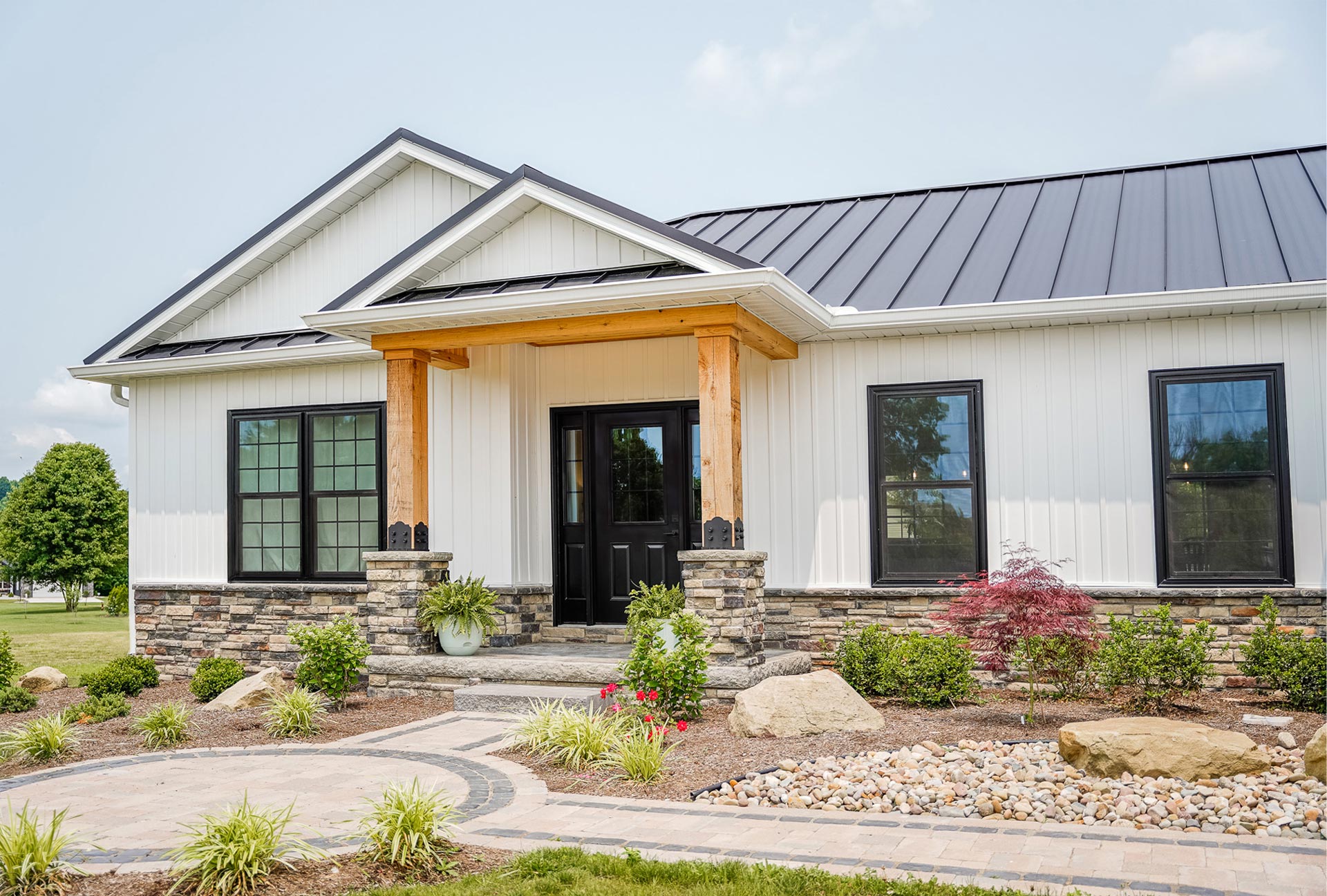
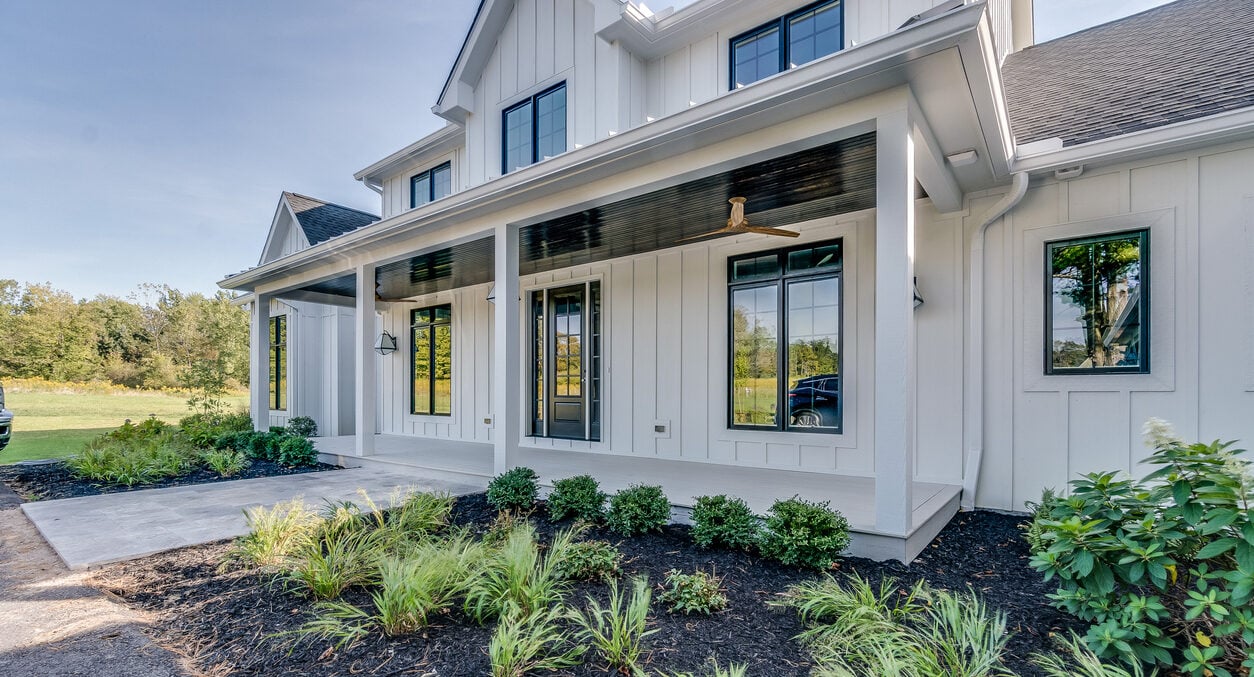
- Strong vertical lines create rhythm and depth.
- Pairs well with stone bases, metal roofs, and black windows.
- Works as a full facade or as a gable or entry accent.
Why vinyl works:
- Huge color and profile range at low cost.
- Easy to keep clean and bright.
- Vertical vinyl can mimic board and batten for less money.
Blended designs I recommend:
- Horizontal lap on the main body with board and batten on gables.
- Dark body with light battens for pop, or the reverse for subtlety.
- Use wider trim at corners and windows to elevate vinyl’s look.
Real-world tip:
- On a budget remodel, we used premium vinyl on the main walls and fiber cement board and batten on the entry volume. Buyers praised the contrast. Costs stayed in control.
When staged well, board and batten vs vinyl siding is not either-or. A smart mix can give you the charm and the savings.
Climate, home style fit, and use cases
Match the material to the place and purpose. That reduces headaches.
Cold climates:
- Vinyl can get brittle in deep cold. Use thicker panels and careful handling.
- Wood moves with seasons. Plan gaps and flexible sealants.
- Fiber cement is stable but heavy to install in winter.
Hot, sunny climates:
- Dark vinyl runs warmer. Consider lighter tones or insulated vinyl.
- Wood needs UV-stable finishes. Stains can last longer than paints in harsh sun.
- Fiber cement holds paint color well in high UV.
Coastal and wet zones:
- Use stainless fasteners and robust flashings for any system.
- Favor fiber cement or well-detailed vinyl in salt air.
- For board and batten in wood, choose rot-resistant species and back-prime all cuts.
Rental and multifamily:
- Vinyl siding often wins for low maintenance and fast repairs.
- Fiber cement in high-traffic areas reduces damage from bumps and bikes.
Luxury custom homes:
- Fiber cement board and batten delivers crisp lines and high fire resistance.
- Wood board and batten adds warmth and authenticity when owners accept upkeep.
This is the heart of board and batten vs vinyl siding. Fit the cladding to climate, use, and taste.
Decision guide and checklist for board and batten vs vinyl siding
Use this fast checklist to choose with confidence.
Start with your goals:
- Tight budget and low upkeep. Lean vinyl.
- High curb appeal and texture. Lean board and batten.
Check your climate and code:
- High fire risk. Prefer fiber cement board and batten.
- High wind. Confirm rated vinyl or robust fastening plans.
Plan the wall system:
- Want better energy performance. Add exterior foam or choose insulated vinyl.
- Wet climate. Add a rainscreen gap, especially for board and batten.
Weigh lifetime costs:
- Vinyl has low ongoing costs.
- Wood needs paint or stain cycles. Fiber cement less often.
Design and mix:
- Use board and batten on focal areas.
- Use vinyl where lines are long and flat.
Contractor and warranty:
- Hire crews experienced with your chosen system.
- Ask for product and labor warranties in writing.
If you still feel stuck on board and batten vs vinyl siding, price both on the same elevations. Then compare total cost, maintenance plan, and visual impact side by side.
Frequently Asked Questions of board and batten vs vinyl siding
Is board and batten more expensive than vinyl siding?
Yes, in most cases. Wood or fiber cement board and batten usually costs more to buy and install than vinyl siding, and it often needs more maintenance.
How long does each option last?
Vinyl siding can last 20 to 40 years with simple care. Wood or fiber cement board and batten can run 30 years or more if detailed and maintained well.
Which is better for resale value?
Both can boost value if the old exterior looks tired. In style-focused markets, board and batten can add more visual punch, while vinyl sells based on low upkeep.
Does insulated vinyl replace wall insulation?
No. It helps a bit and can reduce thermal bridging, but it is not a full substitute for proper cavity or exterior foam insulation.
Can I DIY board and batten?
You can, but be careful. Accurate flashing, spacing, and sealing are vital, and fiber cement needs safe cutting and handling.
Which is better in wildfire zones?
Fiber cement board and batten is non-combustible and favored by many codes. Vinyl and wood may face limits or higher insurance costs.
Conclusion
Choosing between board and batten vs vinyl siding comes down to goals. Vinyl delivers low cost and easy care. Board and batten delivers texture, presence, and a high-end feel when detailed right. Both can perform for decades with the right wall system and crew.
Take the next step. Price both options on the same plan, include paint and maintenance cycles, and ask for written warranties. Match the choice to your climate and design goals. Then move forward with confidence. If you found this helpful, subscribe for more contractor-tested guides or drop your questions in the comments.
Related: vinyl siding wins.