
Use an oxalic-acid cleaner or vinegar, scrub gently, rinse well, and prevent future rust.
Rust streaks can make a neat home look tired fast. In this guide on how to clean rust from residential siding, I’ll show you proven methods I use on real jobs. You will learn why rust forms, the safest cleaners, step-by-step removal, and how to keep stains from coming back. I’ll share field tips, mistakes to avoid, and the exact steps for different siding types so you can work smart and protect your home.
What causes rust stains on siding
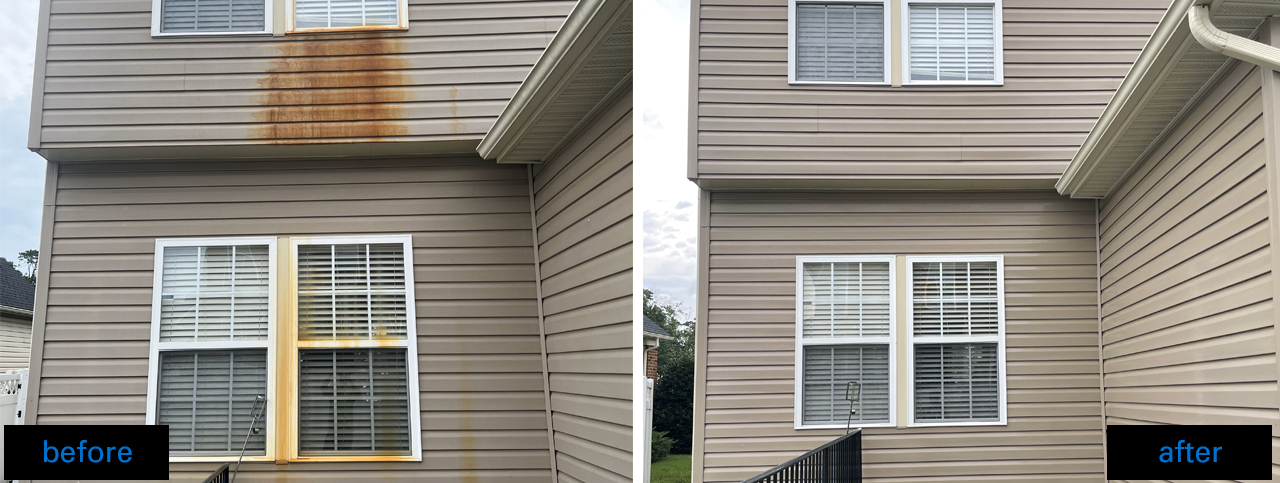
Rust stains form when iron meets water and oxygen. The iron breaks down and leaves orange or brown streaks. On siding, that iron often comes from common sources.
- Sprinklers and well water High iron in water leaves rusty spray marks.
- Metal fasteners and flashing Old nails, screws, or trim can bleed onto the wall.
- HVAC and irrigation drip Lines that drip near the wall make rust trails.
- Outdoor decor and tools Metal furniture, grills, or tools leaning on the wall can transfer rust.
- Gutters and downspouts Bare steel or worn coatings can streak the siding.
- Soil and mulch Iron-rich runoff can splash back onto lower panels.
If you clean the stain but ignore the source, it will return. A quick check now saves hours later.
Safety and prep before you start
Work safe and protect finishes. A little prep makes the job easier.
- Wear gloves, eye protection, and a mask if using acids or strong cleaners.
- Test a small, hidden spot first. Check for color change or dulling.
- Read your siding warranty. Some harsh cleaners can void it.
- Never mix chemicals. Do not mix acid products with bleach or ammonia.
- Protect plants with water and a drop cloth. Rinse them before and after.
- Close windows and power off outdoor outlets if overspray is likely.
- Avoid high-pressure water aimed up at laps or seams.
Tip from the field: Keep the surface wet while a cleaner sits. Dry acid can etch or leave more marks.
Tools and supplies you will need
Gather what you need so you can work fast and avoid dry time on the wall.
- Soft brush or non-scratch pad Good for light scrub without scuffs.
- Microfiber cloths For wipe and buff.
- Buckets and a pump sprayer For mix and even spray.
- Garden hose with spray nozzle For a gentle rinse.
- Plastic sheeting and tape To shield plants, windows, and metal trim.
- Ladder and stabilizer Safe reach and steady stance.
- PPE Gloves, goggles, and a respirator if using strong products.
Cleaners that work on rust
- Oxalic acid solution Very effective on rust. Use 1 to 2 tablespoons of oxalic crystals per quart of warm water for spot work.
- White vinegar or lemon juice Good for light stains. Use full strength or 1:1 with water.
- Citric-acid based cleaners Gentler acid option; good for painted and vinyl.
- Commercial rust removers Look for “safe for siding” and “oxalic/citric based.”
- Mild dish soap For pre-wash and final clean.
- Baking soda solution 1 tablespoon per quart of water to help neutralize after acids.

Step-by-step: how to clean rust from residential siding
Follow this simple plan. It is the same process I use on client homes.
-
Confirm the cause and siding type
Find the source of rust first. Note if your siding is vinyl, aluminum, steel, fiber cement, wood, or masonry. -
Protect and pre-wet
Cover plants and metal fixtures. Hose down the stained area and nearby panels. Keep the wall cool and out of direct sun if you can. -
Pre-wash
Use mild soap and water to knock off dirt. Rinse well. This helps the rust cleaner work faster. -
Choose a cleaner
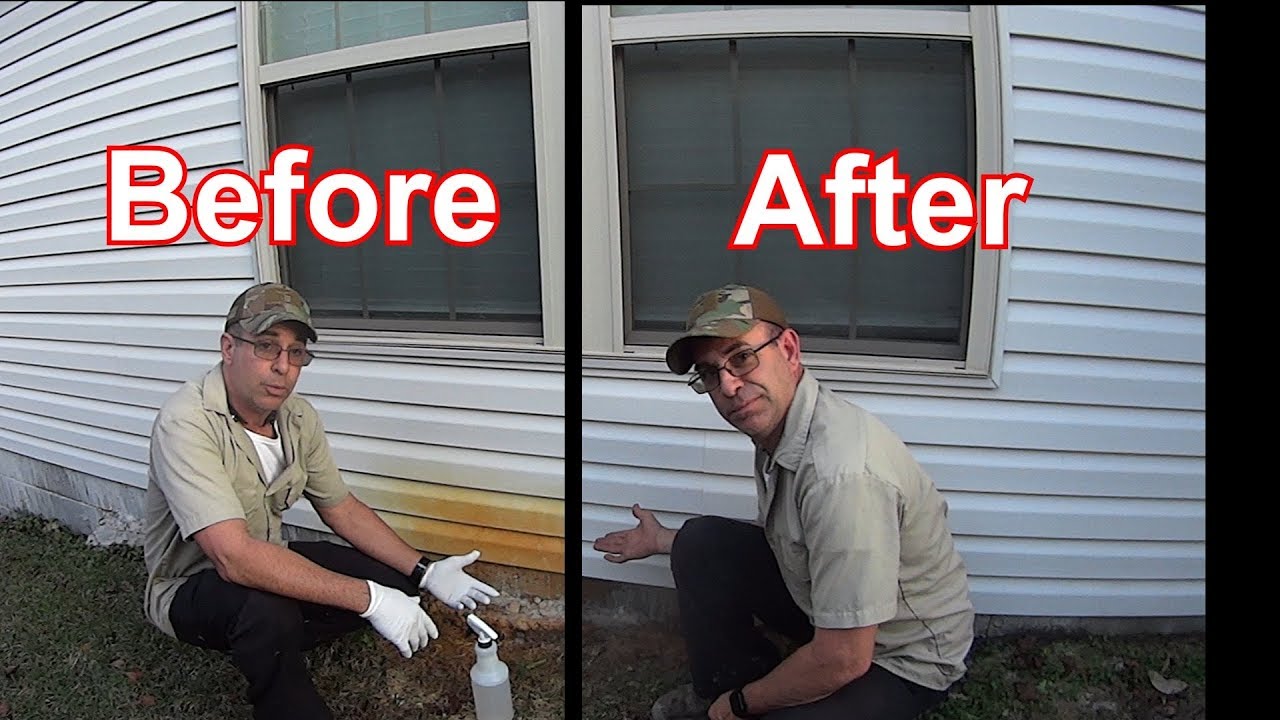
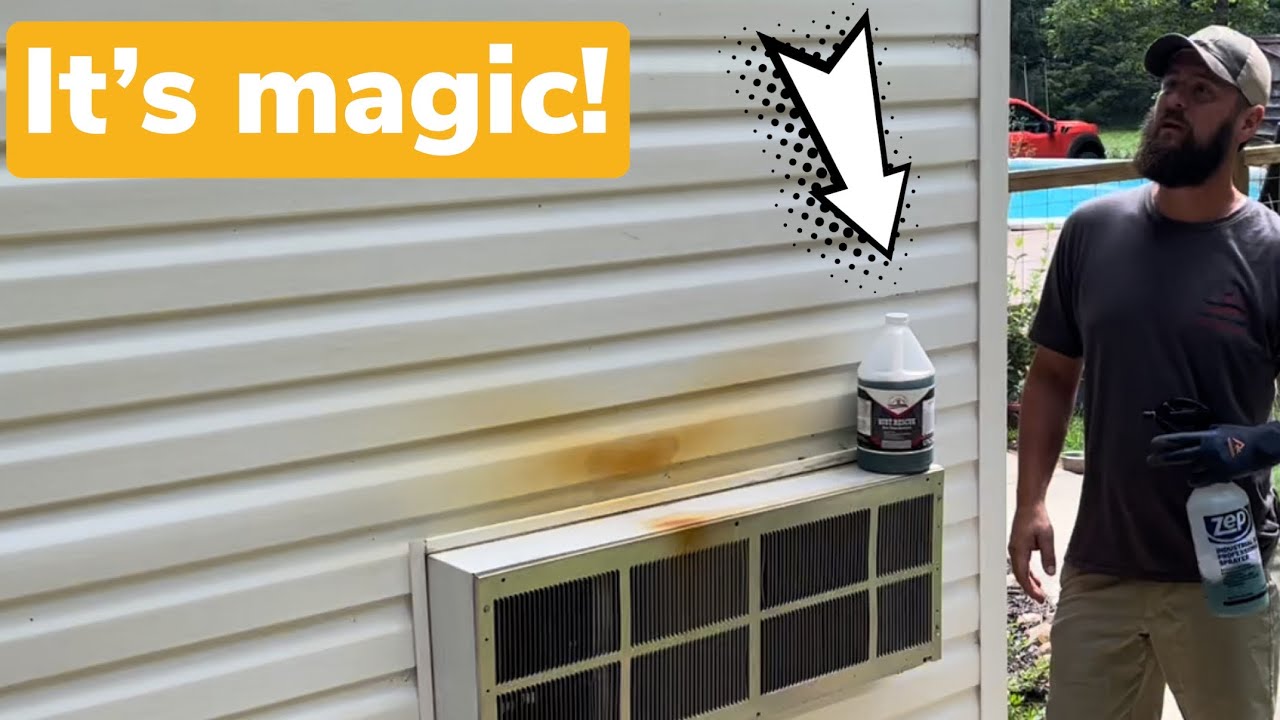
For light stains, use white vinegar or lemon juice. For medium to heavy stains, use an oxalic-acid solution or a siding-safe rust remover. This is how to clean rust from residential siding without harming most finishes. -
Mix and apply
For oxalic acid, mix 1 to 2 tablespoons of crystals per quart of warm water. Stir to dissolve. Apply from the bottom up to reduce streaks. Keep the surface wet for 3 to 5 minutes. Do not let it dry. -
Agitate gently
Use a soft brush in small circles. Work with light pressure. Avoid steel wool or wire brushes. -
Rinse well
Rinse from top to bottom with a hose. Flush joints and edges. Check your runoff and re-wet plants. -
Repeat if needed
Stubborn stains may need a second pass. Apply, wait a bit less time, scrub soft, and rinse again. Slow and steady is how to clean rust from residential siding while protecting the finish. -
Neutralize and final wash
If you used an acid, mist a baking-soda solution on the area. Then rinse again. Wash once with mild soap and water for a clean finish. -
Dry and inspect
Let it dry and check for shadows. If you still see ghost lines, repeat spot treatment or try a gel rust remover for better dwell.
Field note: The biggest mistake I see is letting the cleaner dry on hot siding. Work in shade, in small sections, and keep it damp.
Methods by siding type
Different materials need a slightly different touch. This is key to how to clean rust from residential siding the safe way.
Vinyl and PVC
- Use vinegar, citric, or oxalic cleaners with care.
- Avoid harsh solvents and abrasive pads.
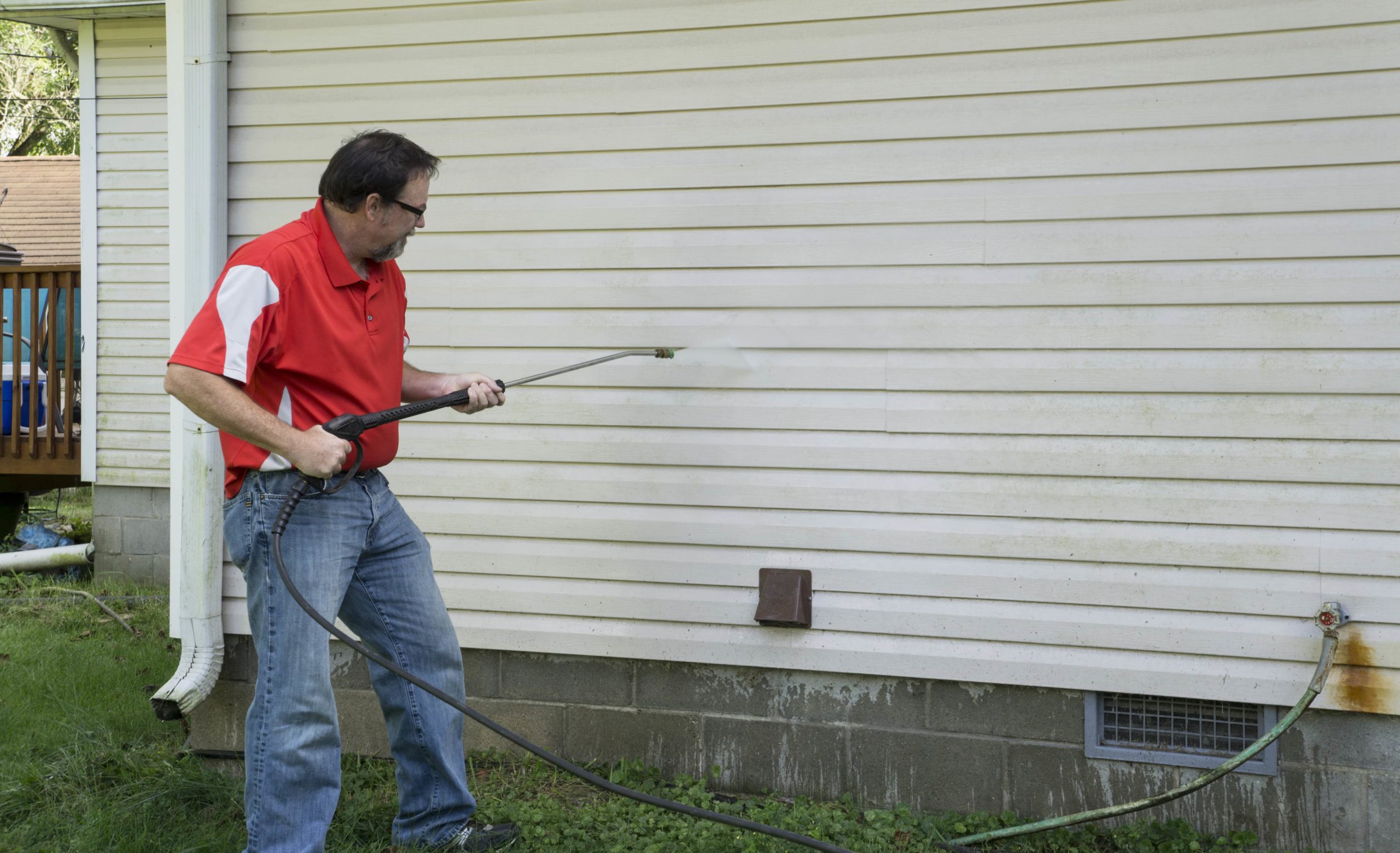
- If using a pressure washer, keep it low (under 1,300 PSI), use a wide tip, and hold at least 12 inches away.
Aluminum and steel
- Oxalic-based cleaners work well.
- Avoid strong abrasives that can scratch the coating.
- Rinse gaps and seams to prevent trapped cleaner near bare metal.
Fiber cement
- Go gentle. Start with vinegar or citric acid; use oxalic only on stubborn spots.
- Do not saturate edges or unpainted cuts.
- Check the paint manufacturer’s care guide before you start.
Wood siding
- Spot treat with diluted oxalic acid and rinse fast.
- Neutralize with baking soda solution.
- Dry well and reseal if the finish looks thin.
Brick, block, and stucco near siding
- Use masonry-safe rust removers. Some acids can etch stucco or mortar.
- Rinse downward and away from adjacent vinyl or wood.

Eco and homemade cleaners vs commercial products
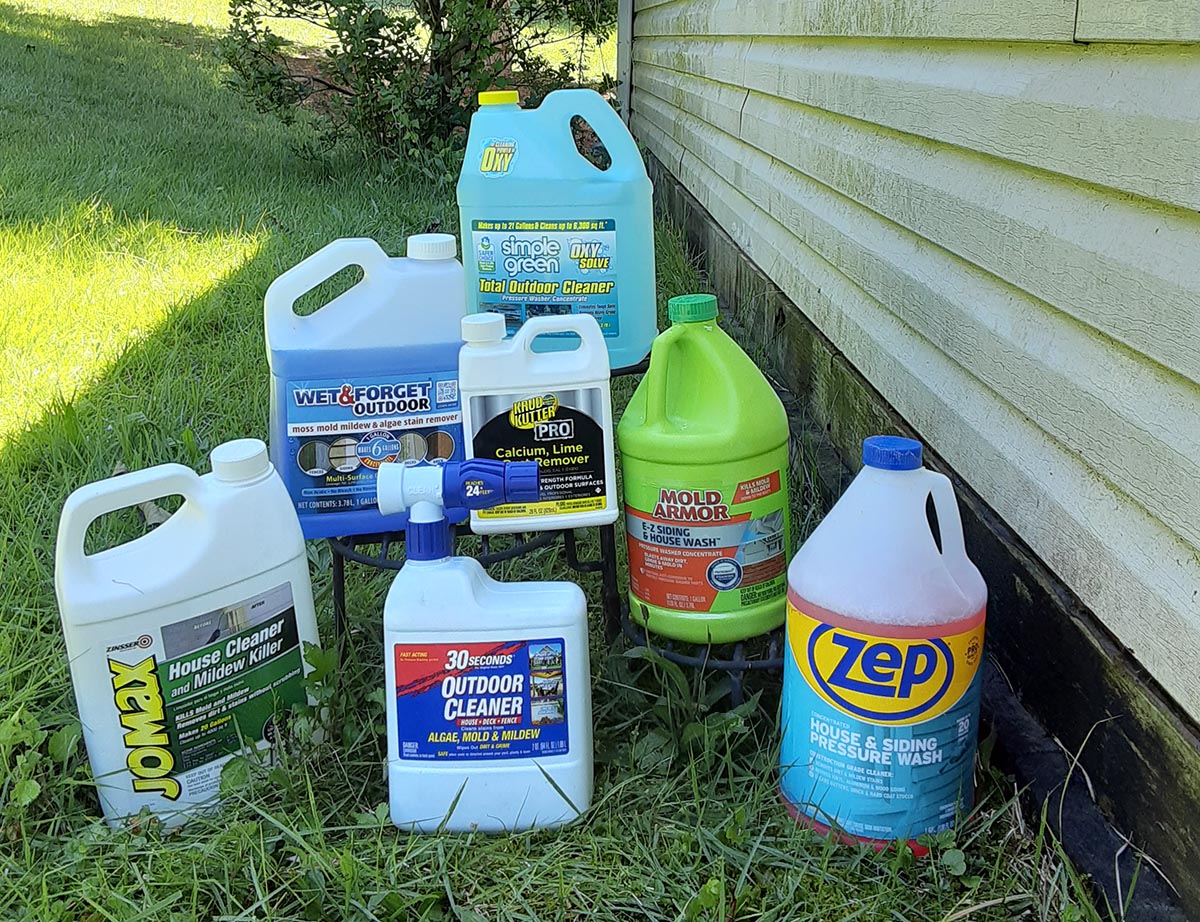
Homemade options like white vinegar and lemon juice are low cost and safe for most finishes. They are great for light, fresh stains. Citric-acid powders also work and store well. The downside is time. You may need more dwell and a second pass.
Commercial rust removers are faster on deep stains. Many use oxalic or similar acids in stronger blends. Choose products that say “safe for vinyl, aluminum, and painted surfaces.” Read the label and test a small area first. For homeowners who ask how to clean rust from residential siding with tough, old streaks, I often start with a commercial gel. It clings, so it does not run or dry too fast.
Prevention so rust does not come back
Stopping the source is half the battle. Here is how I prevent repeat calls.
- Adjust sprinklers Aim heads away from walls. Flush iron-heavy systems with filters where possible.
- Fix drips Extend AC and irrigation lines away from the wall.
- Upgrade fasteners Use stainless or coated screws and nails rated for exterior use.
- Isolate metal Use plastic feet under grills and furniture. Do not lean tools on siding.
- Maintain gutters Seal or replace rusty sections. Keep them clean and flowing.
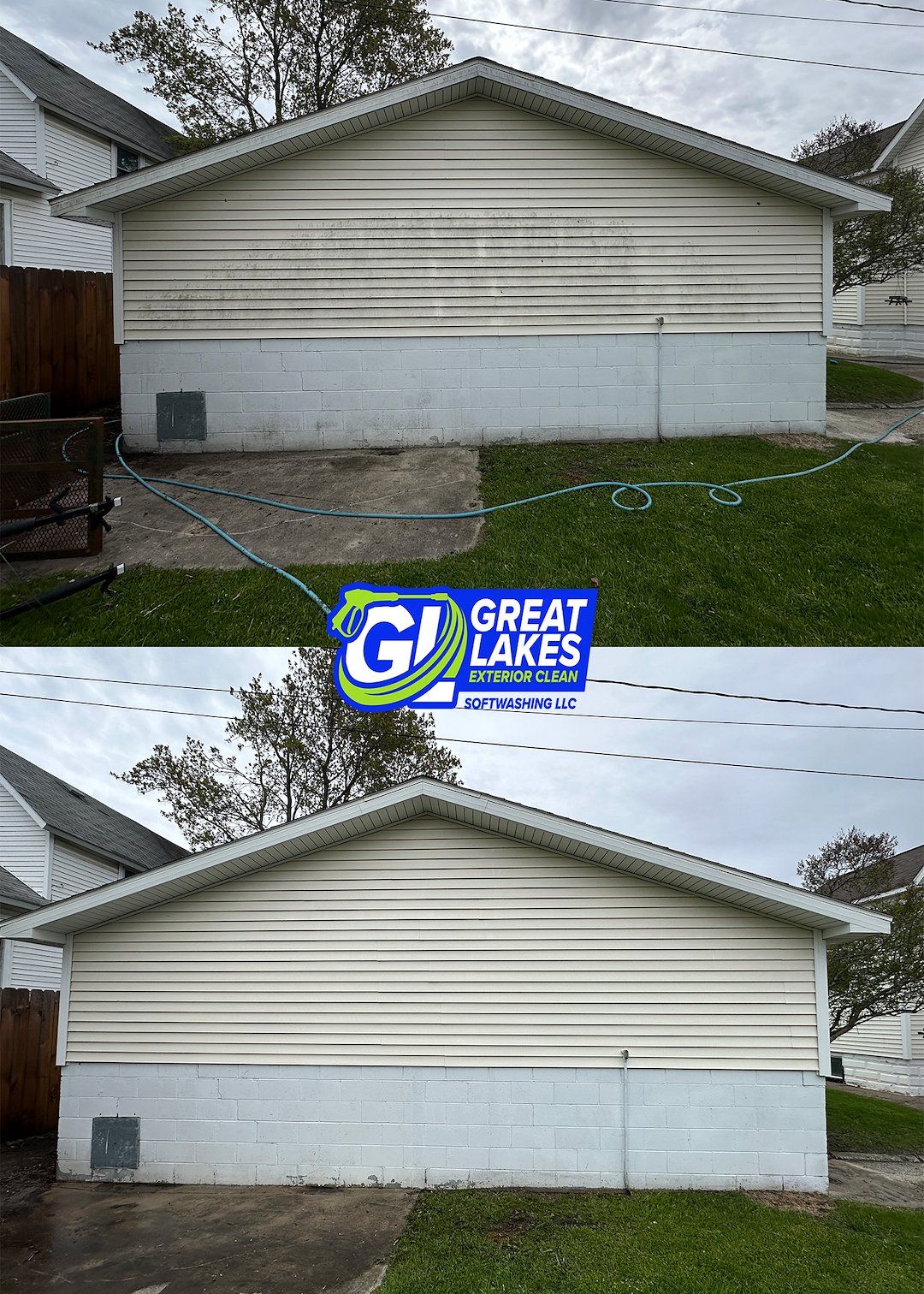
- Wash yearly A gentle wash each spring keeps minerals from setting in.
- Protect finishes On vinyl and painted metal, a thin coat of carnauba wax can help repel stains.
These small steps support how to clean rust from residential siding once and keep it looking new longer.
Troubleshooting and when to call a pro
Some stains fight back. Here is what to check.
- If the stain returns fast The source is still active. Re-check water spray, drips, and metal contact.
- If the surface looks dull You may have over-scrubbed or let acid dry. Polish with mild soap and water; avoid more abrasion.
- If you see pitting or etching Stop and test milder cleaners. Strong acid may be too harsh for that surface.
- If the wall is very high or near power lines Hire a pro with the right gear and insurance.
- If lead paint may be present on old wood Pre-1978 homes need special care and rules.
Pros handle severe cases fast. They know how to clean rust from residential siding with the right chemistry, safe dwell times, and proper rinse control.
Frequently Asked Questions of how to clean rust from residential siding
What is the best cleaner to remove rust from vinyl siding?
Oxalic-acid based cleaners work fast and leave less scrubbing. For light stains, white vinegar also works and is safer for beginners.
Can I use vinegar to clean rust from residential siding?
Yes. Use it full strength on fresh stains, let it sit a few minutes, then scrub and rinse. It is a gentle way for how to clean rust from residential siding with low risk.
Will bleach remove rust stains on siding?
Bleach does not dissolve rust and can set the stain or damage finishes. Use acid-based rust removers instead, then rinse very well.
Can I use a pressure washer to clean rust from residential siding?
Yes, but keep the pressure low and the tip wide. Hold the wand at least 12 inches away and never spray upward into laps or seams.
How do I prevent rust stains from sprinklers on siding?
Aim sprinklers away from walls, fix leaky heads, and install filters for iron-heavy well water. Rinse walls after any overspray to stop buildup.
What is the fastest way for how to clean rust from residential siding?
Use a gel rust remover with oxalic acid, keep it wet for a few minutes, scrub gently, and rinse well. This targets the stain and avoids runs.
Conclusion
You can restore your siding with a simple plan. Identify the source, pick the right cleaner, keep it wet, scrub light, and rinse well. Fix the cause so stains do not return.
Start with a small test spot today. Follow the steps, and you will see clean panels in under an hour. If you found this guide on how to clean rust from residential siding helpful, share it, subscribe for more home care tips, or leave a comment with your results.