
Attach aluminum siding with a level starter strip, proper nails, and floating panels.
If you want a clean, weatherproof finish that lasts, you are in the right place. I have hung miles of siding across tight city lots and windy coastal homes. This guide shows how to attach aluminum siding to house exterior the right way, step by step, with field-tested tips you can trust.

What aluminum siding does and when to use it
Aluminum siding is light, durable, and fire resistant. It stands up to heat and salt air better than many products. It also takes paint well and is easy to repair.
There are limits. Aluminum can dent. It can chalk as the paint ages. Insulation value is low, so plan for a proper underlayment. Still, it is a solid choice for cost, look, and long-term care.
This section sets the stage for how to attach aluminum siding to house exterior with smart planning before day one.

Tools, materials, and terms you need
Gather tools before you start. A smooth setup is half the job.
Tools
- Tape measure, square, and chalk line
- Level or laser level
- Circular saw with a fine metal blade, or aviation snips
- Utility knife and siding unlock tool
- Hammer or siding nailer with depth control
- Metal brake for bends, if you will make trim
- Ladder, pump jacks, or scaffolding
- Safety glasses, gloves, hearing protection
Materials
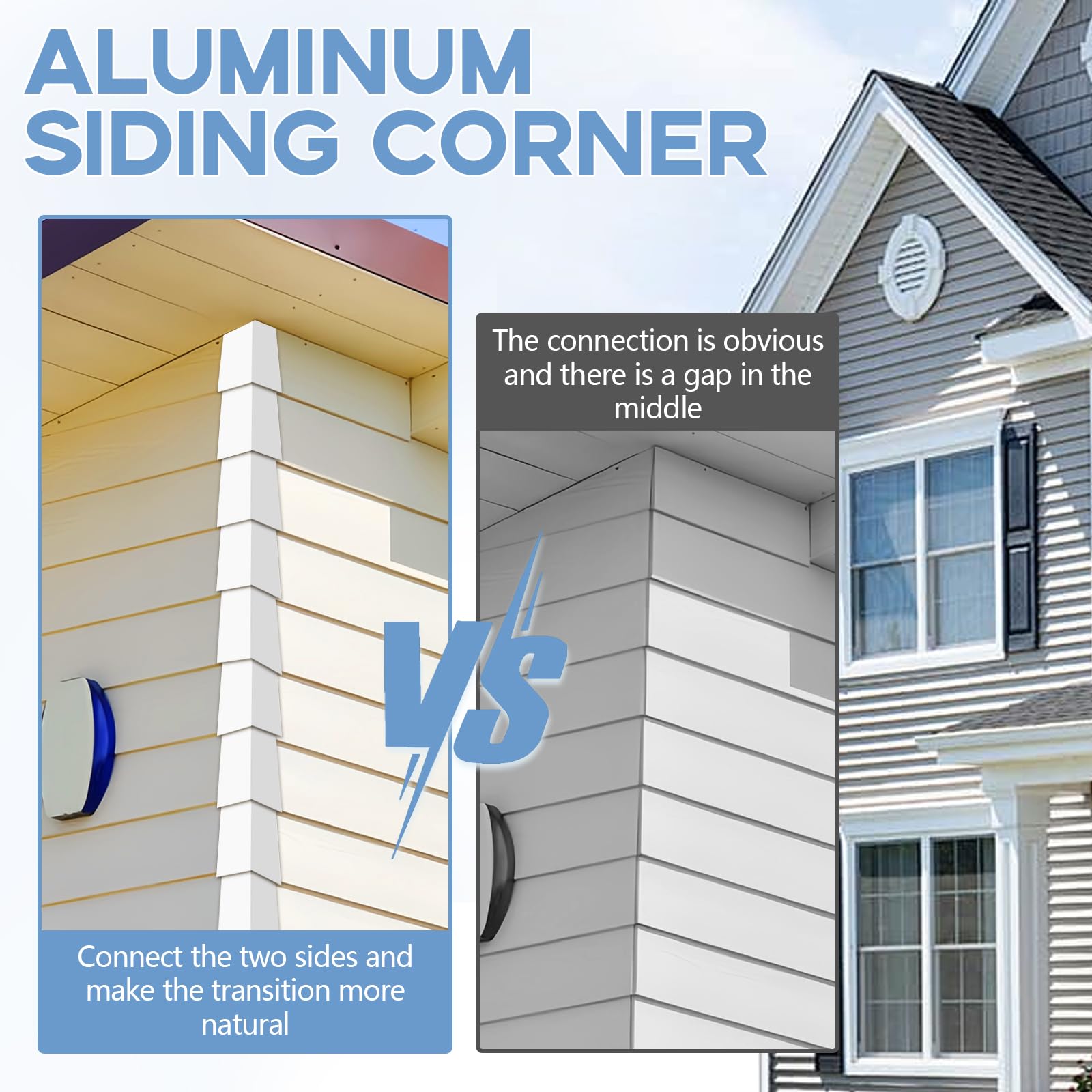
- Aluminum siding panels and matching trim
- Starter strips, J-channel, outside and inside corners
- Drip cap and Z-flashing
- Corrosion-resistant nails or screws made for aluminum
- Housewrap or building paper
- Flashing tape and sealant rated for windows and doors
- Rigid foam or furring strips if you plan a rainscreen
Knowing these items speeds up how to attach aluminum siding to house exterior with fewer mid-day store runs.
Safety, permits, and code basics
Check local codes. Many areas require a weather-resistive barrier, kick-out flashing at roof walls, and clearance above grade. Utility locations matter. Call to mark lines if you will nail near service drops.
Work safe. Set ladders on firm ground. Tie off where needed. Sharp metal edges can cut fast, so wear gloves.
Code rules exist to protect your home from water and wind. Follow them as you plan how to attach aluminum siding to house exterior in your area.
Surface prep that makes siding last
Good prep is the secret. Siding hides sins, but it does not fix them.
- Inspect sheathing for rot. Replace soft spots.
- Install housewrap or felt in shingle fashion. Lap seams and tape them.
- Flash all openings with a sill pan at the bottom and Z-flashing at heads.
- Mark studs with a chalk line to hit nails cleanly.
These steps improve how to attach aluminum siding to house exterior so panels stay dry and secure.
Layout planning and measuring
Straight lines make a pro look. Take time to layout.
- Find the lowest point of the walls. Mark a level reference line.
- Plan your starter strip so the first course sits level all around.
- Dry-fit a few panels to see where seams will land.
- Stagger joints on adjacent rows so they do not stack.
A clear layout lowers waste and speeds how to attach aluminum siding to house exterior without surprises.
Installing starter strips, J-channel, and trim
Trim comes first. Trim is the frame; siding is the picture.
- Snap a level line for starter strips. Install them along the base, 6 to 8 inches above grade in snow zones.
- Set J-channel around windows, doors, and soffits.
- Install outside and inside corner posts, plumb and square.
- Add drip cap above windows and doors, tucked under the WRB above and over the trim below.
This trim network sets your track for how to attach aluminum siding to house exterior with clean edges and tight water control.
Step-by-step: panels and proper fastening
Here is the core method I teach new crew members.
Step 1: Cut and test-fit
Measure twice. Cut once with snips or a fine blade. Leave a small gap at trim to allow movement.
Step 2: Hook and lock
Hook the bottom of the first panel into the starter. Make sure it is fully seated end to end.
Step 3: Nail in the slot center
Use aluminum or stainless nails. Drive them in the center of the nailing slots, not tight. Leave a paper-thin gap under the nail head so panels can float.
Step 4: Space and overlap
Follow the maker’s overlap guide, often 1 inch. Stagger seams. Keep factory edges together for best fit.
Step 5: Check level every few rows
Aluminum can creep. Snap new lines if needed. Keep courses straight.
Step 6: Work around obstacles
Cut neat notches. Use trim to hide cut edges. Flash anything that sheds water onto siding.
If wind is strong, hold the panel by both ends to avoid a twist. Do not face nail through the panel field unless the maker allows it. Face nailing can lock the panel and cause buckles.
Use this simple flow each time you think about how to attach aluminum siding to house exterior. Repeat it row by row and your walls will look great. It is the most reliable way I know for how to attach aluminum siding to house exterior while avoiding oil-canning and leaks.
Dealing with windows, doors, and corners
Openings are where water sneaks in. Slow down here.
- Wrap window sills with flashing tape first, then jambs, then the head.
- Tuck Z-flashing under WRB at the head trim.
- Use J-channel to collect ends of cut panels. Leave small gaps at channel legs for movement.
- For corners, set posts plumb. Keep panel ends seated tight but free to move.
These clean details help how to attach aluminum siding to house exterior without weak spots around trim.
Cutting, bending, and handling aluminum safely
Metal is sharp and springy. Respect it.
- Support panels when cutting to avoid kinks.
- Use snips for small cuts and a brake for bends.
- Deburr sharp edges with a file or light pass of a knife.
- Stack panels off the ground and keep them flat to avoid warps.
Handle sheets with gloves and a buddy on windy days. Safe handling is part of how to attach aluminum siding to house exterior with no damage.
Weatherproofing details: housewrap, flashing, and airflow
Think like rain. Every layer should lap over the one below.
- Shingle lap WRB and tape seams.
- Flash horizontal breaks with Z-flashing.
- Use kick-out flashing where a roof meets a wall.
- Maintain small weep paths in J-channels so water can drain.
These details are vital to how to attach aluminum siding to house exterior that stays dry in storms.
Insulation, underlayment, and furring options
Siding is a shell, not a sweater. Add warmth behind it.
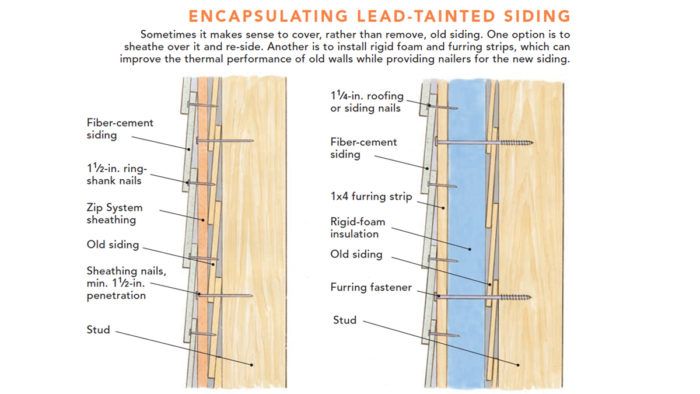
- Foam board adds R-value and a flatter plane.
- Furring strips can create a rainscreen gap for faster drying.
- Use longer fasteners when you add foam or furring.
Plan thickness before buying trim. Good planning streamlines how to attach aluminum siding to house exterior when walls are not perfectly flat.
Common mistakes to avoid and pro tips
I have made these mistakes so you do not have to.
- Driving nails tight. This locks panels and causes buckling in heat.
- Skipping starter strip leveling. Crooked starts lead to crooked finishes.
- Forgetting expansion gaps at trim. Metal needs room to move.
- Ignoring stud lines. Missed studs lead to loose panels.
Pro tips
- Pre-paint cut edges for a cleaner look on light colors.
- Stagger joints in a random pattern for a natural look.
- Keep a small offcut in your pocket to gauge lap every time.
These habits sharpen how to attach aluminum siding to house exterior with a tidy, durable result.
Maintenance and small repairs
Aluminum needs little care, but a bit goes far.
- Wash with mild soap yearly to remove chalk and dirt.
- Touch up paint on scratches to guard against corrosion.
- For dents, replace the course or use a panel repair tool if small.
Ongoing care preserves the work you put into how to attach aluminum siding to house exterior and keeps curb appeal high.
Budget, time, and project planning
Plan costs per square foot for panels, trim, and fasteners. Add for tools you may need to buy or rent. Most DIYers can side one small wall in a day once set up.
Stage materials by wall. Keep a cut station near the action. Clear plans make how to attach aluminum siding to house exterior smooth and stress free.
Frequently Asked Questions of how to attach aluminum siding to house exterior
What nails should I use for aluminum siding?
Use aluminum or stainless steel siding nails with large heads. Nail in the center of each slot and leave a tiny gap under the head so panels can move.
Can I install aluminum siding over old siding?
Yes, if the old surface is flat, dry, and solid. Add furring or foam to true the plane, and adjust fastener length.
How do I keep panels from buckling in heat?
Do not drive nails tight. Center each nail in the slot and leave a paper-thin gap under the head to let panels float.
Do I need housewrap under aluminum siding?
Yes, a continuous weather-resistive barrier is standard practice. It reduces air leaks and helps manage water.
How far above the ground should siding start?
Keep the starter strip 6 to 8 inches above grade in wet or snowy areas. Maintain 2 inches minimum above paved surfaces.
Conclusion
You now have the complete playbook. From level starters to floating fasteners, each step fits together to protect your home and boost curb appeal. Use the tips above to plan, prep, and install with confidence.
Pick a wall, gather your tools, and try the first course. You will see how to attach aluminum siding to house exterior is clear and repeatable when you follow a simple system. Ready for more guides like this? Subscribe for updates, ask a question, or share your win in the comments.