
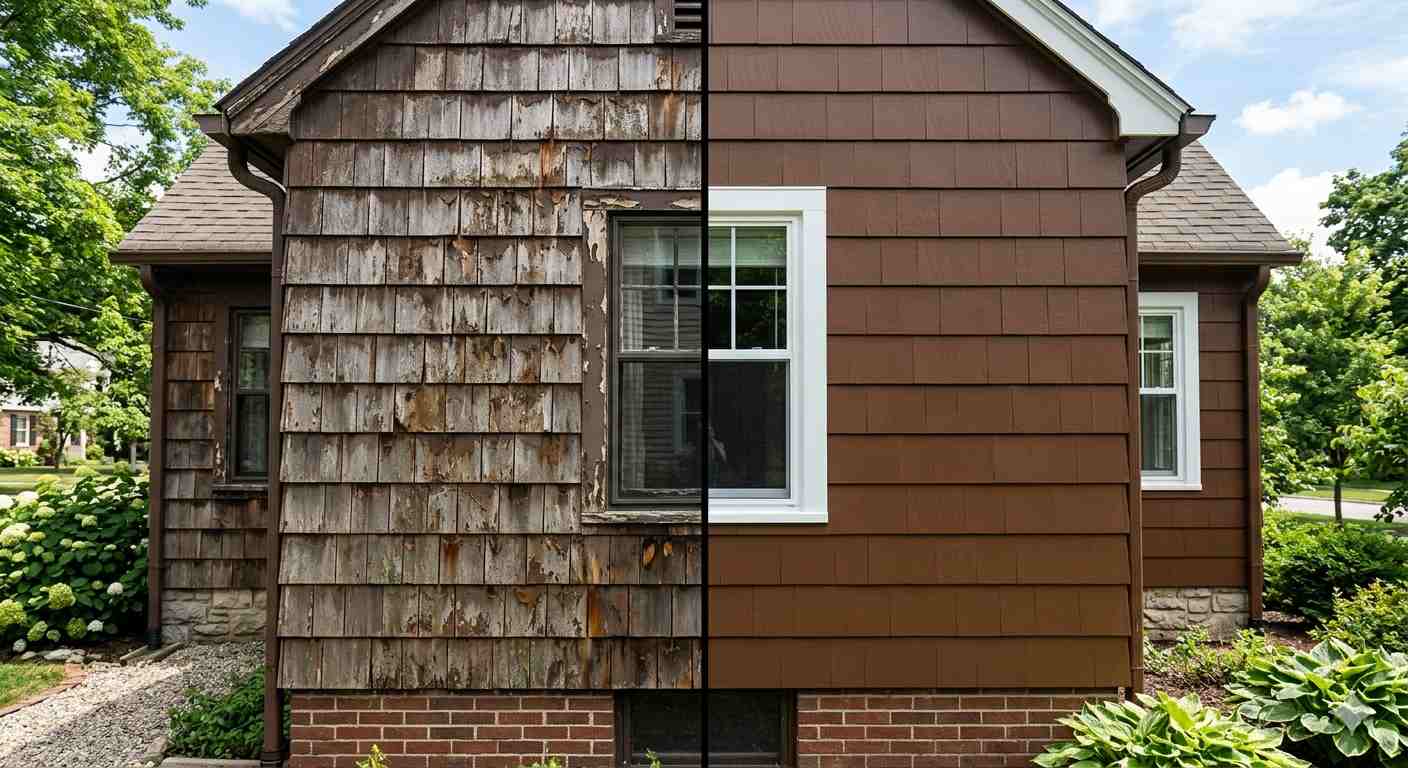
Painting cedar siding is not just a cosmetic upgrade. Cedar contains natural extractives that interfere with paint adhesion, which means a standard paint job often fails within months. If you follow the correct prep, priming, and application process, you can prevent tannin bleed, reduce peeling, and extend the coating lifespan to a decade or more.
This guide walks through the exact workflow used by professionals, How to Paint Cedar Siding, including moisture control, primer selection, and application technique.
To paint cedar siding, clean and dry the surface until moisture is below 15%, remove loose paint, sand rough areas, apply a stain-blocking primer, then apply two coats of 100% acrylic exterior paint. Back-brush after application and follow proper drying times to prevent peeling and tannin bleed.
Tools & Materials
You need the right system, not just paint. Each component plays a role in adhesion and durability.
- 100% acrylic exterior latex paint with high solids content.
- Oil-based or acrylic stain-blocking primer.
- Paint sprayer, roller with 3/4-inch nap, and angled sash brush.
- Moisture meter for wood testing.
- Pressure washer or hose with controlled pressure.
- Wood cleaner or mild detergent.
- Scraper, wire brush, and 80 to 120 grit sandpaper.
- Exterior-grade caulk and caulking gun.
- Drop cloths, ladder, or scaffolding.
Preparation Phase
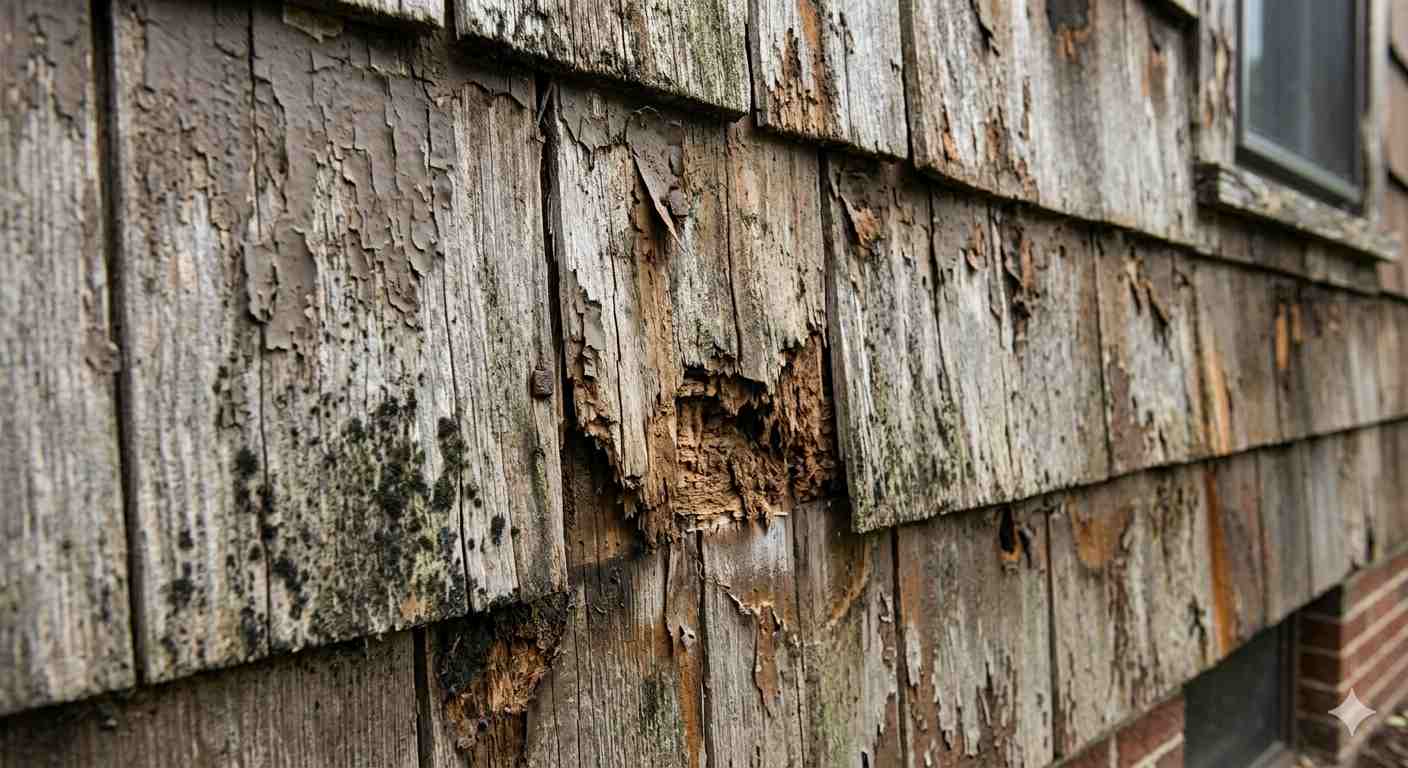
Inspect and Diagnose the Surface
Start by identifying peeling paint, mildew, cracks, and rot. Replace any compromised boards. Paint cannot stabilize failing wood, and covering defects only delays visible failure.
Clean Without Damaging the Grain
Wash the siding to remove dirt, mold, and chalking. Use controlled pressure because cedar is a softwood. Excess pressure raises the grain and creates adhesion problems later.
Control Moisture Content
This is where most DIY jobs fail. Use a moisture meter and confirm the wood is below 15%. Anything above this threshold traps vapor under the coating, which leads to blistering and peeling.
Sand and Remove Degraded Fibers
Weathered cedar develops a gray, UV-damaged surface. Sand this layer off to expose stable wood. Smooth transitions between old paint and bare wood to avoid visible lap marks.
Seal Joints and Gaps
Apply exterior caulk to seams and joints. Unsealed gaps allow water intrusion behind the paint film, which accelerates failure.
Understand Cedar Extractives
Cedar contains tannins that migrate through paint layers. Without proper primer, these show up as brown stains within months. This is not a paint defect. It is a substrate issue.
Step-by-Step Process: How to Paint Cedar Siding
1. Apply a Stain-Blocking Primer
Coat all exposed cedar with a stain-blocking primer. Focus on knots and grain-heavy sections where tannins concentrate.
Why it matters: Primer seals extractives and creates a stable bonding surface.
Risk: Skipping this step almost guarantees discoloration within 3 to 6 months.
2. Cut In Edges and Critical Areas
Use a brush to coat corners, trims, and joints before large surface application.
Why it matters: These areas are prone to moisture intrusion and coating failure.
Risk: Missed edges become entry points for water.
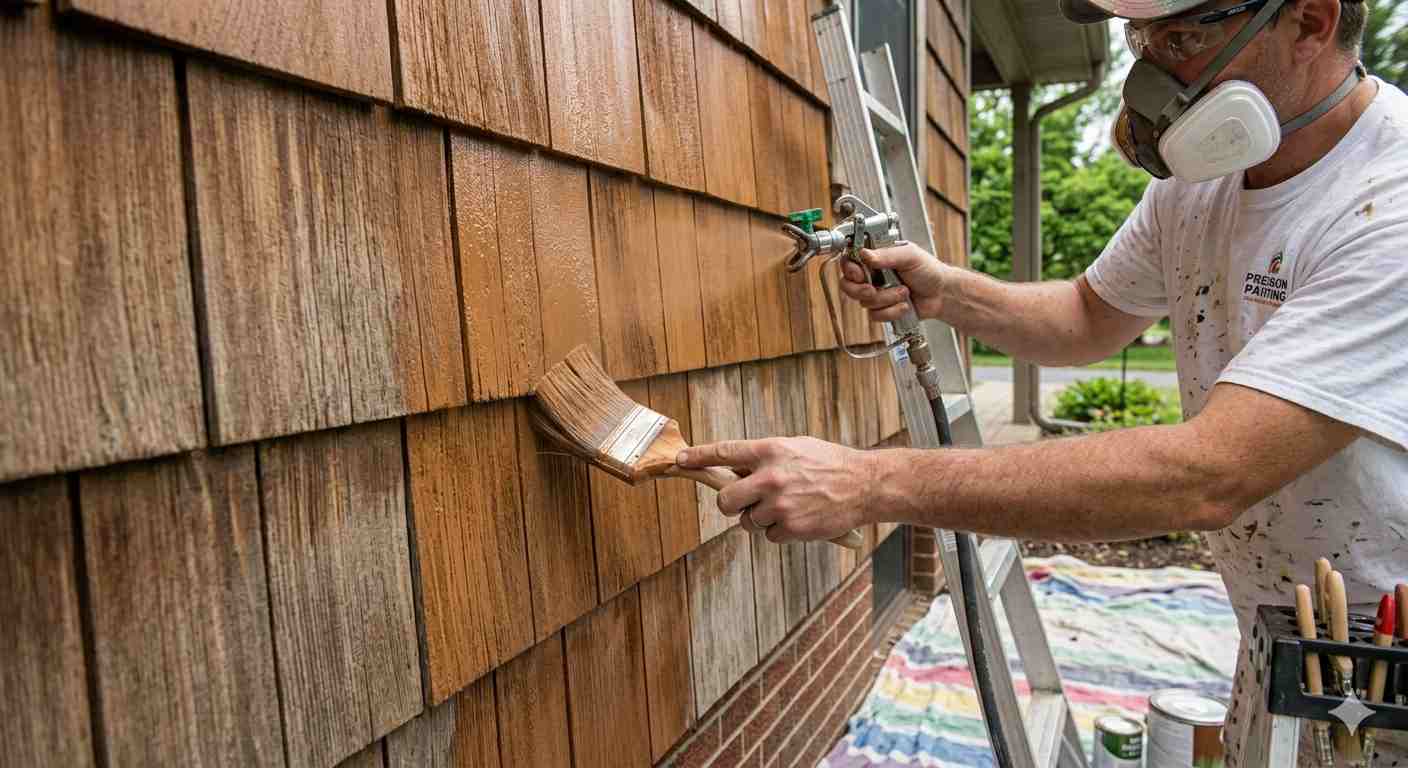
3. Apply the First Coat with Back-Brushing
Spray or roll paint evenly across the siding, then immediately back-brush to push paint into the grain.
Why it matters: Cedar’s porous structure requires mechanical penetration, not just surface coverage.
Risk: Skipping back-brushing leaves paint sitting on the surface, reducing adhesion strength and lifespan.
4. Let the Coating Cure Properly
Allow full drying before applying the next coat. Follow manufacturer guidelines and adjust for humidity.
Why it matters: Trapped moisture weakens the coating system.
Risk: Recoating too early leads to blistering and premature failure.
5. Apply the Second Coat to Build Film Thickness
Apply a uniform second coat to achieve proper protection. Aim for a total dry film thickness of 8 to 12 mils across both coats.
Why it matters: Thin coatings degrade faster under UV exposure.
Risk: Under-applied paint reduces durability and increases maintenance frequency.
6. Inspect and Correct Imperfections
Check for missed spots, drips, or uneven coverage. Address issues before full curing.
Why it matters: Small defects expand over time due to weather exposure.
Risk: Ignoring inconsistencies leads to visible failure patterns.
Decision Layer
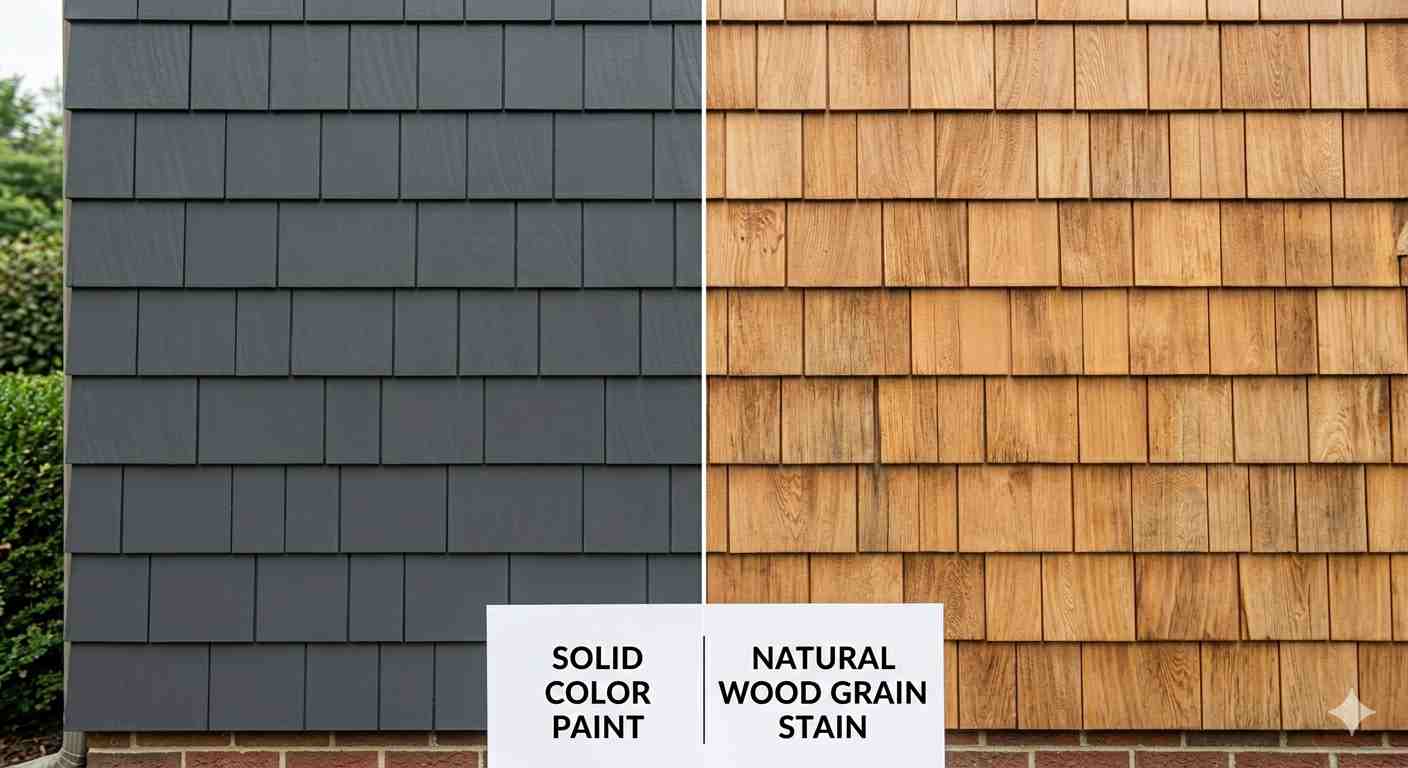
New Cedar vs Weathered Cedar
New cedar should be primed as soon as possible to prevent UV degradation. Weathered cedar requires sanding to remove gray fibers before priming. Skipping this step results in weak adhesion.
Primer Selection Logic
Use oil-based primer when tannin levels are high or when staining has occurred before. Use high-quality acrylic stain-blocking primer for moderate conditions where flexibility is a priority.
Paint Selection Strategy
Choose 100% acrylic latex paint. This formulation expands and contracts with wood movement, reducing cracking. Avoid vinyl-acrylic blends because they lack long-term durability.
Application Method
Spraying speeds up coverage, but brushing ensures penetration. The most effective method combines both, followed by back-brushing.
Pro Tips
Professionals focus on system performance, not just application.
- Paint when temperature stays between 10°C and 30°C and humidity remains below 70%.
- Avoid painting within 24 hours of rain.
- Prime all sides of replacement boards before installation.
- Use lighter colors to reduce heat stress and paint breakdown.
- Work in shaded areas to prevent rapid drying and lap marks.
Common Mistakes
Most failures trace back to prep and material decisions rather than application.
- Painting over wood with moisture above 15%.
- Skipping primer on raw cedar.
- Using low-quality or blended paints.
- Applying thick coats instead of building layers.
- Ignoring back-brushing during spray application.
Troubleshooting
Paint Peels in Sheets
Root cause: High moisture content or poor surface prep.
Fix: Remove coating, dry wood below 15%, re-prime, and repaint.
Brown Stains Appear Through Paint
Root cause: Tannin bleed from cedar extractives.
Fix: Apply oil-based stain-blocking primer and repaint.
Blistering or Bubbling Paint
Root cause: Moisture trapped under the coating or heat exposure.
Fix: Sand affected areas, allow proper drying, and repaint under stable conditions.
Cost & Time Estimate
Costs vary based on condition, accessibility, and material quality.
- DIY cost ranges from $1.5 to $4 per square foot.
- Professional services range from $3 to $8 per square foot.
Time requirements depend heavily on preparation.
- Preparation typically takes 1 to 3 days.
- Painting requires 1 to 2 days per coat including drying time.
Maintenance / Aftercare
Cedar siding requires ongoing inspection to maintain performance.
Inspect annually for cracks, peeling, or joint failure. Clean the surface every one to two years to remove contaminants. Repaint every five to ten years depending on exposure conditions. Address small failures early to prevent full recoating.
FAQ (PAA Optimized)
How long should cedar dry before painting?
Cedar should dry until moisture content falls below 15%, which usually takes 24 to 72 hours depending on weather.
Do you need primer on cedar siding?
Yes. Primer blocks tannins and ensures proper adhesion. Without it, stains and peeling occur quickly.
What is the best paint for cedar siding?
100% acrylic exterior latex paint performs best due to flexibility and weather resistance.
Can you paint cedar without sanding?
Only if the surface is stable and not weathered. Most cases require sanding to remove degraded fibers.
How many coats of paint are needed?
One primer coat and two paint coats provide proper protection and film thickness.
Is it better to spray or brush cedar siding?
Spraying is faster, but back-brushing is necessary to ensure paint penetrates the wood grain.
When is the best time to paint cedar siding?
Paint during mild, dry conditions with low humidity and stable temperatures.