
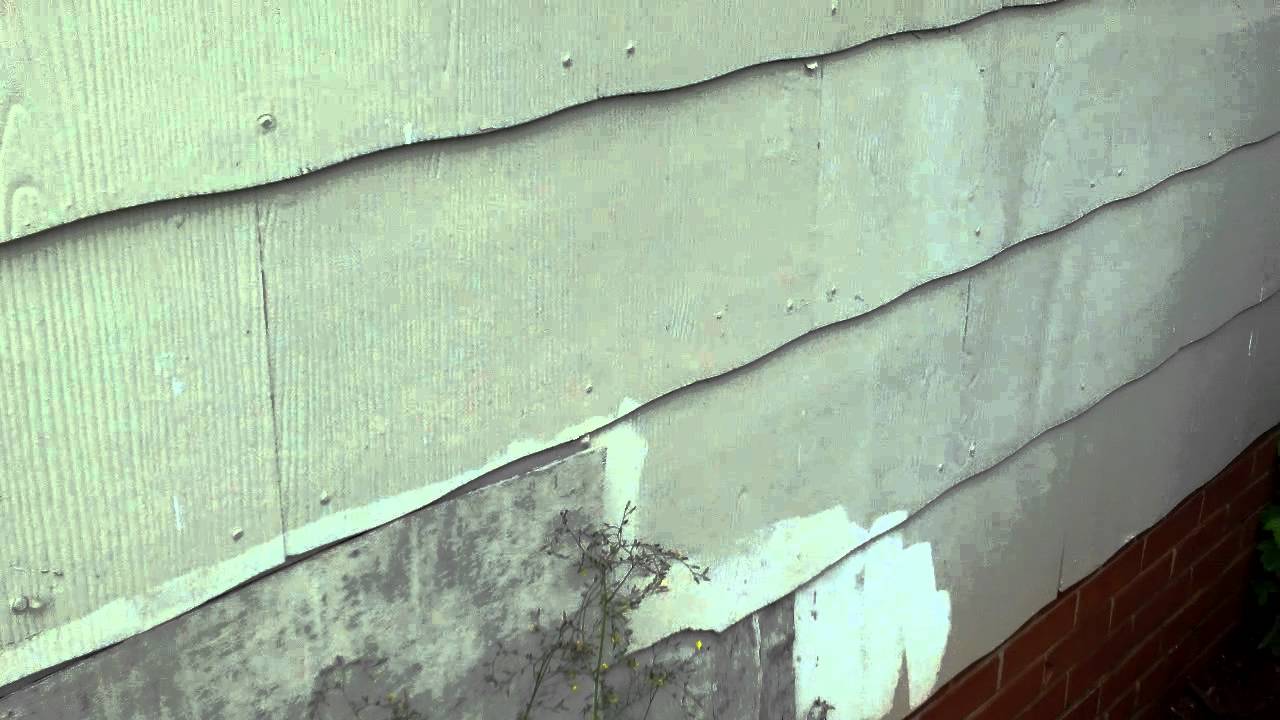
Check the home’s age and siding type, then confirm with a certified lab test.
You want clear steps on how to determine asbestos siding, without guesswork or fear. I’ve inspected dozens of homes from the 1920s to the 1980s, and I’ll show you what to look for, what tests are valid, and how to stay safe. This guide shares expert tips, real cases, and proven methods on how to determine asbestos siding, so you can make a smart, calm decision for your home.

What is asbestos siding?
Asbestos siding is a cement-based cladding that has asbestos fibers mixed in. It was sold from the 1920s through the late 1970s, often under names like transite shingles. It is hard, thin, and often shaped like shingles or flat panels.
It was popular because it resists fire, rot, and bugs. The product is not “dusty” when intact, but it can release fibers if cut, drilled, or broken. That is why testing and care matter.

How to determine asbestos siding: visual clues and context
If you ask how to determine asbestos siding, start with age and look. Most homes with this material were built or re-sided between 1920 and 1980. Many panels look like slate shingles or smooth cement boards.
Visual clues that often point to asbestos cement siding:
- Age window: original or re-siding work from 1920–1980
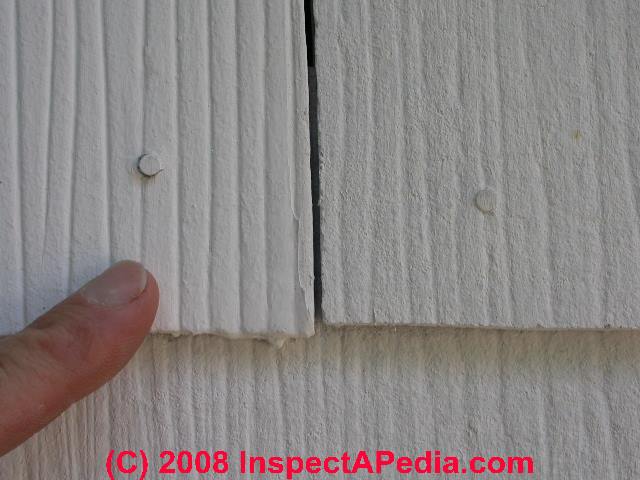
- Shape: 12-by-24 inch shingles, often with a wavy or straight bottom edge
- Texture: smooth, dense, cement-like surface with a faint sandy feel
- Holes: small, neat nail holes near the top or center of each shingle
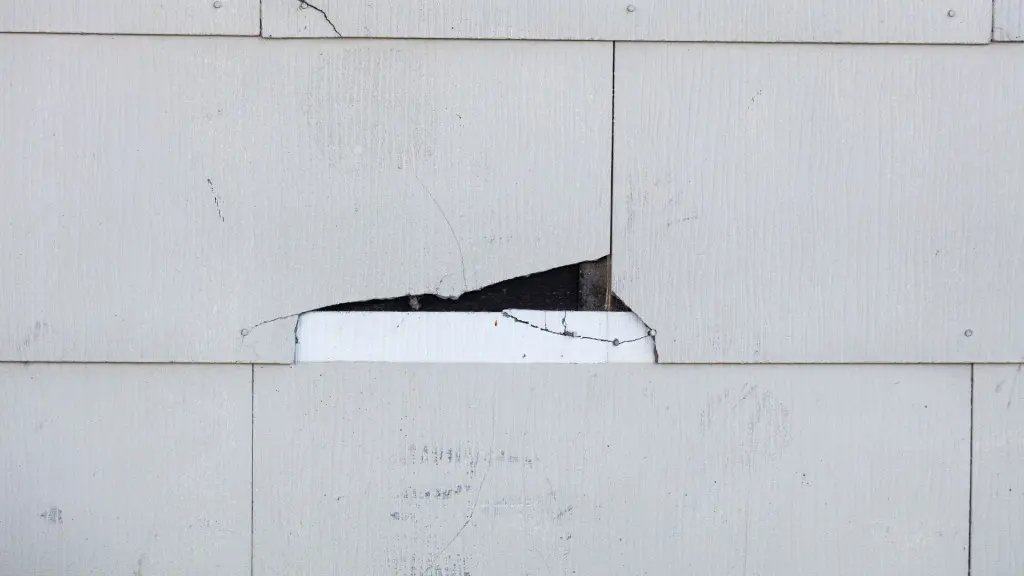
- Edges: thin and sharp edges that can snap clean rather than splinter
- Patterns: faux wood grain is less common; many pieces are plain and flat
- Color: often painted; original gray or off-white cement color under old paint
Context also helps. If the panels are brittle and ring like a plate when tapped, that suggests cement. Some fiber-cement products from the 1990s and later look similar but do not use asbestos. Labels or old permits can help tell them apart.
Safe ways to confirm asbestos siding
Here is the honest truth about how to determine asbestos siding. Visual checks are not proof. Only a lab test can confirm it. The U.S. EPA and state health agencies advise lab analysis for a sure answer.
Your safest path is to hire a licensed inspector to collect a small sample. They will send it to a certified lab for PLM testing. You get a clear result that lists asbestos type and percent. If you do use a mail-in kit, follow the kit rules and local laws. Avoid sanding or breaking material. Keep people away from the area.

Testing methods you may see
Labs often use PLM, or polarized light microscopy. It is the standard screening test for siding. Some cases need TEM, a more sensitive method. Ask the lab which method they will use and why.
A good report lists the lab’s accreditation, sample description, method, and result. Keep that report with your home records. It can help with permits, sales, and insurance.
Risks, rules, and when to leave it alone
How to determine asbestos siding is not only about a yes or no. It is also about risk. Asbestos cement is usually non-friable, which means it does not crumble by hand. Intact, painted siding often poses low risk if left undisturbed, as noted by major health agencies.
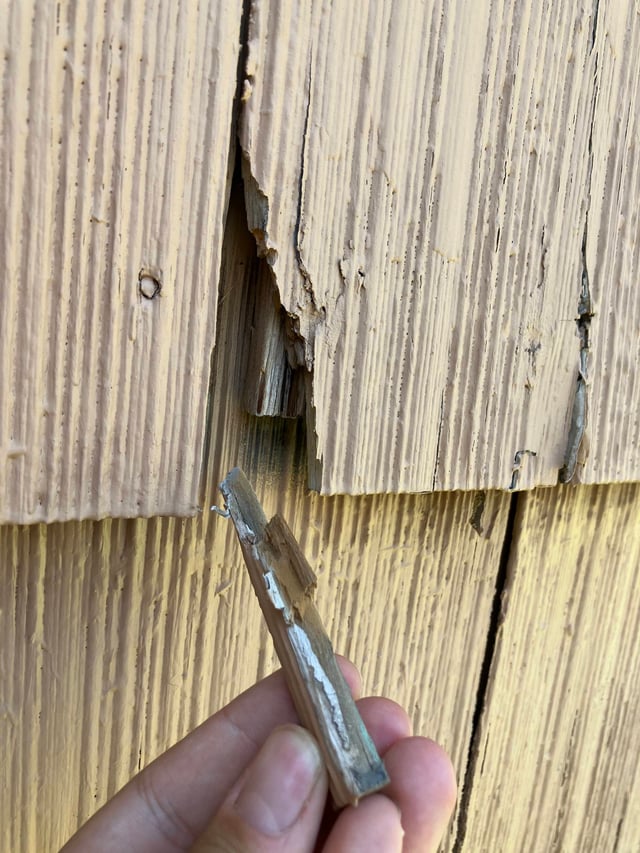
Do not grind, cut, or drill the shingles. That can release fibers. Many states have rules for work, disposal, and transport. Check your state and local rules before any project. When in doubt, hire a licensed pro.

Real-world examples and lessons learned
In one 1953 bungalow I inspected, the shingles were flat, 12-by-24 inches, and brittle. The owner asked how to determine asbestos siding with no demo. We did one discreet sample, tested by a certified lab, and got a clear positive result in three days.
Another client had 1998 fiber-cement that looked the same. Their lab test was negative. The lesson is simple: if you need a firm answer, test once and move on. It saves worry, time, and extra costs.
Cost, timing, and planning
Most basic lab tests cost $30–$75 per sample. A professional inspection and sample can run $150–$400 or more, based on region. Results can come back the same day with rush service, or within a week at standard speed.
Plan ahead if you need permits or if you will work near the siding. Knowing how to determine asbestos siding early can prevent delays during roofing, window swaps, or deck work.

Common mistakes to avoid
These errors come up often when people ask how to determine asbestos siding:
- Trusting looks alone. Some modern fiber-cement clones look the same.
- Breaking off a big chunk. Small, careful samples are better and safer.
- Skipping PPE. If you must be near suspect siding, wear a P100 respirator and avoid dust.
- Drilling to “see dust.” Never do this. It adds risk and proves nothing.
- Throwing siding in the trash. Disposal follows strict rules in most areas.
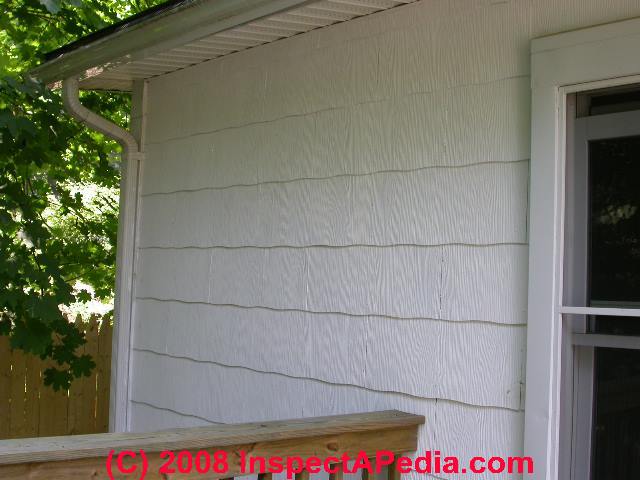
Source: inspectapedia.com
Alternatives and next steps
If your test is positive, you still have options. Many owners keep the siding and paint it. Some add new siding over it if codes allow. Full removal is a job for licensed abatement pros, and rules vary by state.
If your test is negative, treat it like any cement board. Still use dust control. Wear a respirator when cutting, and follow tool guidelines. Learning how to determine asbestos siding gives you control, so you can plan the right work at the right time.
Frequently Asked Questions of how to determine asbestos siding
How accurate is a visual inspection?
A visual check can suggest asbestos cement, but it is not proof. Only a certified lab test can confirm asbestos.
What years most often used asbestos siding?
From the 1920s to the late 1970s it was common. After the 1980s, most residential siding did not use asbestos.
Can I collect a sample myself?
Local rules differ. It is safer to hire a licensed pro, but some areas allow homeowner samples with care and proper PPE.
How long do lab results take?
Standard turnaround is 2–5 business days. Rush testing can return results in 24 hours or less.
Is intact asbestos siding dangerous?
If it is intact and sealed with paint, risk is usually low. Risk rises when the material is cut, drilled, or broken.
Will insurance cover removal?
Policies vary. Some cover damage from a covered loss but not planned removal. Ask your carrier before any work.
Can I side over asbestos siding?
In some areas, yes, if codes and fastener rules are met. Check with your building department and a licensed contractor.
Conclusion
A smart plan starts with facts. Check the home’s age and features, then confirm with a certified lab. That is the sure way to answer how to determine asbestos siding, reduce risk, and plan work with confidence.
Take the next step today. Book a licensed inspector or order a lab kit, and set a clear path forward. If you found this guide helpful, subscribe for more homeowner tips or leave a question in the comments.